So you've booked that dream ocean trip, picturing yourself gliding over pristine reefs. Then you check the forecast: wind, swell, chop. Your heart sinks a little. Calm, bathtub-like conditions are great, but they're not the whole story. Some of the most vibrant marine life thrives in areas with a bit more movement—channel openings, seaward points, places where currents bring in nutrients.
Snorkeling in rough seas isn't about being reckless; it's about being prepared. The right snorkeling equipment for rough seas transforms a potentially stressful, exhausting experience into an adventurous and confident one. It's the difference between fighting the water and moving with it.
I learned this the hard way years ago off the Kona coast. Gorgeous spot, but the afternoon trade winds had kicked up a solid chop. My flimsy travel snorkel kept flooding, my mask felt like it was suctioned to my face, and I spent more energy staying afloat than looking at fish. It was a slog. After that, I got serious about gear that could handle more than a swimming pool.
What You'll Find in This Guide
Why Rough Seas Demand Specialized Gear
Think of it like this: driving a city car on a smooth highway is fine. Taking that same car on a rocky, muddy mountain trail is a bad idea. Rough water—defined by wind-driven waves, swell, surge, and current—presents specific challenges that pool or calm-bay gear just isn't built for.
Water Entry: Waves constantly break over the top of your snorkel. A simple J-shaped tube becomes a funnel straight to your lungs.
Visibility & Stability: Chop jostles you, making it harder to keep your head steady to look down. A leaky mask becomes a constant distraction.
Energy Drain: Currents, even mild ones, require more kicking power to navigate or hold position. Flimsy fins leave you tired quickly.
Safety Margin: In open water, distance from shore or boat matters. Fatigue sets in faster, and you need to be seen.
Your gear needs to solve these problems, not add to them.
Essential Snorkeling Equipment for Rough Seas Checklist
Let's break down each piece. This isn't just a list of items; it's the why behind each choice for rough conditions.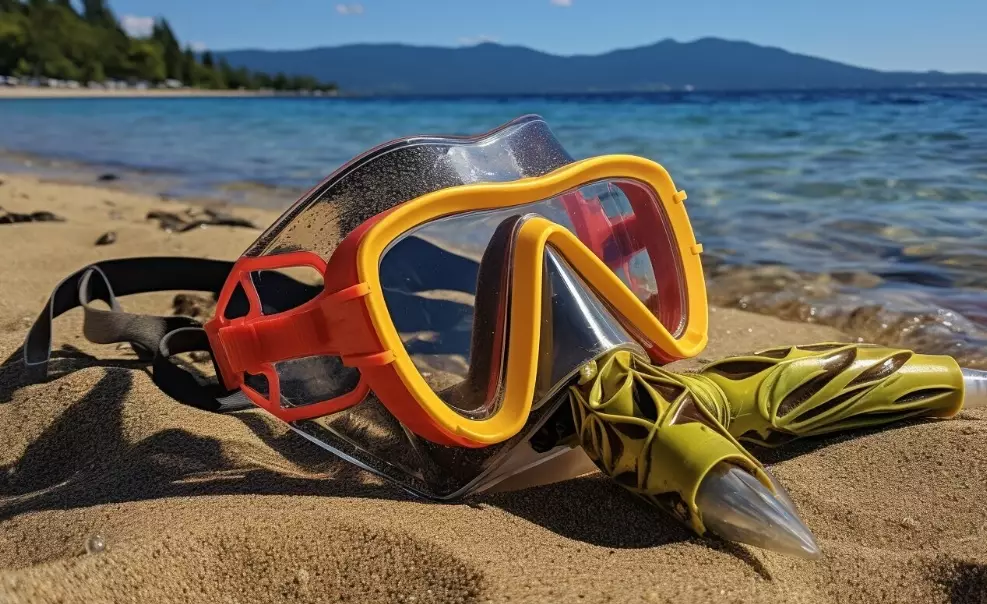
The Snorkel: Your Lifeline to Air
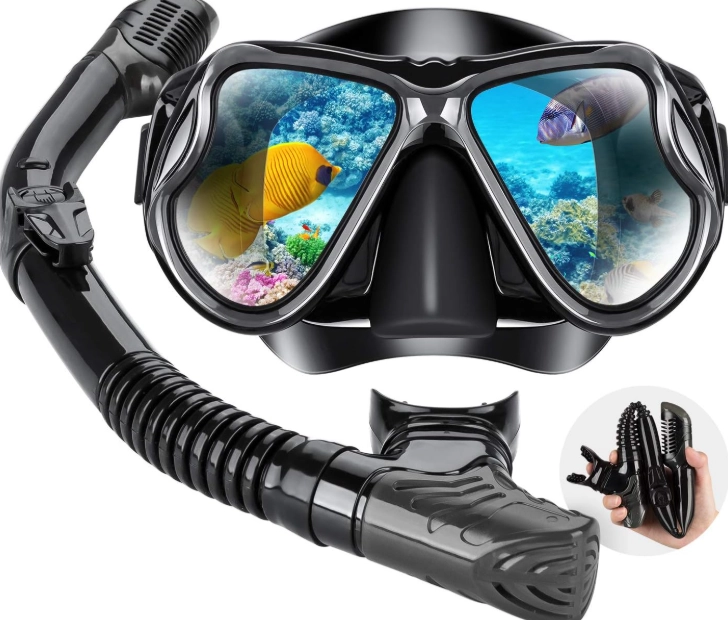
This is priority number one. In choppy water, a standard snorkel is useless. You need a dry snorkel or a full-face snorkel mask with a top-tier dry system.
- Dry Snorkel: Look for a robust float valve mechanism at the top that seals the tube the moment it submerges. The splash guard underneath should be substantial. Avoid models with complex purge valves at the bottom—they can fail. A simple, large-bore tube is best.
- Full-Face Mask Consideration: These have integrated dry-top snorkels. In rough seas, they excel at keeping water out and allowing natural breathing. Critical point: Not all are equal. Choose a reputable brand known for safety (like Ocean Reef or Head). Ensure it has separate breathing and viewing chambers to prevent CO2 buildup—a non-negotiable safety feature highlighted by diving safety organizations like DAN (Divers Alert Network).
Pro Tip: Test your dry snorkel in a pool by intentionally submerging the top. If you get even a trickle of water, it's not reliable enough for ocean chop. That tiny trickle becomes a mouthful with every wave.
The Mask: Seal, Fit, and Field of View
A leaking mask ruins everything. For rough water, fit is everything.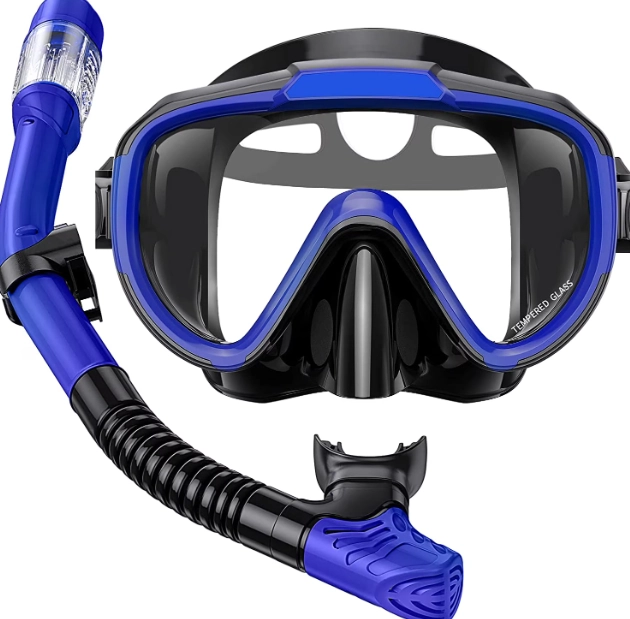
- Skirt Material & Fit: Silicone skirts are more durable and seal better than PVC. Press the mask to your face without the strap, inhale gently through your nose, and let go. It should stay suctioned for a few seconds. Check the seal across your forehead and the sides of your nose—common leak spots.
- Low Volume: Masks with less air space inside are easier to clear if water does get in (a quick exhale through the nose does it). They also sit closer to your face, reducing drag.
- Double Feathered Skirt: This creates two sealing edges, dramatically improving the seal against your skin, even when your face is contorted.
Don't just buy a mask online based on looks. Go to a dive shop and try on a dozen.
Fins: Your Engine in the Current
This is where most casual snorkelers skimp, and it costs them. In current or surge, you need power and efficiency.
| Fin Type | Best For | Why It Works in Rough Seas | Consideration |
|---|---|---|---|
| Open-Heel with Booties | Strong currents, long snorkels, cold water | Stiff blade for maximum thrust. Adjustable strap for perfect fit. Booties protect feet from rocks/coral and prevent blisters. | Bulkier to pack. Requires fitting booties and fins separately. |
| Full-Foot (Pocket) Stiff Blade | Warm water, moderate currents, travel | More power than floppy travel fins. Streamlined. Good compromise if you avoid very cold water. | Must fit perfectly to avoid blisters. Less foot protection. |
| Split Fins | Efficiency over raw power, reducing fatigue | Use fluid dynamics for propulsion, requiring less effort per kick. Great for long durations. | Some find them less responsive for quick maneuvers. |
My go-to for unknown or potentially rough conditions is always an open-heel fin with a medium-stiff blade. The control is unmatched.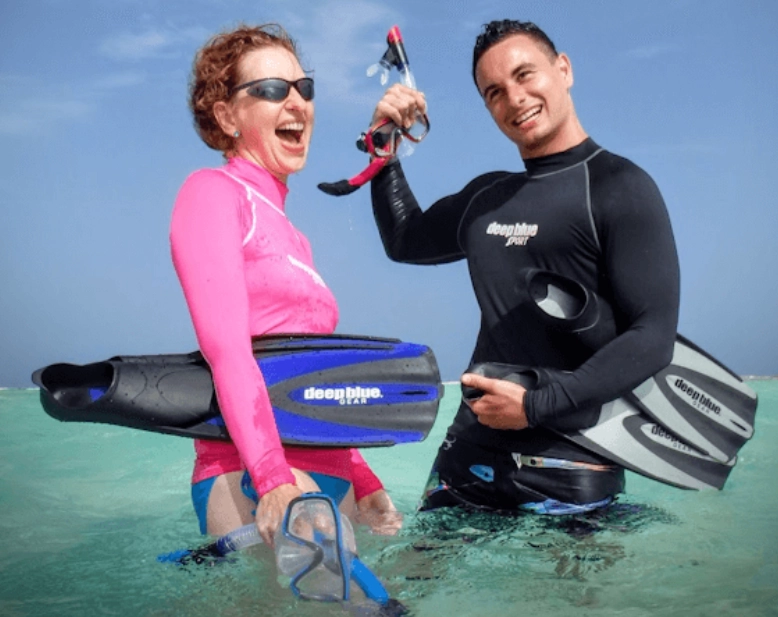
The Non-Negotiable: Snorkeling Vest (Flotation Device)
If you take one thing from this guide, let it be this: wear a snorkeling vest in rough or open water. This isn't for beginners; it's for smart snorkelers.
It provides continuous positive buoyancy. When a wave smacks you, or you need to clear your snorkel, you can just stop kicking and float. It conserves massive amounts of energy. It also makes you highly visible to boats—a critical safety factor. The best are oral-inflatable with a manual backup valve. You can add a little air for perfect buoyancy.
I never get in choppy water without mine. It's my safety blanket.
Extras That Make a Difference
- Rash Guard or Wetsuit Top: Protects from sunburn and jellyfish stings. In cooler, choppy water, a 2-3mm top adds warmth and buoyancy.
- Waterproof Bag or Dry Box: For your keys, phone, a whistle. Attach it to your vest or float.
- Dive Computer or Fitness Watch: Sounds fancy, but a basic watch with a depth gauge can help you avoid drifting into unexpectedly deep water. Time flies when you're snorkeling.
How to Test Your Gear Before Hitting Rough Waters
Never debuting new gear in the ocean. It's a rule. Here's your pre-trip ritual:
1. The Pool Test: Spend 30 minutes in a pool. Practice clearing your snorkel by forcefully exhaling (blast clearing). Submerge your snorkel top to test the dry valve. Flood your mask and clear it. Swim laps with your fins to check for comfort. Does anything rub? Adjust now, not later.
2. The Beach Simulation: If you can, find a calm bay or lake with a sandy entry. Walk in with your fins on (backwards, shuffling to avoid tripping). Experience putting everything on while floating in chest-deep water. Get a feel for the buoyancy of your vest.
3. The Buddy Check: Always snorkel with a partner, especially in rough conditions. Agree on hand signals (OK? Problem? Look at this! Let's go back). Check each other's gear before entering.
Techniques Beyond the Gear
Great gear is half the battle. Your technique is the other half.
Entering the Water: Time your entry between wave sets. Walk sideways through breaking waves if you must, holding your mask and snorkel in place. Put your fins on in water deep enough to float, not while getting pummeled in the surf zone.
Breathing & Kicking: Breathe slowly and deeply. Panicked, shallow breaths increase CO2 buildup and fatigue. Use a slow, steady flutter kick from the hips, not a frantic bicycle kick from the knees. Conserve energy.
Reading the Water: Look for patterns in the waves. Surge near rocks? Time your approach. Current pulling you? Don't fight it directly. Swim diagonally across it towards your exit point. If in doubt, get out.
The Golden Rule: If conditions feel beyond your comfort level, they probably are. No piece of gear is a substitute for good judgment. The ocean will always be there another day.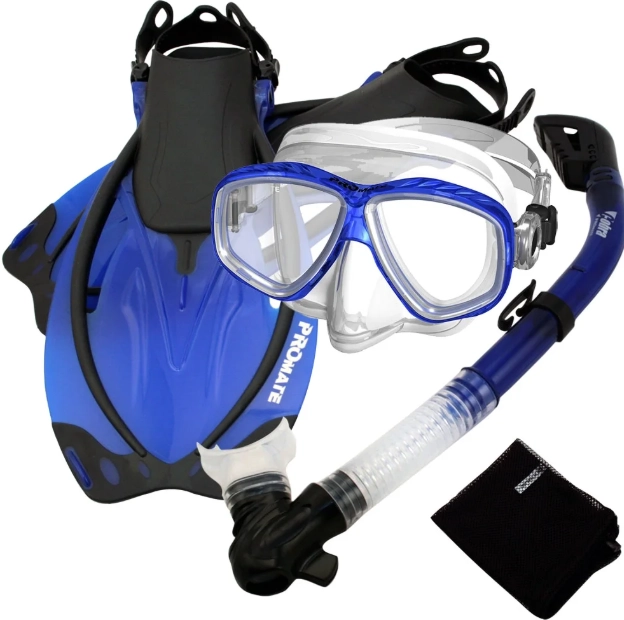
Reader Comments