Let's be honest. A bad snorkel set can turn a dream tropical day into a frustrating, leaky, foggy mess. You're constantly clearing your snorkel, fighting a leaking mask, and missing the fish because you're busy troubleshooting your gear. I've been there. After a decade of guiding snorkel tours and testing countless kits, I've learned that the right floating snorkel set isn't a luxury—it's the foundation of a great experience. This guide isn't about listing every product online. It's about giving you the insider knowledge to choose a set that fits, performs, and lasts, so you can focus on the underwater world, not your equipment.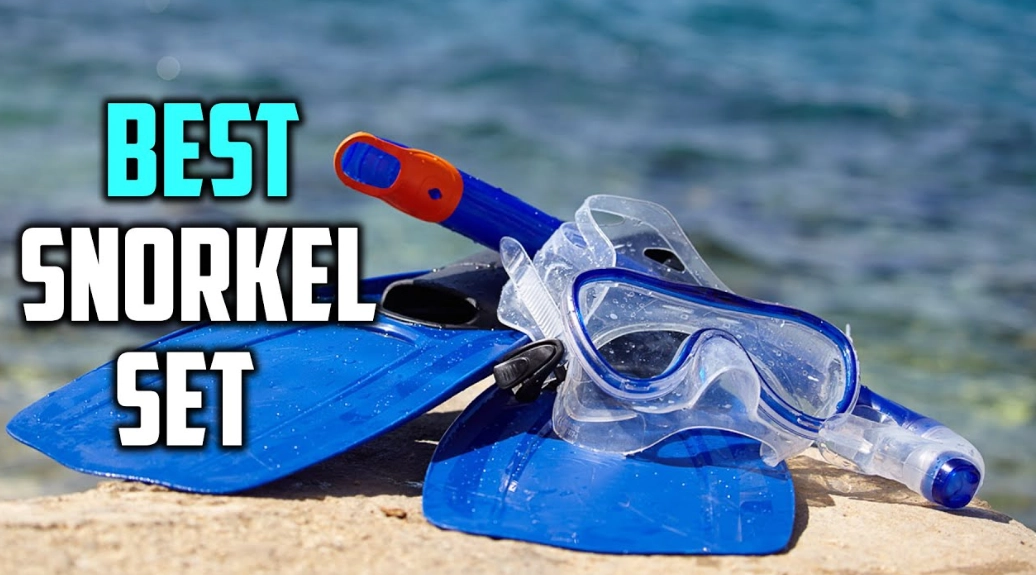
What’s Inside This Guide
What Exactly Makes a Snorkel Set "Floating"?
This is the first thing most beginners get wrong. A "floating" snorkel set typically refers to the snorkel itself, not the whole kit. The key component is a dry-top or splash-guard on the snorkel's opening. This clever little valve seals shut the moment it goes underwater, preventing water from flooding the tube. When you surface, it pops open automatically. Some higher-end masks also have integrated technology to prevent them from sinking if dropped, but the primary "floating" function is all about keeping water out of your airway.
But what exactly makes a snorkel set ‘float’? It's the dry-top mechanism. Think of it as an upside-down cup on top of your snorkel. It lets air in but seals water out.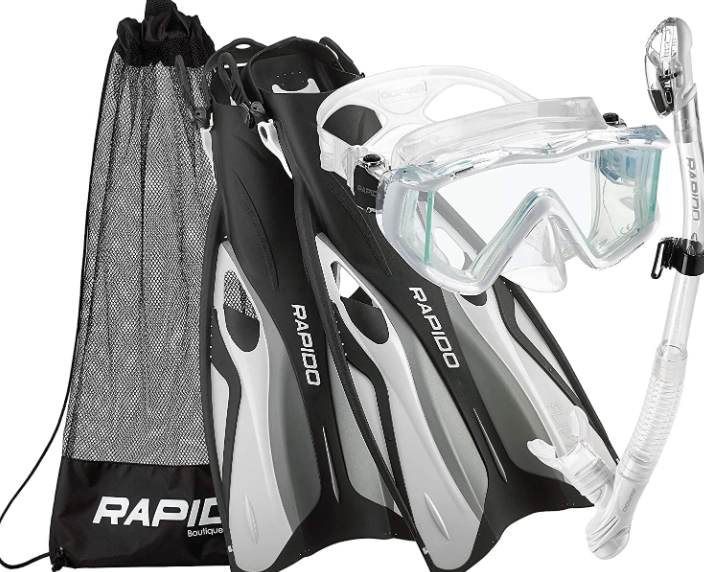
Key Takeaway: When you see "floating" or "dry" snorkel set, the core promise is a snorkel that actively prevents water entry. The mask and fins are chosen to complement this feature, focusing on comfort and ease of use, often for beginners or casual snorkelers.
Why Investing in a Quality Floating Snorkel Set Matters
Renting gear or buying a cheap $30 set from a beach shop is a gamble. I've seen more people give up on snorkeling because of poor rental gear than because of fear of fish. A proper set solves the three biggest headaches:
Safety and Confidence: A reliable dry snorkel means you don't inhale water if a small wave hits you. This is huge for nervous swimmers. It lets you breathe naturally and focus on your surroundings.
Comfort is King: A leaky mask requires constant tightening, which leads to painful red marks and a headache. A soft, silicone skirt that seals properly is worth every extra penny. A fin that rubs your heel raw will ruin your day after 20 minutes.
Optical Clarity: Cheap masks often have poor-quality tempered glass that can distort your view. A good mask offers a wide, clear field of vision with safety glass. You see more, and you see it clearly.
I once used a rental set where the mask seal was so stiff it felt like a suction cup on my face, and the snorkel's dry valve stuck closed half the time. I spent more time on the surface fiddling than I did looking at coral. That experience cemented my belief in owning your own, well-chosen gear.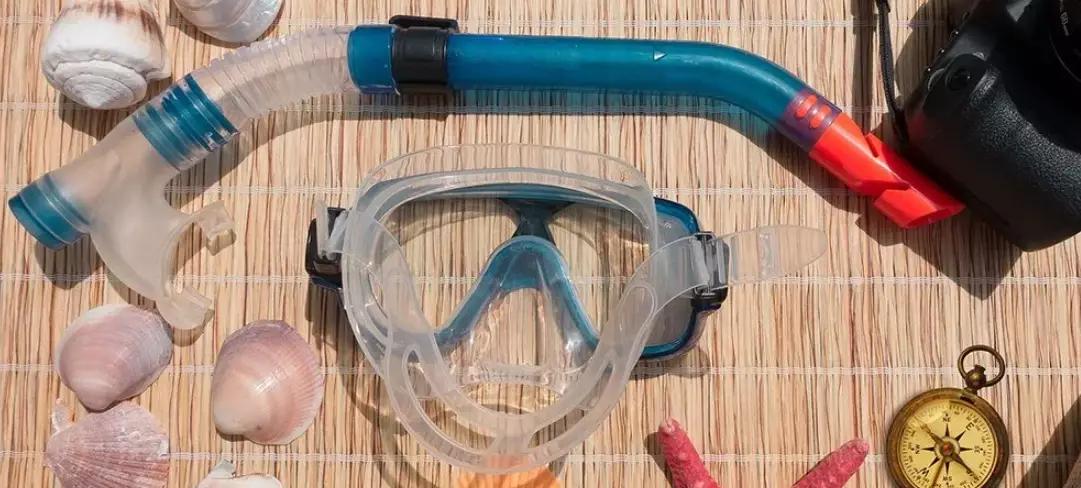
Your 5-Point Checklist for Choosing the Best Set
Forget brand names for a second. Before you look at any product, run through this list. These are the make-or-break factors based on fitting hundreds of people.
1. The Mask Fit Test (Do This First!)
This is the most critical step, and most people skip it. A mask doesn't need the strap to stay on your face. Here’s how to test:
- Place the mask gently on your face without putting the strap over your head.
- Inhale slightly through your nose to create a suction.
- The mask should stay put on its own for a few seconds.
- Check for gaps, especially along the bridge of your nose and your cheekbones.
If it falls or you feel air rushing in, it's the wrong shape for your face. No amount of strap tightening will fix a fundamental shape mismatch—it'll only cause pain.
2. Snorkel Type: Dry vs. Semi-Dry
Dry Snorkel (Floating Snorkel): Has a sealed float valve mechanism at the top. Best for beginners, surface snorkelers, or anyone who wants maximum protection from water entry. Can sometimes have slightly more breathing resistance.
Semi-Dry Snorkel: Has a splash guard (a cowling) that deflects water but doesn't fully seal. Less mechanism to fail, often easier to breathe through. Better for more active snorkelers who might dive down frequently, as they need to clear the snorkel manually on return anyway.
3. Fin Features: Pocket vs. Open Heel
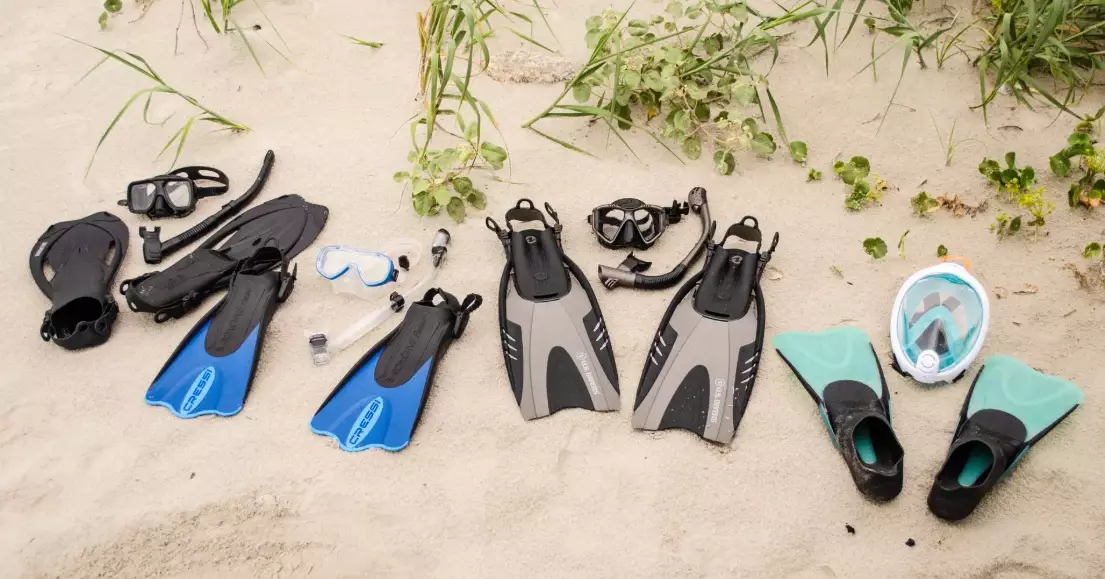
Full-Foot Pockets (like a shoe): Great for warm water, travel, and simplicity. Just slip them on. Ensure they fit snugly but don't pinch your toes.
Open-Heel with Adjustable Straps: Worn with neoprene booties. Offer more power and protection. Essential for cooler water, rocky entries, or if you have sensitive feet. They're bulkier to pack.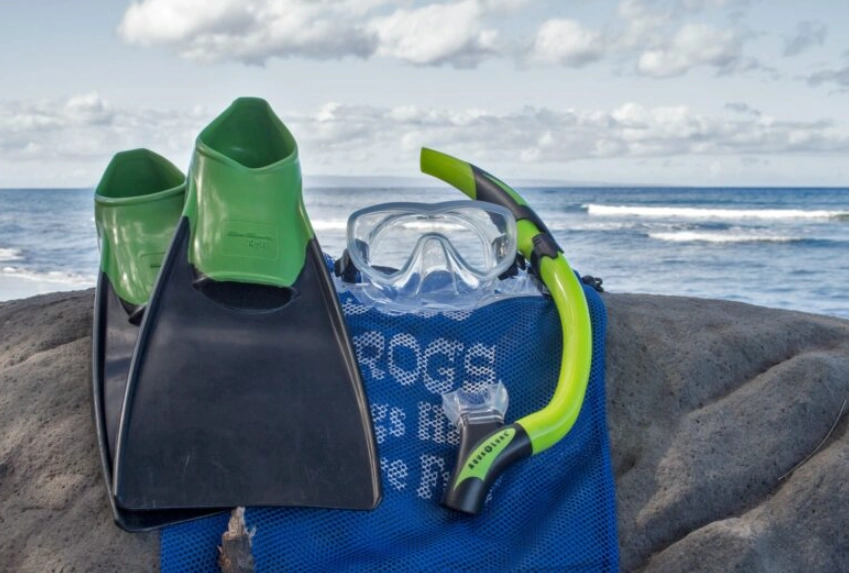
4. Materials & Build Quality
Look for medical-grade or soft silicone for the mask skirt—it's hypoallergenic and molds to your face. The lens should be tempered safety glass. Fins should be flexible but have a stiff enough blade to provide propulsion without cramping your legs.
5. Travel & Storage Practicalities
Are you throwing this in a suitcase? A compact, lightweight set is key. Some masks come with protective cases. Consider if the fins are travel-sized (shorter blades).
Top Floating Snorkel Sets: Hands-On Reviews
Based on the checklist above, here are my top recommendations for different types of snorkelers. I've used or rigorously tested each of these.
| Set Name & Model | Best For | Key Features & Why It Stands Out | Considerations |
|---|---|---|---|
| Cressi Palau Short Snorkel Set | The Traveler & First-Timer | My top all-around pick. The mask fits a wide range of faces, the dry snorkel works flawlessly, and the short fins are incredibly packable yet effective. The set feels high-quality without a luxury price tag. The mask's frame is low-volume, making it easier to clear if you dive down. | The color options are limited. The dry valve can occasionally stick if not rinsed properly after use in sandy water. |
| Aqua Lung Sport Snorkel Set | Comfort Seekers & All-Day Snorkelers | Exceptional mask comfort. The silicone is incredibly soft, and the skirt design minimizes pressure points. The dry snorkel has a large bore for easy breathing. The fins are responsive and comfortable for long periods. This set feels like it's made for extended use. | One of the pricier options on the list. The fins are full-sized, so they take up more luggage space. |
| US Divers Luxe Snorkel Set | Budget-Conscious Beginners | Offers the core dry snorkel feature and a decent mask at a very accessible price point. It's a reliable step up from the absolute cheapest sets. Good for occasional use or if you're unsure how much you'll snorkel. | The materials feel less premium (stiffer silicone). The dry valve mechanism is simpler and can be less reliable in choppy water compared to higher-end models. |
| TUSA Freedom Elite Paragon Set | Enthusiasts & Frequent Snorkelers | A premium, modular set. The mask has fantastic optics and a wide view. The dry snorkel (TUSA Hyperdry Elite) is one of the best-engineered on the market. You're buying top-tier components that can be replaced individually. This is a "buy it for life" tier for serious hobbyists. | Significant investment. Often sold as separate components, not always as a pre-packaged set. |
Pro Tips: Getting the Most From Your Floating Snorkel Set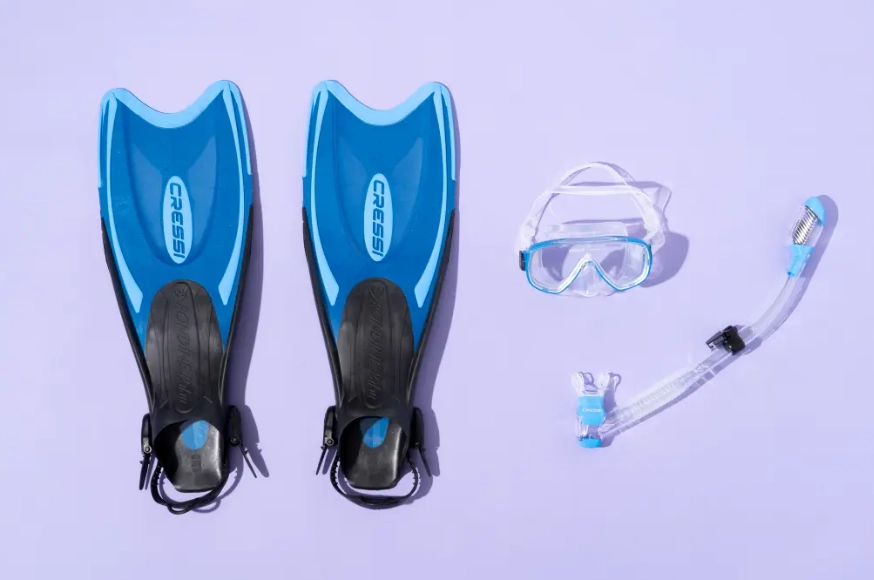
Owning good gear is half the battle. Using it right is the other half.
Defogging Your Mask (The Right Way): Spit, baby shampoo, or commercial defog. Apply a small amount, rub it over the inside of the lens, then give it a quick rinse in seawater—don't rub it off completely. The micro-layer left behind prevents fog. Never use toothpaste on a new mask; it's too abrasive for modern coatings.
Preventing Mask Leaks: Ensure the strap sits high on the back of your head, not around the base of your skull. Hair under the skirt is a major leak source. If you have a mustache, a tiny dab of silicone grease (food-grade) can help seal tiny gaps.
Breathing Technique: Breathe slowly and deeply through your mouth. A common mistake is rapid, shallow breathing, which can cause lightheadedness. The dry snorkel will make a soft "pop" or click when you submerge and surface—that's normal.
Maintenance: Rinse everything thoroughly with fresh water after every use, especially the dry snorkel mechanism. Sand and salt crystals are the enemies of moving parts. Store out of direct sunlight to preserve the silicone.
Floating Snorkel Set FAQ: Expert Answers
Can a floating snorkel set prevent drowning?
My dry snorkel lets in a tiny bit of water. Is it broken?
 How do I choose between a full-foot fin and an open-heel fin for my set?
Is an anti-fog coating on a mask worth it?
Why does my mask keep leaking even though it passed the fit test?
Reader Comments