You don't need to spend a fortune to have a great time snorkeling. The best budget snorkeling equipment isn't about finding the absolute cheapest gear—it's about finding gear that offers incredible value, performs reliably, and lets you focus on the fish, not your faulty mask strap. After testing dozens of sets over the years, I've found that the sweet spot for a complete, quality setup is between $60 and $120. Beyond that, you're often paying for marginal gains or fancy branding. Let's break down exactly what to look for and which models deliver where it counts.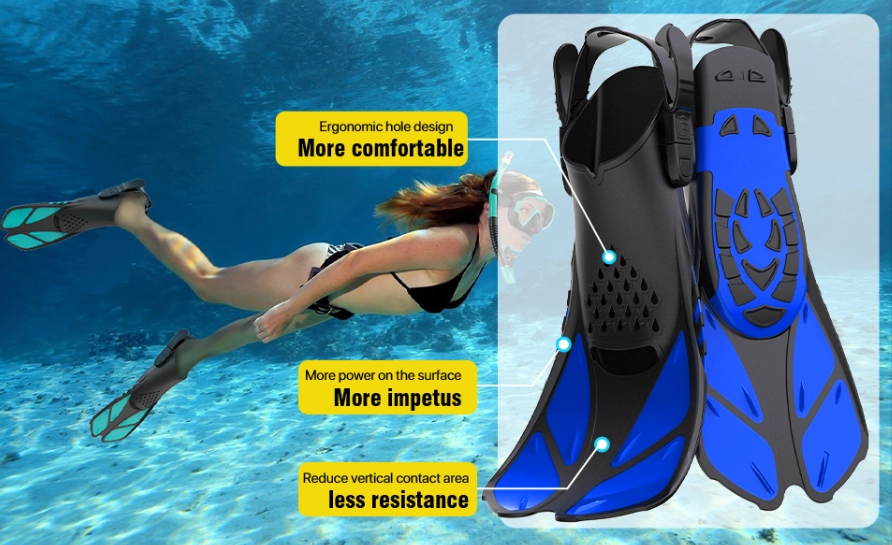
Your Quick Guide to Budget Snorkeling Gear
What Makes Snorkeling Gear 'Budget' But Good?
First, let's clear something up. A $25 full-face snorkel mask from an unknown brand isn't "budget"—it's a potential safety hazard. Good budget gear shares DNA with professional gear but makes smart compromises.
It uses tempered glass (never plastic lenses), a silicone skirt (for a proper seal), and a simple, dry-top snorkel. The savings come from polycarbonate frames instead of ultra-premium materials, less fancy color options, and simpler packaging. The core functionality—seeing clearly, breathing easily, and moving efficiently—is intact.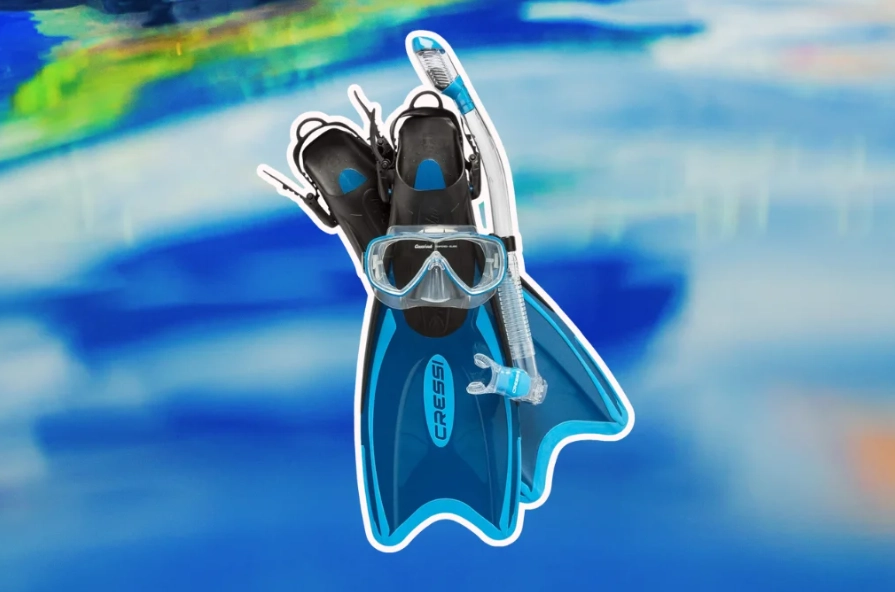
Our Top Picks for Budget Snorkeling Gear
These recommendations are based on personal use, extensive community feedback, and long-term durability tests. I've prioritized sets and individual pieces that solve specific problems for snorkelers on a budget.
Best All-Around Budget Snorkel Set
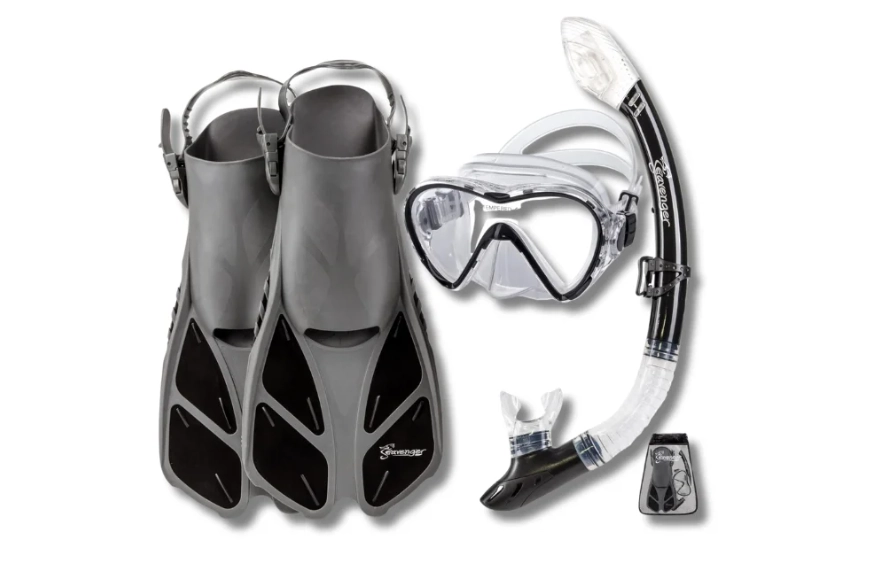
The Cressi Palau SAF Set consistently hits above its weight class. For around $70-$85, you get a mask with a wide field of view, a comfortable dry snorkel that really works to keep water out, and adjustable, open-heel fins. It's the Honda Civic of snorkeling sets—reliable, no-fuss, and it will last for years of casual use. The mask fits a wide variety of face shapes, which is its biggest selling point.
Best Budget Mask for Glasses Wearers / Prescription Needs
If you need vision correction, the TUSA Liberator Plus mask (around $55) is a game-changer. It accepts custom prescription lenses that you can order from companies like Prescription Dive Masks. The alternative—wearing contacts or a blurry world—ruins the experience. Investing in a mask that accepts lenses is the single biggest upgrade a vision-impaired snorkeler can make, and this is the most affordable quality platform to do it on.
Best Budget Fins for Travel & Power
Forget those short, stiff "travel fins." The U.S. Divers Proflex Fins (about $35-$45) are a secret weapon. They're longer than most budget fins, providing excellent propulsion with less effort. The blade has just the right amount of flex for a natural kick. They're also lightweight and don't eat up suitcase space. I've used these alongside fins costing three times more and often prefer them for relaxed reef snorkeling.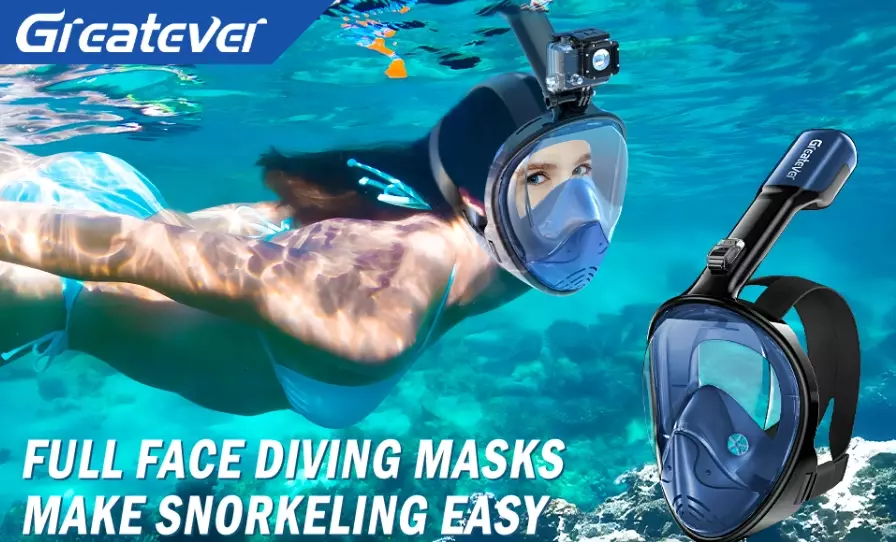
| Gear Type | Top Budget Pick | Price Range (USD) | Best For | Key Thing to Know |
|---|---|---|---|---|
| Complete Set | Cressi Palau SAF Set | $70 - $85 | First-time buyers, all-around value. | Excellent fit for most faces. Dry snorkel is effective. |
| Mask Only | TUSA Liberator Plus | $50 - $60 | Snorkelers who need prescription lenses. | Accepts custom optical inserts. Very low volume. |
| Fins Only | U.S. Divers Proflex Fins | $35 - $45 | Travelers wanting efficient kicks. | Longer blade = better propulsion. Surprisingly packable. |
| Snorkel Only | Cressi Supernova Dry Snorkel | $20 - $30 | Upgrading a basic J-tube snorkel. | Simple dry-top mechanism. Flexible tube reduces jaw fatigue. |
| Value Add-On | Neoprene Fin Socks (3mm) | $15 - $25 | Anyone using open-heel fins. | Prevents blisters, adds warmth, improves fit. Essential buy. |
How to Choose a Budget Snorkeling Mask
The mask is your window. A leaky one makes the whole trip miserable. Here’s how to pick a winner without trying on 20 models.
Step 1: The Suction Test (Do This First). Place the mask on your face without putting the strap over your head. Gently inhale through your nose. A good mask will stick to your face on its own, even when you let go with your hands and look down. If it falls immediately, the skirt isn't sealing—try another model or size.
Step 2: Check the Field of View. Look for a mask with lenses close to your eyes (low volume) and minimal frame obstruction. The Cressi Frameless masks or the TUSA Liberator mentioned above are great examples. You want to see the turtle to your left, not just the black edge of your mask frame.
Step 3: Skirt Material & Nose Pocket. Ensure the skirt is 100% silicone. It's softer, more durable, and hypoallergenic than cheaper PVC or rubber. Pinch the nose pocket. Can you easily equalize your ears (pinch your nose and gently blow)? If it's too stiff or cramped, it'll be annoying.
Avoid masks with built-in "GoPro mounts" or other gimmicks in this price range. That money went into the mount, not the seal or the glass.
How to Choose a Budget Snorkel & Fins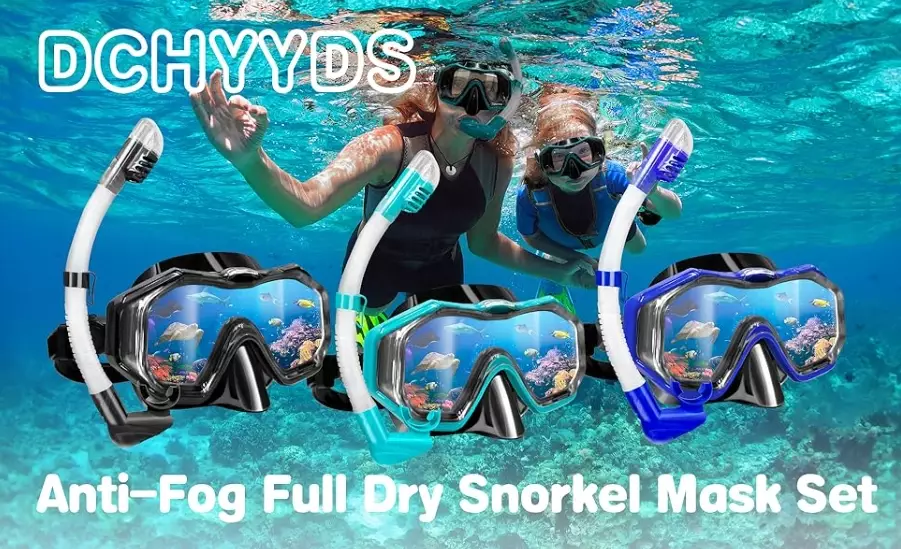
Snorkels: Keep It Simple
A semi-dry or dry-top snorkel is the only type to consider. It has a simple splash guard or valve at the top to keep out most surface water. Purge valves at the bottom are helpful but not essential. The tube should be flexible near the mouthpiece to reduce jaw strain. Avoid complex full-face masks for safety reasons highlighted by organizations like DAN (Divers Alert Network) regarding CO2 buildup risks.
Fins: Fit and Flex Over Features
For snorkeling, open-heel fins with adjustable straps are superior to full-foot pocket fins. Why? You can wear them with neoprene socks (preventing blisters), and they fit a wider range of foot sizes. Look for a blade with progressive flex—stiffer at the base for power, more flexible at the tip for a fluid kick. Don't get sucked into "channel" or "split-fin" tech at this price point; a well-designed paddle fin is more reliable.
My personal rule: If the fins feel like rigid planks or floppy noodles in the store, they'll be worse in the water.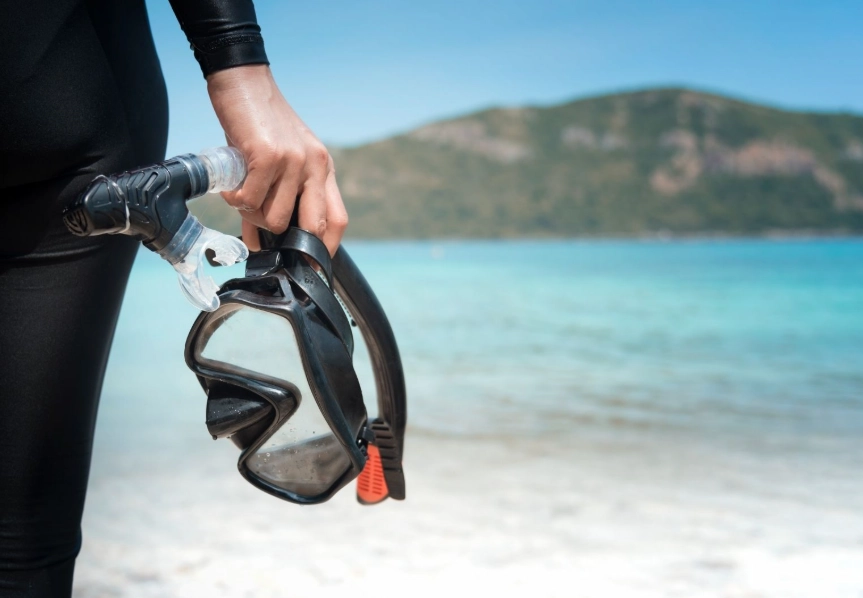
The Budget Buyer's Guide & Final Checklist
Before you click "buy," run through this list. It consolidates everything into actionable steps.
- Set Your Total Budget: Aim for $80-$120 for mask, snorkel, fins, and socks. This range excludes junk and includes quality.
- Prioritize the Mask: Allocate the most of your budget here. A perfect seal is non-negotiable.
- Buy Neoprene Socks: Seriously, just add the 3mm socks to your cart. They cost little and improve comfort dramatically.
- Check for Tempered Glass: Look for the marking on the lens. If it's not there, assume it's unsafe plastic.
- Consider a Defogger: Skip the expensive sprays. A $5 bottle of baby shampoo or a simple spit-and-rinse does the same job.
- Skip the "Extras" Bag: Most bundled mesh bags are flimsy. Use a reusable shopping bag or a dedicated dry bag for your gear.
Where to buy? I've had good luck with LeisurePro for customer service and Amazon for fast shipping and easy returns (crucial for mask fitting). Always check the return policy for masks.
Your Budget Snorkeling Questions Answered
Can I really get a good snorkel set for under $50?
You can get a *functional* set, but "good" is a stretch. At that price, you're almost certainly getting a mask with a PVC skirt (which degrades and hardens in the sun) and basic fins that are uncomfortable. It's a false economy. Stretching to the $70-80 range for a known brand like Cressi, U.S. Divers, or Subea makes a monumental difference in comfort, safety, and longevity. Think of it as a one-time investment for years of use.
Is a dry snorkel worth the extra money over a simple J-shaped one?
For 95% of snorkelers, yes. A J-tube (the basic open tube) lets in every wave splash, requiring you to forcefully exhale to clear it. A dry-top snorkel has a simple float valve that seals the tube when submerged. It prevents most water entry, making the experience more relaxed, especially for beginners. The cost difference is usually $10-$15, and it's one of the most worthwhile upgrades you can make.
 How important are fins for a beginner snorkeler?
More important than most think. Bad fins force you to kick harder, leading to leg cramps and exhaustion, which can cut your snorkel short or even create a safety issue if you're tired far from shore. Good budget fins, like the ones recommended, move you efficiently with less effort, conserving your energy so you can enjoy the scenery longer. Don't treat them as an afterthought.
What's the one piece of budget gear most people regret buying?
The ultra-compact "travel" fin that's about the size of your foot. They're marketed as space-savers, but they provide almost no propulsion. You'll flutter your legs like a hummingbird and go nowhere, burning energy and getting frustrated. It's better to get slightly longer, properly designed fins—the modern ones are still lightweight and don't take up much more room.
How can I make my budget gear last longer?
Rinse everything with fresh water after every use, especially after ocean swimming. Salt and sand are the enemies of silicone, straps, and moving parts. Let it air dry in the shade, never in direct sunlight. UV rays break down silicone and plastic faster than anything. Store your mask in its protective box to keep the skirt from getting creased or deformed. Simple care doubles the life of your equipment.
Reader Comments