I've been spearfishing for over a decade, and I can tell you the single most common mistake I see beginners make. It's not their aim or their breath-hold. It's underestimating what's on their hands. Your spearfishing gloves are your first and last line of defense. They're not just for warmth; they're for preventing a day on the water from turning into a trip to the emergency room. A bad cut from a sharp reef, a sting from a hidden urchin, or a slip with a knife can end your season. This guide isn't about listing products. It's about giving you the knowledge to choose, use, and care for your gloves like a pro, so you can focus on the hunt, not on your hands.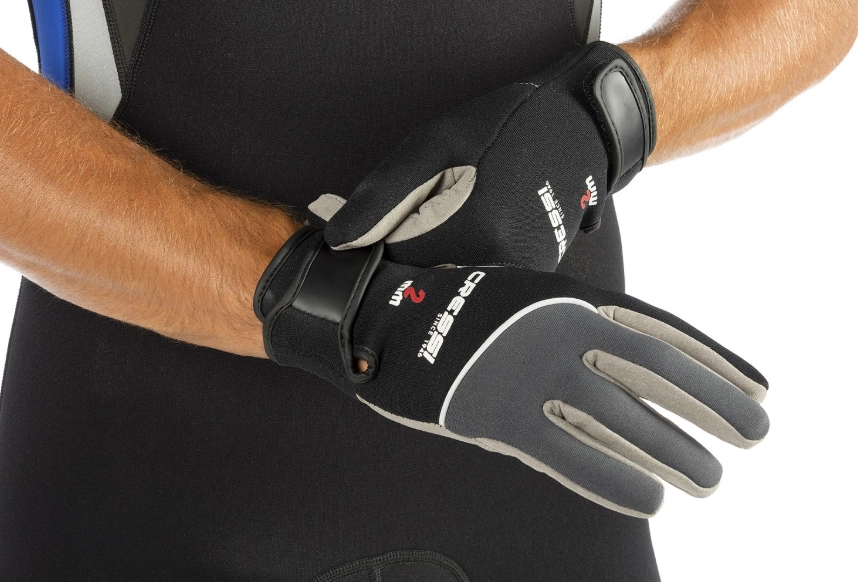
Your Quick Dive into This Guide
How to Choose the Right Spearfishing Gloves
Walking into a dive shop or browsing online can be overwhelming. You see different thicknesses, colors, and materials, all claiming to be the best. Let's break down the decision into four concrete factors. Forget brand names for a second. Think about these.
Material: It's Not Just "Neoprene"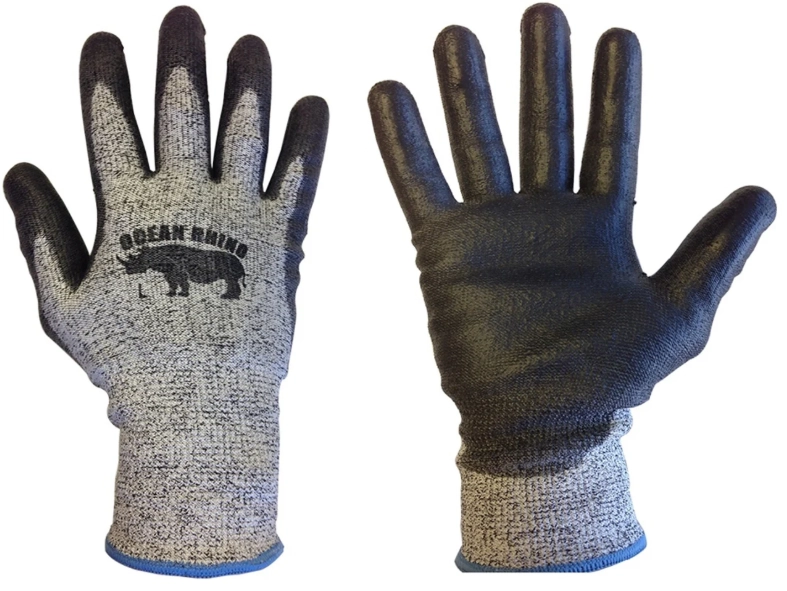
Most gloves are made from neoprene, but the quality varies wildly. You have standard neoprene, which is fine for casual use, and then you have high-density or "smoothskin" neoprene. The latter is more abrasion-resistant and feels less spongy when wet. It's worth the extra $10-$20. Some gloves now use chloroprene blends or Yamamoto neoprene, which are even more flexible and durable. I made the mistake of buying the cheapest pair my first year. The seams started fraying after two months near the rocky California coast.
Then there's the lining. A nylon lining makes them easier to put on and off when your hands are damp. An open-cell lining (soft, fleece-like interior) offers superior warmth but can be a nightmare to get on without lubricant (pro-tip: a bit of diluted shampoo or baby powder works).
Thickness: The Goldilocks Principle
Thicker isn't always better. It's a trade-off between warmth and dexterity.
- 1.5mm - 2mm: Ideal for tropical waters (78°F/26°C and above). You'll have fantastic finger feel for loading your speargun or handling small fish.
- 3mm: The sweet spot for most divers. Suitable for temperate waters (60°F - 77°F / 16°C - 25°C). Provides a good balance of warmth and tactile sensitivity. This is my go-to thickness for 90% of my dives.
- 5mm: For cold water. Your fingers will be warmer, but you'll lose significant dexterity. Manipulating a speargun safety or tying a line becomes a clumsy affair. Only go this thick if you genuinely need the insulation.
Fit: Snug, Not Strangling
This is where people mess up. Gloves should fit like a second skin—tight enough that there's no loose material to flap or create drag, but not so tight that they cut off circulation. Your hands will swell slightly in the water and after a dive. A good test? Put them on when they're dry. Make a fist. You should feel slight pressure across your knuckles, but no pinching. The fingertips should be snug without curling under. If there's excess material at the tip, you'll constantly be fumbling.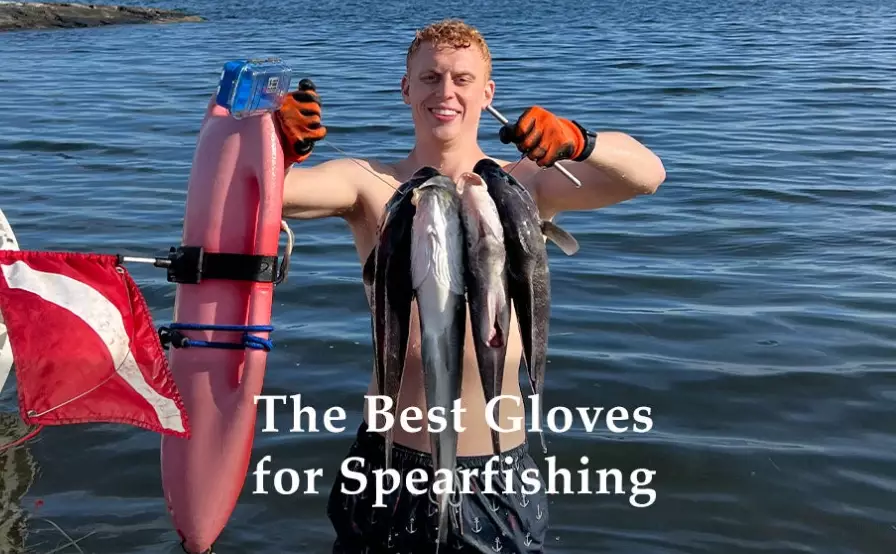
My Personal Rule: If you're between sizes, size up for 5mm gloves (for comfort), and size down for 1.5-3mm gloves (for precision). A slightly loose thin glove is useless; it will fill with water and get caught on everything.
Additional Features: The Game Changers
Look at the details. A Kevlar or Dyneema lining on the palm and fingers is a revelation. It adds incredible cut resistance when handling fish, lines, or your knife. It's the difference between a glancing scrape and a deep gash. Some gloves have reinforced padding on the back of the hand and knuckles for crawling over reefs. A secure wrist closure—like a velcro strap or a tight elastic seal—is critical to prevent sand, shell fragments, and cold water from flushing in.
Here’s a quick comparison of the primary materials and their trade-offs:
| Material / Feature | Best For | Key Advantage | Potential Drawback |
|---|---|---|---|
| Standard Neoprene (3mm) | Beginners, warm water diving | Affordable, widely available | Less durable, can feel bulky |
| Smoothskin / HD Neoprene | All-around performance, reef diving | Excellent abrasion resistance, sleek feel | Higher cost |
| Kevlar/Dyneema Palm | Handling fish, working with lines & knives | Superior cut/puncture protection | Adds stiffness, reduces "feel" slightly |
| Open-Cell Lining | Cold water spearfishing | Unmatched warmth retention | Difficult to don/doff, requires care |
| Nylon Lining | Easy on/off, frequent use | Convenient, dries faster | Less warm than open-cell |
What Are the Key Features to Look For?
Beyond material and fit, these are the functional aspects that separate good gloves from great ones. Think of them as your checklist.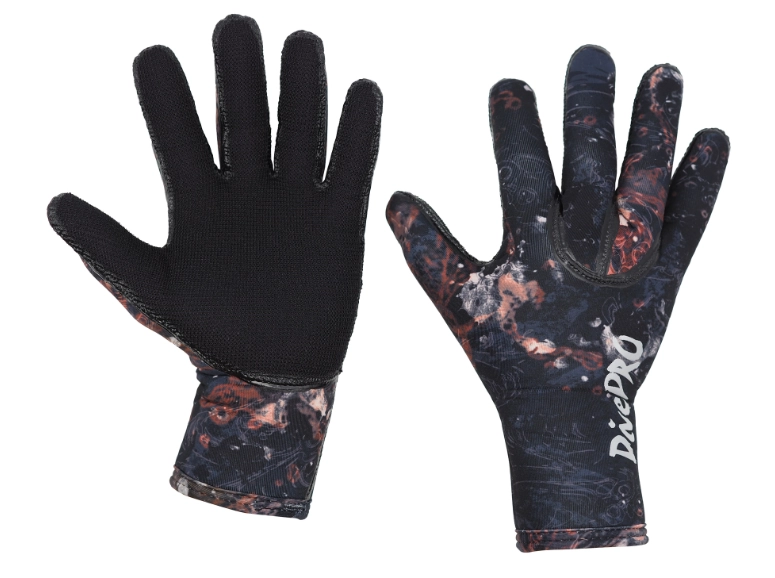
Protection: Where It Counts
Protection isn't uniform. The palm and the inside of the fingers need cut resistance (hence Kevlar). The back of the hand and knuckles need abrasion resistance for crawling. The fingertips, especially the index finger and thumb, need extra reinforcement if you're frequently loading a speargun. I once saw a buddy tear a fingertip open on a rough trigger mechanism. A simple patch of thicker rubber there would have prevented it.
Flexibility and Feel
You need to feel your speargun, your float line, and the reef. Stiff gloves are dangerous gloves. The best test is to mimic the motions you'll do underwater: pinching your thumb and index finger together, making a tight grip, and spreading your fingers. Any binding or restriction is a red flag.
Warmth vs. Water Flow
This is a subtle point. A completely watertight seal at the wrist is impossible and undesirable. A small amount of water will enter, heat up to your body temperature, and act as an insulating layer. But too much flushing—like when you raise your arm—saps heat. A good glove has a snug enough wrist to minimize this flushing without cutting off circulation.
Grip When Wet
Look at the palm texture. A patterned, rubbery grip is essential. A smooth palm becomes a liability when trying to hold onto a slippery fish or pull yourself along a rope. Some gloves have silicone print patterns that work exceptionally well.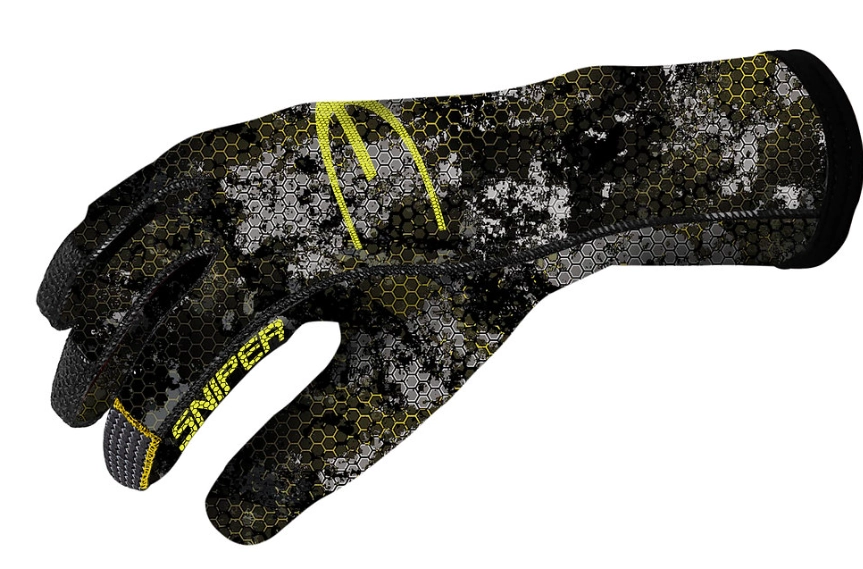
How to Use Your Gloves Properly (Beyond Keeping Warm)
You've got the right pair. Now, use them to their full potential. Most divers don't.
Pre-Dive Check: Before you even get in the water, run your fingers over the seams, especially between the fingers. Look for any nicks, loose threads, or thin spots. A small tear will become a big one under pressure.
Handling Your Catch: This is where your gloves earn their keep. When you grab a fish, use a firm, full-palm grip behind the gills, not a fingertip grab. The Kevlar palm should handle the scales and spines. For spiny fish like lionfish or scorpionfish, you still need extreme caution—gloves are not impenetrable. Resources like the Florida Fish and Wildlife Conservation Commission provide great guides on handling invasive lionfish safely.
Working with Your Gear: Use your gloved hand to handle your shooting line, adjust your float, or pull yourself along your anchor line. It protects you from line cuts and jellyfish. When using a knife, the gloved hand is often the one guiding the fish or line, not the one holding the knife handle (which needs feel).
Environmental Awareness: Your gloves let you lightly touch the reef for stability without causing damage or getting cut. It's a delicate balance—use an open hand to brace, don't grab. Remember, sustainable spearfishing includes protecting the habitat. Organizations like Project AWARE emphasize the importance of non-destructive interaction with the underwater world.
The Non-Negotiable Maintenance Routine
Neglect this, and you'll be buying new gloves every year. I rinse mine more thoroughly than my speargun.
- Post-Dive Rinse: As soon as you're back, turn them inside out if possible. Rinse them inside and out with fresh, cool water. Salt crystals are abrasive and degrade neoprene. Sand trapped in the lining will grind away at the material.
- Drying: Never dry them in direct sunlight or on a heater. The UV rays and heat break down the rubber. Dry them inside out in a shaded, well-ventilated area. Stuffing the fingers with paper towels speeds up the process.
- Storage: Once completely dry, store them flat or loosely rolled. Don't fold them sharply or leave them crumpled in a bag. This sets permanent creases that become weak points.
- Minor Repairs: A small tear or loose seam? Don't ignore it. Use a neoprene cement or aquaseal. Clean the area, apply a thin layer, and hold it together with a clamp or tape until it cures. It's a 10-minute fix that adds months of life.
Think of maintenance as part of the dive. It takes five minutes and doubles the lifespan of your gear.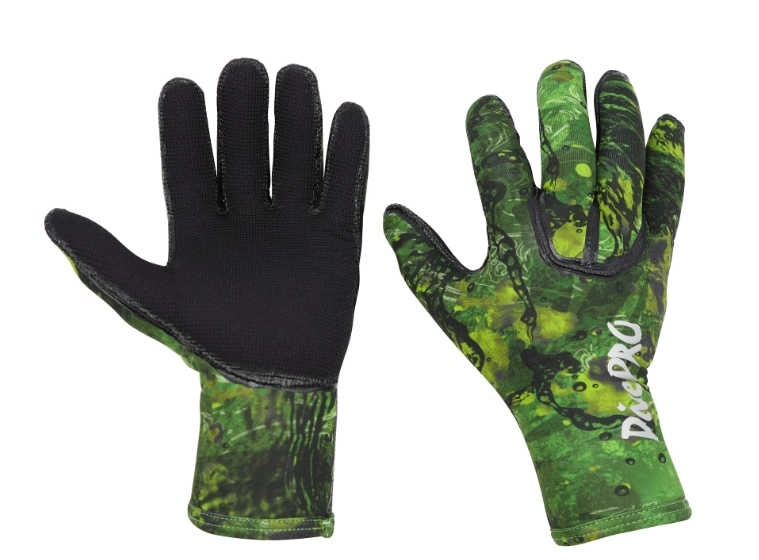
Your Spearfishing Gloves Questions, Answered
 Can I just use my old surfing or diving gloves for spearfishing?
Reader Comments