You're packing for a tropical trip, pull out your snorkel mask, and find the lens scratched or the strap brittle. My first thought used to be "time to buy a new one." After a decade of snorkeling everywhere from Thailand to the Great Barrier Reef, I've learned that's often a waste. Snorkel mask replacement parts can fix most issues, saving you cash and keeping your favorite gear alive.
What's Inside This Guide
Why Snorkel Mask Replacement Parts Actually Matter
Think of your mask like a car. You wouldn't junk it over a flat tire. Same here. Replacing parts extends the mask's life, often for under $30. It's eco-friendly—less plastic in landfills. And fit matters. A new mask might not seal as well as your broken-in one. I've seen folks buy new gear only to deal with leaks because the frame shape doesn't match their face.
Manufacturers like Cressi and TUSA sell spare parts directly. It's not always advertised, but a quick search on their sites reveals lenses, straps, even tiny valves.
Common Snorkel Mask Parts That Need Replacement
Not all parts wear out equally. Here's what goes first, based on my experience and chats with dive shop technicians.
Lenses: The Window to the Underworld
Scratches are the big one. They happen from sand, improper cleaning, or just age. A scratched lens ruins visibility and causes fogging. Tempered glass lenses can be replaced if the frame allows it. Some masks have bonded lenses that are harder to swap—check your model's manual.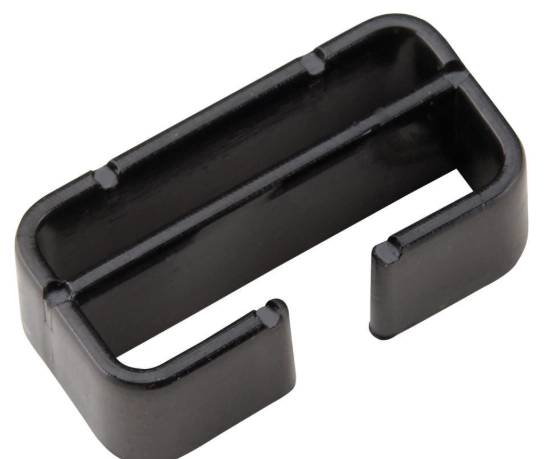
Plastic lenses scratch easier but are cheaper to replace. I prefer glass for clarity, but it's heavier.
Straps and Buckles: The Holders
Silicone straps degrade. Sunscreen, salt, and time make them stiff or sticky. A brittle strap can snap mid-dive. Buckles crack, especially the adjustment clips. Generic straps work, but OEM parts ensure a snug fit. I had a strap fail in Hawaii—not fun when you're floating over coral.
Valves and Purge Systems: For Easy Breathing
Purge valves at the bottom let you clear water. Their silicone flaps wear out, causing leaks. It's a small part, but critical. If water pools in your mask constantly, check the valve. Replacement kits are usually under $15.
The Skirt: The Silent Leaker
This is the soft part that seals against your face. It gets tiny tears or loses flexibility. A worn skirt causes slow leaks you might blame on fit. Replacing it can feel like getting a new mask. Most skirts are interchangeable within a brand, but measure the thickness.
| Part | Typical Cost | How Often to Check | DIY Difficulty |
|---|---|---|---|
| Lens (tempered glass) | $20 - $40 | Every season | Medium (needs care) |
| Silicone Strap | $10 - $25 | Annually | Easy |
| Purge Valve Kit | $8 - $15 | If leaking | Easy |
| Skirt Seal | $15 - $30 | Every 2-3 years | Medium |
That table gives a rough idea. Prices vary by brand. For example, a Cressi lens might cost $30, while a no-name one is $15 but might not fit perfectly.
How to Choose the Right Replacement Parts
Don't just grab any part. Match it to your mask model. Here's my process.
First, find the model number. It's usually inside the frame or on the packaging. Search "[model number] replacement parts" on the manufacturer's website. If that fails, measure. For straps, note the buckle width—20mm is common. For lenses, check the shape: round, oval, or dual-pane.
Material matters. Silicone comes in different grades. Soft silicone skirts seal better but tear easier. I lean toward original parts for critical components like lenses. For straps, aftermarket ones can be fine if they have good reviews.
One tip: buy from reputable dive shops or direct from makers like Aqua Lung. Avoid random eBay listings unless you know the seller. I got a fake lens once that distorted my vision—lesson learned.
Consider a repair kit. Brands like Scubapro sell kits with multiple spares. Great for frequent snorkelers or if you're traveling remote.
Step-by-Step Guide to Replacing Snorkel Mask Parts
Let's get practical. Here's how to swap parts without breaking anything.
Replacing a Lens:
- Clean the mask frame thoroughly. Any debris can cause leaks.
- Most lenses are held by a silicone gasket or a plastic retainer. Gently pry it off with a plastic tool—no metal to avoid scratches.
- Pop the old lens out. Insert the new one, ensuring it sits evenly.
- Press the gasket back. Test for leaks in a sink before using.
I messed this up the first time by forcing the lens. Go slow. If the frame feels rigid, warm it slightly with a hairdryer to soften the silicone.
Swapping a Strap:
- Detach the old strap from the buckles. Usually, it slides out.
- Thread the new strap through, following the same path.
- Adjust the length before securing. Leave some slack for your head.
Some masks have quick-release buckles. Note how they assemble—take a photo before disassembling.
Fixing a Purge Valve:
- Remove the valve cover, often a small screw or clip.
- Replace the silicone flap or whole valve unit.
- Reassemble and test by blowing air through it.
This is straightforward but easy to lose the tiny parts. Work over a towel.
A Personal Story: Rescuing an Old Mask
My favorite mask is a TUSA model I've had for eight years. Last year, the lens got a deep scratch from coral contact. Instead of replacing it, I ordered a $28 lens from TUSA's site. Took me 20 minutes to install. The mask feels new, and the fit is perfect—no breaking in needed.
Contrast that with a friend who bought a cheap replacement strap from a generic brand. It slipped constantly during a dive in Belize. He ended up buying a new mask anyway. Lesson: for critical parts, stick with quality.
Another time, I ignored a slowly leaking skirt. Thought it was my technique. Turned out the skirt had a tiny tear near the nose pocket. A $20 replacement fixed it. Now I inspect the skirt every season.
FAQ: Your Questions on Snorkel Mask Replacement Parts
Reader Comments