Quick Guide
Let's be real. Everyone's Instagram feed is full of perfect, turquoise-water shots from the Cayman Islands. Seven Mile Beach looks like a slice of paradise, and it is. But here's the thing they don't always tell you: timing is everything. Pick the wrong week, and your dream vacation can turn into an expensive, rainy, or frustrating ordeal. I've seen it happen. A friend of mine booked a "bargain" trip in September only to spend half of it watching hurricane updates from his hotel room. Not ideal.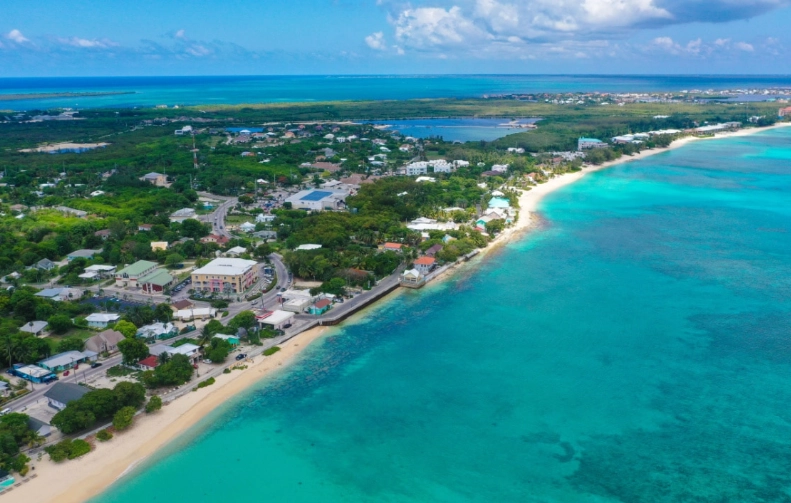
So, when exactly should you avoid the Cayman Islands? It's not just about one thing. It's a mix of weather patterns, local events, crowds, and your own personal tolerance for heat, rain, and other tourists. This guide isn't about bashing these beautiful islands; it's about giving you the honest, practical info you need to plan a trip you'll actually love. Because knowing when not to visit the Cayman Islands is just as important as knowing when to go.
The Absolute Worst Time: Atlantic Hurricane Season
This is the big one. The number one reason to seriously reconsider your travel dates. The official Atlantic hurricane season runs from June 1st to November 30th, with the peak activity historically occurring from mid-August through October. The Cayman Islands, sitting in the western Caribbean, are smack in the typical hurricane belt.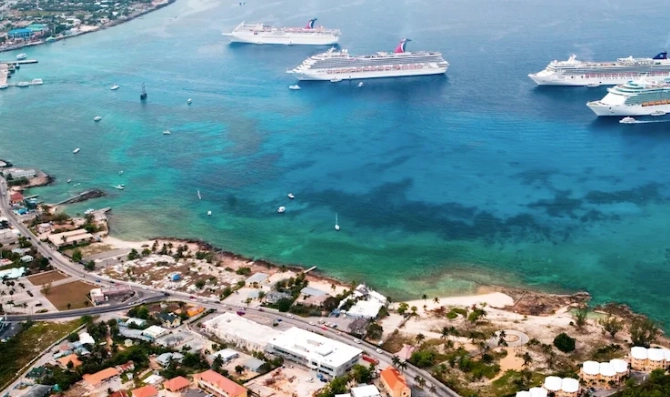
Now, let's be clear. A direct hit from a major hurricane is relatively rare for Grand Cayman in any given year. The islands have excellent infrastructure and preparedness. But "rare" doesn't mean "never." And even if a storm doesn't hit directly, it can completely disrupt your vacation.
What "Hurricane Season" Really Means for Your Trip
It's not constant storms. Most days in, say, September are actually quite nice. The problem is the uncertainty and the potential for severe disruption. Here’s what you're signing up for:
- Travel Chaos: Airlines may cancel or delay flights days in advance if a storm is projected to be near the islands. Getting off the island or getting on can become a nightmare.
- Activity Shutdowns: Boat tours, diving trips, fishing charters – anything on the water – will be canceled at the first sign of a tropical depression or storm. You could lose multiple days of booked (and paid-for) activities.
- Higher Anxiety: You'll be checking weather apps more than your sightseeing list. The constant vigilance can be stressful, which is the opposite of a vacation vibe.
- Tropical Weather: Even without a named storm, this period brings more frequent and intense rain showers, higher humidity, and overcast skies. The sea can also be rougher.
For the most authoritative and current storm information, always check the Cayman Islands National Weather Service and the U.S. National Hurricane Center. These are the official sources, not random weather apps.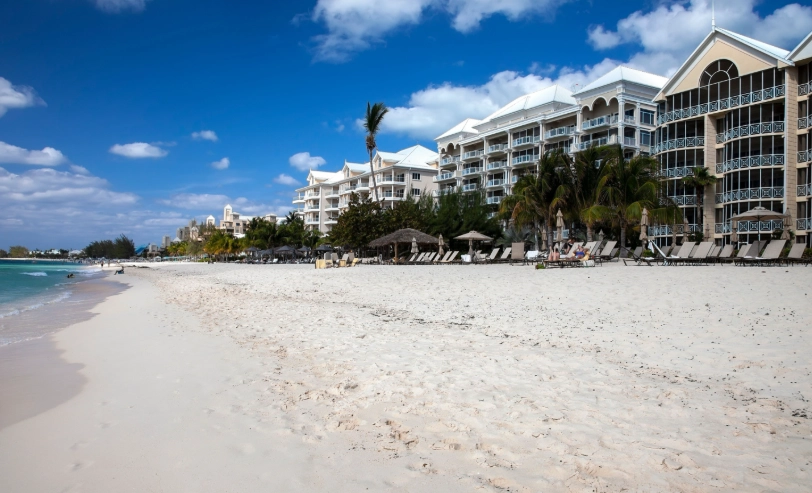
But What If I Have No Choice?
Maybe you have a conference, a wedding, or you truly found a deal you can't refuse. If you must travel during hurricane season:
- Buy Travel Insurance: And I mean comprehensive insurance that specifically covers "hurricane and weather-related trip cancellation/interruption." Read the fine print.
- Book Refundable Everything: Flights, hotels, car rentals, tours. It will cost more upfront, but it's your financial safety net.
- Have a Flexible Mindset: Be prepared to spend a day or two in your hotel room watching movies if the weather turns. Pack books, games, and patience.
The Wet & Humid Runner-Up: The Rainy Season (Late Spring & Fall)
This period often gets lumped in with hurricane season, but it's a bit different. Think of it as hurricane season's less dramatic but still annoying cousin. You're looking at May, June, November, and early December.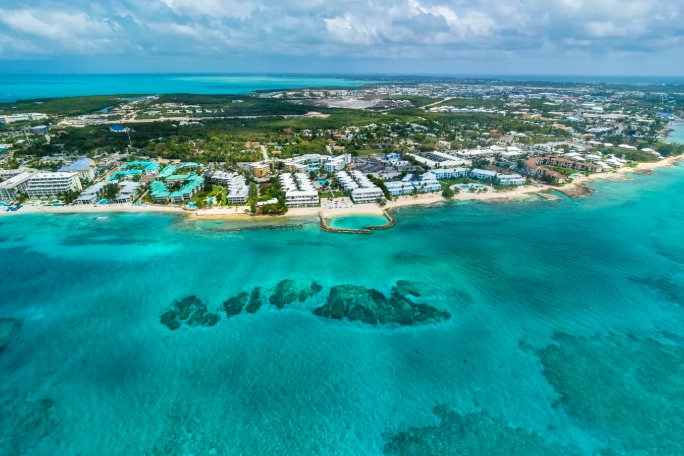
The rain isn't usually an all-day, grey-sky affair like in some climates. It's more about brief, intense tropical downpours that can pop up in the afternoon. They might last 30 minutes or a few hours. The sun often comes out afterwards. But here's the catch:
- Humidity is Sky-High: The air feels thick and heavy. If you're not a fan of that sticky feeling, you'll be uncomfortable just walking around.
- It Can Disrupt Plans: That afternoon snorkeling trip? Might get canceled or be a washout. A beach day can be interrupted.
- Mosquitoes Love It: Standing water after rains means more mosquitoes. Bring strong repellent.
So, is this a definitive "when not to visit the Cayman Islands" period? For some, yes. If your perfect vacation is guaranteed sunshine from dawn to dusk, avoid these shoulder months. If you don't mind working around some afternoon showers and want slightly lower prices, it can be a decent compromise. Personally, I find the humidity in June to be a real energy-sapper.
The Crowded & Expensive Times: Major Holidays & Events
Bad weather isn't the only thing that can ruin a trip. Sometimes, it's the sheer volume of other people and the skyrocketing prices. The Cayman Islands are a premier destination, and during peak times, they feel like it—in every sense.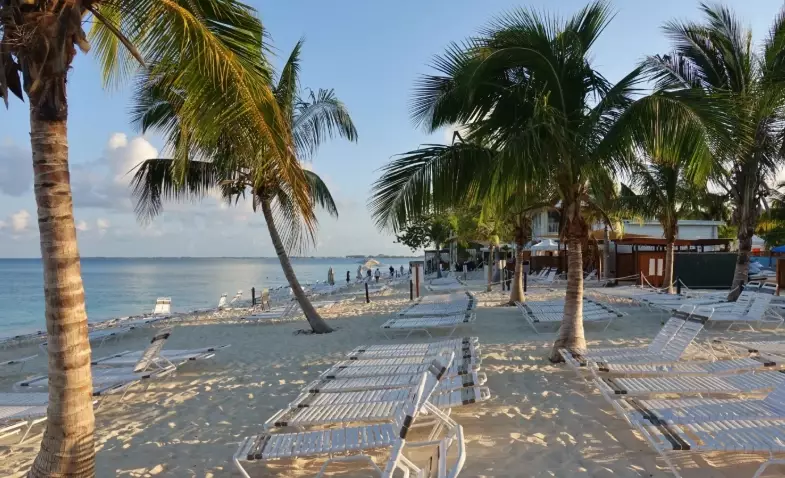
Top Crowd Crunch Periods to Consider Avoiding
- U.S. Winter Holidays (Mid-December through early January): This is the absolute peak. Christmas, New Year's, and the surrounding weeks. Hotels are at 100% capacity, flights are packed and pricy, and restaurants require reservations weeks in advance. Seven Mile Beach is bustling. If you love a vibrant, social scene and don't mind spending top dollar, it's magical. If you seek peace and quiet, it's a nightmare.
- U.S. Spring Break (March, especially late March): While Grand Cayman is more upscale and family-oriented than some Spring Break party islands, you'll still see a significant influx of students and families, leading to crowded flights, beaches, and attractions.
- Pirates Week Festival (Usually November): This is a fantastic, fun national festival with parades, competitions, and events. But it draws huge crowds. If you're not specifically coming for the festival, it means more traffic, fully booked smaller hotels, and higher noise levels in George Town. A classic case of knowing your goal: come for the festival, or plan around it.
- Major Sporting Events & Conferences: The islands host various international fishing tournaments, culinary events, and finance conferences. These can fill hotels in specific areas quickly.
Here’s a quick comparison to visualize the trade-offs:
| Time Period | Pros | Cons (Reasons to Avoid) | Verdict |
|---|---|---|---|
| Peak Season (Dec-Apr) | Best weather, low rain, all activities running. | Highest prices, biggest crowds, need reservations for everything. | Great if budget isn't primary and you plan ahead. |
| Hurricane Season Peak (Sep-Oct) | Lowest prices, fewest tourists. | High storm risk, frequent rain, activity cancellations, high humidity. | Clear time for when not to visit the Cayman Islands for most travelers. |
| Shoulder Season (May, Nov) | Lower prices, fewer crowds than winter. | Higher chance of rain/showers, very humid. | A calculated risk; good for flexible travelers. |
Other Niche Reasons to Pick a Different Time
Beyond weather and crowds, your specific interests might dictate a different answer to "when not to visit the Cayman Islands."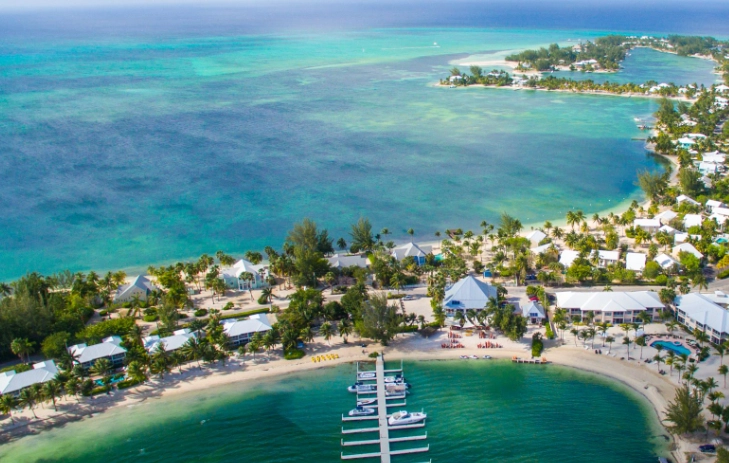
For Serious Scuba Divers
Diving is year-round. But visibility tends to be absolutely pristine during the summer and fall months (calmer seas, less runoff). Winter months can sometimes have choppier surface conditions and slightly reduced visibility, though it's still world-class. The real issue? If diving is your sole purpose, going during peak hurricane season risks having all your boat dives canceled. So the sweet spot is often late spring or late fall, outside the storm peak but with good water conditions.
For Budget Travelers
If your main goal is to save money, the worst time to visit is obviously the dry season winter months. You'll pay a premium for flights and hotels. The trade-off for cheaper rates in late summer/fall is, as we've discussed, weather risk. There's no truly perfect, cheap, and sunny time. You have to pick your priority.
For Peace and Solitude Seekers
Avoid holidays, spring break, and Pirates Week like the plague. You'll want to look at the shoulder months or even the early part of hurricane season (June, early July) when the storm risk is lower but the crowds have thinned. Some of the smaller Sister Islands (Cayman Brac, Little Cayman) are quieter year-round.
So, When IS the Best Time to Go?
It feels wrong to talk only about avoidance without giving the good options. Based on balancing weather, cost, and crowds, the consensus sweet spots are:
- Late April / Early May: The winter crowds have left, prices are dipping, and the weather is still largely dry and sunny before the full summer humidity sets in.
- Late November / Early December (before the holidays): The rainy season is tapering off, the Christmas rush hasn't begun, and you can often find decent rates.
But honestly, the "best" time is when your priorities align with the conditions. Use the official Cayman Islands Department of Tourism website to check their calendar of events and get a feel for what's on.
Your Practical Checklist Before Booking
Before you hit "confirm" on that booking, run through this list:
- Check the Calendar: Is it a major US/UK/Canadian holiday? Is Pirates Week happening?
- Check the Historical Weather: Look at rainfall and temperature averages for your specific month. Don't just look at the forecast for next week.
- Check for Events: A quick web search for "Grand Cayman events [Month] [Year]" can save you surprises.
- Price Compare: Compare flight and hotel prices for your desired week against the weeks before and after. A huge price drop often signals an off-peak period with a downside (like weather).
- Read Recent Reviews: Look at hotel or tour reviews from the same month in previous years. People often mention the weather.
Common Questions Answered
At the end of the day, figuring out when not to visit the Cayman Islands is a personal calculation. For me, the stress and potential disruption of peak hurricane season make it a firm no-go. I'd rather pay a bit more or go in a slightly rainier month for peace of mind. But you might be different.
The goal here is to arm you with the facts, the real-world downsides, and the alternatives. Because the Cayman Islands are incredible—white sand, crystal clear water, friendly people, amazing food. They deserve to be seen at their best, and you deserve a vacation that lives up to the hype. A little strategic timing is the secret ingredient to making that happen.
Hope this honest take helps you plan a truly fantastic trip.
Reader Comments