I remember my first time snorkeling with a regular J-shaped tube. The constant jaw fatigue, the mask fogging up every ten minutes, and that inevitable moment of panic when a small wave went right over the top of the tube and into my mouth. It was magical seeing the fish, but the gear felt like a constant battle. Then, a few years ago, I tried a full face snorkel mask on a trip to Hawaii. Breathing through my nose felt incredibly natural, and my view was panoramic. But halfway through, I noticed my breathing felt a bit… damp. That's when I learned the hard way that the answer to "is a full face snorkel better than a regular snorkel?" isn't a simple yes or no. It's a messy, nuanced choice that depends entirely on who you are and how you snorkel.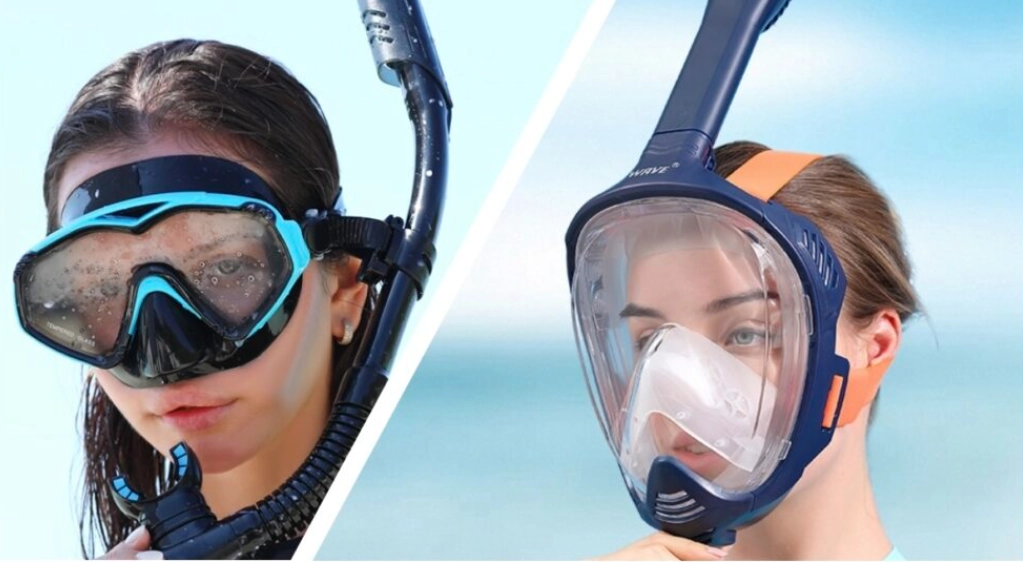
What's Inside This Guide
The Core Design Difference: It's More Than Just a Tube
Let's strip away the marketing. A regular snorkel (often called a traditional or J-snorkel) is a separate piece of gear. It's a tube with a mouthpiece that clips onto the strap of your diving mask. You breathe in and out through your mouth, and a simple splash guard or dry-top valve at the top tries to keep water out.
A full face snorkel mask is an integrated unit. It covers your entire face—eyes, nose, and mouth—sealing against your skin. You breathe normally through both your nose and mouth inside a sealed air chamber. The air intake and exhaust valves are typically positioned on top of the mask, and a sophisticated dry-top system is supposed to seal the airway if the mask gets submerged.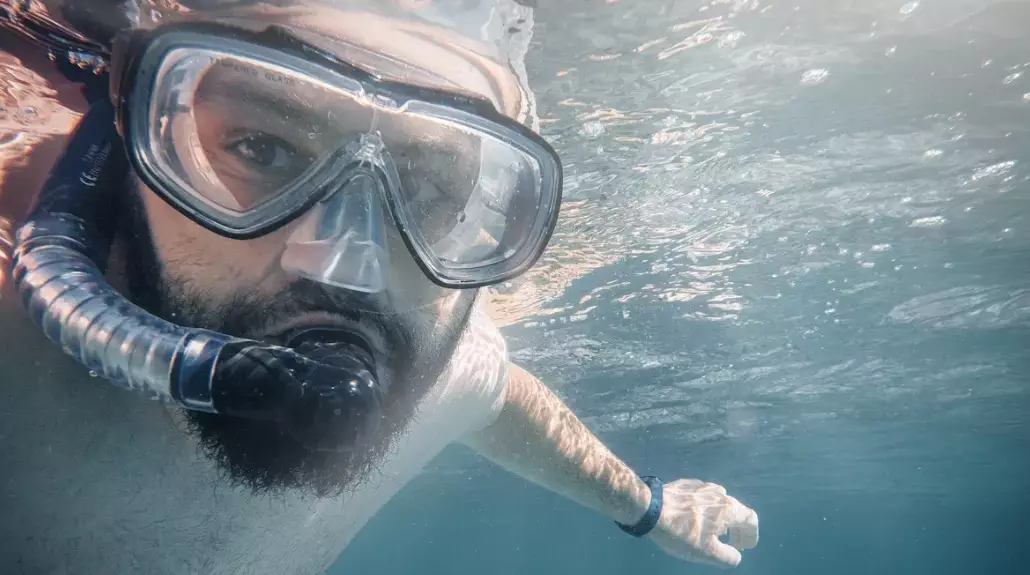
The fundamental shift is breathing physiology. With a regular snorkel, you're mouth-breathing, which can dry you out and feel unnatural. With a full face mask, the design promises natural, effortless breathing. But that promise hinges on a perfect seal and flawless valve operation, which is where things get tricky.
Head-to-Head: The Raw Pros and Cons
Forget the fluffy lists. Here’s the real, unvarnished breakdown based on hundreds of hours in the water and countless conversations with rental shop owners and instructors.
| Feature | Full Face Snorkel Mask | Regular Snorkel & Mask |
|---|---|---|
| Breathing Sensation | Pro: Feels incredibly natural and easy, especially for beginners or those with anxiety. No jaw fatigue. Con: Can lead to "over-breathing" and increased CO₂ buildup if the mask has poor airflow design or a weak seal. |
Pro: Direct, controlled airflow. The gold standard for freedivers and anyone doing surface dives. Con: Mouthpiece can cause fatigue, and some people simply hate the sensation. |
| Field of View | Pro: Panoramic, often 180-degree view. It's immersive and fantastic for sightseeing. Con: Peripheral vision can be distorted near the edges of the lens, affecting spatial awareness. |
Pro: Clear, accurate optics in a standard mask. You know exactly what you're looking at. Con: Tunnel vision compared to a full face mask. You have to turn your head more. |
| Fogging Issues | Pro: In theory, separating the breathing chamber should prevent fog. It often does… at first. Con: If any moisture gets into the lens chamber or the anti-fog coating wears off, it's a nightmare to clear while in the water. |
Pro: Easy to defog with spit or defogger before you go in. Simple to clear a flooded mask. Con: Will fog up periodically, requiring you to surface and clear it. |
| Fit & Seal | Pro: One strap to adjust. Con: A critical flaw. Must seal perfectly over a much larger, curvier surface area (forehead, cheeks, chin). Facial hair, unique bone structure, or even smiling can break the seal instantly, causing leaks and rendering the dry-top useless. |
Pro: Mask only needs to seal around the eyes and nose—a smaller, easier area. Separate snorkel fit is less critical. Con: Two pieces to fit and adjust. Mask strap can mess up hair. |
| Learning Curve | Pro: Almost zero for basic surface swimming. Put it on and breathe. Con: Teaches zero skills for clearing water. Creates a false sense of security that can be dangerous. |
Pro: Teaches fundamental snorkeling skills (clearing the tube, clearing the mask) that translate to scuba diving. Con: Higher initial hurdle. Learning to breathe through your mouth and clear water takes practice. |
The One Deal-Breaker Most Reviews Miss
Here's my non-consensus take after a decade: The biggest issue with full face masks isn't safety scaremongering—it's fit variability. A regular mask has maybe a 90% success rate for getting a good seal on a random face. A full face mask? Maybe 70%. If it doesn't fit you perfectly from the first try, it will leak, fog, and become a miserable, dangerous piece of plastic. You must try before you buy, which is almost impossible if ordering online.
Who Actually Wins? Matching the Snorkel to the Snorkeler
So, is a full face snorkel better? It depends. Let's match the gear to the person.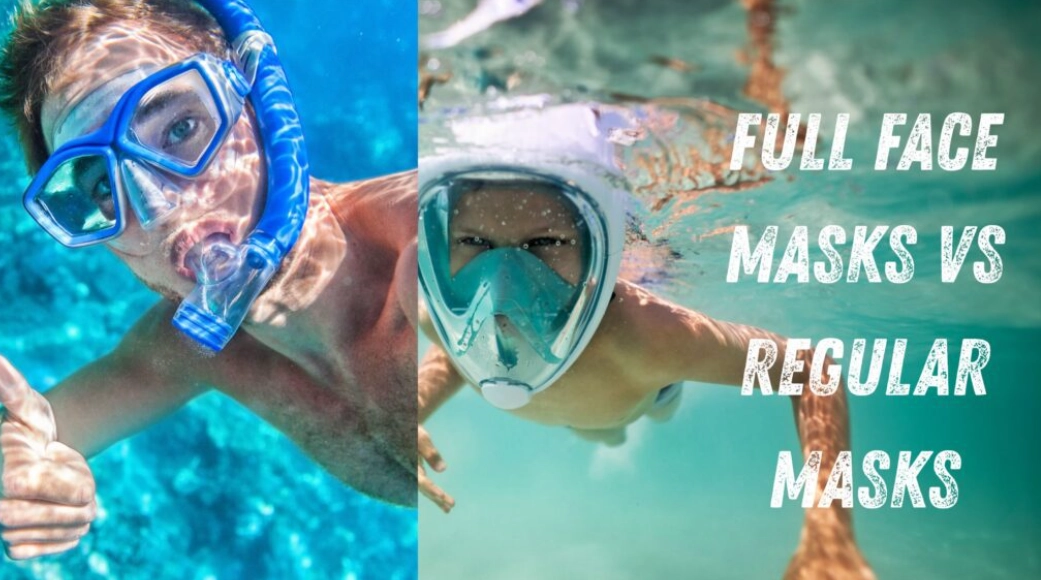
Choose a Full Face Snorkel Mask If:
- You are a total beginner who just wants to float and look at fish for 30-60 minutes in calm, protected water (think: resort cove, calm bay). The ease of use is unmatched.
- You have strong anxiety about breathing with your face in the water. The natural breathing can be a game-changer for overcoming that fear.
- You are snorkeling with young children (with a properly fitted, kid-sized mask). It simplifies the process immensely. But constant, direct adult supervision is non-negotiable.
- You have a face that fits a popular model perfectly. This is the wild card.
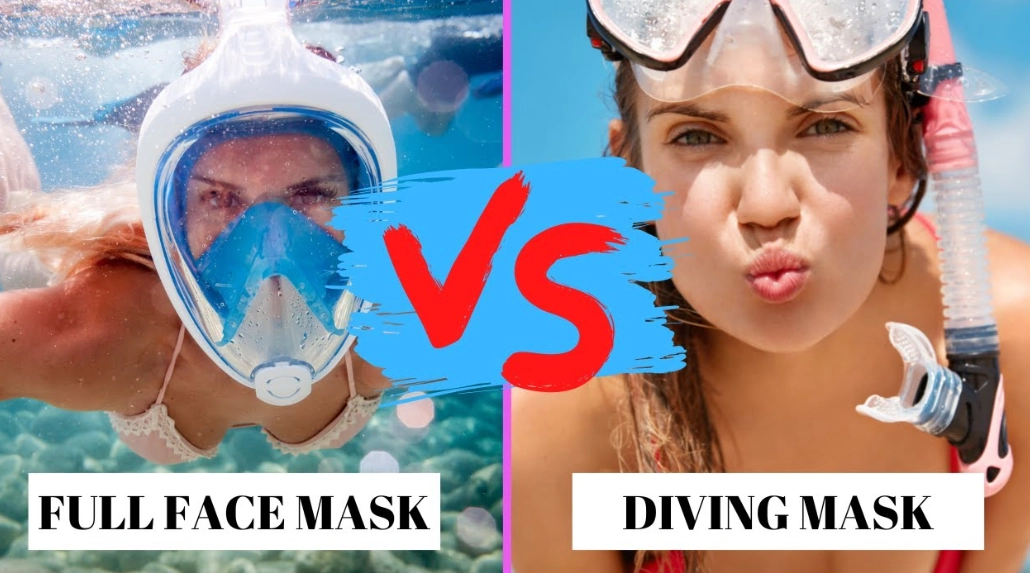 Stick with a Regular Snorkel & Mask If:
- You plan to do any freediving, duck diving, or swimming in choppier water. You need to equalize your ears (pinch your nose) and clear water easily.
- You have facial hair or distinctive facial features. The chance of a perfect seal plummets.
- You wear prescription lenses. While some full face masks offer optical inserts, the options are limited and expensive. With a regular mask, you can buy cheap, stick-on corrective lenses or get a custom optical mask from a company like Prescription Dive Masks.
- You value versatility and skill-building. The techniques you learn are foundational for any further water activity.
- You prioritize long-term durability and repairability. A regular mask and snorkel are simpler, with fewer failure points.
The Safety Talk Nobody Wants to Have (But Must)
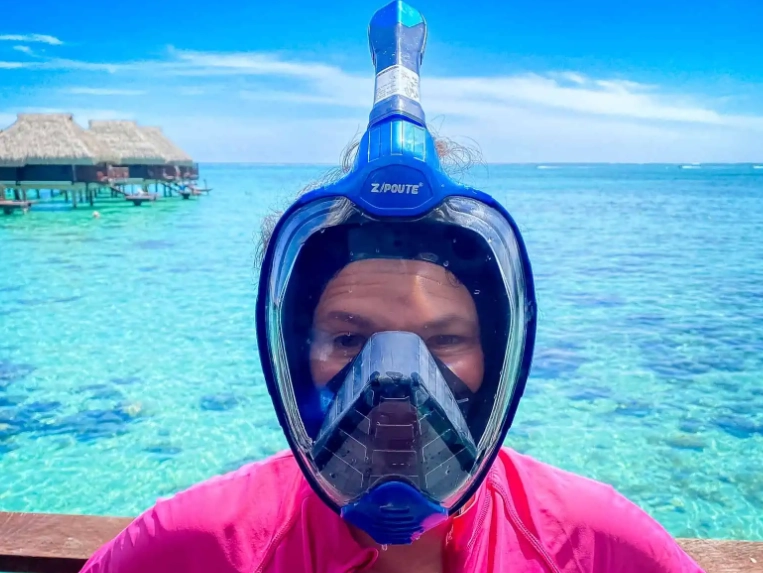 The internet is full of alarmist headlines about full face masks and CO₂ poisoning. The truth is more measured. Reputable brands design their masks with separate inhalation and exhalation channels to prevent air recycling. The real risk comes from user error and poor-quality knock-offs.
The more immediate safety concerns are practical:
You cannot equalize your ears. Need to dive down just a meter to see something better? With a full face mask, you can't pinch your nose to pop your ears. This limits you strictly to the surface.
Clearing a major leak is not intuitive. If a full face mask floods significantly, the procedure to clear it is not as instinctive as tilting your head and blowing out for a regular mask. Panic can set in faster.
It encourages overexertion. Because breathing feels so easy, new snorkelers can swim farther and harder than they should, not realizing they are building up fatigue until it's too late.
My rule: If you choose a full face mask, treat it as a leisure device for calm conditions, not as diving equipment. Always snorkel with a buddy, stay close to shore or your boat, and listen to your body.
Making Your Choice: A Simple Decision Framework
Stuck? Run through this list.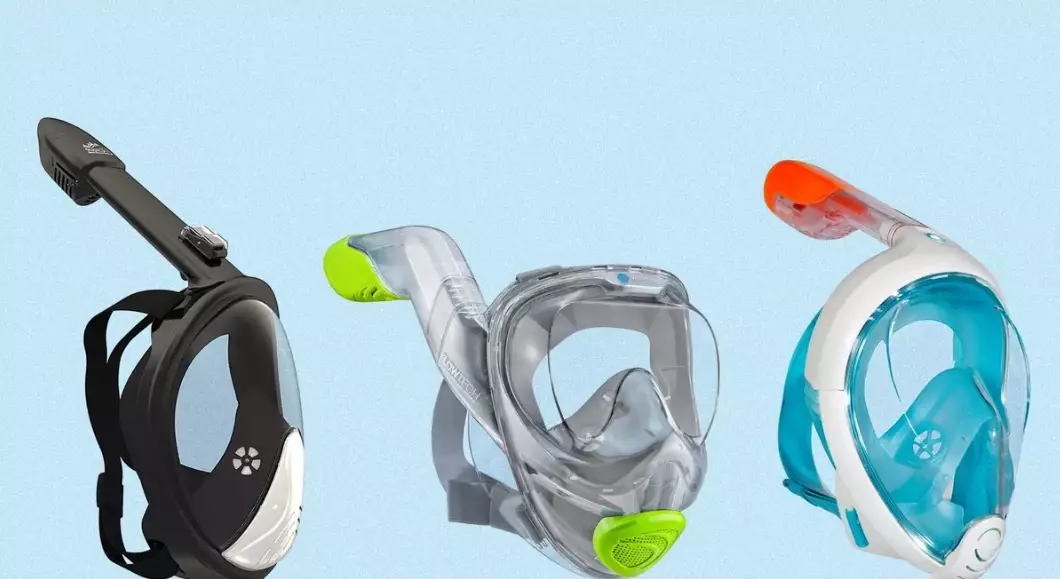
1. What's your primary goal? Effortless sightseeing from the surface? Full face mask wins. Active swimming, diving down, and learning skills? Regular snorkel.
2. Where will you use it 90% of the time? Calm, warm, resort waters? Full face might be fine. Ocean with waves, currents, or cooler water? The versatility of a regular setup is safer.
3. Can you try it on first? If you can't test a full face mask on your actual face, the risk of a bad fit is high. With a regular mask, you can test fit in a store by placing it on your face (without the strap), inhaling slightly through your nose, and seeing if it stays suctioned on.
4. What's your long-term plan? Is this a one-time vacation rental, or a piece of gear you'll use for years? For long-term use, investing in a high-quality regular mask that fits you perfectly is almost always the better investment.
Your Burning Snorkel Questions, Answered
I get seasick easily. Will a full face snorkel mask help or make it worse?
It can make it significantly worse for some people. The restricted airflow, potential for CO₂ buildup (even slight), and the panoramic view that includes the moving water surface right in front of your eyes can be a perfect storm for nausea. If you're prone to motion sickness, the open, familiar feeling of a regular snorkel and mask is often a safer bet. Take non-drowsy medication if needed.
Can I wear my glasses with a full face snorkel mask?
Absolutely not. There's no space, and it will break the seal. Your options are: 1) Use the optical lens inserts offered by some manufacturers (like SEAVIEW or Wildhorn). These are like generic prescription lenses that slide into the mask. They work okay if your prescription is simple. 2) For a better solution, stick with a regular mask. You can get affordable stick-on corrective lenses from brands like Prescription Snorkel Masks, or invest in a custom-made optical mask from a dive shop—it's a game-changer for clarity underwater.
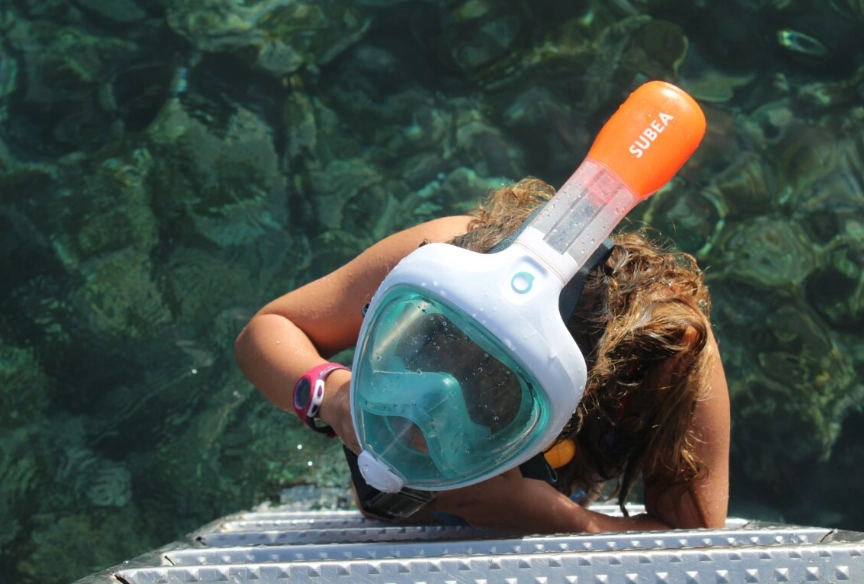 My full face mask fogs up constantly, even after using defogger. What am I doing wrong?
You're probably not doing anything wrong—this is a common design flaw in many models, especially as they age. The anti-fog coating on the interior lens wears off. More critically, if the seal between the breathing chamber and the viewing chamber is compromised (even microscopically), your moist breath will leak into the viewing area and fog it up. Once it starts, it's nearly impossible to fix in the water. Prevention is key: never touch the inside of the lens, rinse only with fresh water, and let it air dry. If it's a chronic issue, the mask itself might be defective or a poor fit.
Are full face snorkel masks banned anywhere?
They are not universally "banned," but many reputable snorkel and dive tour operators, particularly in Hawaii and other major destinations, have prohibited their use on guided tours. This is due to liability concerns from the safety issues we discussed and the higher incidence of accidents with inexperienced users. Always check with your tour operator before booking if you plan to bring your own full face mask.
What's the single most important feature to look for in a regular snorkel setup?
For the mask: Fit. Everything else is secondary. Go to a dive shop, try on every mask in your budget, and use the suction test (no strap, inhale through nose). The one that sticks comfortably is the one. For the snorkel: a simple dry-top or splash guard. Avoid overly complex purge valves at the bottom—they are just another thing to break. A comfortable, silicone mouthpiece is key. Brands like Cressi, Aqua Lung, and TUSA are consistently reliable.
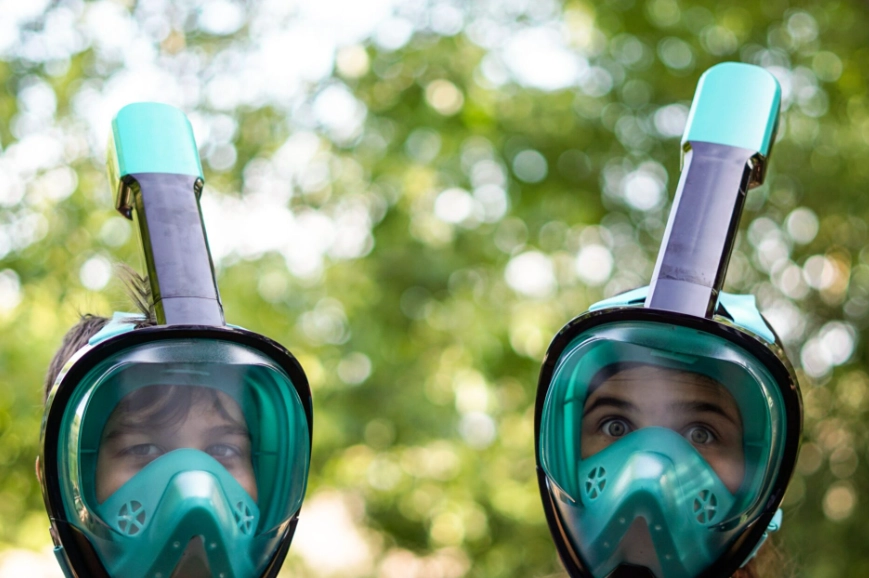 The debate isn't about which is objectively "better." It's about which is better for you, right now, for your specific plans. For casual, surface-level exploration by a nervous beginner in ideal conditions, a well-fitting full face mask can deliver a fantastic experience. For anyone wanting to interact more actively with the underwater world, develop skills, and have gear that lasts for decades, the humble regular snorkel and mask remain the versatile, reliable champion. Try both if you can, be brutally honest about your needs, and you'll make the right call.
Reader Comments