You're floating on the surface, about to dive down to see a coral reef. You take a breath, put your face in the water, and... everything turns milky white. Your mask has fogged up completely. Sound familiar? Mask fogging isn't just annoying; it ruins the experience and can even be a safety issue underwater. The good news? It's almost entirely preventable. Forget the guesswork. Let's break down exactly why it happens and, more importantly, how to stop it for good.
What's Inside This Guide
Why Do Masks Fog Up?
It's pure physics, not magic. Inside your mask, your face is warm and emits moisture (sweat, breath). The lens of your mask, in contact with cooler water, is cold. When that warm, moist air hits the cold glass or plastic lens, the water vapor condenses into tiny droplets. Those droplets scatter light, creating that frustrating foggy film.
Think of a cold glass of lemonade on a hot day. The outside of the glass gets wet. Same principle. The goal of any anti-fog method is to stop those droplets from forming or making them spread out into an invisible film instead of little beads.
The Best Ways to Prevent Mask Fog
There's no single "best" method for everyone. It depends on your activity, budget, and how much prep time you have. Here’s a breakdown of the most effective strategies.
1. The Pre-Dive Prep: Cleaning Your New Mask
This is non-negotiable. Skipping this step is the number one reason new divers and snorkelers struggle. That protective coating needs to go.
How to do it right: Use a mild abrasive. Toothpaste (non-gel, non-whitening) is the classic, cheap choice. Rub a small blob all over the inside of the lens for a good 2-3 minutes, using your fingers. Get into the corners. Rinse thoroughly. Some people swear by a lighter flame passed quickly over the lens (be extremely careful and keep it moving to avoid melting), which burns off the coating. For a foolproof method, use a dedicated mask scrub product.
I made the mistake of just using spit on a brand new mask once. The fog came back within minutes. A proper scrub makes all the difference.
2. In-The-Field Solutions: What Actually Works When You're About to Get Wet
You've cleaned the mask. Now you need to treat it before each use.
| Method | How It Works | Best For | Pros & Cons |
|---|---|---|---|
| Saliva (Spit) | Enzymes in saliva break down the surface tension of water, causing droplets to spread. | Snorkelers, swimmers, quick dips. Low-budget option. | Pro: Free, always available. Con: Short-lived, can be unhygienic if sharing, needs reapplication. |
| Commercial Anti-Fog Spray/Gel | Uses surfactants to create a hydrophilic film that water spreads across evenly. | Scuba divers, freedivers, snorkel tours, cold water. | Pro: Long-lasting, effective, easy to apply. Con: Cost, need to carry a bottle. |
| Baby Shampoo & Water Mix | A mild surfactant solution that mimics commercial products. | A reliable DIY option, good for travel when you don't want to check liquids. | Pro: Cheap, gentle on skin and eyes. Con: Needs mixing, can rinse out faster than dedicated gels. |
| Anti-Fog Cloths/Wipes | Pre-moistened cloths impregnated with anti-fog solution. | Travel, convenience, rental gear users. | Pro: No liquid spills, TSA-friendly, single-use. Con: Per-use cost is higher, generates waste. |
My personal routine for scuba diving: I use a commercial anti-fog gel. I put a small drop in each lens, rub it around with my finger, give it a very quick dip in the sea (not a freshwater rinse – the salt helps it adhere), and then shake out the excess. This gets me through a 60-minute dive without a hint of fog, even in cool water.
3. The Application Technique That Most People Get Wrong
It's not just what you use; it's how you use it. Applying anti-fog and then rinsing it all off is a classic error.
Correct steps:
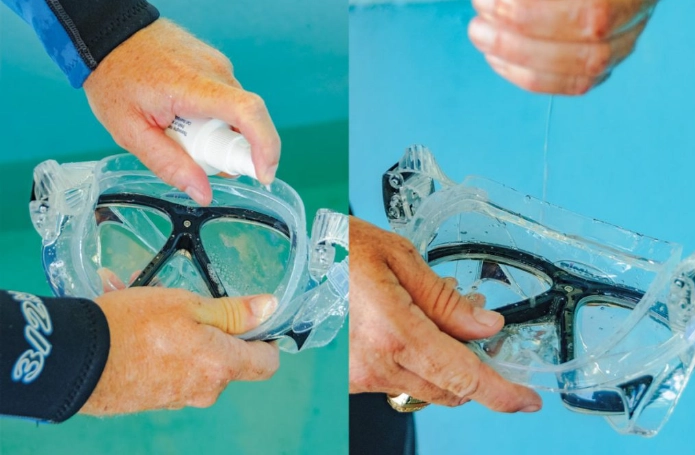
- Apply a small amount of your chosen defogger (spit, gel, etc.) to the dry inside lens.
- Use your finger to spread it over every millimeter of the glass. Don't miss the edges.
- This is the key part: Rinse it VERY briefly. Just a quick slosh in water. You are not trying to wash it all off. You're just removing the excess so it doesn't sting your eyes. The goal is to leave a thin, invisible film on the lens.
- Shake out the water droplets and put the mask on. Avoid touching the inside of the lens after this point.
Choosing the Right Anti-Fog Product
The dive shop wall has a dozen options. Here’s how to cut through the marketing.
For most divers and serious snorkelers: A gel is better than a spray. Gels are easier to control, waste less, and are less likely to get in your eyes during application. Brands like Sea Gold, McNett Sea Drops, or Cressi Anti-Fog are industry standards for a reason.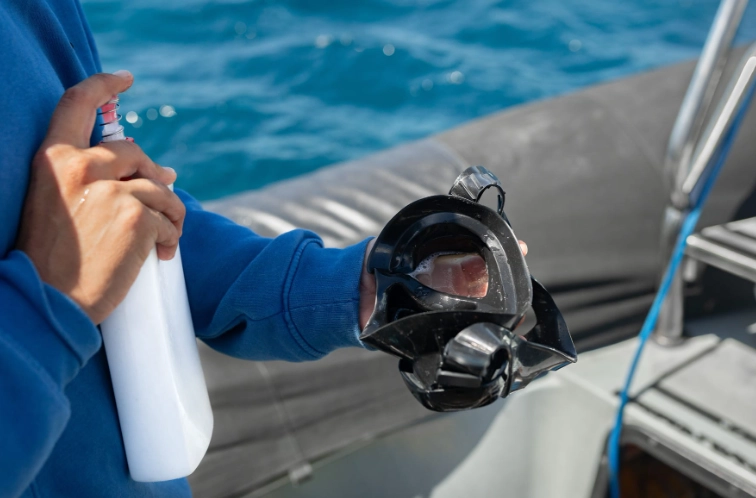
For frequent travelers: A pack of anti-fog wipes is a lifesaver. They don't count toward your liquid allowance and won't leak in your bag. Look for ones that are biodegradable if you're eco-conscious.
What about permanent anti-fog treatments? Some masks come with treated lenses (e.g., Optically Corrected lenses with anti-fog). They work well initially but the coating will wear off after 6-12 months of use and regular cleaning. They're a good start, but don't expect them to be a forever solution.
Common Mistakes That Cause Fog (Even With Anti-Fog)
You did everything right, but the fog came back? Check these often-overlooked culprits.
- Breathing out through your nose: This is the big one, especially for new divers. That warm, moist air from your lungs goes straight up into your mask. Practice breathing slowly and exclusively through your mouth. It takes conscious effort at first.
- A poor mask fit: If water is constantly seeping in, you're letting in fresh cold water that cools the lens and you're introducing air bubbles that carry moisture. A proper seal is your first line of defense.
- Putting the mask on your forehead: When your mask is on your forehead between dives, the inside gets warm from your skin. When you put it back on and hit the water, that temperature difference is huge, triggering instant condensation. Leave it around your neck or in the water.
- Using hot water to rinse your mask: This seems logical but it's wrong. Hot water can degrade the anti-fog film and the mask skirt. Always use cool or ambient temperature water.

Clear vision transforms your time in the water. It's the difference between seeing a blur and watching a parrotfish crunch on coral. Start with a ruthlessly clean mask, apply your chosen defogger correctly, and be mindful of those sneaky habits like nose-breathing. With these steps, foggy masks become a problem of the past, letting you focus on the wonder in front of you.
Reader Comments