Let's be real. There's nothing worse than the excited anticipation of a snorkeling trip being crushed by a red, itchy rash that shows up an hour after you get in the water. You're supposed to be marveling at parrotfish and coral, not scratching your face raw against the inside of your mask skirt. If you have sensitive skin, you know this struggle all too well. The standard silicone, the weird chemical smell of new gear, the pressure points that turn into angry welts – it can make you want to skip the water altogether.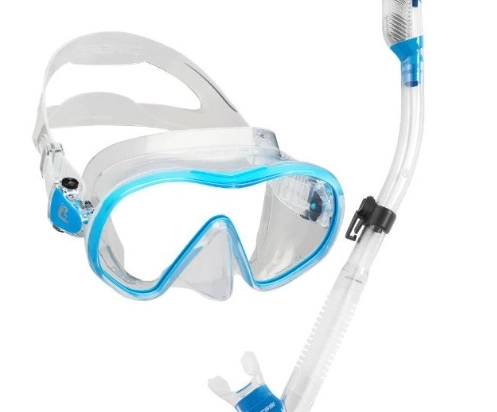
Quick Guide Navigation
- Why Does Regular Snorkel Gear Bug Sensitive Skin?
- Anatomy of a Gentle Snorkel Set: Breaking Down the Components
- Top Features to Hunt For in Your Snorkel Set for Sensitive Skin
- Prepping and Caring for Your Sensitive-Skin Gear
- What If You're Still Reacting? Troubleshooting Tips
- Answering Your Burning Questions (FAQs)
- Pulling It All Together: Your Action Plan
I've been there. A few years back, I used a friend's spare mask on a reef trip. It was a top brand, expensive. Forty minutes in, my forehead and cheeks felt like they were on fire. The rest of the day was spent on the boat, slathered in aloe vera while everyone else had fun. It was miserable. That experience sent me down a rabbit hole, talking to dive shop owners, reading dermatology resources, and testing gear myself, all to answer one question: how do you find a snorkel set for sensitive skin that actually works?
It turns out, it's less about finding one magic product and more about understanding a combination of materials, fit, and care. This isn't just a quick buying guide. We're going to dig into the why and how, so you can make informed choices and get back to enjoying the underwater world without the aftermath.
The Core Idea: A great snorkel set for sensitive skin isn't defined by price, but by biocompatibility. It's about minimizing contact with common irritants through smart material choices and a perfect, gentle seal.
Why Does Regular Snorkel Gear Bug Sensitive Skin?
First, it helps to know your enemy. Most reactions aren't an "allergy" in the true medical sense but are contact dermatitis – irritation from something touching your skin. For snorkeling, the culprits are usually a handful of usual suspects.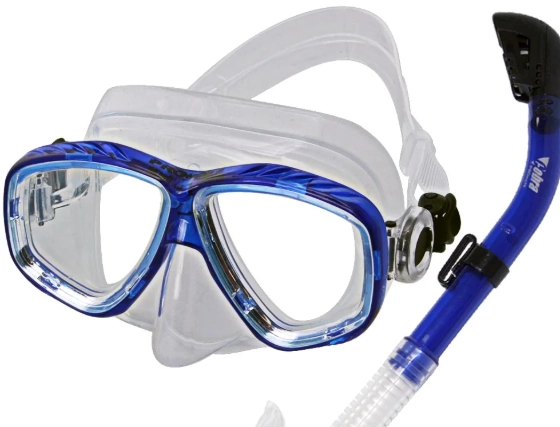
The Main Irritants in Standard Gear
Silicone Compounds: Not all silicone is created equal. Medical-grade silicone is incredibly pure and inert. The cheaper silicone used in some mass-market gear, however, can contain residual chemicals from its manufacturing process, like siloxanes or catalysts. These can leach out and irritate skin. The texture matters too; softer, more pliable silicone generally conforms better and creates less friction.
Accelerators and Plasticizers: These are additives used in the production of rubber and some plastics (think older snorkel mouthpieces or certain fin straps). They make the material flexible but can be major skin irritants. The classic sign? That strong, distinctive "new rubber" smell. If your gear smells strongly like a tire shop, that's the plasticizers off-gassing, and they're not friendly to sensitive skin.
Nickel and Metals: This one's sneaky. The buckle on a mask strap or the metal clip on a snorkel keeper often contains nickel. Nickel allergy is one of the most common contact allergies in the world. A tiny amount of sweat and seawater can cause it to release ions that lead to a nasty, itchy rash around the buckle contact points. The American Academy of Dermatology Association lists nickel as a leading cause of allergic contact dermatitis, which is worth keeping in mind when you're handling those little metal parts.
Bacteria and Mold (The Secondary Problem): This isn't about the material itself, but what happens if you don't clean your gear properly. Biofilms can build up in moist snorkel tubes and on mask skirts. For sensitive skin, introducing this bacteria back onto your face can cause breakouts and irritation that mimics a material reaction. It's a double whammy.
So, when you're looking for a snorkel set for sensitive skin, you're essentially looking for gear engineered to eliminate or minimize these specific triggers.
Anatomy of a Gentle Snorkel Set: Breaking Down the Components
A snorkel set has three main parts that touch you: the mask, the snorkel, and the fins. We need to tackle each one from a sensitive-skin perspective.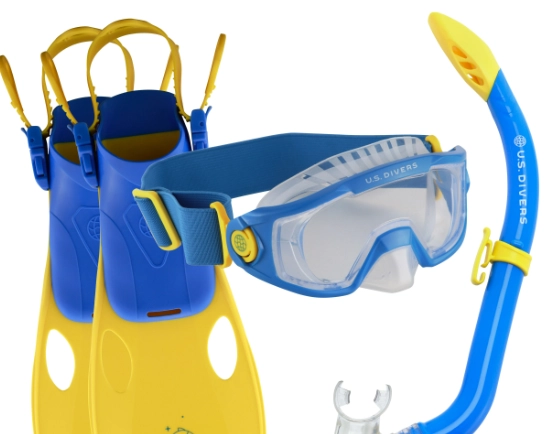
The Mask: Your Most Critical Piece
The mask is ground zero for skin issues. It has the largest contact area with the delicate skin on your face.
I made the mistake of prioritizing field of view over fit and material for years. A wide-view mask is useless if you can't wear it for more than thirty minutes. Comfort is king, especially for sensitive skin.
Skirt Material is Everything:
- Medical-Grade Silicone: This is the gold standard for a snorkel mask for sensitive skin. It's hypoallergenic, non-porous, and contains fewer impurities. It's often labeled as "hypoallergenic silicone" or "skin-safe silicone." It feels softer and more supple.
- Silicone Softness (Shore Value): Manufacturers sometimes refer to the softness of the skirt. A lower Shore value means a softer silicone. For sensitive skin, a softer skirt (often around Shore A50 or lower) conforms more easily, requiring less strap pressure to seal, which reduces pressure points.
- Alternative: PVC Skirts: Some budget masks use PVC skirts. I'd advise steering clear if you have sensitive skin. They are often stiffer, can contain more plasticizers, and degrade faster with sun and salt exposure, potentially releasing more irritants.
Frame and Lens Material: The frame is usually harder plastic or silicone and doesn't touch much skin, but the nose pocket is key. Ensure it's smooth, without rough seams. Tempered glass lenses are standard and inert—no issues there.
The Strap and Buckles: Here's where nickel can hide. Look for masks with plastic or coated buckles. Some high-end masks even use silicone-coated straps that are seamless and super gentle on hair and skin.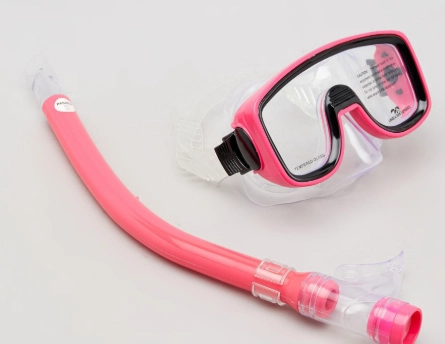
Fit is non-negotiable.
A mask that fits perfectly needs minimal strap tension to seal. Less tension means less pressure on your skin, less friction, and less chance of irritation. The old test still works: place the mask on your face without the strap, inhale gently through your nose, and let go. It should stay suctioned for a moment. If you have to suck hard to keep it on, the fit is wrong.
The Snorkel: It's All About the Mouthpiece
Your mouth is a sensitive area too. A bad mouthpiece can cause jaw fatigue and irritation on your gums and lips.
Mouthpiece Material: Like the mask skirt, seek out snorkels with medical-grade or hypoallergenic silicone mouthpieces. They should be soft and flexible. Avoid hard, plastic mouthpieces or those made from low-grade rubber.
Design Matters: A ergonomic, anatomical mouthpiece that fits the contour of your mouth and teeth will distribute pressure more evenly. Some come with bite pads that are extra soft. A dry-top snorkel is a good idea for sensitive individuals too—it prevents you from getting a mouthful of salty water if a wave hits, which can further dry out and irritate the lips.
Fins: The Forgotten Factor
Fins might seem less important, but blisters and rubs on your heels and the tops of your feet can ruin a day. The key areas are the foot pocket and the strap.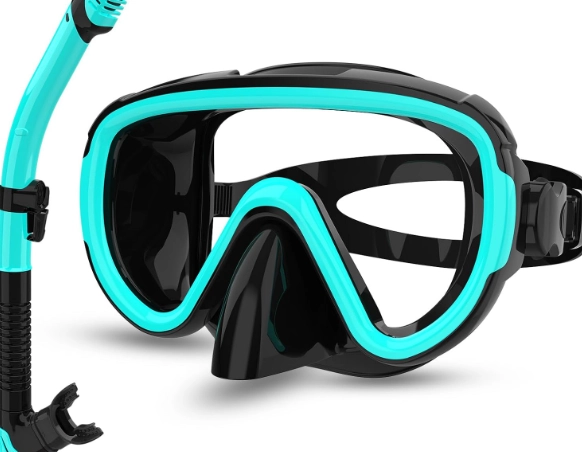
Foot Pocket Lining: Many fins designed for comfort have a soft, neoprene-like lining inside the foot pocket. This acts as a buffer between your skin and the stiffer rubber/plastic of the fin, reducing friction and hot spots.
Strap Systems: Traditional rubber straps with metal buckles are the worst offenders. Look for:
- Adjustable Heel Straps with Plastic Buckles: Simple and effective, with no metal touching you.
- Sprint/Spring Straps: These are elasticated bungee straps that replace the rubber ones. They are a game-changer. They provide even, constant tension, are easy to get on and off, and completely eliminate metal buckles. They are, in my opinion, the single best upgrade you can make for overall comfort, sensitive skin or not.
Top Features to Hunt For in Your Snorkel Set for Sensitive Skin
Let's condense this into a quick checklist. When you're shopping online or in a store, scan for these terms and features.
| Feature | What to Look For | Why It Helps Sensitive Skin |
|---|---|---|
| Mask Skirt Material | "Hypoallergenic Silicone," "Medical-Grade Silicone," "Ultra-Soft Silicone" | Minimizes chemical irritants and reduces pressure/friction. |
| Mask Buckles | Plastic buckles, silicone-coated buckles. | Eliminates risk of nickel allergy reaction. |
| Snorkel Mouthpiece | Soft, medical-grade silicone, anatomical design. | Prevents gum/liр irritation and jaw fatigue. |
| Fin Straps | Spring straps (bungee), plastic buckle straps. | Eliminates metal, provides even pressure, prevents blisters. |
| Fin Foot Pocket | Padded or lined interior. | Creates a protective barrier against rubbing. |
| Overall Labeling | "Dermatologist Tested," "Hypoallergenic" | Indicates the manufacturer has considered skin compatibility (but verify materials). |
Watch Out For: Vague terms like "skin-friendly" without specific material details. Also, be wary of heavily perfumed or anti-fog solutions that come pre-applied; they can be irritants. It's better to apply your own trusted, gentle defogger.
Prepping and Caring for Your Sensitive-Skin Gear
Buying the right snorkel set for sensitive skin is only half the battle. How you prepare and maintain it is equally crucial.
The Pre-First-Use Ritual
New gear often has a manufacturing residue or dust on it. Never use it straight out of the box.
- Wash Gently: Use a mild, fragrance-free dish soap or a dedicated gear cleaner. Avoid harsh detergents, bleach, or abrasive cleaners.
- Focus on the Silicone: Gently scrub the mask skirt and snorkel mouthpiece with your fingers, then rinse thoroughly with fresh water.
- Break In the Skirt (Optional but Helpful): Some divers lightly rub a tiny amount of pure, non-comedogenic toothpaste (the white paste, not gel) on the inside of a new mask skirt, rinse it off completely, and then defog as normal. The mild abrasive can help remove any very fine surface residue. This is a debated trick, but I've found it helpful with some masks. Test on a small area first if you're worried.
Your Post-Dive Care Routine
This is non-negotiable. Salt, sunscreen, sweat, and ocean bacteria are a corrosive, irritating cocktail.
- Rinse Immediately: As soon as you're done, rinse EVERYTHING—mask, snorkel, fins—in fresh, cool water. Don't let salt water dry on the silicone.
- Soak Occasionally: Once a week during heavy use, do a 15-minute soak in a tub of cool water with a capful of gear cleaner or mild soap.
- Dry Thoroughly & Store Properly: Shake off excess water and let your gear air-dry completely in the shade, not direct sun. Sun UV rays degrade silicone over time, making it brittle. Store in a cool, dry, ventilated bag or box. A damp, dark bag is a mold factory.
Think of your gear care like skincare for your equipment. A little consistent effort prevents big problems.
What If You're Still Reacting? Troubleshooting Tips
So you got a hypoallergenic snorkel set for sensitive skin, you've cleaned it well, but you're still getting a little redness. Don't panic. Let's troubleshoot.
Is it pressure or material? Does the rash follow the exact seal line of the mask? That's likely pressure dermatitis. Try loosening the strap a notch. The mask should seal with very light tension. If the rash is more generalized or under the strap/buckles, it's more likely a contact issue.
The Barrier Cream Test: Apply a thin layer of a waterproof, silicone-based barrier cream (the kind used for diaper rash or around ostomy sites) to the areas where the mask skirt sits. Let it dry for a minute. This creates a physical barrier between your skin and the silicone. If this prevents the rash, it confirms it's a contact issue, though the barrier can be a handy workaround.
Check Your Sunscreen and After-Care: Are you applying a chemical sunscreen that runs into your mask and gets trapped? Switch to a mineral (zinc oxide/titanium dioxide) sunscreen that's less likely to run and is often better for sensitive skin. Also, rinse your face with fresh water immediately after snorkeling and apply a gentle moisturizer.
For more science-backed information on managing contact dermatitis from various sources, resources like the American Academy of Allergy, Asthma & Immunology can provide useful background, though always consult a doctor for persistent issues.
Answering Your Burning Questions (FAQs)
Here are the questions I get asked most often, the ones that pop up in forums and dive shop conversations.
While I won't call this a "top 3" because needs vary, several brands consistently prioritize skin-friendly materials:
- Cressi: Their "Cressi Soft" skirt material on masks like the F1 is legendary for comfort and is very kind to skin.
- Scubapro/Seac: Often use high-purity silicones and offer spring straps as standard or optional on many fins.
- Aqua Lung: Their "Silicone-Soft" skirts and attention to buckle design are notable. The Aqua Lung Lookout mask is a popular choice for comfort.
- Mares: Features like their "Liquid Skin" skirt on the Star Mask are specifically engineered for a soft, comfortable seal.
Remember, the brand matters less than the specific model's features. Always check the material specs.
Pulling It All Together: Your Action Plan
Feeling overwhelmed? Don't be. Here's a simple step-by-step to cut through the noise.
- Prioritize the Mask: Your budget should focus here. Find a mask with a hypoallergenic, soft silicone skirt and plastic buckles that fits your face perfectly.
- Upgrade the Snorkel: Pair it with a simple, dry-top snorkel that has a soft silicone mouthpiece. You don't need bells and whistles, just comfort.
- Revolutionize with Straps: Buy a set of aftermarket spring straps for your fins (they fit most fins). This is a cheap upgrade with a massive comfort payoff.
- Commit to Cleaning: Make the post-dive freshwater rinse as automatic as putting on your seatbelt.
- Listen to Your Skin: Start with short snorkels to test new gear. Bring a gentle moisturizer and barrier cream in your bag just in case.
The goal isn't to become a materials scientist. It's to become a savvy shopper who knows what questions to ask and what details matter for your comfort.
Finding the right snorkel set for sensitive skin might take a little more research and a slight budget bump compared to the cheapest kit, but the payoff is immense. It's the difference between dreading the irritation and forgetting your gear is even there, which is the whole point – to lose yourself in the beauty of the reef, not in discomfort. Your skin will thank you, and your memories will be purely of the fish, not the itch.
Got a specific material you've found works wonders, or a nightmare gear story? That's how we all learn. The diving community is great at sharing these practical tips. Now go get fitted, and I'll see you out on the water – comfortably.
Reader Comments