Quick Guide Navigation
Let's cut right to the chase. You typed that question into Google for a reason. Maybe you saw a stunning photo on Instagram, heard a friend rave about it, or you're just tired of mediocre snorkeling trips where you see more blurry water than fish. You want the straight truth. Is snorkeling in the Cayman Islands actually worth the hype and the trip?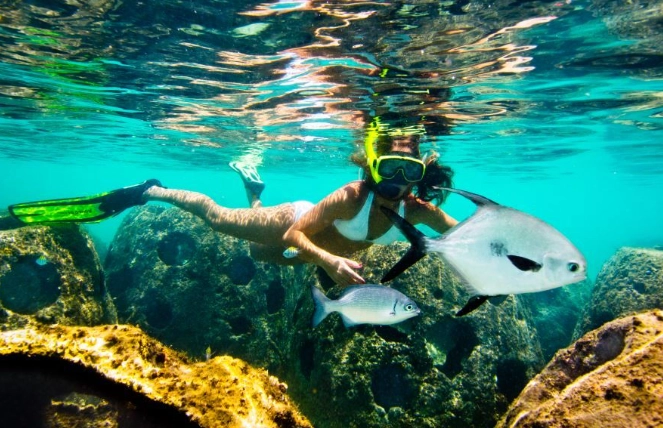
I've been there. I've floated over those reefs. And I'm here to tell you, not as a travel brochure, but as someone who's gotten saltwater in their mouth and sunburn on their shoulders, that the answer is a resounding, undeniable yes. But—and there's always a but—it's not magic everywhere you jump in. Knowing where to go and what to expect is the difference between a good trip and a mind-blowing one.
The Short Version: The Cayman Islands, particularly Grand Cayman, offer some of the most accessible, crystal-clear, and marine-life-rich snorkeling on the planet. The water visibility regularly exceeds 100 feet, the reefs are protected and healthy, and you can have world-class experiences literally steps from the shore. So, do the Cayman Islands have good snorkeling? They don't just have good snorkeling; they set the standard for it.
Why the Cayman Islands Are a Snorkeling Powerhouse
It's not an accident. A few key things come together to create the perfect snorkeling soup here. First, the islands sit on a massive underwater mountain, the Cayman Ridge. This means the ocean floor drops off incredibly steeply just offshore (the famous Cayman Wall). That deep, clear blue water right next to shore is what gives you that unbelievable visibility. No river runoff to muddy the waters, just pure Caribbean blue.
Second, they've been serious about marine conservation for decades. The Cayman Islands government established marine parks back in 1986, creating no-take zones that have allowed fish populations to thrive. You can feel the difference. The fish aren't as skittish. You'll see more big, old parrotfish and groupers here than in many other snorkeling spots I've visited. Organizations like the Department of Environment actively manage these resources, which is why the reefs are in such great shape compared to other heavily-visited Caribbean destinations.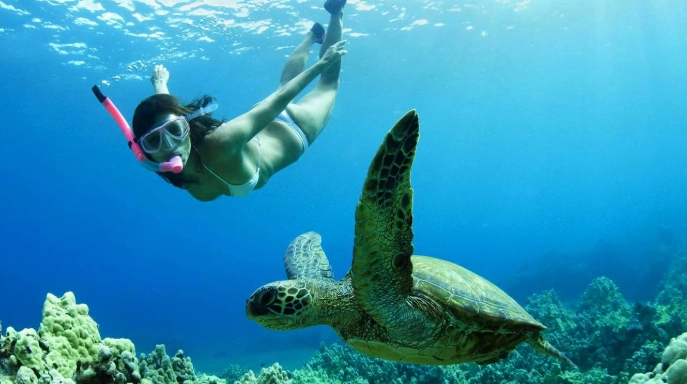
And third, the geography is just snorkeler-friendly. Grand Cayman's famous Seven Mile Beach has a calm, shallow shelf perfect for beginners. The North Sound is protected and houses the legendary Stingray City. There are coral heads and mini-walls everywhere you look.
The Crown Jewels: Top Snorkeling Spots You Can't Miss
Okay, so it's good. But where should you go? Let's break it down. I'm going to give you my personal ranking, based on accessibility, wow factor, and who it's best for.
Eden Rock and Devil's Grotto
This is my top pick for shore snorkelers. Located right in George Town, you park, walk down a ladder, and you're in another world. It's a labyrinth of coral canyons and caves. Sunlight filters down through openings in the rock ceiling, creating this ethereal, cathedral-like effect. Sergeant majors swarm everywhere. Tarpon, these huge silver fish, glide silently through the shadows. It's dramatic, it's easy to get to, and it feels like a proper adventure. Devil's Grotto, right next door, is famous for its massive schools of silversides (tiny fish) that can form a living, shimmering wall.
Best for: Adventurous beginners and intermediate snorkelers who love nooks and crannies. Not ideal for very young kids who might be nervous in the semi-enclosed spaces.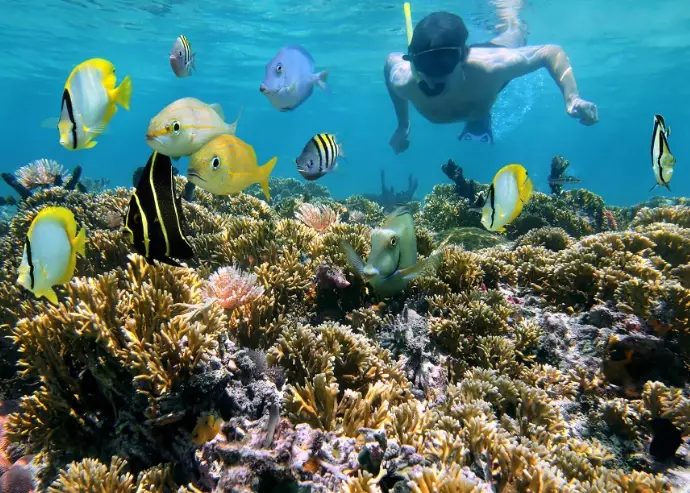
Stingray City Sandbar
Look, this is the poster child for Cayman snorkeling for a reason. It's a unique, only-in-Cayman experience. You take a boat out to a shallow sandbar in the North Sound, waist-deep water, and there they are: dozens of friendly, wild southern stingrays. They glide around your legs, expecting a snack (usually squid provided by the guides). It's surreal. The water is absurdly clear and blue. Touching them (gently, on their wings) is encouraged. Is it touristy? Absolutely. But it's touristy because it's genuinely incredible. No other place I know of offers this kind of reliable, safe interaction with such majestic wild animals.
Smith's Cove (Smith Barcadere)
This is the local's favorite for a reason. A small, picturesque cove south of George Town with a sandy beach entry protected by limestone ironshore. The coral isn't the most spectacular, but the fish life is prolific because it's a popular spot for locals to feed the fish (with peas, not bread, which is better for them). You'll be surrounded by a swirling vortex of blue tangs, sergeant majors, and parrotfish the moment you put your face in the water. It's forgiving, sheltered, and perfect for families or a relaxing two-hour float. Parking is limited, so go early or later in the afternoon.
Do the Cayman Islands have good snorkeling for free? Smith's Cove is your answer. It's a public beach with fantastic, easy snorkeling right off the sand.
The Barrier Reef (from a Boat)
While the shore snorkeling is fantastic, to answer "do the Cayman Islands have good snorkeling" fully, you need to get out to the barrier reef. This is the outer edge of the island's protective reef system. The water is deeper, the coral formations are larger and more impressive, and you're more likely to see bigger pelagic fish cruising by. Sites like "Orange Canyon" or "Aquarium" are teeming with life. This is typically done as part of a snorkel cruise. The boat anchors in a sheltered spot, and you swim over stunning coral gardens in 15-25 feet of water.
Best for: Confident swimmers and those who want to see the "big picture" of the reef system. It's less intimate than Eden Rock but more grand in scale.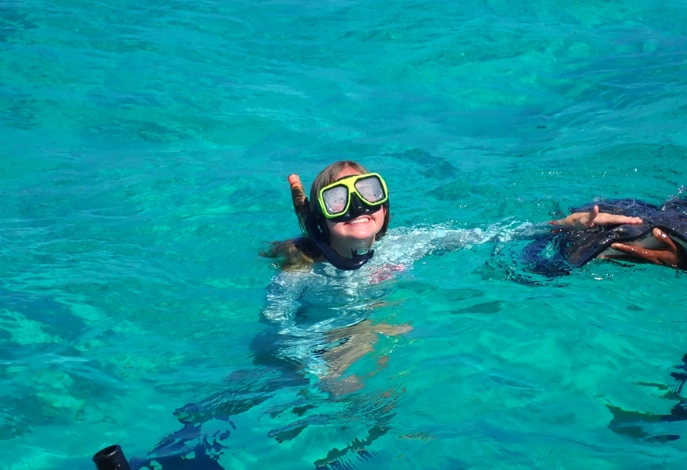
| Snorkeling Spot | Location / Access | Best For | The Vibe & Key Feature |
|---|---|---|---|
| Eden Rock & Devil's Grotto | George Town (shore) | Adventure seekers, photographers | Dramatic coral caves, tarpon, light beams |
| Stingray City Sandbar | North Sound (boat only) | Everyone, families, first-timers | Unique interaction with wild stingrays |
| Smith's Cove | South of George Town (shore) | Families, beginners, relaxed snorkeling | Protected cove, tons of friendly fish |
| Cemetery Beach & Reef | Seven Mile Beach area (shore) | Beginners, DIY explorers | Easy entry, beautiful coral heads close to shore |
| Barrier Reef (e.g., Aquarium) | Offshore (boat only) | Experienced snorkelers, marine life lovers | Large coral formations, bigger fish, pristine conditions |
Your Practical Snorkeling Survival Guide
Knowing the spots is half the battle. The other half is not having a terrible time getting there. Here's the stuff you actually need to know.
Gear: Bring or Rent?
If you're a serious snorkeler with a perfectly fitted mask, bring it. Mask fit is everything. A leaky mask ruins the experience. For most people, renting is totally fine and convenient. Almost every hotel, condo, and dive shop rents gear. A basic set (mask, snorkel, fins) might cost $15-25 per day, or less for multi-day rentals. Fins are highly recommended—they save your energy and let you navigate currents. Consider a snorkel vest too, especially if you're not a strong swimmer. They're often provided on boat tours.
When to Go (Time of Day & Year)
Morning, morning, morning. The wind is usually calmest, the water is like glass, and the visibility is best. Afternoons can get choppier, especially on the north and west sides. As for time of year, the Cayman Islands are a year-round destination. Winter (Dec-Apr) has the most predictable, calm weather but is also peak tourist season. Summer and fall are warmer, with a higher chance of brief afternoon showers, but the water is even warmer and there are fewer crowds. Hurricane season is June-November, but major direct hits are rare.
I went in September once. Yes, it was humid. But I had entire snorkel spots almost to myself. The water was bathwater-warm. Worth it.
Boat Tour vs. DIY Shore Snorkeling
You need both to get the full picture. A boat tour gets you to the iconic spots you can't reach from shore: Stingray City, the Barrier Reef, maybe even a shipwreck like the Cali. It's guided, safe, and social. DIY shore snorkeling gives you freedom, costs nothing after gear rental, and lets you explore at your own pace. A perfect trip mixes a couple of guided boat trips with several afternoons exploring the shore sites yourself.
Beyond Grand Cayman: Little Cayman & Cayman Brac
Everyone talks about Grand Cayman. But if you're asking "do the Cayman Islands have good snorkeling" and you're an enthusiast, you must consider the Sister Islands: Little Cayman and Cayman Brac. These are the secret weapons.
The population is tiny. The development is minimal. And the reefs? They are arguably the healthiest and most pristine in the entire Caribbean. The Bloody Bay Wall Marine Park off Little Cayman is legendary among divers, but the top of the wall, starting at about 15-20 feet, is absolutely accessible to snorkelers on a calm day with a good operator. You'll float over a sheer cliff that drops into the abyss, watching schools of horse-eye jacks and eagle rays pass below. It's a more remote, rugged, and pure snorkeling experience. You don't come here for shopping or nightlife; you come for the water.
The challenge is access—fewer flights and fewer tour operators. But if your primary goal is world-class underwater scenery with almost no one else around, this is the pinnacle. The Cayman Islands Department of Tourism has good info on planning a trip to the Sister Islands.
Answering Your Burning Questions (FAQ)

The Final Verdict
So, after all this, do the Cayman Islands have good snorkeling?
Let me put it this way. If you love the water, if you get a thrill from seeing a parrotfish crunch on coral, if you want to swim with stingrays in water so clear it looks airbrushed, then this isn't just a "good" destination. It's a must-do. It's a benchmark. It spoils you for anywhere else.
The real question isn't "if" it's good, but how you're going to experience it. Are you a planner who will book the classic boat trips? Or an explorer who wants to find their own secret spot along the ironshore? Either way, you win. Just remember the rash guard. Seriously.
The islands have protected their greatest asset—their marine environment—with foresight. That commitment, combined with that magical geography, creates a snorkeling experience that is, in my opinion, unmatched in the Caribbean for its consistency, accessibility, and sheer wow factor. Your search for an answer ends here. Now go plan your trip.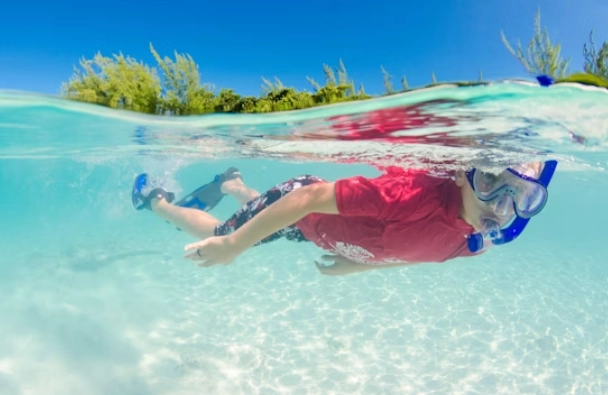
Reader Comments