Let's be honest. Most snorkeling fin comparisons online just list specs. They don't tell you what it's actually like to use them for three hours straight in choppy water, or how they feel after cramming them into a backpack. I've been guiding snorkel trips for over a decade, and I've seen it all—from perfect fin matches to gear that ruins a vacation. The right pair is the difference between effortless gliding and a frustrating leg workout.
This isn't about finding the single "best" fin. It's about finding your best fin. We'll compare the top models across the key factors that matter: comfort, power, travel size, and durability. I'll share my personal hits and misses, and point out the subtle design flaws most reviews miss.
Your Quick Guide to Finding the Perfect Fins
Paddle vs. Split Fins: It's Not Just About Speed
Everyone talks about this, but they often get the "why" wrong.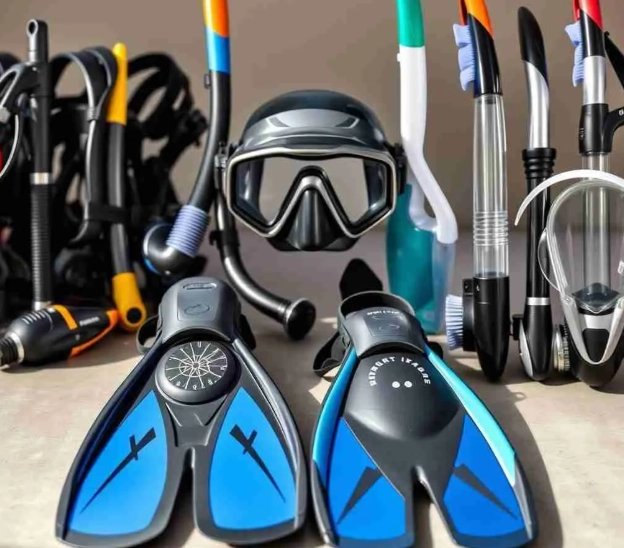
The Paddle Fin (or Blade Fin)
This is the traditional design—a solid blade. Think of it like a car's accelerator. A short, gentle kick gives you a immediate, powerful push. They're fantastic for quick maneuvering, fighting a current, or if you have weaker leg muscles. The downside? That direct power transfer can tire your ankles and calves faster if your technique is all leg and no hip.
Most beginners are better off starting here. The feedback is instant.
The Split Fin
Imagine a propeller, not a paddle. The split design channels water through the middle, creating lift and thrust with less effort. Your kick becomes more of a fluid, whipping motion from the hip. The result is less strain on your joints and better efficiency over long distances.
Here's the catch most people don't mention: in a strong surge or when you need an instant burst of speed (like to catch up to a turtle), split fins can feel sluggish. They're cruise control, not a turbo boost.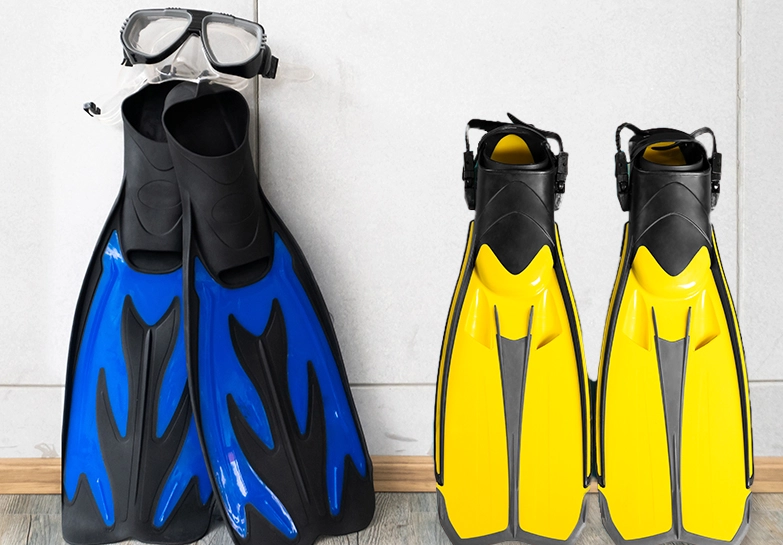
What Really Makes a Fin Comfortable and Powerful?
Forget the marketing fluff. Focus on these four things.
Foot Pocket Design: This is 80% of your comfort. A good pocket hugs your entire foot without pressure points. Look for soft, pliable rubber around the toes and a secure heel cup. A rigid, narrow pocket will cause cramps in under an hour. Brands like Mares and Cressi often have wider toe boxes, which is a godsend if you have wider feet.
Blade Stiffness & Length: A longer, stiffer blade moves more water, giving more power per kick. It also requires more leg strength. A shorter, more flexible blade is easier on the legs and better for casual snorkeling. Many travel fins use a medium-flex blade—a good compromise.
Vented Blades or Channels: These aren't just for looks. Vents (holes near the foot pocket) or side channels reduce the suction on the up-kick, making your leg recovery easier and less tiring. It's a small feature that makes a huge difference in fatigue.
Material & Buoyancy: Most fins are rubber/plastic composites. Some high-end models use silicone foot pockets for supreme comfort (but at a higher cost). Also, pay attention to whether the fin floats or sinks. A floating fin is easier to retrieve if it slips off in deep water.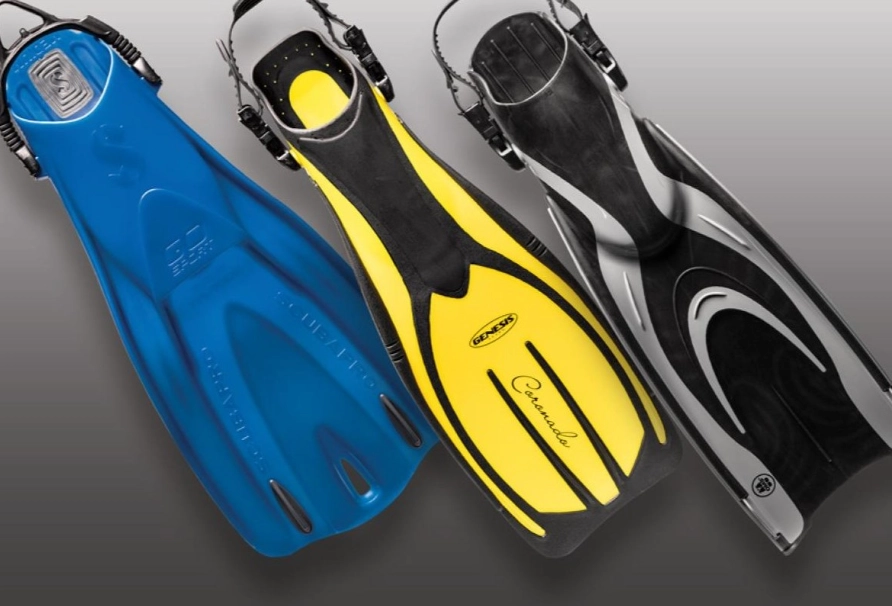
Head-to-Head: 5 Top Snorkeling Fins Compared
Let's put the popular models on the table. This isn't just spec-sheet data; it's based on repeated use in real snorkeling conditions from Bora Bora to the Great Barrier Reef.
| Fin Model & Type | Best For | Key Strength | Potential Drawback | Travel Friendliness | Approx. Price |
|---|---|---|---|---|---|
| Cressi Pro Light (Paddle) | All-rounders, strong swimmers | Incredible power-to-weight ratio, durable | Foot pocket runs narrow, can cause cramps for wide feet | Good (medium size) | $60 - $80 |
| Mares Avanti Quattro+ (Paddle) | Power, efficiency, fighting currents | Four channels for massive thrust, legendary durability | Heavier, less flexible, not for weak legs | Fair (bulkier) | $90 - $120 |
| Atomic Aquatics Split Fin (Split) | Long sessions, knee/ankle comfort | Unbeatable for reducing joint strain, effortless kick | Lacks instant acceleration, premium price | Good | $130 - $160 |
| Scubapro Go Sport (Flex Hybrid) | Travelers, beginners, versatility | Packs tiny, comfortable, surprisingly good performance | Not for heavy currents, blade can feel "floppy" to strong kickers | Excellent (fits in carry-on) | $70 - $100 |
| U.S. Divers Proflex (Paddle/Split Hybrid) | Budget-conscious, casual snorkelers | Very affordable, soft foot pocket, decent all-around | Less durable long-term, performance is just "okay" | Good | $40 - $60 |
Now, the deeper dive.
The Cressi Pro Light is a workhorse. I've had a pair for 8 years and they've outlasted two masks. The power is direct and satisfying. But that snug fit? If you have even slightly wide feet or a high instep, try them on with your snorkel socks first. I've seen people buy them online and immediately regret it.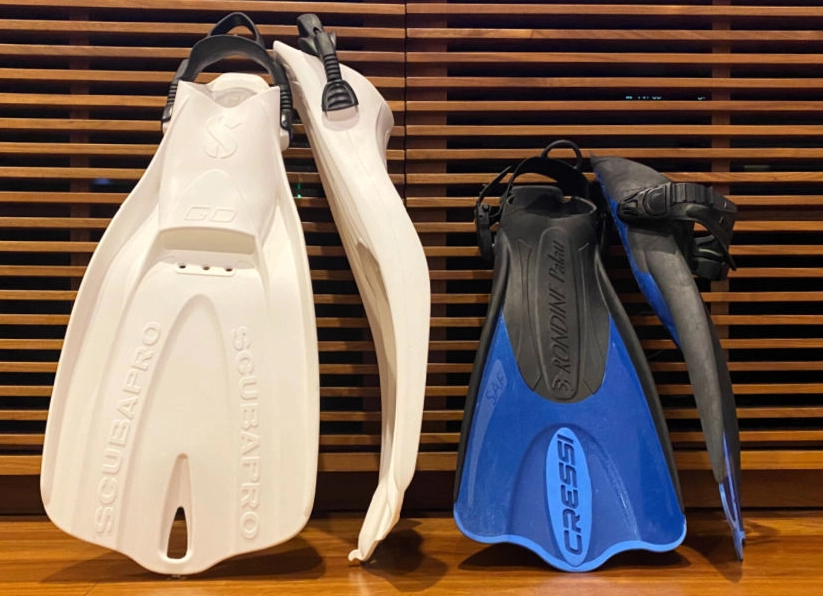
The Mares Avanti Quattro+ is the truck of snorkeling fins. If your goal is to cover distance or not be pushed around by the ocean, this is it. The thrust is immense. They're also heavy and feel clunky on the surface. I only recommend them for fit, serious snorkelers.
My go-to for a relaxed coral garden tour? The Atomic Split Fin. The comfort is in a different league. You finish the day with energy to spare. The trade-off is real, though. Don't expect to win any races.
The Scubapro Go Sport is a modern marvel for the traveler. I was skeptical until I threw a pair in my backpack for a Southeast Asia trip. They performed admirably in calm bays. They're the "good enough" fin that's "great" because of its size. Perfect for the "I only snorkel on vacation" person.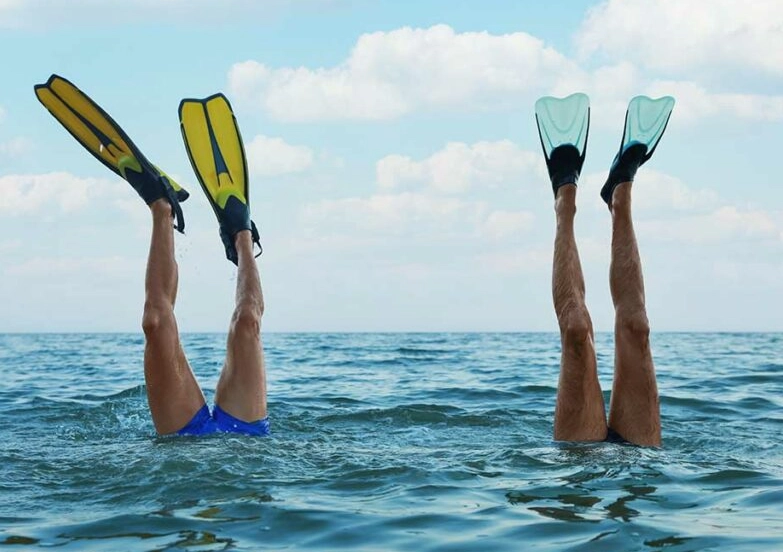
How to Choose Your Fins: A Simple Decision Guide
Stop overthinking. Answer these questions.
- Where will you snorkel most? Calm, warm bays? A shorter, flexible fin is perfect. Ocean reefs with currents? Prioritize power and stiffness.
- What's your fitness level? Be honest. Strong legs can handle a stiff blade. If you get leg cramps easily, look at split fins or vented paddles.
- How are you traveling? Carry-on only? Compact travel fins are non-negotiable. Checking a bag? You have more options.
- What's your budget? You can get a very competent fin for $60-$80. Spending over $120 gets you premium comfort materials or specialized performance.
My rule of thumb: For 90% of recreational snorkelers on tropical vacations, a medium-flex paddle fin or a compact travel fin is the sweet spot. It offers the best balance of power, control, and packability.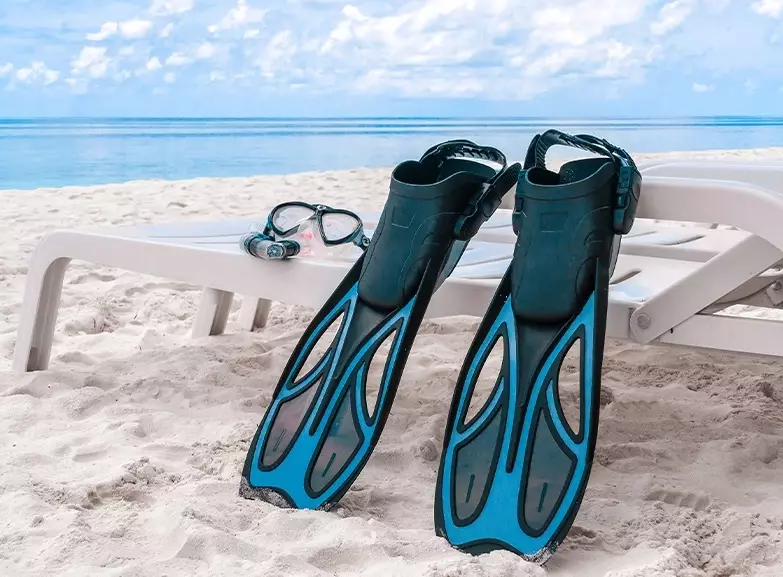
Common Mistakes Even Experienced Snorkelers Make
I see these every season.
1. Overtightening the Straps. This is the #1 cause of foot cramps. The strap should be snug enough that the fin doesn't rotate on your foot, but you should be able to slide a finger or two underneath easily. Your foot will swell a little in the water.
2. Ignoring Snorkel Socks/Booties. Even the softest foot pocket can chafe. A 2mm neoprene sock prevents blisters, provides warmth, and makes fin fit more consistent. It's a $15 game-changer.
3. Using a Scuba Diving Fin for Snorkeling. Scuba fins are longer, stiffer, and designed for slow, powerful kicks with a heavy tank on your back. For snorkeling on the surface, they're overkill and will exhaust you.
4. Not Rinsing Them After Use. Salt, sand, and sun are the triple threat to fin longevity. A quick freshwater rinse and dry shade storage will make your fins last years longer. I've seen neglected fins become brittle and crack.
Your Fin Questions, Answered
The perfect snorkeling fin doesn't exist, but the perfect fin for you absolutely does. It's the one you forget you're wearing because it just works—propelling you comfortably through an underwater world without a second thought. Skip the rental bin, invest in a pair that matches your feet and your style, and get ready to see the ocean differently.
Reader Comments