You've seen the pictures. Crystal clear water, vibrant coral, a sea turtle gliding past. You get the gear, jump in, and within minutes... your eyes are on fire. That dreamy snorkel turns into a blurry, stinging mess. If you have sensitive eyes, you know this story too well. It's not just about comfort—it's the difference between an unforgettable adventure and a trip cut short by irritation.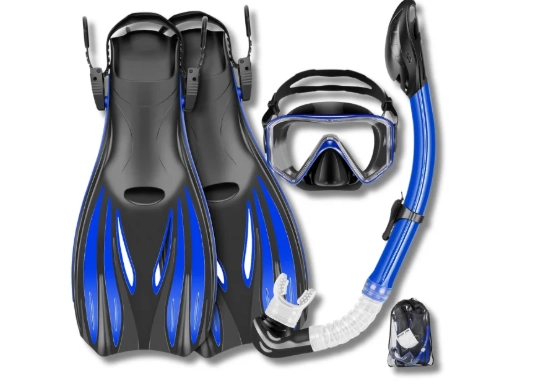
The good news? The problem is almost never the ocean. It's the gear. Standard snorkeling kits are built for an "average" face, but sensitive eyes need a more thoughtful approach. Forget just grabbing any mask off the rack. Let's talk about how to choose gear that actually works for you.
Your Quick Guide to Comfortable Snorkeling
Why Your Eyes Sting (It's Not Just Salt)
Most people blame seawater, but if that were the only issue, swimming would be just as painful. The real culprits are usually leaks and chemicals.
A poorly fitting mask lets in a tiny, constant trickle of water. This isn't a flood you notice—it's a slow seepage that mixes with any residual oils, sunscreen, or sweat on your face, creating a mild irritant cocktail that washes right into your eyes.
Then there's the gear itself. Stiff, low-quality silicone on the mask skirt can press unevenly on your skin. To get a seal, you overtighten the strap, which distorts the skirt and actually causes leaks. It's a vicious cycle: tighter strap, worse fit, more leaks, more irritation.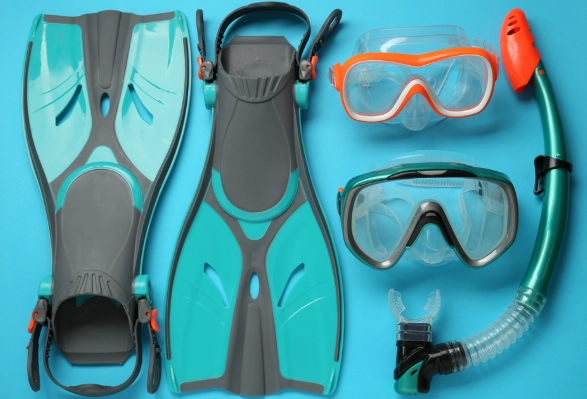
Here's a mistake I see all the time: People test a mask by placing it on their face, inhaling through their nose, and letting go. If it sticks, they buy it. This only tests suction, not fit during actual movement. When you smile, frown, or even just relax your cheeks underwater, that "perfect" seal can break.
How to Choose a Snorkeling Mask for Sensitive Eyes
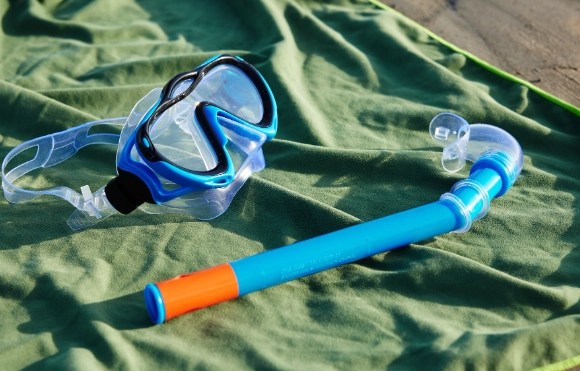
This is where you need to be picky. Think of the mask as having three critical parts: the skirt, the frame, and the lens. For sensitive eyes, the skirt is king.
1. The Skirt: Your First Line of Defense
The skirt is the soft part that seals against your skin. You want two things: softness and the right shape.
Soft, Medical-Grade Silicone: Look for terms like "hypoallergenic," "soft silicone," or "medical grade." This material is more pliable, molds to your face with less pressure, and is less likely to cause a reaction. Black skirts are often (but not always) made of higher-grade silicone than clear ones.
Skirt Shape & Fit: This is personal. Do you have a high bridge on your nose? A narrow face? Brands design skirts differently.
- Low-Volume Masks: These sit closer to your face. Less air space inside means less water to clear if a leak happens, and they often have a smaller skirt footprint, which can seal better on some faces. They're a top choice for comfort.
- Double-Flange Skirts: These have two layers of silicone. The inner layer is ultra-soft for comfort, the outer provides structure for the seal. Excellent for sensitive skin.
The only way to know is to try. Press the mask gently to your face without the strap. Inhale slightly through your nose and hold your breath. It should stay put with minimal suction. Now, talk or move your jaw. Does it break the seal immediately? If so, it's not your shape.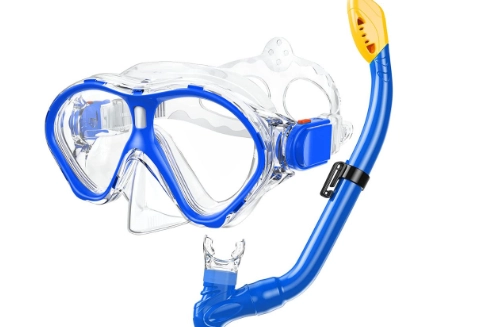
2. The Lens: Clarity Without Compromise
Tempered glass is non-negotiable. It's safety glass, and it's crystal clear. Avoid any mask with plastic (polycarbonate) lenses—they scratch easily and distort vision.
For sensitive eyes that are also light-sensitive, consider a mirrored or tinted lens. It cuts glare significantly, making the underwater world more comfortable to view, especially in bright tropical sun. It's like sunglasses for your mask.
3. The Frame: Integrated vs. Separate
Masks come with the frame built into the skirt (frameless or single lens) or as a separate plastic frame holding the lenses.
Frameless/Single Lens Masks: These are often more flexible and can conform to your face better. They're typically low-volume. A great option for a custom feel.
Framed Masks: The frame adds structure. Some people find the seal more consistent. They also allow for easier lens replacement or the addition of prescription inserts, which is a game-changer if you wear glasses.
| Feature | Why It Matters for Sensitive Eyes | What to Look For |
|---|---|---|
| Skirt Material | Prevents pressure points and allergic reactions; creates a gentle seal. | Hypoallergenic, medical-grade, or "soft" silicone. Double-flange design. |
| Mask Volume | Lower volume means less water inside if a leak occurs, easier to clear. | Low-volume or "close-fit" masks that sit near the face. |
| Lens Type | Provides clear, undistorted vision; reduces glare and eye strain. | 100% tempered glass. Mirrored/tinted option for light sensitivity. |
| Fit & Shape | The #1 factor in preventing leaks that cause stinging. | Must seal without the strap. Test by talking and smiling. |
Why Your Snorkel Matters More Than You Think
A good snorkel keeps water out of your mouth, which indirectly helps your eyes. How? If you're constantly choking on water because your snorkel's purge valve is faulty or the mouthpiece is uncomfortable, you'll panic. Panic leads to erratic breathing, facial tension, and... a broken mask seal.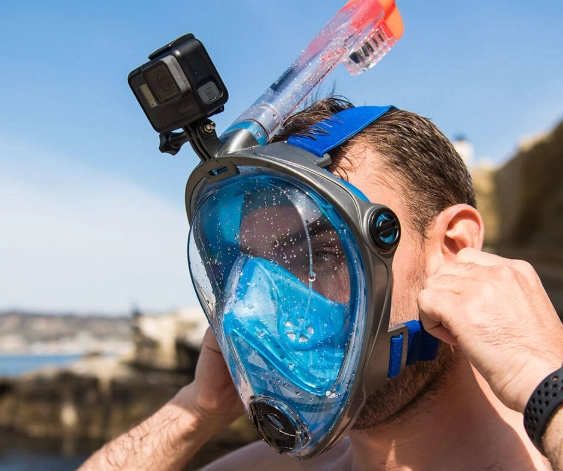
Choose a simple, semi-dry snorkel with a comfortable, flexible mouthpiece. The splash guard at the top prevents most waves from dumping in, and a good purge valve at the bottom lets you clear water with a sharp exhale. Avoid overly complex "dry" snorkels with bulky top valves—they can fail and are harder to clear.
The Gentle Solution to Fogging
Commercial anti-fog sprays are a minefield for sensitive eyes. They often contain alcohol and surfactants that can leave a residue, which then washes into your eyes.
The best method is also the oldest and gentlest: saliva. It sounds crude, but it works perfectly. Spit on the dry interior lens, rub it around thoroughly with your finger until it's a thin, even film, then give it one quick, light dunk in seawater to set it. Don't rinse it off completely. This creates a biological coating that prevents condensation from beading up.
If you can't get past the spit method, buy a dedicated natural anti-fog gel made for sensitive skin. Baby shampoo (a tiny drop mixed with water) is a popular diver's trick, but even that can irritate some people. Test anything new before your big trip.
Pro Tips for Your First Dive with New Gear
- Prep Your Skin: Rinse your face with fresh water before snorkeling to remove oils and sunscreen from the seal area. Avoid applying sunscreen or moisturizer directly on your forehead and cheeks where the mask sits.
- Strap Smarts: Place the mask strap above the bump on the back of your head, not across it. It should feel secure but not tight. If you have long hair, make sure no strands are under the skirt.
- The Final Check: Once in calm, shallow water, put your face in and breathe normally for a minute. Move your head side to side. Do you feel any cold trickles? If it's dry, you're golden. If not, adjust the strap placement or the skirt gently with your fingertips—sometimes a tiny shift is all it needs.
Remember, the goal is a seal that holds with the gentlest of pressure. When you find that mask, it feels like it's not even there. That's when the magic happens, and you can finally just enjoy the fish.
Your Questions, Answered
What is the most important feature in a snorkeling mask for sensitive eyes?
Can I use my prescription glasses with a snorkeling mask for sensitive eyes?
How do I prevent fogging without irritating my sensitive eyes?
Is a full-face snorkel mask safe for people with sensitive eyes?
Reader Comments