Let's be honest. The idea of your first open-water snorkel can be intimidating. Murky visibility, currents, waves, and the sheer depth of the ocean can turn excitement into anxiety. What if you panic? What if your mask floods and you don't know how to clear it? This is where almost every expert I've dived with—and my own twenty years of messing about in the water—will give you the same quiet advice: start in a swimming pool.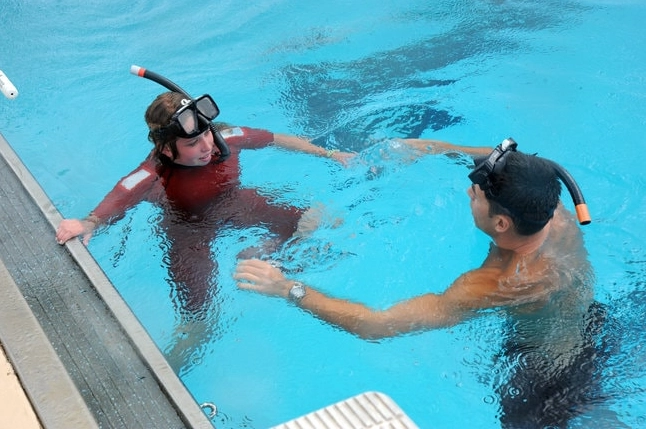
Practicing snorkeling in a pool isn't a compromise; it's a strategic masterstroke. It's your personal, controlled laboratory. You can isolate skills, make mistakes without consequence, and build muscle memory until everything becomes second nature. This guide isn't just about putting on a mask in chlorinated water. It's a detailed blueprint for transforming a familiar pool into the most effective training ground for your future ocean adventures.
What's Inside This Guide
Why Your Local Pool is the Ultimate Snorkeling Classroom
Think of the pool as flight simulator for snorkelers. No pilot learns to land a 747 in a storm on their first day. They log hours in a safe, repeatable simulator. The logic is identical.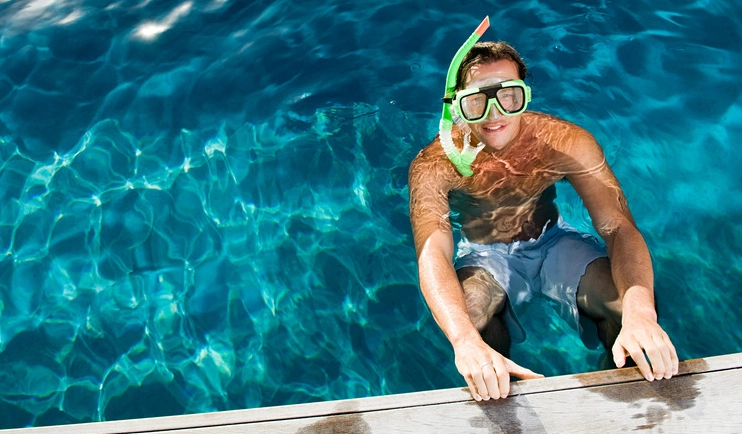
The core advantage is psychological safety. Anxiety is the number one enemy of a new snorkeler. It causes rapid breathing, which fogs your mask and empties your tank of air (your lungs) faster. In a pool, you can stand up. Instantly. That simple fact changes everything. It allows you to push your comfort zone incrementally. Try breathing through the snorkel with your face in the water for 30 seconds. Feel weird? Stand up, adjust, try again. This iterative learning is impossible in deep ocean water where you're reliant on your gear and skills entirely.
Then there's the clarity—literally. Pool water is clean and predictable. You can see your hands, your feet, the bottom. This visual feedback is crucial. You can watch how your fin strokes create bubbles and propulsion. You can see exactly how to tilt your head to clear a snorkel. You can practice retrieving a dummy object from the bottom and see your technique clearly. In many ocean environments, especially for beginners learning near shore, visibility can be two feet. You learn nothing except how to be blind and nervous.
Finally, it's about repetition and isolation. Want to work solely on your equalization technique for diving down? You can do fifty Valsalva maneuvers in a row in the deep end without fighting a current or worrying about marine life. Need to master clearing a fully flooded mask? Fill it up at the shallow end and drill it twenty times until it's a boring, automatic procedure, not a panic-inducing event.
A quick story: I taught a friend who was terrified of water. We spent four sessions just in a 4-foot pool section. Session one was putting her face in the water with the mask. Session four, she was diving to retrieve rings from the bottom, laughing. When we finally went to a calm bay, she was ready. She focused on the fish, not her fear. That transition only works if the foundational skills are utterly boring and automatic.
How to Find and Choose the Right Practice Pool
Not all pools are created equal for practice. Your ideal "snorkeling lab" has specific features. Don't just jump into the first community pool you find.
First, investigate public lap pools at community centers or gyms. These are often long (25 meters), have clear lane markings, and a deep end (usually 5-6 feet). The deep end is your friend for practicing buoyancy and gentle dives. Call ahead. Ask about their policy on "snorkel gear" or "fins." Most lap pools allow it as long as you're not interfering with swimmers. Go during off-peak hours—weekday mid-mornings are often dead. You might pay a drop-in fee of $5-$10.
University or school pools sometimes offer public swim hours and can be fantastic, often having deeper diving wells. Private backyard pools are the gold standard if you have access. You have total control.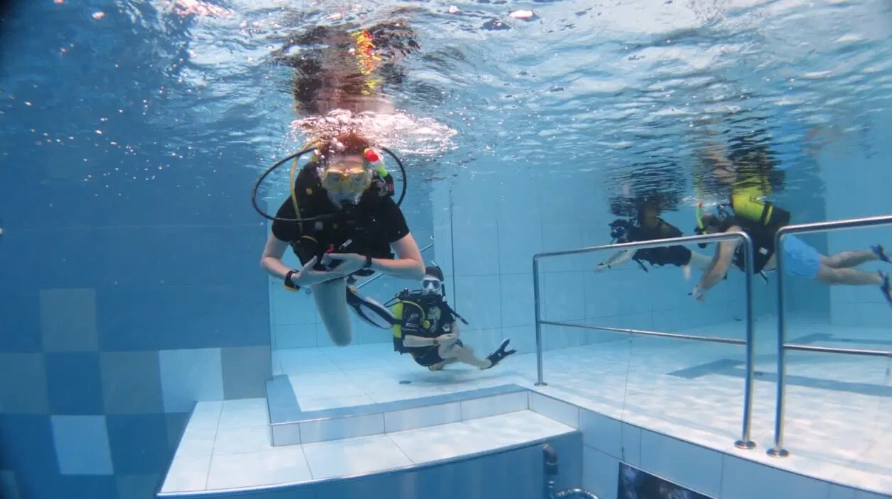
Here’s a breakdown to help you decide:
| Pool Type | Best For Practicing... | Things to Watch For |
|---|---|---|
| Shallow Community Pool (3-4 ft) | Initial mask/snorkel familiarization, breathing drills, floating. Perfect for absolute beginners or children. | Can feel limiting for diving practice. Often crowded with families. |
| Lap Pool (5-6 ft deep end) | Everything. The length is great for swimming laps with fins, the deep end allows for surface dives and buoyancy work. | Must respect lap swimmers. Stick to a lane or corner during quiet times. |
| Diving Well / Deep Pool (12+ ft) | Advanced skills: deeper free dives, prolonged buoyancy control, practicing controlled ascents/exhales. | Can be intimidating for true beginners. Requires more confidence in core skills first. |
A crucial, often overlooked tip: check the water temperature. A cold pool (below 78°F/25°C) will make you tense up and want to get out quickly, hindering relaxed practice. Heated pools or warm outdoor pools are ideal for longer, more productive sessions.
The Essential Gear for Pool Practice (And What to Skip)
You don't need the pro-level $200 mask for the pool. But you do need gear that works properly, because practicing with leaky, foggy, or uncomfortable equipment teaches you bad habits.
The Mask: This is non-negotiable. Go to a dive shop and get a mask that fits your face. The snorkeling sets from big-box stores are infamous for terrible mask fit. A good fit means placing the mask on your face without the strap, inhaling slightly through your nose, and letting go. The mask should stay suctioned to your face for a few seconds. No dive shop employee will mind you trying on twenty masks—it's normal. For the pool, a simple silicone skirt (clear or black) is fine. Pro-tip: Before your first pool session, scrub the inside lens with a tiny bit of toothpaste (non-gel) to remove the factory silicone coating that causes fogging. Rinse thoroughly.
The Snorkel: A basic J-shaped snorkel is perfect for pool practice. Avoid complex dry-top snorkels for now. They have more parts, can be harder to clear, and you need to learn the fundamentals with a simple tool. The key feature is a comfortable, flexible mouthpiece. Bite gently on the tabs; don't clamp down like you're trying to crack them.
Fins: Here's where I see a common mistake. People use short, stiff "pool exercise" fins or giant, heavy scuba fins. Neither is ideal. Get snorkeling fins. They are typically medium-length, flexible, and have a full foot pocket (not adjustable straps for booties). Brands like Cressi or Mares make affordable entry-level models. The right fin should propel you with easy, fluid kicks from the hip, not frantic ankle thrashing.
What to SKIP for Pool Practice: Don't bother with a snorkeling vest or buoyancy aid in the pool. You're in a controlled, shallow environment. Learning to manage your own buoyancy through breath control is a core skill. Also, skip the anti-fog spray for now—the toothpaste trick and occasional spit-and-rinse work fine in chlorinated water.
One more thing: Chlorine is harsh on gear. Always rinse your mask, snorkel, and fins thoroughly with fresh water after every pool session. It prevents the silicone from degrading and stops that nasty chlorine smell from embedding in your mouthpiece.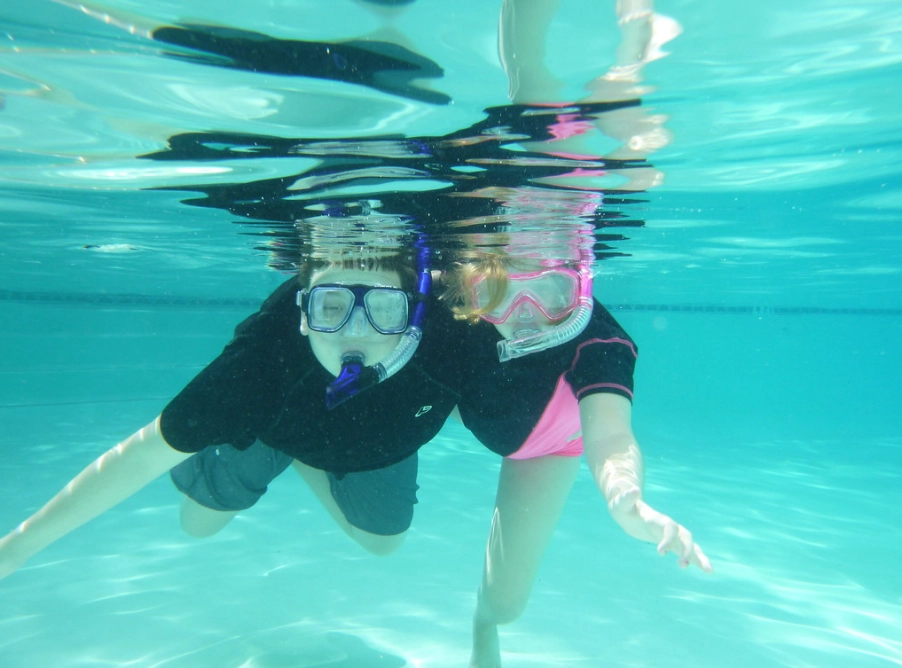
Your Step-by-Step Practice Drills & Skill Builders
Don't just swim laps. Have a plan. Structure your 45-minute pool session like a workout with specific goals.
Phase 1: The Shallow End Foundation (15 mins)
Start in water where you can stand comfortably.
Drill 1: Face-in-Water Breathing. No fins. Just mask and snorkel. Hold onto the gutter or stand. Put your face in, breathe slowly and deeply through the snorkel. Inhale for 4 seconds, exhale for 6. Listen to the sound. Get used to it. Do this for 2-3 minutes. The goal is calm, rhythmic breathing.
Drill 2: Snorkel Clearing (The Blast Method). With your face in the water, deliberately lift your head just enough so the top of the snorkel dips below the surface, letting water in. Then, resubmerge your face, look straight ahead, and give one sharp, forceful exhale (a "blast"). This should eject 95% of the water. A second smaller puff clears the rest. Practice this ten times. The mistake? Tilting your head back to clear—this just lets more water in. Look forward and blast.
Drill 3: Mask Clearing. Still in the shallow end. Hold the top of your mask frame firmly against your forehead. Look slightly upward. Exhale steadily and powerfully through your nose. The air from your nose will push the water out the bottom of the mask. Practice letting a little water in, then a lot. This skill feels alien until it doesn't.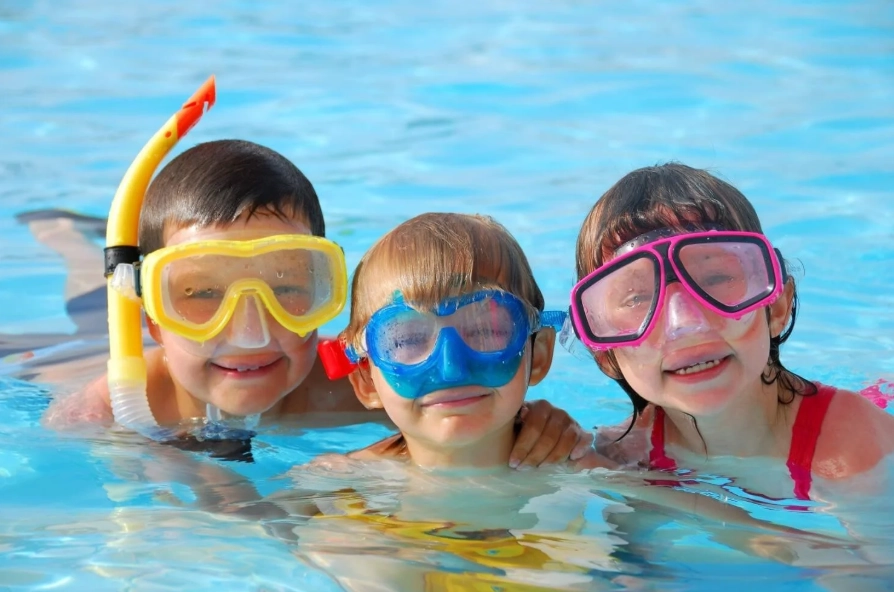
Phase 2: Mobility and Buoyancy (20 mins)
Move to deeper water (or the deep end if confident).
Drill 4: The Dead Man's Float. Inhale deeply, face in the water, arms and legs relaxed. See how your body floats. Exhale fully and feel yourself sink. This teaches you your natural buoyancy. Most people float with a full breath.
Drill 5: Finning Technique. Hold onto the wall or a kickboard. Practice slow, straight-legged kicks from the hip. Small, controlled movements, not giant splashes. Feel the propulsion. Then try swimming a length using only your fins, arms at your sides. Focus on a slow, steady rhythm.
Drill 6: Surface Diving. From a horizontal swimming position, lift your hips high, point your head and arms straight down toward the bottom, and give a strong kick or two. You'll pivot downward. Once vertical, use gentle fin strokes to go down a few feet, touch the bottom, and push back up. Practice exhaling gently on the way up.
Phase 3: Integration (10 mins)
Drill 7: The Obstacle Course. Create a simple course. Swim a lap breathing normally. At the turn, "accidentally" flood your snorkel, clear it, and continue. Mid-lap, stop, flood your mask partially, clear it, and keep going. Pick a spot on the bottom to dive down and touch. This links the skills together in a sequence, mimicking the unpredictable nature of real snorkeling.
Moving Beyond Basics: Simulating Open Water
Once the core skills are solid, you can use the pool to simulate open-water challenges creatively.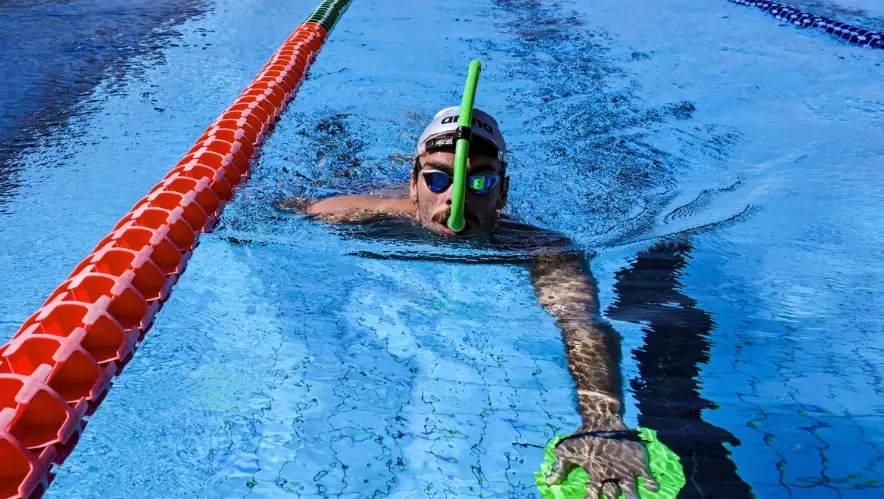
Simulating Currents: Swim laps against the resistance of a pool tether (a simple belt with a bungee cord attached to the pool ladder). You can fin hard but stay in place, building stamina. Or, if you have a long pool, swim one length hard (simulating a current), then turn and swim back slowly (simulating a rest in calm water).
Low-Visibility Drills: This is a game-changer. Buy a cheap, non-toxic black mask cover or use a well-rubbed, old mask. Practice your skills without being able to see clearly. Navigate from one side of the pool to the other by feel and orientation. Find and retrieve an object from the bottom. It trains you to rely on proprioception and calmness, not vision.
Buddy Skills: If practicing with a partner, practice simple hand signals (OK, Problem, Look at that). Practice swimming side-by-side while maintaining awareness of where they are without constantly looking. One of you can close your eyes (safely, with a spotter) while the other guides you with gentle taps, simulating a guide assisting in poor vis.
The goal of these advanced drills isn't to replicate the ocean perfectly—that's impossible. It's to introduce controlled variables and stress so that when you encounter the real variable (ocean current, stirred-up sand), your brain recognizes it as just another drill, not a crisis.
Your Pool Practice Questions, Answered
Can pool practice really prepare me for ocean snorkeling, or is it too different?
It prepares you for the mechanical and psychological parts, which are 80% of the battle. The ocean adds environmental variables—waves, salt (which increases buoyancy), currents, and marine life. But if you have mastered breathing, clearing, finning, and buoyancy control in the pool, your brain is free to handle those new variables instead of panicking about basic skills. You'll be adapting, not learning from zero.
What's the one mistake most people make when transitioning from pool to ocean?
Over-reliance on standing up. In the pool, the safety net of putting your feet down is always there. In the ocean, you often can't. The mental shift is huge. To combat this, during your final pool sessions, impose a "no standing" rule in the deep end. If you need to adjust your mask or rest, practice floating on your back or treading water with your fins. Make surface recovery your default, not standing.
My mask keeps fogging in the pool even after I treated it. What am I doing wrong?
Chlorine is a persistent foe. First, ensure you did the toothpaste scrub on a brand new mask. For maintenance, the old diver's trick is the best: spit in the mask, rub it all over the lens, give it a quick rinse (not a thorough one), and put it on. Your own saliva creates a great bio-film that prevents fogging. It's not glamorous, but every diver does it. Commercial anti-fog can react with chlorine and get gummy.
How long should I practice in a pool before trying the ocean?
There's no set hour count. It's a competency checklist. Can you: 1) Swim 4 pool lengths with fins without getting winded? 2) Clear a fully flooded snorkel on the first try, every time? 3) Clear a half-flooded mask without lifting your head from the water? 4) Surface dive to the bottom of the deep end and return comfortably? If you can do all that in the pool without thinking, you're ready for a calm, protected ocean environment like a sheltered bay or lagoon. Don't make your first ocean spot a choppy, current-swept channel.
Is it worth practicing without fins to build strength?
For general swimming fitness, sure. For snorkeling-specific practice, I'd say no. Your goal is to train the movement patterns you'll actually use. Snorkeling efficiency comes from proper finning technique. Practicing without fins can lead to developing inefficient, compensatory kicking habits. Use your fins for 90% of your pool time. If you want leg strength, do squats on land.
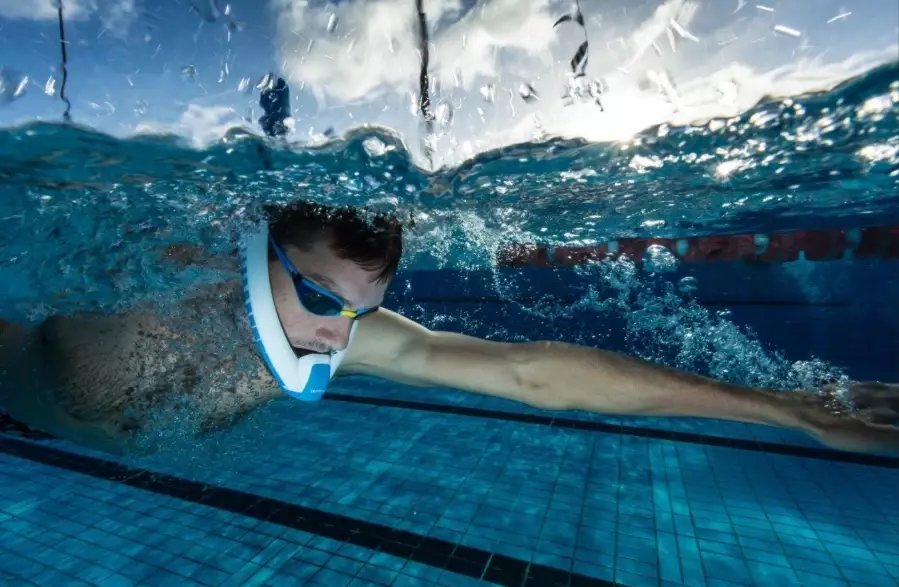 The journey from poolside to reef side is one of the most rewarding skills you can learn. It opens up a silent, weightless world. By investing time in the humble swimming pool, you're not taking a shortcut. You're building the deepest kind of confidence—the kind that comes from repetition, mastery, and knowing you've prepared for the variables you can control. So find your pool, pack your gear, and start your drills. The ocean will wait, and it'll be far more welcoming when you arrive prepared.
Reader Comments