That first glimpse into a coral reef world is pure magic. Schools of neon fish dart between brain corals, a sea turtle glides past without a care, and the sun paints the water in shifting beams of light. But I've also seen the flip side—snorkelers kicking up sand clouds, standing on fragile coral, or struggling with a leaky mask. A great snorkeling trip isn't just luck; it's about preparation and respect. This guide cuts through the generic advice. I'll share the gear choices that actually matter, the etiquette most beginners miss, and how to pick a destination that matches your dream, whether that's swimming with manta rays or finding a secluded cove.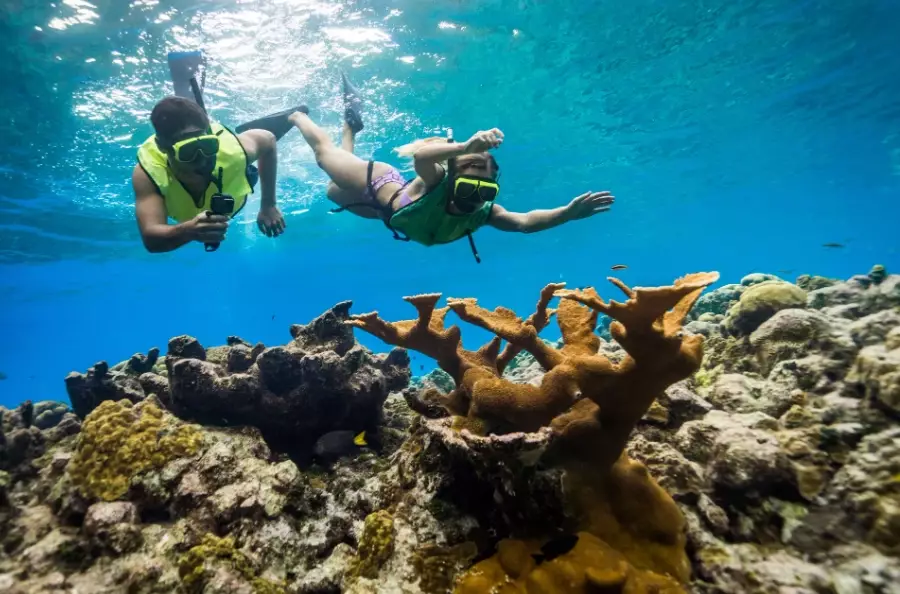
Your Quick Dive Map
Gear Essentials: Choosing the Right Snorkeling Kit
Forget the fancy gadgets for a minute. Comfort and fit are everything. An ill-fitting mask that floods will ruin your day faster than anything.
I always recommend buying your own mask and snorkel, even if you're a beginner. Rental gear is often scratched, loose, and just...gross. A basic silicone mask and dry-top snorkel won't break the bank.
The Mask Fit Test (The Most Skipped Step)
Here's the trick most shops won't show you: place the mask on your face without the strap. Inhale gently through your nose. The mask should suction to your face and stay put for a few seconds without you holding it. If it falls, it's not sealing. Check for hair caught in the skirt. This simple test saves you from a leaky mask in the ocean.
Fins: The Power Source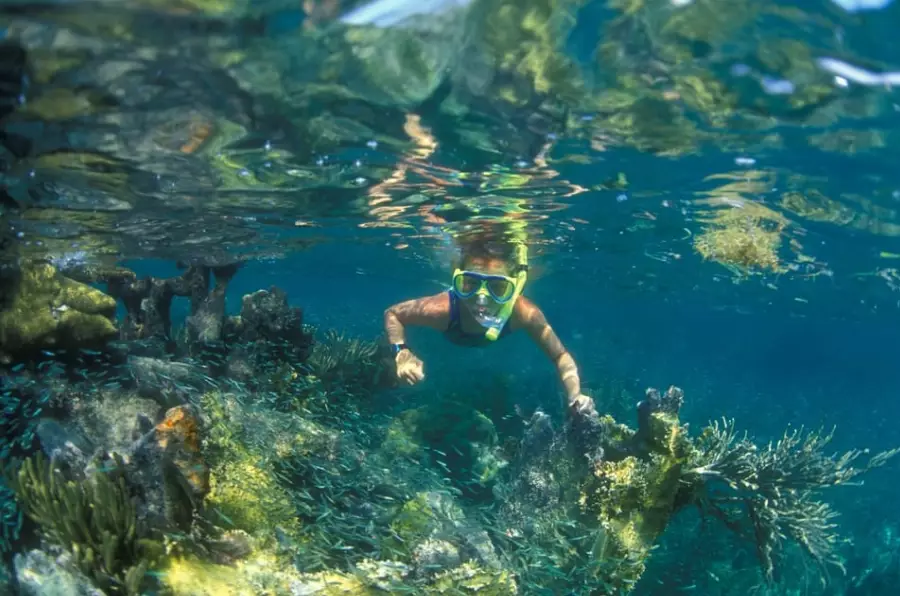
Full-foot fins (like slippers) are best for warm water from a boat or beach. Open-heel fins (with adjustable straps) are for colder water where you'll wear booties. The key is stiffness. Stiffer fins give more power but tire your legs faster. Softer fins are easier for beginners. Don't get the longest fins you can find—they're cumbersome and increase the risk of kicking coral.
A Quick Word on Full-Face Snorkel Masks
They're popular, but controversial. The main issue is CO2 buildup. Poor designs can trap exhaled air, leading to dizziness or headaches. If you choose one, select a reputable brand with a separate inhalation/exhalation chamber and a certified safety valve. For most people, a traditional separate mask and snorkel is still the safer, more reliable choice.
Mastering the Technique: Breathing, Buoyancy & Movement
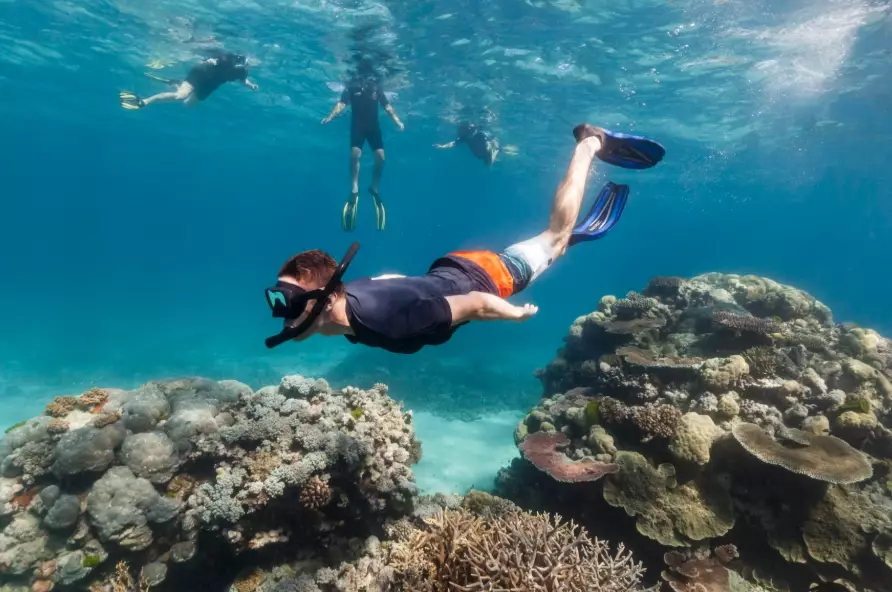
You're not just swimming; you're hovering. The goal is to be a calm, buoyant observer, not a thrashing motorboat.
Breathing: Practice in a pool first. Breathe slowly and deeply through your mouth. The sound should be a steady, rhythmic Darth Vader hum. Short, panicked breaths fog your mask and tire you out.
Buoyancy: Most beginners either sink too much or float like a cork. A snorkeling vest (often provided on tours) is a great safety tool, but you can adjust your lungs. To sink a bit, exhale fully. To rise, inhale deeply. Use minimal fin movements—small, fluid kicks from the hips, not frantic knee-bends.
Defogging Your Mask: Spit in it. Rub the saliva around the lens, then give it a quick rinse. It works better than most commercial sprays and it's free. Just do it discreetly.
Coral Reef Etiquette & Safety: The Non-Negotiables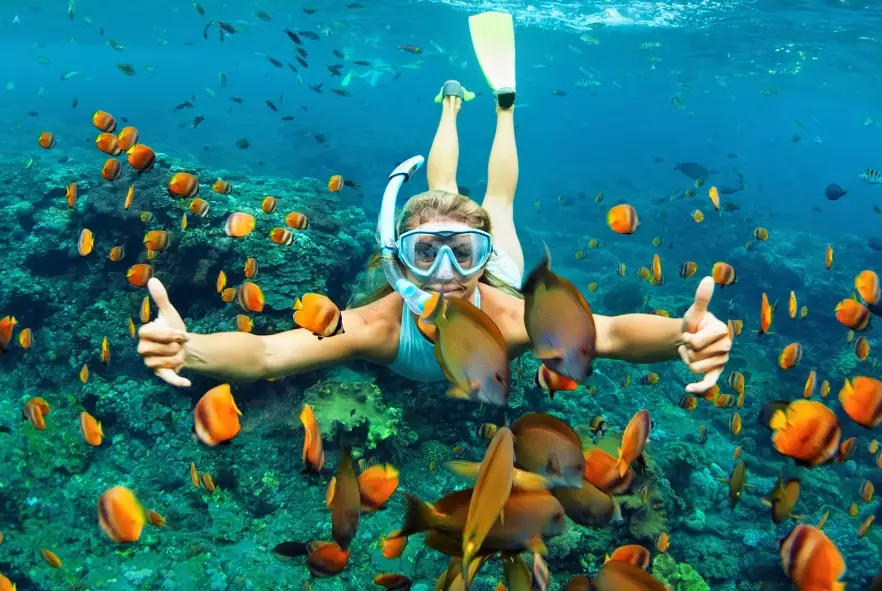
This is where a good snorkeler becomes a great one. Coral reefs are living, fragile animals. A single touch can kill a coral polyp that took decades to grow.
No Touch, No Stand, No Chase. Maintain a body's length away from the reef. Never stand on coral, even if it looks like a rock. If you need to adjust your gear, float vertically and tread water gently, or swim to a sandy patch.
Sunscreen Matters. Chemicals in most sunscreens (like oxybenzone and octinoxate) bleach and kill coral. It's banned in places like Hawaii and Palau for a reason. Use a mineral-based, reef-safe sunscreen with zinc oxide or titanium dioxide. Apply it at least 15 minutes before entering the water. Better yet, wear a rash guard or UV shirt—it's more effective and creates zero pollution.
Marine Life Protocol. Don't chase or try to touch turtles, rays, or fish. It stresses them. If a curious creature approaches you, stay still and enjoy the moment.
Top 5 Coral Reef Snorkeling Destinations Worldwide
Not all reefs are created equal. Some are bustling fish cities, others are serene gardens. Your choice depends on what you want to see and your comfort level.
| Destination & Region | Best Time to Visit | What Makes It Special | Skill Level |
|---|---|---|---|
| Great Barrier Reef, Australia (Queensland) | June to October (dry season, best visibility) | Sheer scale & biodiversity. The outer reefs (accessed from Cairns/Port Douglas) offer pristine coral gardens. Agincourt Reef is a standout. | Beginner to Advanced (depends on site) |
| Maldives (Indian Ocean) | November to April (dry NE monsoon) | Guaranteed manta ray & whale shark sightings at cleaning stations. Incredibly clear, warm water over house reefs. | Beginner Friendly (calm lagoons) |
| Raja Ampat, Indonesia (West Papua) | October to April | Epicenter of marine biodiversity. More fish & coral species than anywhere else. A true adventure for serious snorkelers. | Intermediate to Advanced (strong currents) |
| Bonaire (Caribbean) | Year-round | The shore snorkeling capital. Simply walk in from marked sites like 1000 Steps or Klein Bonaire. Easy, accessible, and fantastic. | All Levels (especially beginners) |
| Bay Islands, Honduras (Roatán & Utila) | March to September | Affordable Caribbean option with healthy reefs and whale shark potential (especially around Utila). Great for budget travelers. | Beginner to Intermediate |
I have a soft spot for Bonaire. The freedom to snorkel on your own schedule, right from the shore, is unbeatable. You can spend an hour at a site, have lunch, and try another spot—all without booking a single boat tour.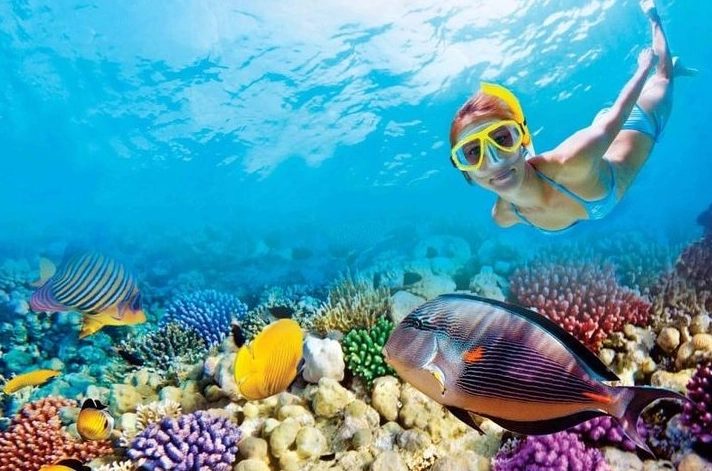
Planning Your Trip: A Step-by-Step Checklist
Eight weeks before you go, start ticking these boxes. It makes the actual trip stress-free.
- Research & Book: Pick your destination based on season (avoid rainy/monsoon seasons for best visibility). Book accommodations with easy reef access (a house reef or short boat ride).
- Gear Check: Buy/test your mask, snorkel, and fins. Pack a rash guard, reef-safe sunscreen, and a waterproof bag.
- Fitness Prep: If you're not a strong swimmer, take a few refresher lessons. Comfort in the water is your best safety tool.
- Tour Vetting: If booking tours, look for small-group operators with marine biologist guides. Read reviews specifically about their environmental practices.
- Travel Insurance: Get a policy that covers medical evacuation and water sports. It's non-negotiable.
- Final Week: Re-check flight and tour times. Download offline maps. Charge your underwater camera.
Your Snorkeling Questions, Answered
 The ocean is a shared treasure. With the right preparation and a respectful approach, your coral reef snorkeling adventure will be more than just a holiday activity—it'll be a memory that fuels your desire to protect these incredible underwater worlds for years to come. Now go find your flippers.
Reader Comments