The first time you slip into the water and see that shadow materialize into a living school bus, spotted and serene, everything else fades away. Your breathing through the snorkel becomes the loudest sound in the world. Snorkeling with whale sharks isn't just a bucket list item; it's a perspective shift. But between the dream and the reality lies a lot of planning, and frankly, some confusion. Not all experiences are created equal. I've done this from Mexico to the Philippines, and I've seen the good, the bad, and the unfortunately crowded. This guide cuts through the noise.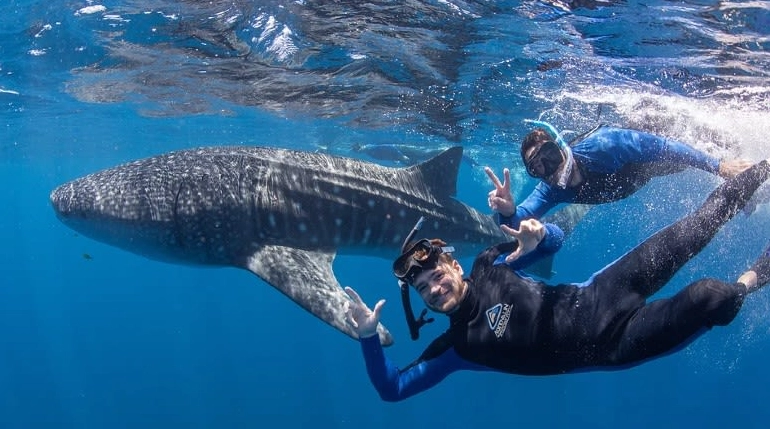
What's Inside This Guide?
Top Spots to Snorkel with Whale Sharks
Forget the idea of one perfect place. The "best" spot depends on the season, your budget, and the type of experience you want—wild and unpredictable or reliably seasonal. Here’s a breakdown of the major players.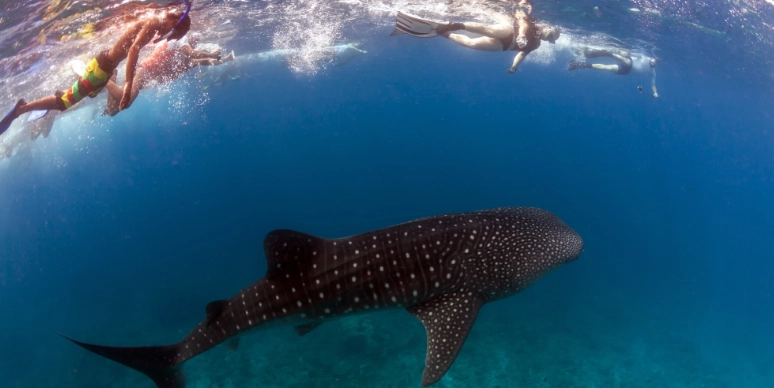
Isla Holbox & Isla Mujeres, Mexico (Seasonal Aggregation)
From mid-May to mid-September, the plankton-rich waters off the Yucatan Peninsula host one of the largest aggregations of whale sharks on the planet. Hundreds gather to feed. The pros? Incredible numbers. The cons? It can feel like a marine safari with dozens of boats jockeying for position. Regulations are strict (no touching, maintain distance), but enforcement varies.
- Location: Tours depart from Isla Holbox, Isla Mujeres, or Cancun. Holbox is more rustic and charming; Isla Mujeres is more developed.
- Best Time: Peak is June-August. Go on a weekday if possible.
- Getting There: Fly to Cancun (CUN). Holbox requires a taxi to Chiquila and a ferry.
- Tour Cost: $120-$180 USD per person. Includes lunch, gear, and park fees.
Ningaloo Reef, Western Australia (The Long Season)
This is my personal favorite. From March to July, whale sharks cruise along the world's largest fringing reef. The Australian approach is highly regulated, with spotter planes coordinating with a limited number of licensed vessels. It feels more organized and less chaotic than some other locations. The water is stunningly clear, and you're on the magnificent Ningaloo Reef—bonus.
- Location: Exmouth or Coral Bay are the launch points.
- Best Time: April to June offers the best combination of reliable sightings and calm weather.
- Getting There: Fly to Learmonth (LEA) airport near Exmouth from Perth or other major Australian cities.
- Tour Cost: A premium experience, typically $350-$450 AUD. The spotter plane cost is baked in, which dramatically increases sighting success.
Oslob, Philippines (The Controversial One)
Here's where I need to give a strong opinion. In Oslob, Cebu, fishermen hand-feed whale sharks (locally called "Butanding") to keep them near shore year-round. It's 100% guaranteed you'll see them, often very close. But this is not natural behavior. Studies, including those referenced by the IUCN, suggest provisioning can disrupt migration, alter feeding patterns, and cause boat-strike injuries. The experience feels more like a zoo exhibit than a wild encounter. I can't in good conscience recommend it for the ethically-minded traveler seeking a true wildlife interaction.
| Destination | Prime Season | Experience Type | Cost Range (USD) | Ethical Consideration |
|---|---|---|---|---|
| Isla Holbox, Mexico | Jun-Aug | Large seasonal aggregation, can be busy | $120-$180 | Regulated but high boat traffic |
| Ningaloo, Australia | Mar-Jul | Highly organized, spotter plane assisted | $250-$350 | Gold standard for regulation & low impact |
| Donsol, Philippines | Nov-Jun | Wild, in-water interaction with strict rules | $50-$80 | Original PH ecotourism model, no feeding |
| South Ari Atoll, Maldives | Year-round | Resident population, liveaboard options$150-$250 (day trip)Generally good, depends on operator |
How to Choose an Ethical Whale Shark Tour
Your choice of operator makes or breaks the experience—for you and the shark. Look beyond the price and glossy photos.
Ask these specific questions before booking:
- Group Size: "How many snorkelers will be in the water at one time per shark?" A good answer is 4-6, max. More than that creates a stressful scrum.
- Guide-to-Guest Ratio: Do they have enough guides in the water to actively manage and position guests, not just shout from the boat?
- Engine Protocol: Do they turn off the engine and drift when approaching, or do they keep it in gear to chase? Chasing is a major red flag.
- Code of Conduct: Do they brief you thoroughly? Any operator that says "you can touch it if it comes close" should be avoided immediately.
- Affiliations: Look for membership in local eco-associations (e.g., Whale Shark Research Centre in Exmouth) or adherence to a recognized code like the one from the NOAA.
When is the Best Time to See Whale Sharks?
This is the million-dollar question. Timing is everything because these animals follow their food. The table below gives you a cheat sheet, but remember: nature isn't a theme park. There are no guarantees.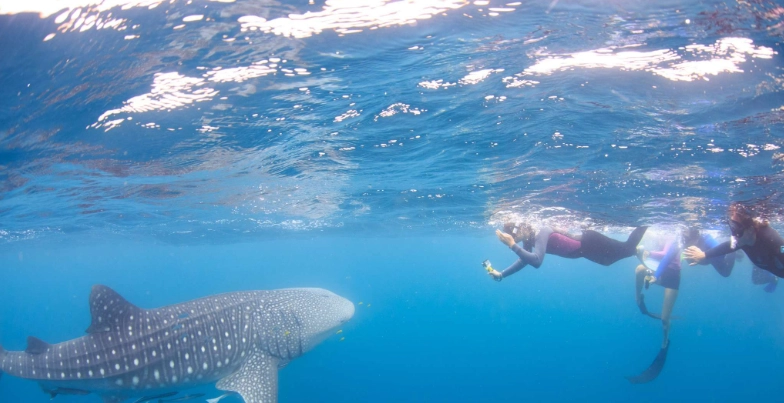
Your best strategy is to target the middle of the known season, not the very beginning or end. In Mexico, late July is more reliable than late May. In Australia, April-May is the sweet spot. Always build in a buffer of a few days. If your tour has a "sighting guarantee," read the fine print—it usually means a free second trip, not a refund.
Gear Essentials Beyond the Basics
The tour provides a mask, snorkel, and fins. That's the bare minimum. Bringing a few key items of your own dramatically improves the experience.
Must-Have Personal Gear
A High-Quality Mask That Fits: A leaky, foggy rental mask will ruin your day. Invest in a low-volume snorkeling mask from brands like Cressi or Aqua Lung. Test the seal on your face without the strap before buying.
Anti-Fog for Your Lens: Not the cheap spit-and-rinse stuff. Get a proper gel or spray. Apply it the night before and let it dry. Rinse lightly just before entering the water. This is a tiny tip that has a huge impact.
A Rash Guard or Full Wetsuit: Even in warm water, you'll be floating for an hour or more. A 1-2mm rash guard or shorty provides sun protection (critical) and prevents jellyfish stings. In Australia or early-season Mexico, a 3mm full suit is wise.
Floating Strap for Your Camera: If you're using a GoPro or waterproof camera, a floating wrist strap is non-negotiable. Dropping it into 1000 feet of blue water is a real possibility.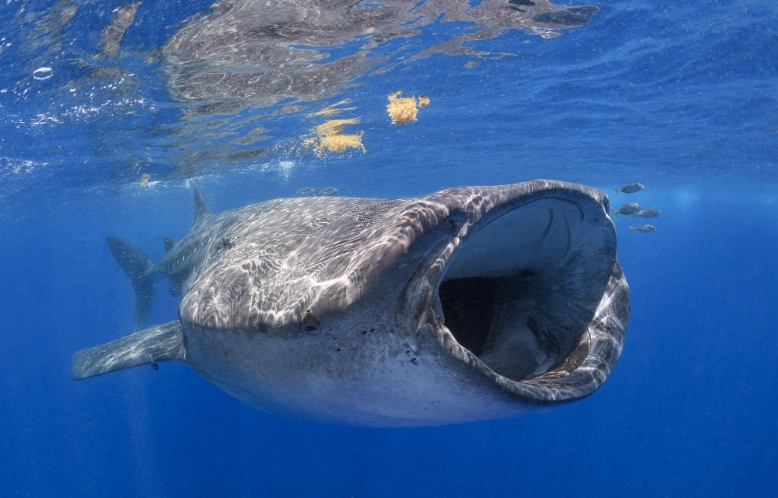
In-Water Safety & Whale Shark Etiquette
This is where most briefings fail. They tell you the rules (don't touch, stay 3-4 meters away), but not the how.
The biggest mistake? Flailing and kicking hard to keep up. You'll never outswim a whale shark. You'll just exhaust yourself and scare the animal. The key is buoyancy and positioning.
When you enter the water, get your bearings fast. Let the current or your gentle fin strokes bring you to the side of the shark, not directly behind or in front. Aim for a parallel position. Then, relax. Use minimal, efficient kicks. If the shark dives, let it go. Don't dive down after it. Your guide should be positioning the group for the next opportunity.
Sunblock might seem like a skincare issue, but it's an environmental one. Chemical sunscreens (containing oxybenzone, octinoxate) bleach and kill coral reefs. Before you even get near a whale shark, you're jumping into its ecosystem. Use a mineral-based (zinc oxide/titanium dioxide), reef-safe sunscreen, and apply it at least 20 minutes before boarding the boat to let it absorb.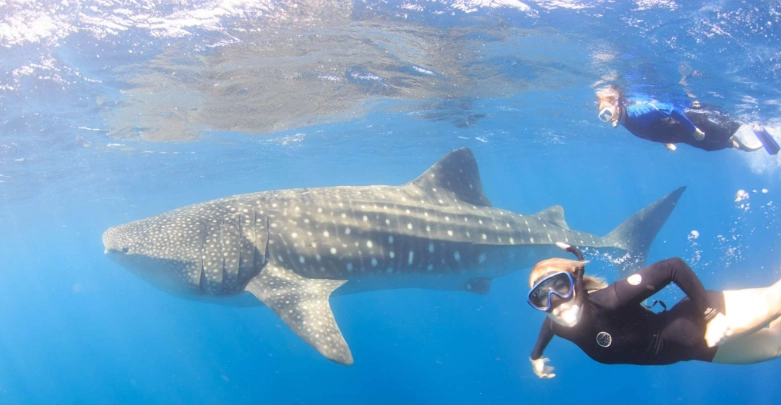
Your Whale Shark Snorkeling Questions Answered
I'm not a strong swimmer. Can I still snorkel with whale sharks?
It depends more on your comfort in open water than your swimming speed. Many operators provide pool noodles or buoyancy vests. The real skill is floating calmly and using fins efficiently. Discuss your concerns with the operator beforehand. In places like Donsol, Philippines, you often hold onto a guide's kayak while being towed into position, which requires almost no swimming.
How close do you actually get to the whale sharks?
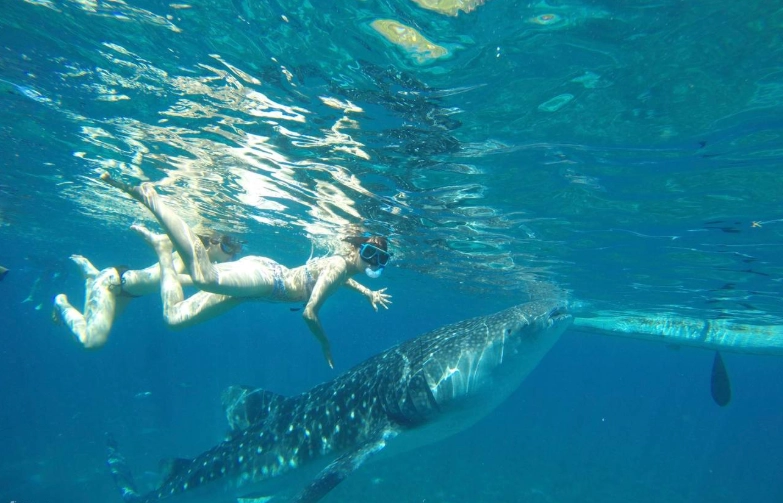
Regulations typically mandate 3-4 meters (10-13 feet). In practice, a curious whale shark might close that gap from its side. Your job is to hold your position. The best views aren't from being on its tail; they're from being slightly off to the side, watching the entire majestic animal glide past. That distance gives you the full picture.
What's the one piece of advice you wish everyone knew before going?
Manage your expectations for the encounter itself. It's not a 30-minute swim alongside a single shark. It's often a series of 2-5 minute interactions over a few hours. There's waiting, scanning the horizon, and quick entries. The magic is in those brief, intense moments of connection. If you go in expecting a prolonged, peaceful duet, you might be disappointed. If you go in ready for a dynamic wildlife safari, you'll be blown away.
 Are there any less-crowded alternatives to the famous spots?
Absolutely. Consider Tofo Beach in Mozambique (peak season Nov-Feb) or the Bay Islands of Honduras (Utila, specifically from March-April). These sites have smaller, more sporadic aggregations, which means fewer boats. The trade-off is a lower guarantee of a sighting on any given day, but the experience can feel more exclusive and adventurous.
How can I tell if my photos will be any good?
Forget trying to get the whole shark in frame—they're too big. Focus on compelling details: the unique spot pattern on its side (like a fingerprint), its massive pectoral fin cutting the water, or the pilot fish hitching a ride near its mouth. Shoot in video mode and grab stills later. And look down! Some of the most stunning shots are from above, with the shark's spotted back against the deep blue.
Reader Comments