Let's be honest. The idea of snorkeling in the open ocean can be intimidating. Currents, waves, deep water—it's not for everyone. That's where lagoons come in. Snorkeling in a lagoon is like finding the training wheels version of the ocean, but one that's often packed with even more marine life per square meter. It's sheltered, shallow, warm, and frequently bursting with color. I've spent over a decade chasing these protected pockets of water from the South Pacific to the Caribbean, and I'm here to tell you it's the absolute best way to start your underwater journey or enjoy a stress-free, spectacular float.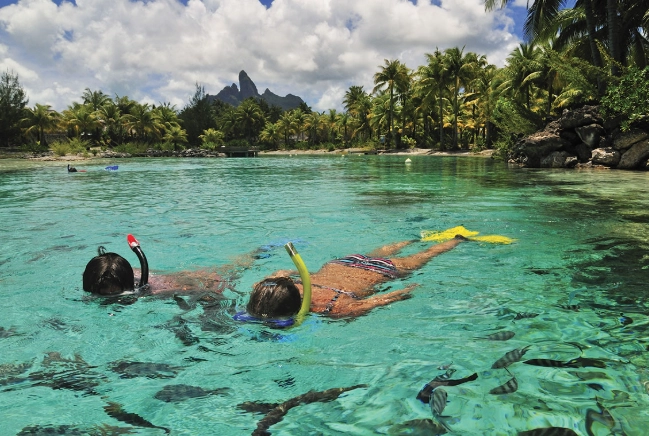
Your Lagoon Snorkeling Roadmap
- Why a Lagoon Beats the Open Ocean for Snorkeling
- How to Pick Your Perfect Lagoon Snorkeling Spot
- 3 World-Class Lagoons You Can Actually Snorkel (Details Inside)
- Planning Your Lagoon Snorkeling Day: A Sample Itinerary
- Lagoon-Specific Gear & The Big Mistake Everyone Makes
- Pro Techniques for Lagoon Snorkeling (Beyond "Just Float")
- Your Lagoon Snorkeling Questions, Answered
Why a Lagoon Beats the Open Ocean for Snorkeling
This isn't just about calm water, though that's a huge part of it. Lagoons are ecological sweet spots. The barrier reef or sandbank that creates them acts as a filter, breaking big waves but allowing a gentle exchange of water. This creates a unique environment.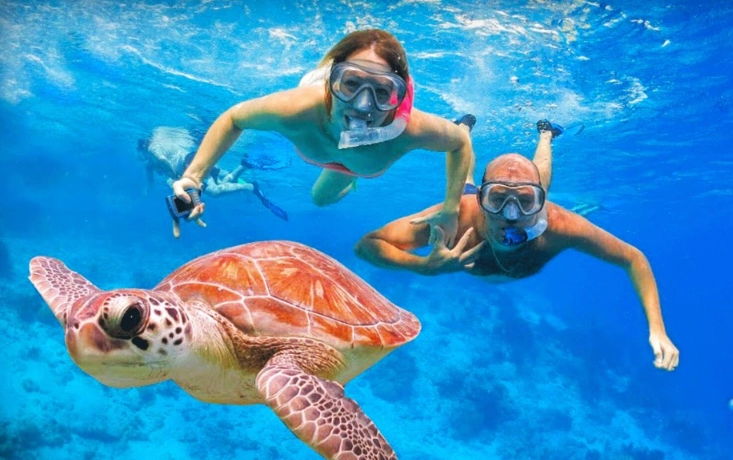
Calm & Shallow Waters: You're often standing in waist-deep water looking at a thriving coral garden. This is a game-changer for nervous swimmers, kids, or anyone who wants to relax and observe without fighting a current.
Concentrated Life: The protected, nutrient-rich environment of a lagoon is a nursery. You'll see more juvenile fish, intricate coral formations, and creatures like stingrays and sea cucumbers that love sandy, calm bottoms. It's like snorkeling in an aquarium, but real.
Accessibility & Warmth: You can frequently walk in from a beach. No boat needed. The shallow water also heats up faster, making it comfortably warm—no need for a thick wetsuit, usually just a rash guard.
The biggest misconception? That lagoons are boring compared to the "deep blue." I've had more memorable encounters in three feet of lagoon water than on many deep reef dives.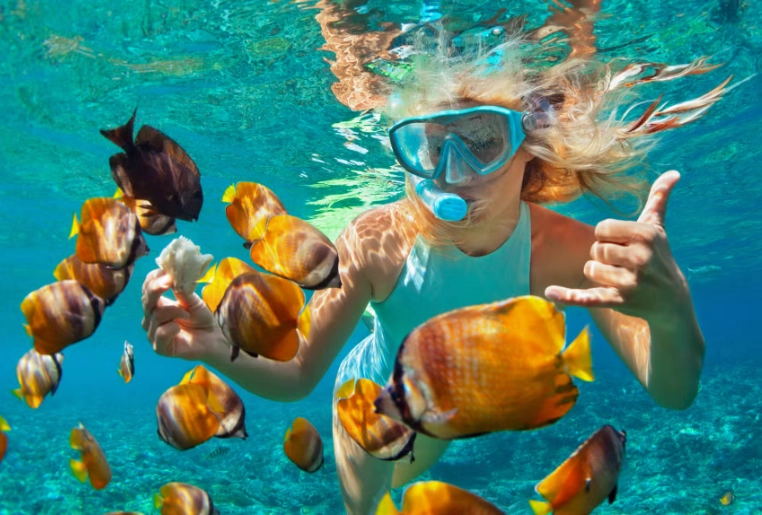
How to Pick Your Perfect Lagoon Snorkeling Spot
Not all lagoons are created equal. A murky, sandy lagoon behind a mangrove isn't what we're after. Here’s what to look for when researching or asking locals:
- Clear Water Connection: The lagoon needs a good tidal flow through channels in the reef. Stagnant lagoons have poor visibility. Look for spots marked as "channels" or "passes" on maps—these are often fish highways.
- Sandy Bottom with Patch Reefs: The ideal mix. Sandy areas let light in for great visibility, while scattered coral heads ("bommies") attract all the fish. Avoid lagoons that are just one continuous, deep seagrass bed if you want color.
- Protected Status: A lagoon in a marine protected area (MPA) is usually a sure bet. The fish are less wary, the coral healthier. Check if your destination has an MPA. For example, information on global coral reef protection efforts can be found through organizations like the United Nations Environment Programme.
- Local Knowledge is Key: The best spots are rarely the ones packed with tour buses. Ask your hotel host, a local dive shop, or even a fisherman where they would go for a quiet snorkel.
3 World-Class Lagoons You Can Actually Snorkel (Details Inside)
Here are three diverse lagoons that perfectly illustrate what's possible. I've snorkeled all of them, and the details below are what I wish I'd known before I went.
| Lagoon Name & Location | What Makes It Special | Key Practical Info | Best For |
|---|---|---|---|
| Moorea's Lagoon, French Polynesia (Between Cook's & Opunohu Bays) | Stunning blacktip reef sharks & rays in knee-deep water. The iconic "shark nursery." Coral gardens are accessible right off the beach at many hotels. | Access: Public beach access points or book a lagoon tour from Vaiare. Cost: Free from public beaches; tours ~$80. Tip: Go in the morning before wind affects visibility. | Unforgettable animal encounters, families, photographers. |
| Silfra Lagoon, Iceland (Þingvellir National Park) | A geological wonder—snorkel between tectonic plates in crystal-clear glacial water. Zero marine life, but 100+ meter visibility. | Access: Guided tour ONLY (strict park rules). Cost: $150+ (includes drysuit). Timing: Year-round, but summer is less...bracing. Book months ahead. | Adventure seekers, unique experience, extreme water clarity. |
| Bora Bora Lagoon, French Polynesia (Around the motus) | The poster child for lagoon snorkeling. Protected, warm, and home to dedicated coral gardens and manta ray cleaning stations. | Access: Almost exclusively via resort or tour boat. Cost: Part of most resort activities or $100+ for a half-day tour. Note: The main island's shoreline is not great for DIY snorkeling. | Luxury, all-inclusive experience, first-time snorkelers. |
Planning Your Lagoon Snorkeling Day: A Sample Itinerary
Here’s how a perfect, low-stress lagoon snorkeling day looks. This is based on a typical tropical destination like the Caribbean or Pacific.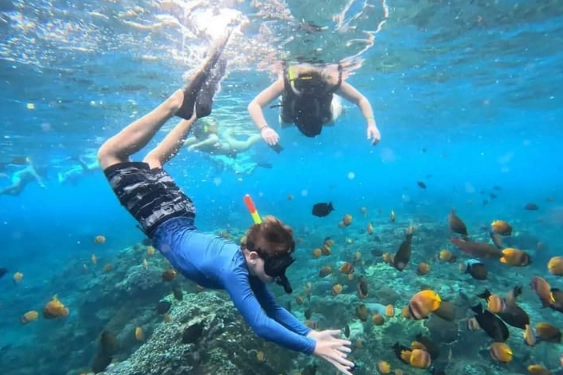
8:00 AM: Breakfast. Hydrate with water, not just coffee. Apply your first layer of reef-safe sunscreen (zinc oxide/titanium dioxide based) 30 minutes before you plan to get wet.
9:00 AM: Arrive at the lagoon. Morning is almost always best. The wind is typically down, so the water surface is like glass, and the sun angle lights up the underwater world perfectly. This is the pro tip most day-trippers miss—they show up at noon when the water can get choppy and the light is harsh.
9:15 AM - 11:30 AM: Snorkel session. Start in the shallowest, calmest area to adjust your gear. Then, slowly work your way along the edge of a channel or towards coral heads. Don't swim aimlessly. Float, watch, and let the fish come to you.
11:30 AM: Break on the beach. Rehydrate, eat a snack (fruit, nuts), reapply sunscreen. Your back will thank you.
12:00 PM: Second, shorter snorkel. The light will be different, often better for seeing into crevices in the coral. Look for different things—maybe focus on the sandy bottom for garden eels or buried stingrays.
1:00 PM: Pack up. The wind usually picks up in the early afternoon, which can make snorkeling less pleasant and stir up sand, reducing visibility.
Lagoon-Specific Gear & The Big Mistake Everyone Makes
You don't need fancy gear, but the right gear makes all the difference. The standard rental mask-and-snorkel set often fails in a lagoon.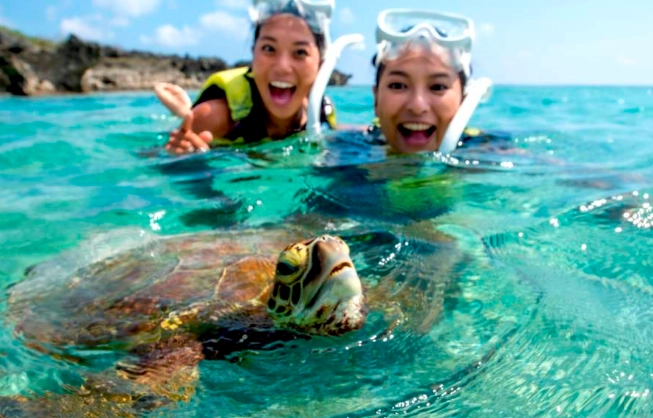
The Must-Haves:
- A Quality Mask That Fits: This is non-negotiable. Foggy, leaking rental masks ruin the experience. For lagoons, consider a mask with a slightly wider field of view (low volume) to see more of the scene around you. Spend 10 minutes in a dive shop getting it fitted—press it to your face without the strap, inhale slightly through your nose, and it should stick on its own.
- Full-Foot Fins (Not Open Heel): Since you're often walking in from a sandy beach, full-foot fins are easier. They're lighter, more packable, and perfect for the gentle kicking lagoon snorkeling requires.
- A Rash Guard or Long-Sleeve Swim Top: This is the big mistake most people make. They slather on sunscreen and get in the water. Sunscreen (even reef-safe) washes off and creates a slight film on the water surface. A rash guard provides permanent, chemical-free sun protection and also prevents minor scrapes from coral. It's the single most important piece of gear after your mask.
Nice-to-Haves: A dry-top snorkel (keeps water out if you dip under), a floating mesh gear bag to keep your stuff together on the beach, and a waterproof case for your phone.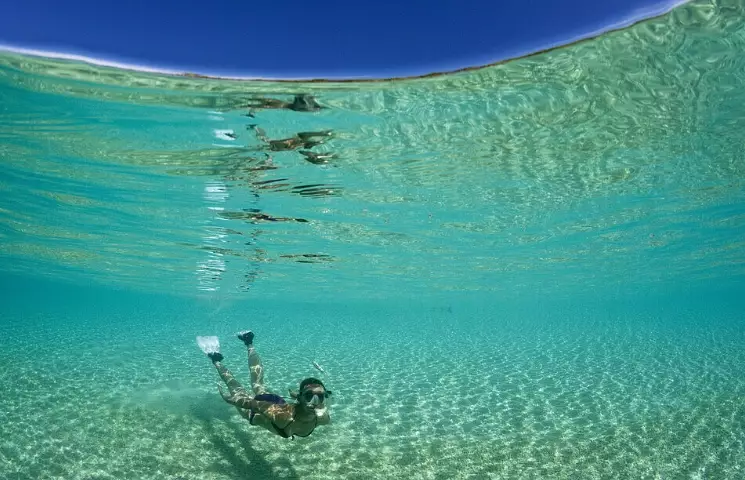
Pro Techniques for Lagoon Snorkeling (Beyond "Just Float")
How to Actually See More Fish
Fish are wary of sudden movement. The key is to move like a slow, drifting log. Use slow, gentle flutter kicks from your hips, not frantic kicks from your knees. When you see something interesting, stop kicking altogether and let momentum carry you. Most fish will resume their normal behavior within 30 seconds if you stay still.
Reading the Water for Hidden Spots
Look for color changes. Darker patches usually mean coral or seagrass. Lighter, sandy areas are great for spotting rays and buried creatures. The edge where dark meets light is a prime hunting ground for predators like jacks and snapper. Also, watch where the small fish are darting—they often school over the best coral heads for protection.
Managing Your Buoyancy in Shallow Water
In very shallow lagoons, the classic horizontal snorkeling posture can put your fins dangerously close to coral. Practice a more upright, treading-water position using gentle scissor kicks when you're over delicate areas. Or, simply stand up on the sandy bottom (carefully!) to adjust your mask or look around. This is the luxury of lagoon snorkeling—you can take a break anytime.
Reader Comments