Forget everything you think you know about snorkeling. The Egyptian Red Sea isn't just another pretty coastline; it's a hyper-saturated, living IMAX theater where the water is clearer than glass and the fish seem to have walked out of a Pixar movie. I've been diving and snorkeling these waters for over a decade, guiding everyone from first-timers to seasoned pros, and I still get a jolt of excitement every time I slide into that warm, blue water. This isn't a generic list. It's the guide I wish I had when I first started, packed with the specific, nitty-gritty details that make the difference between a good trip and a legendary one.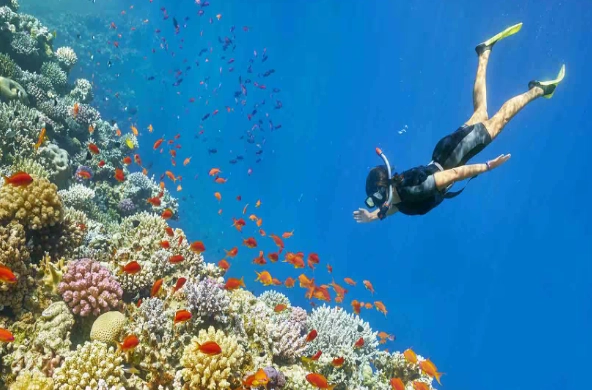
Your Red Sea Snorkeling Roadmap
How to Choose Your Red Sea Snorkeling Base?
Picking the right town is 80% of your success. They all offer Red Sea access, but the vibe, sites, and crowd levels are worlds apart. Most blogs just tell you to go to Sharm or Hurghada. That's like telling someone visiting Italy to only see Rome. Here's the real breakdown.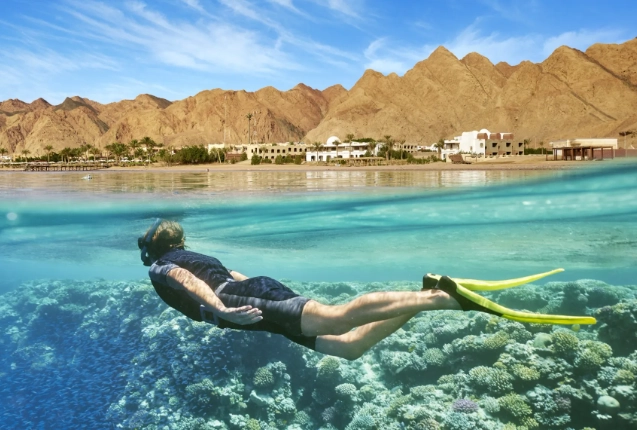
| Base Town | Best For | Water & Visibility | Key Snorkeling Access | Accommodation Vibe & Price | Getting There |
|---|---|---|---|---|---|
| Sharm El Sheikh | First-timers, families, luxury seekers. Shore snorkeling at Naama Bay is incredibly easy. | Generally calm, superb visibility (30m+). | Ras Mohammed National Park (boat), Naama Bay (shore), Tiran Island (boat). | High-end resorts, all-inclusives. Mid to high range. | Sharm El Sheikh International Airport (SSH). Direct flights from Europe. |
| Hurghada | Budget travelers, long-stay digital nomads, access to Giftun Islands. | Can be windier, slightly less vis than South Sinai. Still excellent. | Giftun Islands (boat), Abu Ramada (boat), some hotel house reefs. | Huge range from budget hostels to 5-star. Best value for money. | Hurghada International Airport (HRG). Also a ferry from Sharm. |
| Dahab | Adventurous souls, backpackers, a laid-back "chill" vibe. Less polished, more authentic. | Excellent, but some sites have currents (e.g., Blue Hole). | The Blue Hole (shore), The Canyon (shore/boat), The Islands (shore). | Bedouin-style camps, guesthouses, boutique hotels. Low to mid range. | Fly to Sharm (SSH), then 1.5-hour taxi. Or bus from Cairo. |
| Marsa Alam | Serious snorkelers wanting remoteness and dugongs. Not a party town. | Pristine, often the clearest and least disturbed. | Samadai Reef (Dolphin House) (boat), Abu Dabbab Bay (shore - for dugongs/turtles). | Eco-lodges and remote resorts. Mid range. | Marsa Alam International Airport (RMF). Limited direct flights. |
| Port Ghalib / El Quseir | Those on liveaboard trips or seeking absolute tranquility. Limited land-based amenities. | Exceptional, offshore reefs start very close. | Primarily boat access to offshore reefs like St. John's or Brothers Islands (via liveaboard). | Few, large marina-based resorts. Mid to high range. | Marsa Alam Airport (RMF) is closest. |
My personal take? First-timers and families lean towards Sharm for the ease. But if you want character and don't mind a bit of dust with your adventure, Dahab steals my heart every time. Hurghada feels more like a functional base—great for price, but the soul is a bit missing compared to Sinai.
What are the Top Snorkeling Sites in the Egyptian Red Sea?
These aren't just spots; they're experiences. I'm skipping the vague descriptions. Here’s exactly what you'll see and need to know.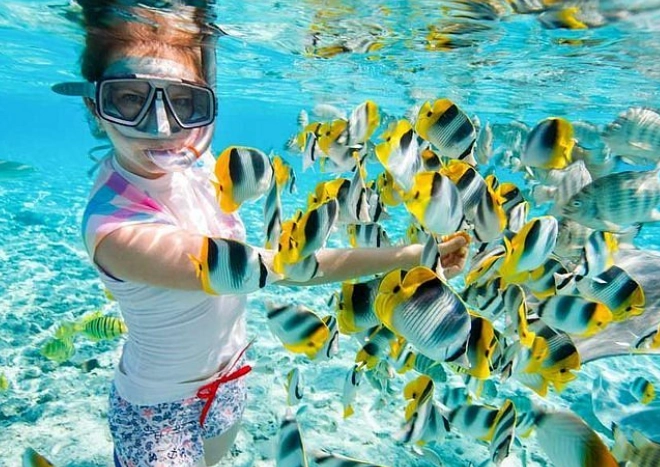
1. Ras Mohammed National Park (From Sharm El Sheikh)
The crown jewel. This is a protected marine park, and it shows. The coral walls are vertical gardens. You'll see giant Napoleon wrasse, schools of barracuda, and if you're lucky, reef sharks patrolling the deep blue.
Need to Know:
Access: Boat trip only from Sharm. Trips leave around 8-9 AM, return by 4-5 PM. Book with any local marina operator.
Cost: Park entrance fee is ~$5-7 USD, paid on top of your boat trip cost (which ranges $40-80 depending on boat quality and lunch).
Pro Tip: The best snorkeling is at Shark Reef and Yolanda Reef. Currents can be strong—listen to your guide. This is not a beginner's first-ever snorkel spot.
2. The Blue Hole (Dahab)
It's famous for diving, but the snorkeling around its perimeter is spectacular and often ignored. The coral shelf at 6-10 meters depth is packed with life. You enter from the shore at a nearby lagoon called "The Bells."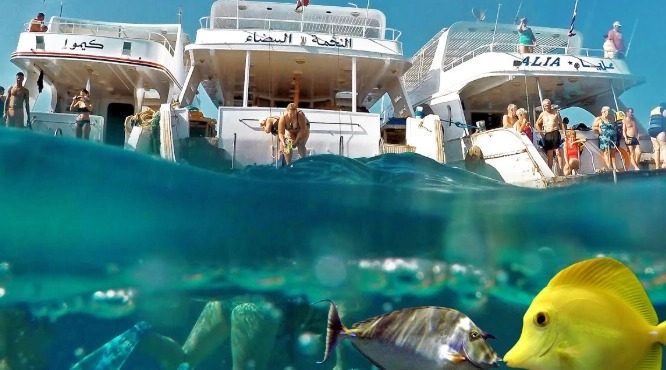
Need to Know:
Access: Shore entry. A taxi from Dahab center costs ~$5. You can also walk along the coast from town (45 mins).
Cost: Free to access. Bedouin guardians ask for a small tip for watching your stuff (~$1-2).
Warning: DO NOT attempt to snorkel or swim over the actual hole itself. Strong currents suck water into the abyss. Stay on the shallow, sunlit reef terrace. This is a common and dangerous mistake.
3. Abu Dabbab Bay (Marsa Alam)
This is your best shot at seeing a dugong (sea cow) without scuba diving. It's a gentle, sandy-bottomed bay where dugongs come to graze on sea grass. Also a major turtle cleaning station.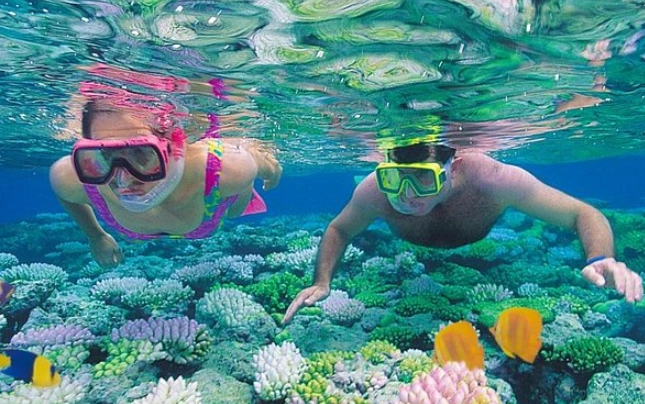
Need to Know:
Access: Direct shore entry from the beach. Some hotels are adjacent, or you can pay a small day-pass fee at a resort.
Best Time: Early morning (7-9 AM) for the highest chance of dugong sightings. They are wild animals, so it's never guaranteed, but odds are good.
Etiquette: If you see a dugong or turtle, keep a respectful distance (5+ meters). Do not chase or touch them.
Other Must-Visit Locations:
- Tiran Island (from Sharm): Drift snorkels along sheer walls. Look for anemone cities with clownfish.
- Giftun Islands (from Hurghada): A full-day boat trip with 2-3 stops. Paradise Island has a stunning, shallow lagoon perfect for nervous snorkelers.
- The House Reefs of Sharm: Don't underestimate them. The reef off the Rixos Sharm Hotel or the Stella di Mare resort are easily accessible from shore and teeming with life. Sometimes the best spot is right off your hotel.
Essential Snorkeling Trip Planning Tips
Getting the logistics right removes all stress. Here’s what they don’t tell you on the brochure.
When to Go
Peak Season (April-June, Sept-Nov): Perfect water temps (24-28°C), minimal wind, best visibility. Also the most crowded and expensive.
Shoulder Season (July-Aug): Hot on land, water is bathtub warm (29°C+). South Sinai can have strong north winds. Hurghada is more sheltered.
My Pick: Late May or October. The sweet spot.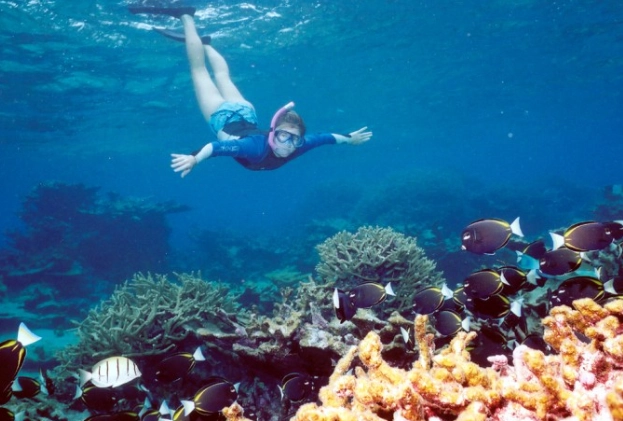
Gear: Bring vs. Rent
Always bring your own mask and snorkel. A leaky, foggy rental mask ruins the day. Fins are bulky; you can rent decent ones there. Consider a rash guard or thin wetsuit (3mm) for sun protection and to prevent coral scrapes—not just for warmth.
Safety & Respect
Never stand on coral. It kills it. If you're tired, float on your back or head back to the boat. Apply reef-safe sunscreen (mineral-based, no oxybenzone) at least 30 minutes before entering the water. More resorts and parks are enforcing this.
Check the work of the Hurghada Environmental Protection and Conservation Association (HEPCA). They are the main NGO doing reef conservation and mooring buoy installation. Supporting operators who partner with them matters.
Booking Tours
Don't book the cheapest boat. Look for ones that limit passenger numbers. A crowded boat means a crowded site. Ask: "How many snorkel stops?" "Is there a dedicated snorkel guide in the water?" "Is reef-safe sunscreen provided or required?"
Red Sea Snorkeling: Your Questions Answered
The Red Sea isn't a secret, but how you experience it can be. It's about choosing the right base for your style, respecting the fragile ecosystem, and knowing where to find those moments of pure underwater magic—whether that's floating over a garden of soft corals or locking eyes with a curious turtle. The logistics are straightforward once you have the right map. Now you have it. The water's waiting.
Reader Comments