You're about to buy a new snorkel mask. You've got the fit down, you know you need tempered glass, and you've checked the seal. Then you hit the color options: black, clear, blue, yellow, mirrored... and you freeze. Is this just a style choice, or does it actually matter? After guiding hundreds of snorkel trips and testing more masks than I can count, I can tell you the color of your snorkel mask is one of the most overlooked yet critical decisions you'll make. It affects your safety, your view of the underwater world, and even how long your gear lasts. Let's cut through the marketing and look at what really works.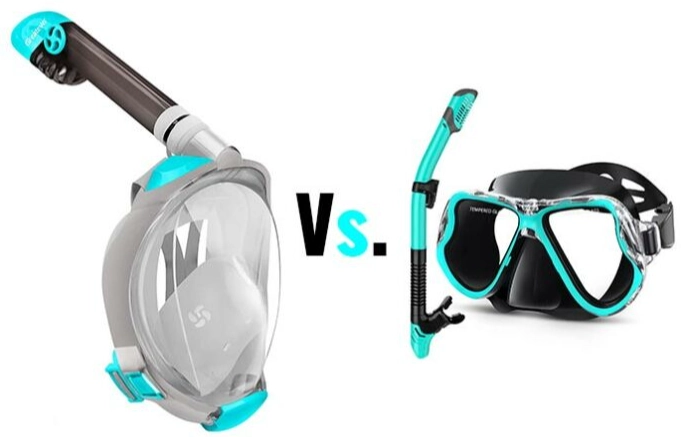
What's Inside This Guide
Why Snorkel Mask Color Matters More Than You Think
Most blogs treat mask color as a fashion accessory. That's a mistake. The color of the frame and, more importantly, the lens, interacts directly with light, water, and biology. It's a tool, not just a trim.
I remember a trip in the Bahamas. Two snorkelers, one with a bright yellow mask, one with a sleek black one. From the surface, the yellow mask was a beacon. The black one? It vanished against the dark blue water every time they dipped their head under. For the safety kayak, tracking the yellow mask was effortless. The black one caused constant, low-grade anxiety. That's not a hypothetical—it's a daily reality for guides.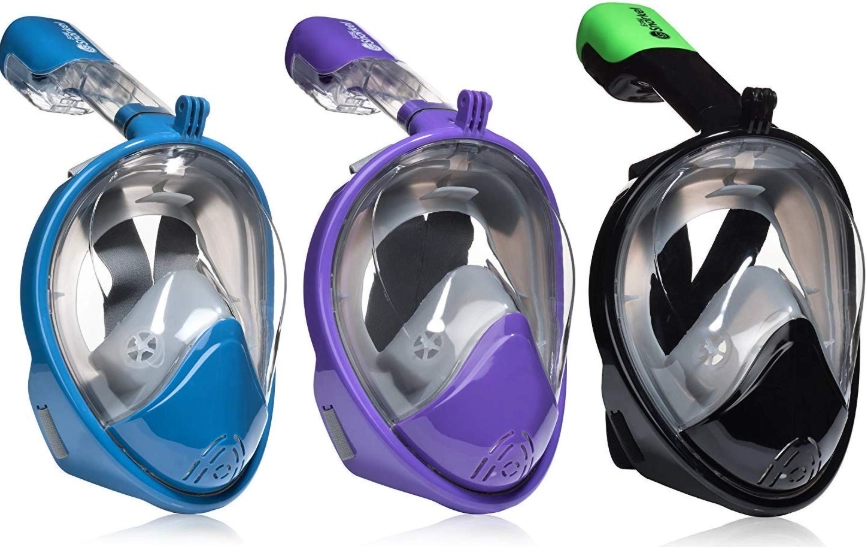
The Four Real Impacts of Mask Color
1. Safety and Visibility (To Others): This is non-negotiable. In open water, near boats, or in choppy conditions, your head is a small object. A high-visibility color (yellows, oranges, bright greens) makes you instantly recognizable. Organizations like PADI often recommend bright colors for this reason. Dark colors camouflage you.
2. Visibility (For You): The lens color is key here. Our eyes need light to see. A heavily tinted or mirrored lens blocks light. In bright, shallow water, this can reduce glare and increase contrast. But go down 10 feet, or snorkel on a cloudy day, and that same lens will make everything dark and murky. I've seen snorkelers with mirrored masks miss entire coral formations because it was simply too dim.
3. Durability and Care: This is subtle. The silicone skirt can stain from sunscreen, salt, and algae. Darker colors (black, navy) hide these stains better. A white or light blue skirt might show discoloration faster, requiring more frequent cleaning to look its best.
4. Personal Expression & Comfort: It's not all science. You should feel good in your gear. A color you like can boost your confidence. Also, a black frame might absorb more heat from the sun, potentially warming the mask interior slightly. A light-colored frame might stay cooler.
How to Choose the Right Snorkel Mask Color: A Step-by-Step Guide
Don't just pick your favorite color. Follow this decision tree based on your actual snorkeling habits.
Step 1: Evaluate Your Primary Snorkeling Environment
Mostly clear, calm, bright waters (e.g., Caribbean reefs, Maldives): You have more flexibility. A tinted lens (smoke, blue) can help with surface glare. Your frame color matters less for visibility in these conditions.
Variable conditions, lower visibility, or open water (e.g., Hawaii, Mediterranean, sea snorkeling): Prioritize a clear lens for maximum light. Choose a bright frame color (yellow, orange) for safety.
Mostly low-light or murky conditions (e.g., kelp forests, colder waters): A clear lens is non-negotiable. Frame color should be bright for safety.
Step 2: Consider Your Snorkeling Frequency & Care Routine
You snorkel often, or you're meticulous about gear care: You can handle the upkeep of a light-colored skirt if you prefer its look.
You're a casual snorkeler, or you prefer low-maintenance gear: A darker-colored skirt (black, dark blue) will look cleaner for longer with less effort.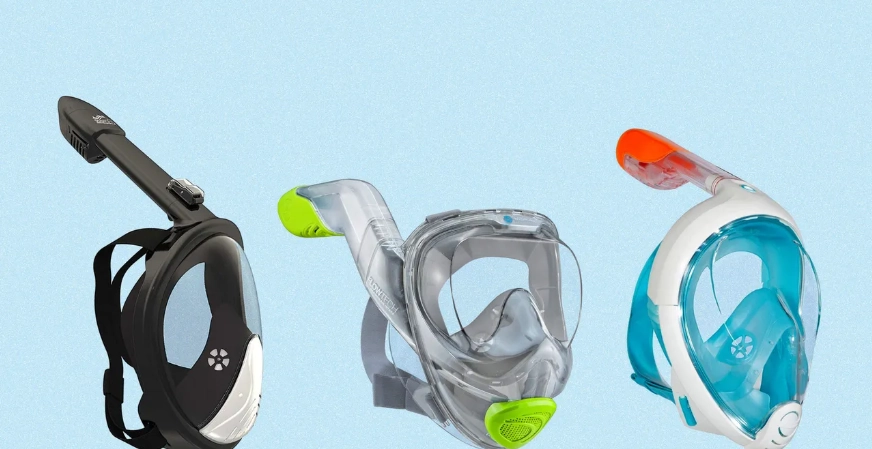
Step 3: Factor in Your Personal Priorities
Now, rank these factors in order of importance to you: Safety, Underwater View, Ease of Maintenance, Style. Let that guide your final choice.
Example Decision: A snorkeler who goes on 2 trips a year to tropical resorts, mostly in lagoons, and hates cleaning gear. Priority: Easy maintenance, good view. Good Choice: Dark blue frame, smoke or clear lens. Poor Choice: White frame, mirrored lens.
The Ultimate Snorkel Mask Color Comparison
| Color Option | Best For | Pros | Cons |
|---|---|---|---|
| Clear / Transparent Lens | All snorkelers, beginners, low-light, variable conditions. | Maximum light transmission, brightest view, most versatile. | No glare reduction in very bright sun. |
| Smoke / Grey Tinted Lens | Very bright, shallow water snorkeling. | Reduces glare, can increase contrast in bright light. | Darkens view in low light, less versatile. |
| Mirrored Lens | Intense, open-ocean surface glare (advanced/specific use). | Excellent glare reduction, stylish look. | Significantly reduces light, can peel, expensive. |
| Bright Frame (Yellow, Orange) | Safety-conscious snorkelers, open water, groups. | High visibility for safety, easy to spot on surface. | May show stains more, not a "stealth" look. |
| Dark Frame (Black, Navy) | Coastal snorkeling, low-maintenance users, style-focused. | Hides stains, classic/sleek appearance. | Lower visibility for safety, can absorb heat. |
| Blue/Green Frame | Aesthetic balance, blending style with some visibility. | Often a good compromise, ocean-themed. | Medium visibility, not as safe as bright colors. |
Expert Tips & Common Mistakes to Avoid
Here's the advice I give friends, based on seeing what goes wrong.
1. Don't Sacrifice Fit for Color. This is the biggest error. A perfect-fitting mask in the "wrong" color is infinitely better than a leaking mask in the "right" color. Try on multiple masks for fit first, then see what colors are available in your best-fitting model.
2. The "Two-Mask" Strategy for Enthusiasts. If you snorkel in vastly different conditions, consider owning two masks. One with a clear lens for general use and low light. One with a light tint for dedicated bright, shallow reef trips. It's a luxury, but it's optimal.
3. Look Beyond the Frame. Can't find a bright frame you like? Look for masks with bright-colored silicone straps or detailing. It adds a pop of visibility without committing to a full yellow frame.
4. UV Degradation is Real. All silicone degrades with sun exposure. Darker colors may fade to grey over many years of intense sun. Store your mask in a protective case, not loose in a sunny boat bin.
5. Ignore the "Fish Scare" Myth. A common question: "Will a bright mask scare fish?" In my experience, no. Fish are far more sensitive to your movement, bubbles, and shadow. Your mask color is irrelevant to them.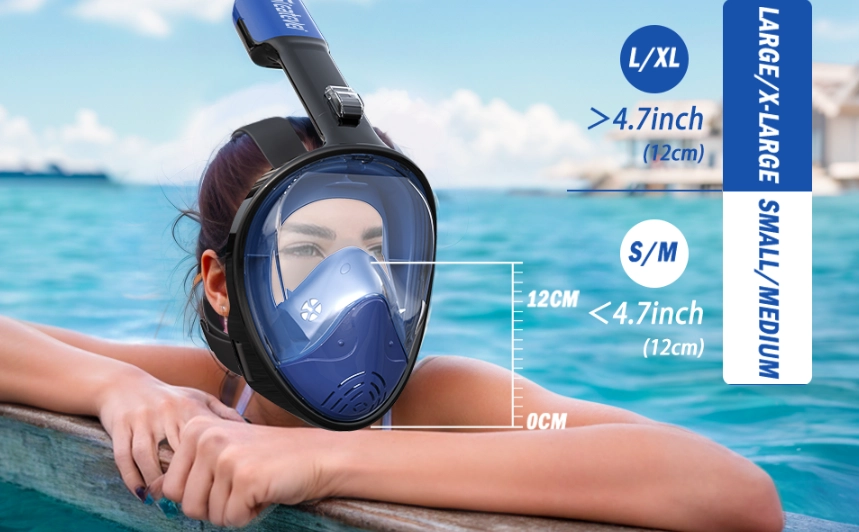
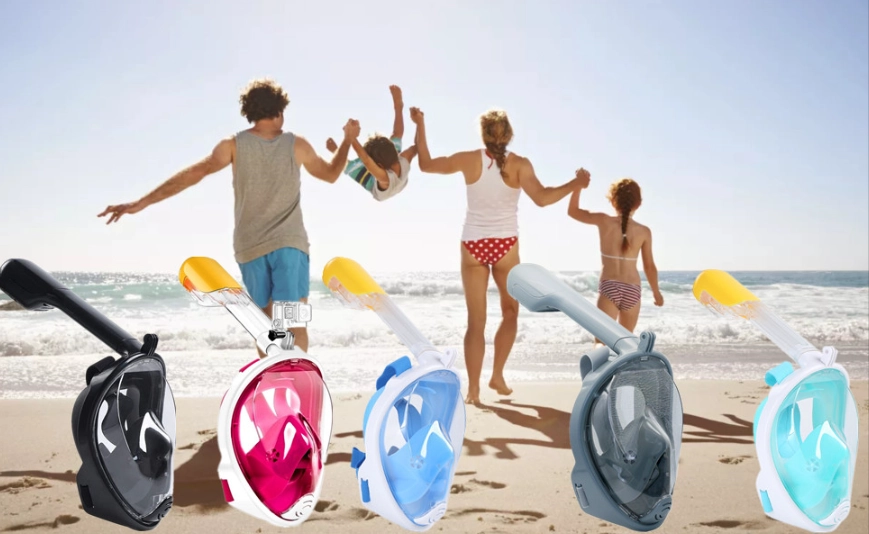 I see mirrored snorkel masks often. Are they just for looks or do they serve a purpose?
Your mask is your window to another world. Choosing its color thoughtfully ensures that window is clear, safe, and a joy to look through for years to come. Forget what looks best in the shop photo. Think about where you'll be, what you'll see, and how you'll be seen. That's how you find your perfect match.
Reader Comments