Quick Navigation
- Why the Maldives is a Shark Snorkeler's Paradise
- The Sharks You'll Meet: A Snorkeler's Identification Guide
- Top Spots for Snorkeling with Sharks in the Maldives
- Safety, Ethics, and How to Be a Responsible Shark Snorkeler
- Gear, Timing, and Practical Tips for the Best Experience
- Answering Your Burning Questions (FAQ)
- Wrapping It Up: Your Adventure Awaits
Let's be honest. The idea of snorkeling in the Maldives is already pretty incredible. Crystal-clear water, coral reefs bursting with color, all that good stuff. But when you throw sharks into the mix? That's when it goes from a nice holiday to a story you'll tell for the rest of your life. I remember my first time, hovering over a channel as a dozen sleek grey reef sharks patrolled below. My heart was hammering, but it wasn't fear—it was pure, unadulterated awe. That's the magic of snorkeling Maldives sharks.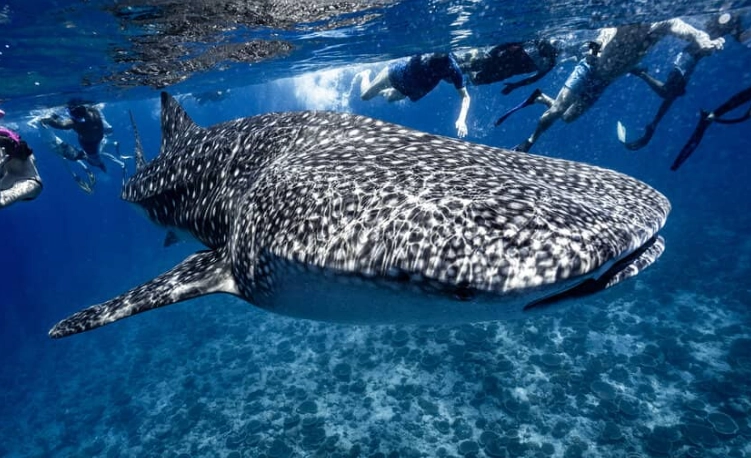
Maybe you're picturing something from a movie, all teeth and dramatic music. That's not the reality here. The sharks you'll meet while snorkeling in the Maldives are mostly graceful, uninterested neighbors going about their business. Your goal isn't just to see them, but to understand them, to share their space respectfully. This guide is here to strip away the Hollywood nonsense and give you the real, practical, and utterly thrilling lowdown on making it happen.
We're going to cover everything. Not just the "where" and "when," but the "how" and the "what if." Which sharks will you actually see from the surface? Are there places where sightings are almost guaranteed? What should you do (and definitely not do) when you're in the water with them? I'll even touch on the less-glamorous but super important stuff, like which resorts have guides that really know their stuff, and which spots might be a bit overhyped.
Why the Maldives is a Shark Snorkeler's Paradise
It's not an accident that snorkeling with sharks in the Maldives is on so many bucket lists. The geography of the place sets the stage perfectly. Picture over a thousand tiny islands scattered across the Indian Ocean, each surrounded by a shallow lagoon protected by a coral reef. Just beyond that reef, the ocean floor plummets into deep, dark blue channels and passes.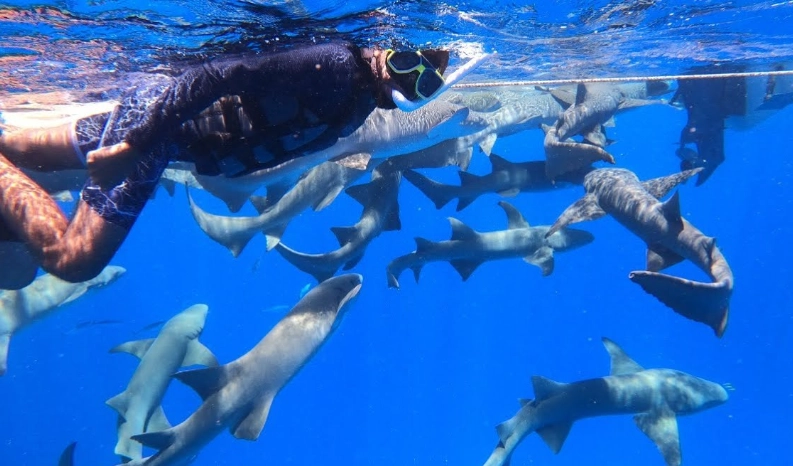
These channels are like underwater highways. Tidal currents funnel nutrient-rich water through them, which attracts small fish, which in turn attracts bigger fish. And at the top of that menu? Sharks. They use these channels as cleaning stations, resting areas, and prime hunting grounds. For a snorkeler, this means you can often float safely at the edge of the reef in the calm lagoon, peer over the drop-off into the channel, and watch the shark traffic go by. It's like front-row seats to the ocean's greatest show.
The water clarity is another huge factor. We're talking visibility that regularly exceeds 30 meters (100 feet). You're not squinting at shadows. You're seeing the elegant curve of a fin, the distinctive pattern on a tail, the effortless glide of a predator completely in its element. This clarity is what makes snorkeling, as opposed to diving, so phenomenally rewarding here. You don't need a tank to have an epic encounter.
But it's the variety that truly seals the deal.
You're not just signing up to see one type of shark. Depending on where you go and a bit of luck, your snorkeling trip in the Maldives could introduce you to a whole cast of characters, each with its own personality. From the laid-back bottom-dwellers to the speedy open-ocean cruisers, there's always a surprise waiting.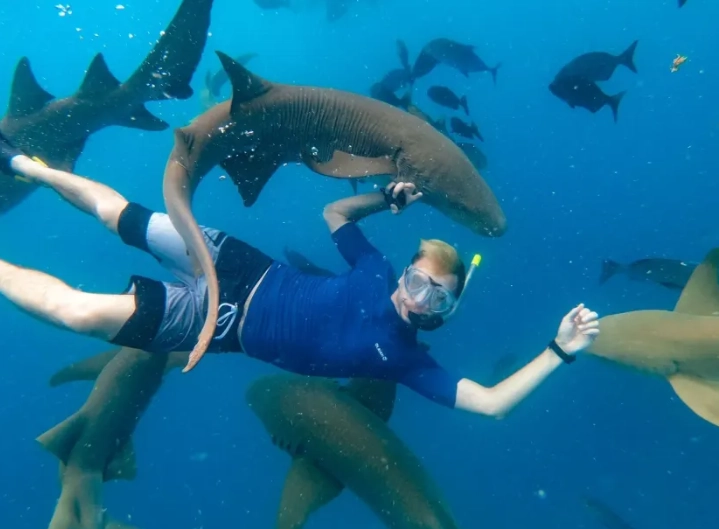
The Sharks You'll Meet: A Snorkeler's Identification Guide
Okay, let's get to know the locals. When people talk about snorkeling Maldives sharks, they're usually referring to a specific set of species that are common, relatively predictable, and generally unfazed by polite snorkelers. You won't see Great Whites here (the water's too warm), and seeing a Tiger or Bull shark while snorkeling in the lagoon is extremely rare—they tend to favor deeper, murkier waters.
The stars of the show are the reef sharks and a few other consistent visitors. Here’s a breakdown of who's who:
| Shark Species | What to Look For | Typical Behavior (While Snorkeling) | Best Places to See Them | Encounter Likelihood |
|---|---|---|---|---|
| Blacktip Reef Shark | Slender, grey body with very distinct black tips on all fins, especially the dorsal. Often seen in small groups. | Curious but skittish. They might approach but usually keep a safe distance. Active, fast swimmers near the surface. | Almost any shallow reef or lagoon edge. South Ari Atoll is packed with them. | Very High - The most common sighting. |
| Whitetip Reef Shark | More stout than the Blacktip. White tips on dorsal and tail fins. Often has small spots on its body. | The couch potato of sharks. Often found resting motionless on the sandy bottom or in caves during the day. More active at night. | Cleaning stations, sandy patches within the reef, lagoon floors. | High - Look for them sleeping! |
| Grey Reef Shark | Classic "shark" shape. Sleek, grey, with a white underside and a dark edge on the tail fin. Looks powerful. | The patrollers. They cruise the channel edges and drop-offs with purpose. Confident but not aggressive towards snorkelers. | Ocean-side channels, passes, and steep drop-offs (like Fish Head, Lankan Beyru). | Medium to High in channel locations. |
| Nurse Shark | Brownish, with two small dorsal fins set far back. Barbels (like catfish whiskers) near the mouth. | Ultra-chilled. They lie on the sand like logs. You can often get quite close, but always respect their space. | Sandy bottoms, under overhangs. Sometimes near resorts that offer "shark feeding" (controversial, more on that later). | High in specific sandy areas. |
| Hammerhead Shark | You can't mistake that T-shaped head (cephalofoil). Usually seen in schools. | A rare and special sighting for snorkelers. They usually swim in deeper water but may occasionally pass by a deep channel. | Deep channels and outer atoll walls. Fuvahmulah is legendary for them (but mainly for divers). | Low for snorkelers, but not impossible. |
| Whale Shark | The giant. Massive size, dark with white spots, huge mouth. It's a filter-feeding fish, not a true shark. | Gentle, slow-moving giants that feed on plankton near the surface. Swimming alongside one is a transcendent experience. | South Ari Atoll (especially Dhigurah area), Hanifaru Bay (seasonal). Specific snorkel safaris target them. | Seasonal/Moderate with a dedicated safari. |
A quick personal story: I once spent 20 minutes floating above a whitetip reef shark that was fast asleep under a coral ledge. It was so still I thought it might be injured. Then, it slowly opened one eye, looked right at me, and closed it again, as if to say "You're still here? I'm trying to nap." It was a hilarious reminder that they're just animals, not monsters.
See? Knowing what you're looking at changes everything. That sleek shape in the channel becomes a Grey Reef Shark on its patrol route. The spotted lump on the sand is a Nurse Shark having a rest. This knowledge turns a scary moment into a fascinating one.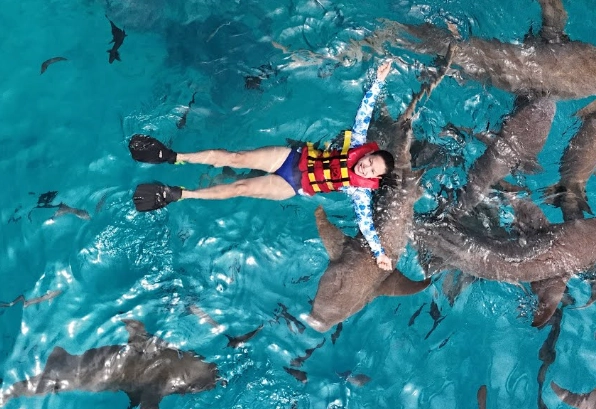
Top Spots for Snorkeling with Sharks in the Maldives
Now for the good stuff—where to go. Not all atolls and resorts are created equal for shark snorkeling. Some are in sheltered lagoons with mostly baby blacktips, while others sit right on the edge of epic channels teeming with life. Your choice of location will define your experience.
I like to break the spots down by the type of experience they offer. Some are easy, resort-adjacent affairs. Others require a boat trip and a bit more confidence in the water.
Resort House Reefs with Reliable Shark Action
These are perfect if you want the convenience of rolling out of bed, grabbing your mask, and potentially seeing sharks before breakfast. The sharks here are usually smaller and very accustomed to humans.
- Dhigurah Island, South Ari Atoll: This local island (and nearby resorts) is world-famous for whale shark snorkeling. Local spotter networks find them almost daily. The island's long house reef also has plenty of blacktips and grey reefs. It's a dedicated hub for shark enthusiasts.
- Fihalhohi Island Resort, South Male Atoll: Their house reef has a famous spot called "Shark Point." I've been there, and it delivers. You'll see dozens of blacktip and whitetip reef sharks, especially in the afternoon when the currents pick up. It's accessible directly from the beach, which is amazing.
- Mirihi Island Resort, South Ari Atoll: A smaller, exclusive resort with a stunning house reef. The channel on the eastern side is a known highway for grey reef sharks. You can snorkel along the reef edge and watch them cruising in the blue.
Famous Channel & Pass Snorkeling Sites (Boat Trip Required)
These are the legendary spots. They involve a dhoni (local boat) ride, stronger currents, and deeper water. The payoff is often larger sharks and a more "wild" feeling. A guide is essential here.
- Fish Head (Maaya Thila), North Ari Atoll: Don't let the name fool you—it's a shark magnet. This submerged pinnacle attracts huge schools of fish and, consequently, lots of grey reef sharks. The current can be fierce, so it's an adrenaline-filled drift snorkel along the edge. You'll see sharks silhouetted against the deep blue below you. Unforgettable.
- Lankan Beyru (Broken Rock), South Male Atoll: A massive rock formation split in two. Swimming through the canyon-like gap, you're flanked by sheer walls covered in soft corals. Grey reef sharks and eagle rays often glide through the channel. It feels like a proper adventure.
- HP Reef (H.P. Reef), North Male Atoll: A classic. It's a coral block rising from the depths. The action happens on the ocean side where sharks patrol. It's a reliable spot for seeing larger grey reef sharks up close in clear water.
Pro Tip on Guides: Don't just book any random boat trip. Ask the resort or local tour operator: "Is the guide a marine biologist or a certified dive master?" The good ones will give you a thorough briefing, explain the current, point out wildlife, and position the boat for a safe drift. A bad guide just throws you in and hopes for the best. I've had both experiences, and the difference is night and day.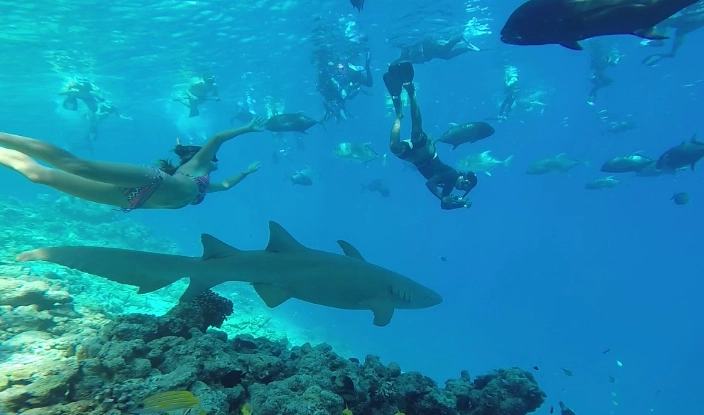
Safety, Ethics, and How to Be a Responsible Shark Snorkeler
This is the most important chapter. Thrill-seeking is great, but stupidity isn't. Snorkeling with sharks is incredibly safe if you follow some basic, non-negotiable rules. It's also our responsibility to ensure our excitement doesn't harm them or their environment.
Are sharks going to attack me while I'm snorkeling in the Maldives?
The statistical risk is infinitesimally small. The sharks you encounter are not interested in you as food. You're a large, noisy, awkward creature in their home. Most incidents, globally, are cases of mistaken identity in murky water or involve provocation. In the crystal-clear Maldives, following the rules makes you safer than crossing the street.
The Absolute Do Not List
- DO NOT TOUCH THE SHARKS. Ever. Not even the "docile" nurse sharks. It stresses them, removes their protective mucus layer, and teaches them to associate humans with interaction (which is bad).
- DO NOT CHASE THEM. You'll never catch up, and you'll just scare them off and ruin the encounter for everyone. Be still and let them come to you (or not).
- DO NOT FEED THEM. This is a huge one. Artificial feeding alters natural behavior, can make sharks aggressive in competition for food, and is ecologically damaging. Resorts that offer "shark feeding" as an activity are promoting harmful practices. Vote with your wallet and avoid them.
- DO NOT WEAR JEWELRY. Reflective watches or necklaces can look like fish scales flashing.
So, what should you do?
- Listen to your guide. They know the site, the current, and the animal behavior.
- Control your fins. Try not to kick up sand or thrash around. Smooth, calm movements make you less conspicuous.
- Breathe normally. Or as normally as you can when you're excited. Loud, raspy breathing through a snorkel can startle wildlife.
- Respect their space. If a shark is coming towards you, hold your position. It will almost always veer away. Never block its path or corner it.
- Be mindful of the reef. Practice good buoyancy. Don't stand on or touch the coral. It's a living animal and takes decades to grow. A single fin kick can destroy years of growth.
Organizations like the Maldives Marine Research Institute (MRI) are doing critical work to protect these ecosystems. As visitors, the least we can do is follow their guidelines for responsible tourism. It ensures that snorkeling Maldives sharks remains a sustainable wonder for generations to come.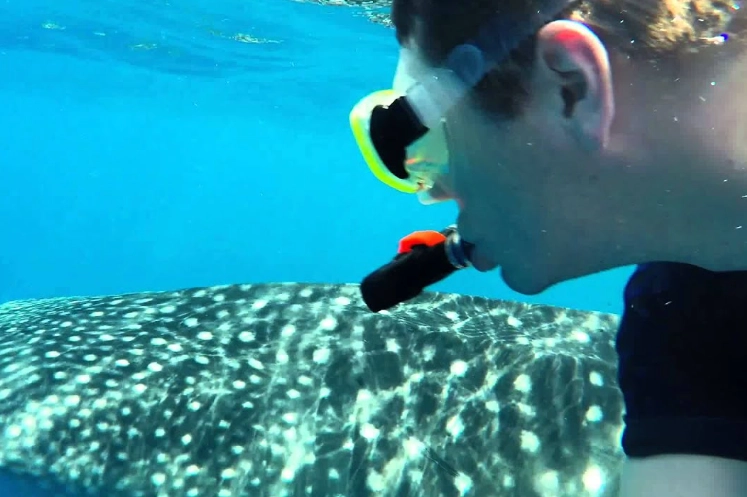
Gear, Timing, and Practical Tips for the Best Experience
You don't need much, but the right gear makes a massive difference. Most resorts provide decent snorkels and masks, but if you're serious, bring your own.
Mask & Snorkel: A mask that fits perfectly and doesn't fog is worth its weight in gold. Test it in a pool before you go. A dry-top snorkel (with a valve that stops water from entering when submerged) is a game-changer for beginners.
Fins: Not optional for channel snorkels. You need the power to maneuver in current. Open-heel fins with booties are more comfortable and protect your feet from rocks and boat ladders.
Wetsuit/Rash Guard: Even in warm water, a 1-2mm shorty or a full rash guard is smart. It protects you from sunburn (a huge risk) and from minor scrapes on coral. It also provides a tiny bit of buoyancy and warmth if you're in the water for hours.
Underwater Camera: A GoPro or a good waterproof case for your phone. Set it to video and occasionally take stills from the footage. You'll be less fidgety and more present in the moment.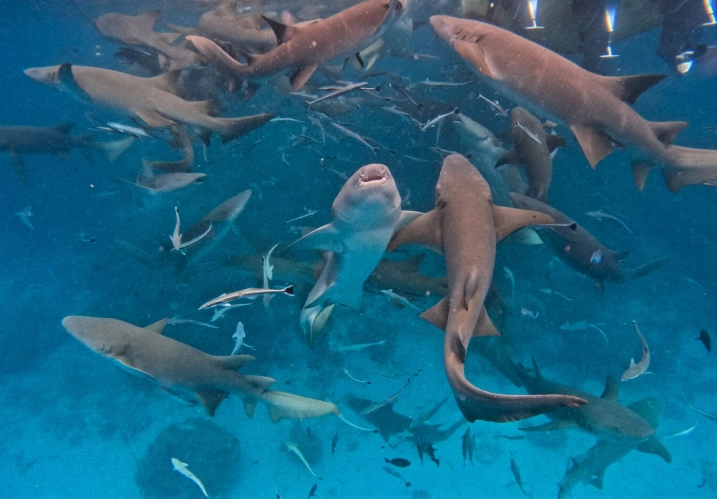
When to Go: Seasons and Shark Sightings
The Maldives has two main seasons, and they affect shark activity.
Dry Season (December to April): Northeast monsoon. Calmer seas, less wind, incredible visibility. This is peak tourist season and generally the best time for snorkeling overall. Shark sightings are consistently good.
Wet Season (May to November): Southwest monsoon. More rain, wind, and occasional storms. Visibility can be slightly reduced, and some boat trips might get canceled. However, this is the prime season for whale shark sightings in South Ari Atoll and manta rays. The plankton blooms that reduce visibility are exactly what these filter-feeders come for. So, if whale sharks are your top priority, this might be your window.
Honestly? There's no bad time. I've been in August and had epic shark encounters. The ocean decides.
Answering Your Burning Questions (FAQ)
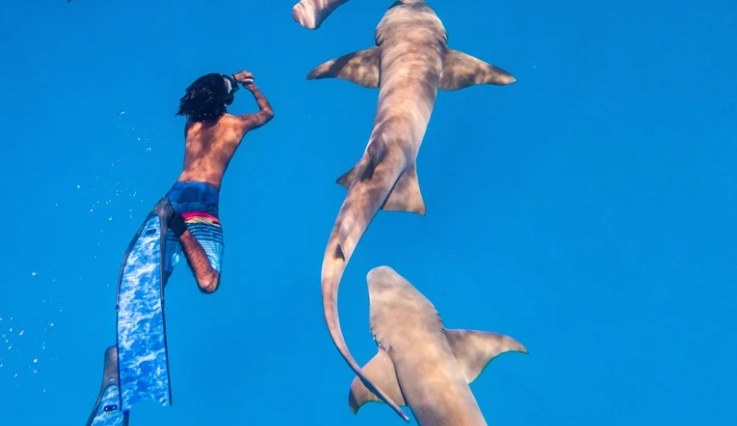
Wrapping It Up: Your Adventure Awaits
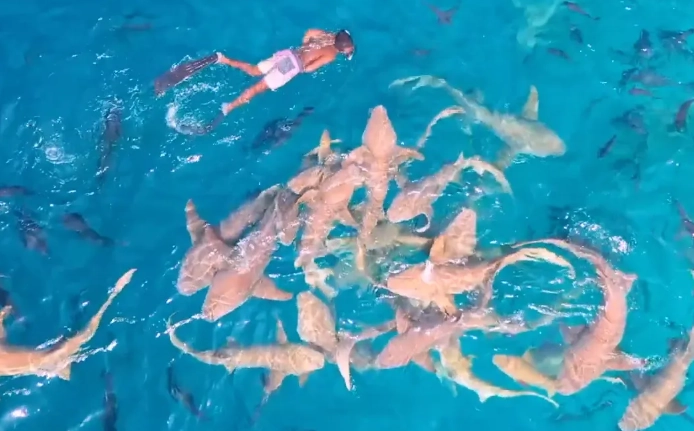
Snorkeling with sharks in the Maldives isn't just an activity; it's a perspective shift. It breaks down the myth of the mindless killer and replaces it with respect for a powerful, elegant, and vital part of the ocean. The memory of locking eyes with a grey reef shark as it turns effortlessly in the current stays with you. It's humbling.
Plan well. Choose your location based on the experience you want—whether it's the easy access of a house reef or the adventure of a channel drift. Invest in a good mask. Listen to the guides. Respect the rules. And when you finally slip into that warm, turquoise water and see that first fin break the blue silence...
Just breathe, and enjoy the show.
It's their world. We're just lucky enough to be allowed to visit. Make your visit count by being a responsible, awe-filled guest. That's how we ensure that the magic of snorkeling Maldives sharks doesn't become just a story of the past, but a living, thriving reality for everyone who comes after us.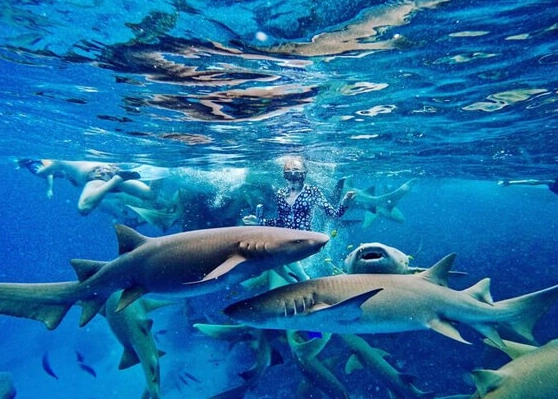
Reader Comments