Let's be honest, the thought of snorkeling with young kids can be equal parts exciting and terrifying. You picture their wide-eyed wonder at seeing a sea turtle, but your brain also flashes to potential meltdowns, leaky masks, and safety worries. I've been there. After a decade of taking my own kids (and coaching countless friends) into the water, I can tell you the secret isn't just finding pretty fish—it's about managing expectations, nailing the gear, and choosing your battlefield. This guide cuts through the fluff and gives you the real, actionable steps to turn a potentially stressful outing into a core family memory.
What's Inside This Guide?
Why Snorkeling Works for Families (When Done Right)
Forget complicated itineraries. Snorkeling is entry-level adventure. It's relatively low-cost after the initial gear investment, it gets everyone active, and it teaches kids to observe and respect nature. The real win? It scales with age. A calm lagoon works for a 5-year-old, while the same teen can later explore a reef drop-off. The key is starting simple. A common mistake is planning a "big snorkel day" as the first try. Don't. Your first mission is a 20-minute success in waist-deep, crystal-clear water. That's it.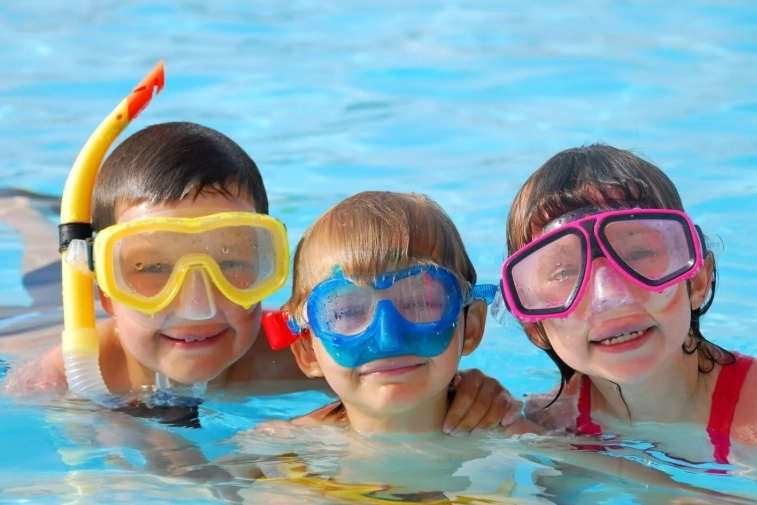
Safety First: The Non-Negotiables Most Parents Miss
This is where most generic advice fails. They say "always supervise," which is obvious. Here's what they don't tell you.
Floatation is NOT Optional. Even if your child is a strong swimmer in a pool, the ocean is different. Currents, waves, and fatigue are real. A pool swimmer can panic when they can't touch the bottom. The American Academy of Pediatrics emphasizes constant, touch supervision for young children around water, and a proper flotation device is part of that system. But not just any device.
The Expert Mistake: Parents often rely on arm floaties or pool noodles. These are terrible for snorkeling. Arm floaties force a vertical posture, making it hard to look down. Noodles slip away. What you need is a dedicated snorkel vest (also called a buoyancy aid or snorkeling-specific life jacket). Unlike a bulky life jacket that rides up, a good snorkel vest fits snugly, allows a horizontal swimming position, and has an oral inflation valve so you can add just enough air for perfect buoyancy. This is the single most important piece of gear for child safety and enjoyment.
Sun Protection is a Military Operation. Reflective water amplifies sun exposure. You need a full uniform: Rash guard with UPF 50+ (long sleeves are best), snorkeling leggings or swim tights, and a wide-brimmed hat that can be worn in the water (with a chin strap). Apply a reef-safe, water-resistant sunscreen to face, ears, neck, and backs of hands 30 minutes before you go out. Reapply immediately after you get out. I keep the hats and sunscreen in a dry bag clipped to my vest.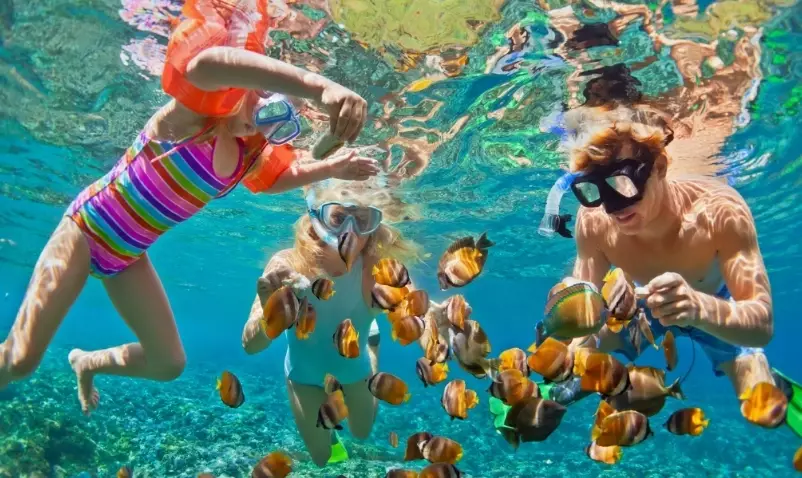
The Buddy System is a Rule, Not a Suggestion. One adult per non-strong-swimmer child, within arm's reach. Always. If you have two kids and one adult, you need to stay in water so shallow everyone can stand, or bring another adult. No exceptions.
Kids' Snorkel Gear: What Actually Matters (Forget the Gimmicks)
Kids' gear isn't just smaller adult gear. Their faces are shaped differently, and their tolerance for discomfort is low. A leaky mask or a bitter taste of saltwater can end the fun instantly.
Mask: The Window to Their Enjoyment
Fit is everything. The mask should seal without the strap being overly tight. Have your child hold the mask to their face (without the strap), inhale gently through their nose, and let go. If it stays suctioned for a few seconds, the fit is good. Look for a soft silicone skirt that won't pinch. A purge valve at the bottom is helpful for kids to clear water easily. For kids who wear glasses, prescription masks are worth the investment—companies like Prescription Dive Masks can make them.
Snorkel: Keep It Simple and Dry(ish)
A basic J-shaped snorkel is fine for beginners in calm water. However, a dry-top snorkel or semi-dry snorkel is a wise upgrade. It has a floating valve that seals the tube if it goes underwater, preventing a mouthful of water. Avoid complex full-face snorkel masks for young children; some safety agencies have raised concerns about CO2 buildup for inexperienced users.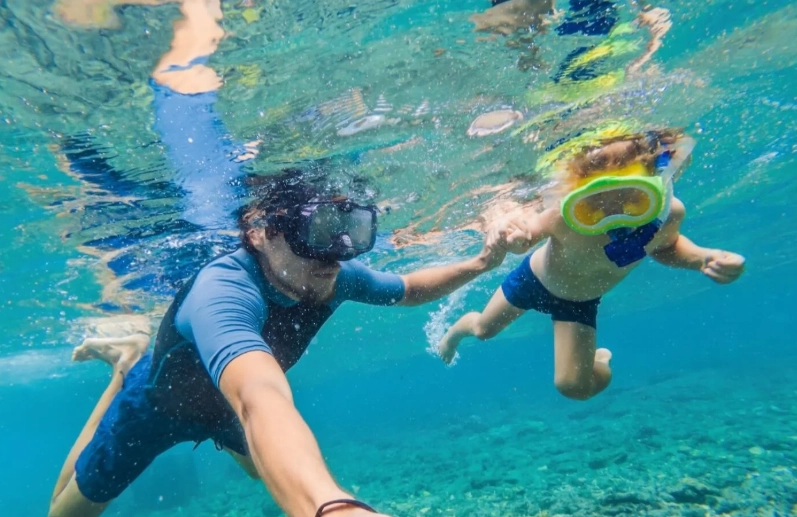
What is the Best Snorkel Vest for Kids?
Look for these features: Adjustable torso straps for a secure fit, an oral inflation valve with a dump valve, and enough buoyancy (often 30-50 Newtons for kids). The vest should allow full arm movement. Brands like Body Glove and Sea Quest make reliable, affordable kids' snorkel vests. Try it on over their rash guard before you travel.
Trust me on this.
Spending $50 on a proper vest is cheaper than the emotional cost of a scared, crying child (and a ruined day) 100 feet from shore.
How to Introduce Your Child to Snorkeling: A Step-by-Step Plan
Break this down into phases. Rushing leads to failure.
Phase 1: Bathtub & Pool Practice (The Play Phase)
Make it a game. Let them wear the mask in the bathtub. Practice putting their face in the water and blowing bubbles. Move to a pool. Have them float with the snorkel vest, getting used to the buoyancy. Let them practice breathing through the snorkel while holding onto the pool edge. The goal is zero pressure.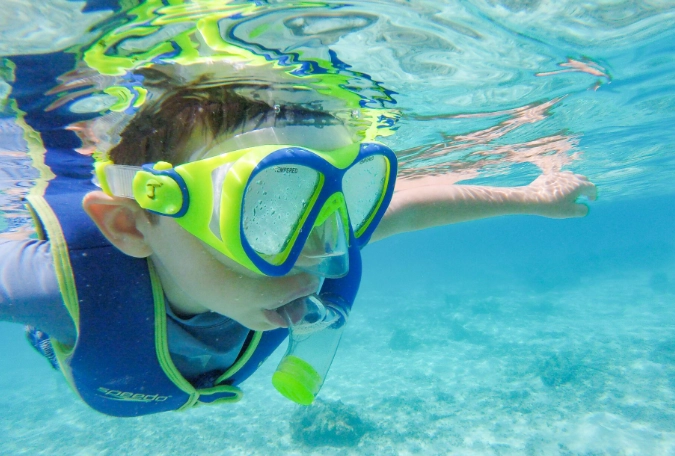
Phase 2: The First Open Water Try
Choose a location that looks like a swimming pool. I mean it. Calm, protected bay. Sandy bottom. Clear water. Waist-deep for them. Think hotel lagoon, not ocean reef. Get in with them. Hold hands. Look at a rock or a single fish together. Keep it to 15-20 minutes. End on a high note with a promise of ice cream. This session has one objective: positive association.
Phase 3: Building Skills & Confidence
Now you can gradually increase time and complexity. Snorkel along a sandy channel next to a reef before going over the coral. Teach hand signals (OK?, Look!, Go up). Always let them set the pace. Some kids will be obsessed after one try; others need three or four short sessions to feel comfortable.
Best Family-Friendly Snorkeling Spots Worldwide
Location is 80% of your success. You want easy water entry (beach, not a boat drop-off), minimal current, interesting but not overwhelming marine life, and facilities nearby (bathrooms, shade). Here are my top picks based on taking my own kids.
| Destination & Spot | Why It's Great for Kids | Ideal Age Range | Key Tip |
|---|---|---|---|
| Hanauma Bay, Oahu, Hawaii | Protected marine preserve, lifeguards, mandatory safety video, calm inner bay areas. Fish are very accustomed to people. | 5+ (Younger in the very shallow tide pools) | Arrive at opening (8 AM) to avoid crowds. Reservations are required and sell out fast. |
| Trunk Bay, St. John, USVI | Has an underwater snorkel trail with plaques, making it a fun "treasure hunt." Sandy bottom, gradual depth increase. | 6+ | The trail can get crowded. Go early or late afternoon. Rent gear in Cruz Bay first. |
| Maui Ocean Center (Aquarium), Hawaii | Not open ocean! Their "Open Ocean" exhibit lets you snorkel in a safe, giant tank with sharks and rays. Perfect for nervous beginners. | 4+ | Book the "Shark Dive Maui" snorkel experience in advance. It's a controlled, incredible first taste. |
| Green Island, Great Barrier Reef, Australia | A sandy cay with a reef all around it. You can walk off the beach into coral gardens. Has a resort and glass-bottom boat backups. | 5+ | Book a family tour with a operator like Great Adventures, which includes lagoon time. |
| Pig Beach (Big Major Cay), Bahamas | The ultimate novelty. Snorkeling with swimming pigs! Water is clear and shallow near shore. Unforgettable for kids. | All ages (if comfortable in water) | This is a boat-access-only spot. Choose a morning tour from Nassau or Exuma to avoid the midday heat. |
See the pattern? Protection, facilities, and a hook (trail, pigs, tame fish). These places set you up for success.
Your Snorkeling with Kids Questions, Answered
The final word? Snorkeling with kids is less about seeing the most fish and more about sharing a new way to see the world. Focus on their comfort, celebrate the small wins ("You put your face in for 10 seconds! Amazing!"), and let their curiosity lead. Pack your patience alongside your sunscreen. When you see them point excitedly at a parrotfish for the first time, you'll know every bit of preparation was worth it.
Reader Comments