Your Snorkeling Roadmap
- The Heavy Hitters: Bahamas Snorkeling Spots You Can't Miss
- Beyond the Brochures: Hidden Gems & Island-Specific Scenes
- Gearing Up: What You Actually Need for Bahamas Snorkeling
- Playing It Safe & Smart: Snorkeling Etiquette You Need to Know
- Planning Your Trip: The Nitty-Gritty Details
- Answering Your Burning Questions (FAQ)
Let's be honest. You type "best snorkeling in Bahamas" into Google and you get a million listicles. Top 5 this, top 10 that. But are they telling you the real story? I've been there, floating over reefs that looked amazing in pictures but were just... okay. And I've also had my mind completely blown in spots nobody seems to talk about. So this isn't just another list. This is a straight-talk guide on where to go, what you'll actually see, and how to avoid the crowds that can ruin the magic. The Bahamas has over 700 islands and cays, and the snorkeling varies wildly. Some spots are beginner-friendly paradises, others are for when you're feeling more adventurous. We're going to break it all down.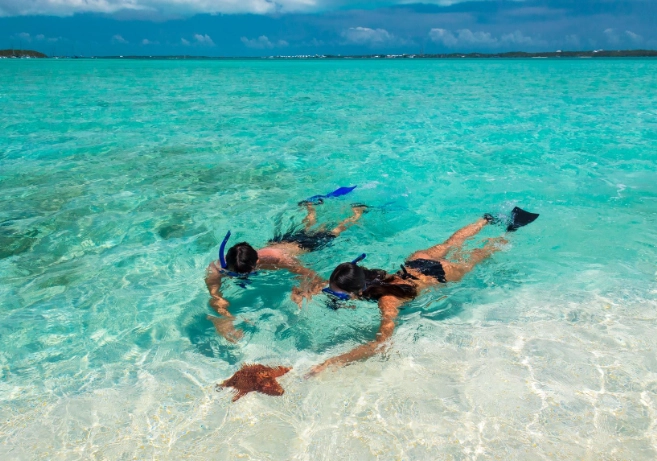
First thing you need to understand: the water clarity is almost always insane. We're talking 100-foot visibility on a calm day. That's a given. The real difference between good and the best snorkeling in the Bahamas comes down to marine life, reef health, accessibility, and that intangible "wow" factor. Is it swarming with colorful fish? Are there friendly stingrays? Can you swim with sharks (safely)? Is the coral actually alive and vibrant, or is it a bit bleached? These are the questions that matter.
The Heavy Hitters: Bahamas Snorkeling Spots You Can't Miss
Okay, let's get into the famous places. These are on the list for a reason. They're accessible, tours go there daily, and they deliver a reliable, fantastic experience. If it's your first time snorkeling in the Bahamas, you probably can't go wrong with these.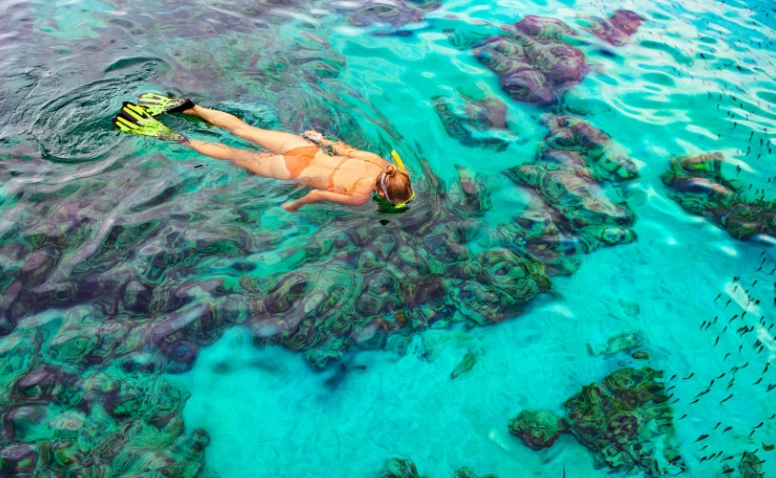
The Exuma Cays: More Than Just Swimming Pigs
Everyone knows about the pigs. Big deal. The real treasure out here is the underwater scenery. The Exumas are a long, sprawling chain of islands, and the snorkeling is protected and pristine. You usually access these spots via a boat tour from Great Exuma or Nassau.
- Thunderball Grotto: Yes, it's the James Bond movie spot. It looks cool from above—a rocky island with a hole in it. But the magic is inside. You swim through a short, dark tunnel (low tide only, please!) and pop up into a cathedral-like cave with shafts of sunlight piercing the water. Fish swarm inside, expecting food. The snorkeling around the grotto is also excellent, with healthy elkhorn coral and sergeant majors everywhere. It can get cramped with boats at peak time, though.
- Stocking Island: This is a more relaxed vibe. The reef here is shallow and stretches for ages, perfect for a long, leisurely float. I saw a huge spotted eagle ray gliding silently below me here, and it's a moment I won't forget. Great for beginners.
- Chatterbox Wall: A local favorite. It's a sheer wall that drops off into the deep blue. You hover at the edge, watching schools of fish move up and down the wall. It feels more dramatic than a shallow reef. You need calm seas for this one to be enjoyable.
The Exumas might just offer the most consistently great snorkeling in the Bahamas, hands down.
Nassau & Paradise Island: Convenience King
If you're staying on New Providence (where Nassau is), you're in luck. Some of the most organized and varied trips leave right from the harbor. It's not the remote wilderness of the Exumas, but it's incredibly efficient.
- Rose Island Reefs: A short boat ride away, these reefs are teeming with life. Tours often combine snorkeling here with a beach picnic. The coral formations are good, and you're almost guaranteed to see sea turtles. I found the guides here to be particularly knowledgeable about the fish species.
- The Lost Blue Hole: This is a unique one. It's a mysterious, perfectly circular sinkhole in the middle of the sea floor, about 100 feet across. You snorkel on the surface looking down into this dark blue abyss. It's eerie and fascinating. You might see turtles, rays, and sometimes reef sharks circling far below. Not a colorful coral spot, but a totally different experience.
Bimini: The Shark Diver's Snorkel Paradise
Bimini is legendary in the diving world, but snorkelers can get in on the action too. The water is absurdly clear, often called "Bimini Blue." This is the spot if you want adrenaline with your snorkeling.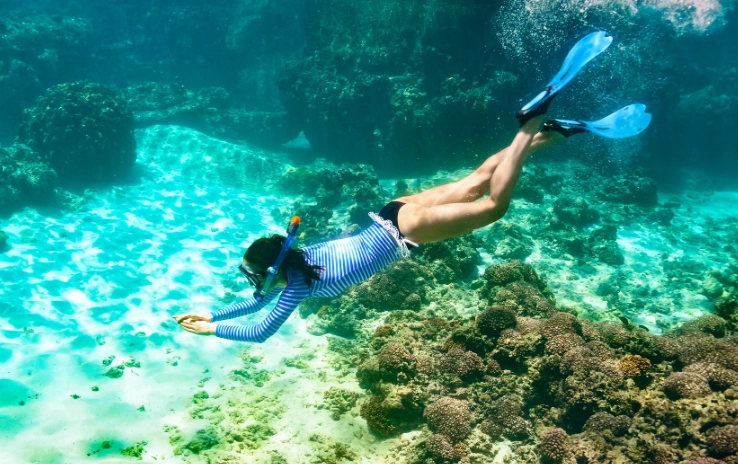
The main event is snorkeling with wild Atlantic spotted dolphins. Reputable operators know how to interact with them ethically, letting the dolphins choose to approach the boat. Swimming alongside these intelligent, curious creatures is unreal. You also have a high chance of encountering wild bottlenose dolphins.
Then there are the nurse sharks. At spots like the Bimini Road (a strange rock formation), you can snorkel with dozens of harmless, bottom-dwelling nurse sharks. They're like lazy underwater puppies. Tours often include a shark education talk, which I appreciated—it demystifies them.
Is this the best snorkeling in Bahamas for everyone? No. If sharks make you nervous, skip it. But for an unforgettable wildlife encounter, it's top-tier.
Beyond the Brochures: Hidden Gems & Island-Specific Scenes
Now let's talk about the places that don't always make the front page of the tour brochures. These spots often require a bit more effort to reach—a longer boat ride, a flight to a Family Island—but the payoff is fewer people and a more raw experience.
The Abacos: Sandy Bottoms & Mermaid Forests
The Abacos are sailing central, and the snorkeling reflects that. It's generally more relaxed. A highlight is the vast seagrass beds, which might not sound exciting until you realize they're the favorite dining rooms for sea turtles. I've had better luck seeing turtles grazing here than on many dedicated "turtle reefs." The reefs themselves, like those around Fowl Cay Marine Preserve, are healthy and vibrant. It's less about dramatic walls and more about pretty, garden-like coral formations. Perfect for a chill day on the water.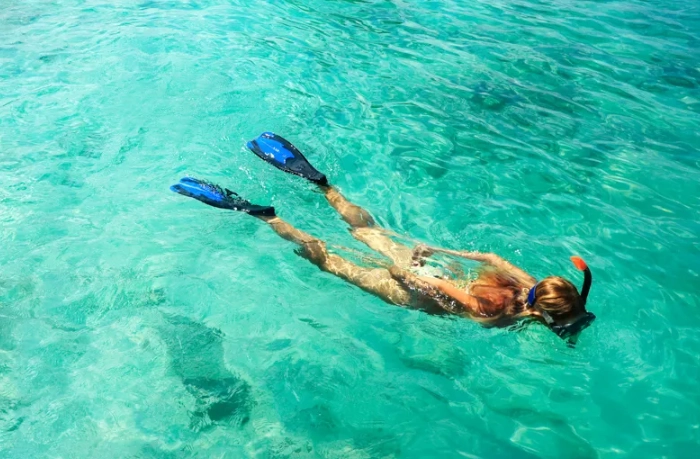
Long Island & Dean's Blue Hole
Dean's Blue Hole is the deepest known blue hole in the world. For snorkelers, you simply float on the surface of this dark, perfectly round, 663-foot-deep hole right off a white sand beach. The contrast is surreal. It's not a traditional reef snorkel, but it's a natural wonder you can experience just by swimming out from shore. The west coast of Long Island also has lovely, accessible reefs where you can often have the whole place to yourself.
Eleuthera: Reefs, Ships, and Ocean Windows
Eleuthera is long and thin. The Atlantic side is rough, but the Caribbean (Exuma Sound) side is where the snorkeling is. The best snorkeling in Bahamas for wreck lovers might be here. The "Train Wreck" is literally a series of old train carriages deliberately sunk to create an artificial reef. It's shallow enough to snorkel, absolutely covered in coral and sponges, and swarming with fish. It's bizarre and beautiful. Also, check out the unique "Ocean Hole" in Rock Sound, a landlocked blue hole rumored to connect to the ocean.
Here’s a quick comparison to help you decide which area might be your personal best fit:
| Location | Top Snorkeling Attraction | Best For | Vibe & Crowds | Travel Ease |
|---|---|---|---|---|
| Exuma Cays | Thunderball Grotto, Healthy Reefs | Adventure, Photography, Families | Can be busy at key sites | Requires boat tour from Nassau/Great Exuma |
| Nassau/Paradise Is. | Rose Island, Lost Blue Hole | First-timers, Convenience, Variety | Busy, well-organized | Very easy, many short tours |
| Bimini | Wild Dolphins, Nurse Sharks | Thrill-seekers, Wildlife Encounters | Moderate, specialist trips | Fly or fast ferry from Miami |
| Abacos | Sea Turtles, Fowl Cay Preserve | Relaxed exploration, Sailing trips | Generally quieter | Fly to Marsh Harbour |
| Eleuthera | The "Train Wreck" Artificial Reef | Unique experiences, Off-path travel | Least crowded | Fly to Governor's Harbour or N. Eleuthera |
Gearing Up: What You Actually Need for Bahamas Snorkeling
Most tours provide basic gear: a mask, snorkel, and fins. And that basic gear is often... basic. Ill-fitting masks that fog up or leak are the number one fun-killer. If you're serious about enjoying the best snorkeling in the Bahamas, consider bringing a few key items of your own.
- Your Own Mask: This is non-negotiable for me now. A mask that fits your face perfectly makes all the difference. Go to a dive shop, try on a dozen, and find one that seals without the strap being too tight. A fog-free treatment is a bonus.
- Snorkel with a Dry Top: A simple tube is fine, but a dry-top snorkel has a valve that seals shut if a wave goes over you. No more gulping saltwater. It's a small upgrade for huge comfort.
- Rash Guard/Long-Sleeve Swim Shirt: The sun is brutal, even through water. Slathering on sunscreen every hour is a pain and bad for the coral (more on that later). A lightweight, UPF 50+ rash guard protects you all day and also prevents chafing from your gear.
- Aquatic Shoes: Not all snorkel spots have a soft sandy entry. Some require climbing over rocky shorelines or boarding a ladder from a boat. A cheap pair of water shoes save your feet.
Playing It Safe & Smart: Snorkeling Etiquette You Need to Know
This part is crucial. The reefs are alive and fragile. A kicked piece of coral can take decades to grow back. And your safety is paramount.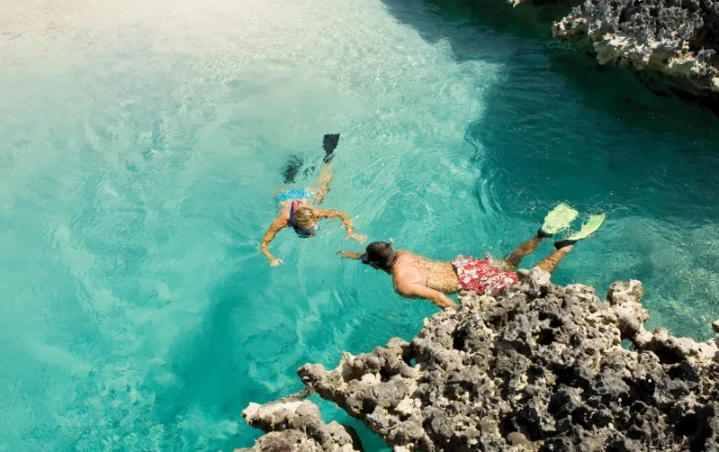
Coral-Safe Sunscreen Only. I can't stress this enough. Chemicals like oxybenzone and octinoxate in regular sunscreen bleach and kill coral. It's banned in some parts of the world. Look for "Reef Safe" mineral-based sunscreens (with zinc oxide or titanium dioxide). Many shops in the Bahamas sell it, but bring your own to be sure. Better yet, wear that rash guard.
Look, Don't Touch. It sounds obvious, but you'd be surprised. Don't stand on the coral. Don't chase the turtles—let them come to you. Don't try to "ride" the rays. Not only is it harmful, but some creatures can defend themselves. Corals can sting or cut you. Barracuda, while generally curious, can be provoked. Just observe. It's a privilege to be in their world.
Know Your Limits & Conditions. Always listen to the boat captain and guide. If they say the current is strong at a site, believe them. If you're not a strong swimmer, stick close to the boat or use a flotation noodle (many tours provide them). Snorkeling is meant to be relaxing, not a survival test. Drink plenty of water—dehydration on a boat sneaks up on you.
Planning Your Trip: The Nitty-Gritty Details
So, you're convinced. How do you actually make it happen?
Choosing a Tour Operator
This is where your research pays off. Don't just book the cheapest trip from a guy on the beach.
- Read Recent Reviews: Focus on what people say about the crew's knowledge, the condition of the gear, and whether the boat was overcrowded.
- Ask Specific Questions: Call or email. Ask: "How many people will be on the boat?" "What is your reef-safe sunscreen policy?" "Do you provide flotation aids?" "What is your plan if the weather turns?" A good operator will have clear answers.
- Smaller is Often Better: A boat with 15 people is a much more intimate and peaceful experience than a triple-decker catamaran with 100. You'll get more time in the water and more personal attention.
When to Go for the Best Snorkeling in Bahamas
The prime season is late April through early September. The water is warm (80s F), the seas are generally calmer, and visibility is at its peak. However, this is also peak tourist season and the beginning of hurricane season (June-November).
My personal favorite time is May and October. You get the great water conditions with slightly fewer crowds. Winter (Dec-Mar) is still doable—the water might be a bit cooler (low 70s), and you might need a shorty wetsuit if you get cold easily, but the visibility can still be excellent. Just be prepared for more frequent cold fronts that can make the sea choppy and cancel trips.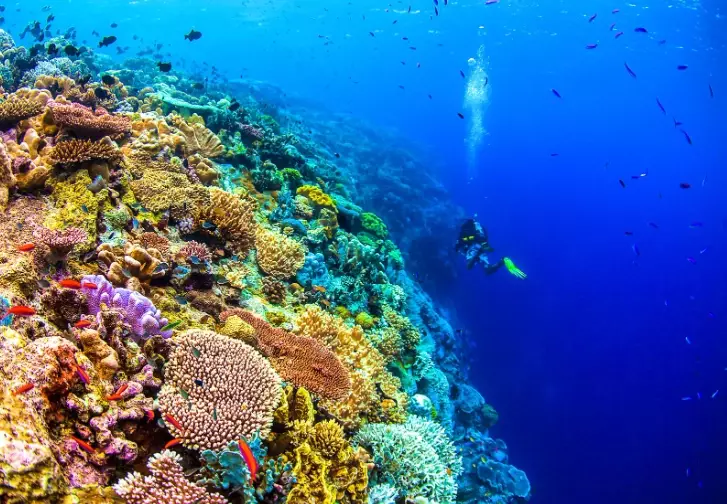
Answering Your Burning Questions (FAQ)
So, there you have it. The best snorkeling in the Bahamas isn't just one pin on a map. It's a combination of the right location for your style, the right gear for your comfort, and the right mindset—one of respect and wonder. Do a little planning, pack your sense of adventure (and that rash guard), and get ready to see a world that will make you want to cancel your flight home. The water is waiting.
Reader Comments