Let's be honest. Most of us get into snorkeling for the sheer magic of it – floating weightlessly over a world of color and life you only see in documentaries. But here's the uncomfortable truth I learned after years of guiding trips: our love for the reef is literally killing it. A single careless fin kick can destroy coral polyps that took decades to grow. The sunscreen washing off your body? It's a chemical cocktail for the delicate ecosystem below.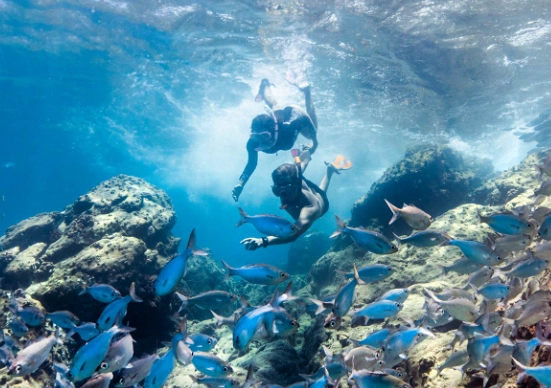
Eco-friendly snorkeling isn't about giving up the adventure. It's about upgrading it. It's the shift from being a passive tourist to an active guardian. This guide cuts through the greenwashing and gives you the actionable steps, based on marine biology and hard-earned guide experience, to ensure your underwater exploration leaves only bubbles.
Your Quick Guide to Eco-Friendly Snorkeling
Why Eco-Friendly Snorkeling Matters Now
The numbers are stark. According to the National Oceanic and Atmospheric Administration (NOAA), coral reefs face threats from climate change, pollution, and direct physical damage. While we can't solve warming oceans alone as individuals, the damage from direct contact – standing on coral, dragging gear, chemical pollution – is 100% within our control to stop.
I remember a specific site in Bali years ago, a vibrant slope of staghorn coral. Last season, it was a gray, broken field. The guide pointed to boat anchors and countless fins. It wasn't one person's fault. It was death by a thousand cuts.
That's the core of eco-friendly snorkeling. Your individual actions, multiplied by millions of snorkelers, have a massive collective impact. The good news? Positive actions compound, too.
Master Your Buoyancy and Body Control
This is the single most important skill, far beyond buying the right product. If you can't control your body in the water, you're a hazard to the reef.
Forget Kicking, Think Fluttering
The big, wide, bicycle kicks from the surface? They stir up sediment, which smothers coral, and your fins are like wrecking balls. The proper technique is a gentle, fluid flutter from the hips, with mostly straight legs. Keep your fins deep in the water column, well above the reef.
Practice this in a pool first. Lie flat, face in the water, and try to move forward with the smallest, most efficient kicks possible. Your core should be engaged.
The Art of Hovering
Want to look at a clownfish? Don't paddle furiously in place. Take a moderately deep breath, hold it (just for a few seconds), and let your natural buoyancy lift you slightly. Exhale slowly to sink back. Use minimal hand sculling for micro-adjustments. This breath-control method prevents you from grabbing onto coral for stability – a major rookie mistake that breaks branches.
The Golden Rules of Proximity
- Look, Don't Touch: This includes "soft" corals and sponges. The oils on our skin can damage their protective mucus layer.
- Never Chase or Corner Wildlife: Stress exhausts fish and disrupts natural behavior. Let the turtle swim away.
- Absolutely No Feeding: It alters diets, makes animals aggressive, and introduces unhealthy foods.
Choosing Gear That Doesn't Hurt the Reef
Your equipment choices are a direct vote for the ocean's health.
The Sunscreen Minefield
This is the most confusing part for people. "Reef-safe" is an unregulated marketing term. The science is clear on two common chemical filters: Oxybenzone and Octinoxate. They contribute to coral bleaching, damage coral DNA, and harm larval development. Many destinations like Hawaii, Key West, and Palau have banned them.
But the problem doesn't stop there. Other chemicals like Octocrylene and certain preservatives are also under scrutiny. The safest bet?
| Avoid These Ingredients | Look For These Instead |
|---|---|
| Oxybenzone (Benzophenone-3) | Non-Nano Zinc Oxide |
| Octinoxate (Ethylhexyl Methoxycinnamate) | Non-Nano Titanium Dioxide |
| Octocrylene | Mineral-based formulas only |
| 4-Methylbenzylidene Camphor (4-MBC) | Brands that list full ingredients |
My non-consensus take: Even some "natural" or organic brands use nano-sized minerals or sketchy emulsifiers. I trust brands that are transparent and undergo third-party testing for aquatic toxicity. Stream2Sea is a leader here, but Badger and All Good are also solid choices. Better yet, your first line of defense should be a long-sleeved rash guard or UV shirt. Less sunscreen needed, zero runoff. I wear one even in the tropics.
Fins and the No-Touch Policy
Stiff, heavy fins require more effort and lead to clumsier kicks. Look for flexible, lightweight snorkeling fins. The goal is efficiency, not power. Also, ensure your mask strap and snorkel keeper aren't dangling loose – they can snag on coral.
Top Eco-Conscious Snorkeling Destinations Doing It Right
Some places aren't just beautiful; they're actively managed for conservation. Supporting these destinations rewards good stewardship.
1. The Great Barrier Reef, Australia (Specific Managed Sites)
Address: Access via Cairns, Port Douglas, or Airlie Beach.
Why it's eco-leader: Operators on the GBR operate under strict Marine Park permits. The best ones, like those visiting the Opal Reef or Agincourt Reef sites, give detailed eco-briefings, provide floatation vests to aid buoyancy, and have marine biologists on staff. They also collect data for researchers.
My take: Avoid the massive, budget day boats that herd people. The smaller, eco-certified operators cost more but offer a far better, low-impact experience. Look for "Eco Certification" or "Advanced Ecotourism" logos.
2. Molokini Crater & Ahihi-Kinau, Hawaii, USA
Address: Off the coast of Maui.
Why it's eco-leader: Molokini is a Marine Life Conservation District with strictly enforced no-touch, no-fishing rules. Mooring buoys prevent anchor damage. Ahihi-Kinau is a protected area where you snorkel directly from shore, eliminating boat impact.
Visitor Tip: Book with a captain who gives a serious conservation talk, not just a safety speech. The mandatory reef-safe sunscreen law (banning oxybenzone and octinoxate) is strictly enforced—bring your approved bottle.
3. Galapagos Islands, Ecuador
Address: Remote islands accessed via liveaboard or island-based tours.
Why it's eco-leader: This is the gold standard. You are always accompanied by a licensed naturalist guide. Groups are tiny. The rules are absolute: stay 2 meters from wildlife, no flash photography, absolutely nothing leaves the boat (or your pocket). It's expensive and regulated for a reason.
The Reality Check: This isn't a casual dip. The water can be cold and currents strong. It's for those who prioritize pristine ecology over comfort. Worth every penny if you can manage it.
Choosing a destination with strong protections means your tourist dollars fund patrols, research, and mooring buoys. It's a direct investment in the reef's future.
Your Eco-Snorkeling Questions Answered
I see "reef-safe" sunscreen everywhere now. How do I know which one is truly safe?
What's the one skill I should practice in a pool before my trip to avoid reef damage?
Is it okay to wear gloves while snorkeling to protect my hands?
How do I handle strong currents without grabbing onto the reef?
What should I do if I see other snorkelers damaging the reef?
The shift to eco-friendly snorkeling is simple, but it's not always easy. It asks for a bit more awareness, a bit more preparation, and a willingness to put the reef's health before that perfect Instagram shot. But the reward is profound. You get to experience a vibrant, thriving world, knowing you're part of the solution keeping it that way for the next snorkeler, and for the countless creatures that call it home.
Now go ahead – dive in, float gently, and look with your eyes, not your hands.
Reader Comments