Quick Guide
- Why the Red Sea is a Snorkeler's Dream (The Real Reasons)
- Top Snorkeling Spots: Where to Find the Magic
- When to Go: Timing Your Red Sea Snorkel Adventure
- Red Sea Snorkeling for Beginners: Your No-Stress Guide
- Beyond the Fish: Environmental Notes & Responsible Snorkeling
- Frequently Asked Questions (The Stuff You're Actually Searching For)
- The Final Verdict
You've probably seen those stunning photos online—crystal clear turquoise water, vibrant coral reefs teeming with colorful fish, maybe even a turtle or a dolphin in the frame. And the caption always seems to be somewhere along the Red Sea coast. It looks almost too good to be true, right? So you find yourself typing that question into Google: Is the Red Sea good for snorkeling? Well, I'm here to tell you, not only is it good, it's arguably one of the best places on the planet to stick your face in the water with a snorkel. But let's not just stop at a simple yes. The real question is, why is it so good, and how can you make the most of it? That's what we're diving into today.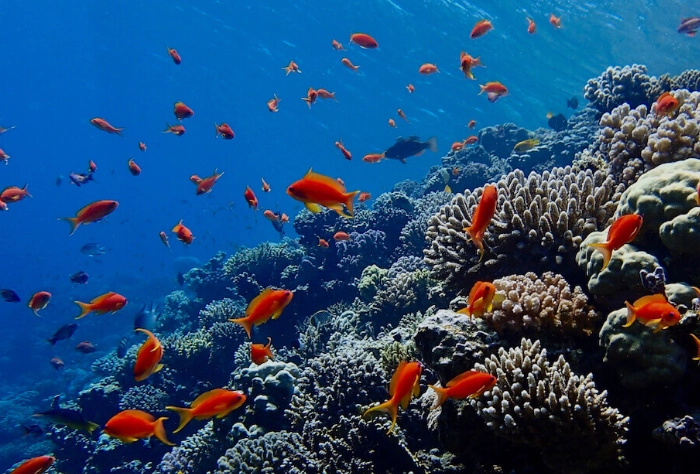
I've spent a good amount of time floating around these waters, from the busy reefs near Hurghada to the more remote corners of the Sinai Peninsula. And I've also slogged through some less-than-stellar snorkeling experiences elsewhere. The difference here is pretty stark. So, if you're planning a trip or just dreaming about one, this is your no-nonsense, detail-packed guide to snorkeling in the Red Sea. We'll cover where to go, when to go, what you'll see, and all the little things the glossy brochures don't always mention.
Why the Red Sea is a Snorkeler's Dream (The Real Reasons)
Anyone can list "clear water" and "pretty fish." Let's get specific about what makes the Red Sea a standout answer to the question, is the Red Sea good for snorkeling?
First off, the water clarity is insane. We're talking visibility that routinely hits 30-40 meters (100-130 feet). This isn't just about seeing far; it's about the light. Sunlight penetrates deep, illuminating the reefs in this magical, almost ethereal way. The colors of the soft corals—fiery oranges, deep purples, bright yellows—pop in a way they simply don't in murkier seas. It feels like swimming in a giant, sunlit aquarium.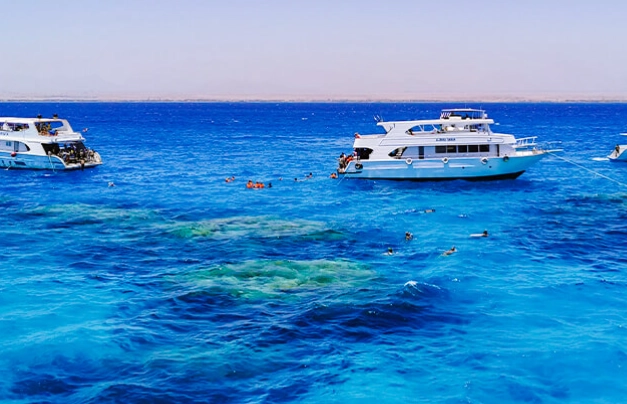
Then there's the biodiversity. The Red Sea is home to over 1,200 species of fish, and about 10% of them are found nowhere else on Earth. You're not just seeing generic "tropical fish." You're seeing Red Sea endemics. The most famous is probably the Picasso triggerfish, with its crazy geometric lines that look like a work of modern art. But there are others, like the adorable Red Sea clownfish (yep, Nemo's cousin) and the majestic masked butterflyfish.
The coral resilience is another huge point. While coral reefs worldwide are suffering from bleaching, the corals in the Red Sea have shown a remarkable ability to tolerate higher water temperatures. Scientists are still studying why, but it means the reefs you see here are often healthier and more vibrant than in other parts of the world. It's a fragile health, mind you, but it's a significant advantage.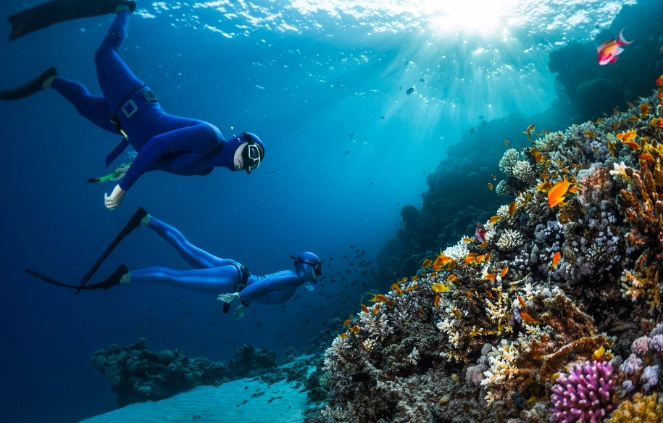
And let's talk logistics. For many, especially in Europe, the Red Sea (particularly the Egyptian coast) is a short, affordable flight away. You can be on a beach in Hurghada or Sharm El-Sheikh within a few hours. The infrastructure for tourism is massive. This means you have options—from all-inclusive resorts with house reefs you can snorkel right off the beach, to daily boat trips to offshore sites, to liveaboard safaris for the more adventurous.
Top Snorkeling Spots: Where to Find the Magic
"The Red Sea" is a big place. The snorkeling experience varies wildly depending on where you plant your flip-flops. Here’s a breakdown of the main areas, from the famous to the more niche.
The Egyptian Mainland: Hurghada & Marsa Alam
This is the most accessible area, packed with resorts. The good news? Plenty of easy options. The potential downside? Some reefs close to Hurghada have felt the pressure of mass tourism.
- Giftun Island: A boat trip from Hurghada to the Giftun Islands National Park is a classic. The reefs here are protected, and the variety is excellent. You'll likely do 2-3 snorkel stops at different sites around the islands. It's a great introduction.
- Abu Dabab Bay (Marsa Alam): This is the big draw further south. The bay is famous for its resident dugong (sea cow), a incredibly rare and peaceful creature. Seeing one is a matter of luck, but the seagrass beds and gentle slopes make for wonderful, easy snorkeling even if the dugong is shy. Turtles are almost guaranteed here.
- The House Reefs: Many resorts in Soma Bay or around Marsa Alam have fantastic house reefs. You can snorkel right from the beach multiple times a day. This is perfect for families or those who want maximum water time with minimum fuss.
The Sinai Peninsula: Sharm El-Sheikh & Dahab
The Sinai coast is more dramatic, with desert mountains dropping into the sea. The snorkeling here is often about dramatic drop-offs and famous, specific sites.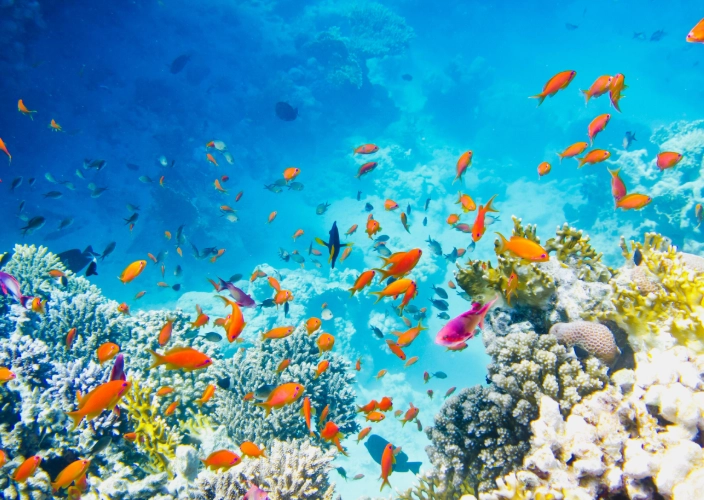
- Ras Mohammed National Park: Often cited as one of the best dive and snorkel sites in the world. The park is at the southern tip of Sinai, where the Gulf of Suez and Gulf of Aqaba meet. The currents bring in nutrients, which means insane amounts of fish life. Sites like Shark Reef and Yolanda Reef offer breathtaking walls. You need a boat trip from Sharm, and it's worth every penny.
- The Blue Hole (Dahab): This is a legendary dive site, but the snorkeling around its perimeter is also spectacular. A short swim from the shore takes you over a beautiful coral garden leading to the famous sinkhole. The contrast of the dark blue abyss against the shallow, light-filled reefs is unforgettable. (A word of caution: respect the Blue Hole; it's for observing, not for reckless free-diving).
- Napoleon Reef (Sharm): A popular boat stop known for its huge, friendly Napoleon wrasse. These giant, blue-green fish with distinctive "humpheads" are curious and often approach snorkelers. It's a unique interaction you won't forget.
So, is the Red Sea good for snorkeling in all these spots? Absolutely, but they offer different flavors. Hurghada is convenient and varied, Marsa Alam is gentle and wildlife-focused, Sharm is about world-class park sites, and Dahab has a unique, laid-back vibe with easy shore access.
Comparing the Key Snorkeling Regions
To help you decide, here's a quick comparison. This table cuts through the marketing and gives you the practical lowdown.
| Region | Best For | Typical Experience | Considerations |
|---|---|---|---|
| Hurghada | First-timers, families, convenience, resort-style holidays. | Boat trips to nearby islands (e.g., Giftun), often with multiple snorkel stops. Crowded boats possible. | Some nearshore reefs are degraded. Best spots require a boat ride. |
| Marsa Alam | Wildlife encounters (dugongs, turtles), relaxed pace, excellent house reefs. | Calm bay snorkeling (Abu Dabab), easy shore access from many resorts. | Further from airports, more remote feel. Fewer day-trip boat options. |
| Sharm El-Sheikh | Access to premier sites (Ras Mohammed), dramatic scenery, variety of boat trips. | Trips to national parks and famous reefs, often seeing larger pelagic life. | Can be more expensive. Ras Mohammed trips are a full-day commitment. |
| Dahab | Budget travelers, independent explorers, unique shore-access sites. | Walking from your hostel to world-class sites like the Blue Hole lagoon. | Less "resort" infrastructure. Some sites have strong currents (seek local advice). |
When to Go: Timing Your Red Sea Snorkel Adventure
You can technically snorkel in the Red Sea year-round, but the experience changes with the seasons. Getting this wrong can mean the difference between a perfect week and a windy, frustrating one.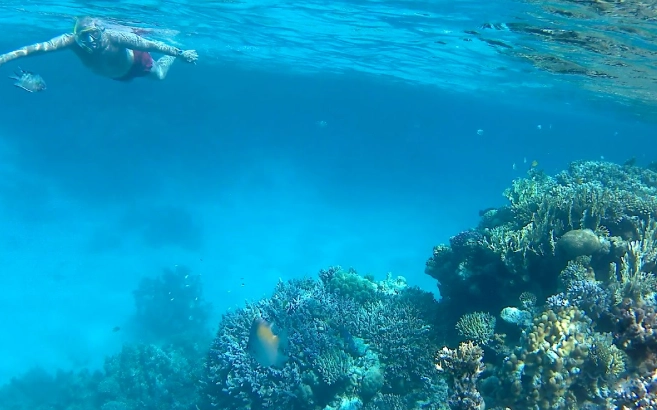
The sweet spot for most people is April to June and September to November. The air is warm but not scorching, the water is deliciously warm (24-28°C / 75-82°F), and the winds are usually calm. Visibility tends to be at its peak. Honestly, if you can plan your trip for these windows, do it.
July and August are the peak of summer. The air temperature soars, often above 40°C (104°F). The water is bath-like, sometimes hitting 30°C (86°F). While this sounds great, the heat on the boat or beach can be intense. It's also the busiest tourist season. If you handle heat well and plan to be in the water most of the time, it's still good. Just drink ridiculous amounts of water.
December to March is winter. Don't picture snow—think mild, sunny days (20-25°C / 68-77°F) and cooler nights. The catch is the water temperature, which can drop to 21-23°C (70-73°F). For some, that's fine with a shorty wetsuit. For others, especially kids or those who get cold easily, it can be uncomfortably chilly for long snorkel sessions. The wind can also pick up more frequently, which may affect boat schedules or create surface chop. On the plus side, it's less crowded and you can get great deals.
I made the mistake of going in late December once, lured by a cheap flight. The days were gorgeous, but after 30 minutes in the water, I was shivering uncontrollably. I spent the rest of the trip renting a 3mm wetsuit, which solved the problem, but I wish I'd packed one. Lesson learned.
Red Sea Snorkeling for Beginners: Your No-Stress Guide
If you're new to snorkeling, the Red Sea is a fantastic place to start—if you pick the right spot and follow some basic advice. The question "is the Red Sea good for snorkeling for beginners?" has a very positive answer, with a few important asterisks.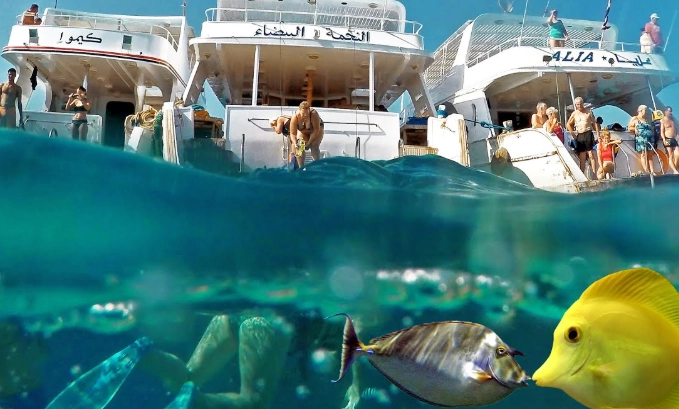
Choosing the Right Location & Trip
As a beginner, avoid booking the hardcore "safari" boat that goes to strong current sites. Instead, look for:
- Resorts with a gentle, sandy-bottomed lagoon or house reef: This allows you to practice in shallow, calm water. Soma Bay and many Marsa Alam resorts are perfect for this.
- Boat trips labeled "beginners" or "relaxed snorkeling": Reputable operators will offer these. They go to sheltered bays (like Abu Dabab or Mangrove Bay) with minimal current and often have guides in the water to assist.
- Shore-based sites like Dahab's Lighthouse or the Blue Hole lagoon: You can enter at your own pace, rest on the shore whenever you want, and don't have to deal with getting on/off a boat.
Gear Tips You Won't Find in the Manual
- Mask Fit is Everything: A leaking mask ruins the experience. Before you buy or rent, press it to your face without the strap. Inhale slightly through your nose. It should stay suctioned to your face by itself. No air should leak in around the edges. Do this test.
- Consider a Full-Face Snorkel Mask (Cautiously): They're controversial in the diving community, but for casual beginners who struggle with the traditional setup, they can be a game-changer for breathing easily. CRUCIAL: Only use reputable brands with separate inhalation/exhalation chambers to prevent CO2 buildup, and never use them for freediving or swimming face down for extremely long periods without a break. Listen to your body.
- Rent a Wetsuit: Even a 1mm "skin" or shorty wetsuit does three things: keeps you warm, protects you from sunburn on your back, and provides a tiny bit of buoyancy, which can help you relax. Worth the few extra dollars.
In-Water Etiquette & Safety (The Non-Negotiables)
- Never Touch Anything. Not the coral. Not the starfish. Not the "cute" sea urchin. Coral is a living animal; touching it can kill the polyps or introduce infection. Some fish and creatures are venomous. Look with your eyes, not your hands.
- Master Buoyancy. Don't stand up in the water if you can't touch the bottom without kicking coral. If you need to rest, float on your back or signal to your buddy/boat. Kicking or standing on the reef destroys decades of growth in seconds.
- Sun Protection is a Serious Sport. The sun reflecting off the water is brutal. Wear a rash guard or wetsuit. Use reef-safe sunscreen (mineral-based, without oxybenzone and octinoxate) on exposed parts like your face and hands. Apply it at least 20 minutes before getting in the water.
- Hydrate Like It's Your Job. Snorkeling is dehydrating. You're in the sun, you're breathing through your mouth, you're exercising. Drink water constantly before and after. Avoid heavy alcohol consumption the night before a big snorkel day.
Beyond the Fish: Environmental Notes & Responsible Snorkeling
This is the part that really matters for the long term. The Red Sea's beauty is not a given; it's under pressure. When we ask "is the Red Sea good for snorkeling?" we have a responsibility to help keep it that way.
The main threats are physical damage from careless snorkelers and divers, pollution (especially plastics), and the broader impacts of climate change. While the corals here are heat-resilient, they're not invincible.
What can you do? Be a responsible tourist.
- Choose operators who care. Look for boats that give thorough environmental briefings, have reef moorings (so they don't drop anchor on coral), and perhaps even participate in clean-up dives. In Hurghada, organizations like the Hurghada Environmental Protection and Conservation Association (HEPCA) work with tour operators. Supporting those affiliated with such NGOs is a good move.
- Wear reef-safe sunscreen. This isn't a marketing gimmick. Chemicals in conventional sunscreens have been scientifically shown to harm coral larvae, contribute to bleaching, and damage reef ecosystems. Switching to a mineral-based sunscreen (with zinc oxide or titanium dioxide) is a simple, effective step.
- Be a plastic warrior. Refuse single-use plastics. Bring a reusable water bottle. Pick up any plastic trash you see in the water or on the beach (safely). It's a small act that makes a direct difference.
I get frustrated when I see boats full of people slathered in cheap sunscreen, jumping onto fragile coral tables. It feels like we're loving the place to death. But I also see more and more operators getting it right, and more travelers asking the right questions. That gives me hope.
Frequently Asked Questions (The Stuff You're Actually Searching For)
Snorkeling is generally very safe. The main risks are sunburn, dehydration, fatigue, or不小心 bumping into coral. Shark encounters are extremely rare for snorkelers in the areas where most people go. The sharks that live on the reefs (like reef sharks) are shy and avoid people. The sites frequented by snorkel boats are not where large, pelagic sharks typically hang out. You're far more likely to see a harmless reef shark from a distance while on a boat trip to Ras Mohammed than while snorkeling in a bay. The danger from sharks is astronomically low.
Yes, absolutely. You must be a confident, comfortable swimmer. Even in calm water, you can get tired, a current can pick up, or you might drift further than intended. If you can't swim or are a very weak swimmer, do not go on a standard snorkel trip. Your options are: 1) Stick to a resort pool, or 2) Look for specific "snorkeling for non-swimmers" experiences that use floatation devices (like life jackets or snorkeling vests) and have a dedicated guide who stays with you in very shallow, confined water. Never rely solely on a life jacket in open water if you can't swim.
Both are possible! Many resorts, especially in Marsa Alam, Soma Bay, and some in Sharm/Dahab, have excellent house reefs accessible directly from the beach. This is often the best and most flexible option. For many of the iconic sites (Ras Mohammed, Tiran Island, some reefs off Hurghada), a boat is necessary to reach them. A mix of both is ideal—enjoy the house reef for easy sessions and take a few boat trips for variety.
Scuba diving lets you stay underwater longer and go deeper to see wrecks and certain deeper reef structures. Snorkeling gives you access to the top 5-10 meters of the reef, which is where the most light, color, and a huge percentage of the marine life exists. For most people, snorkeling is more than enough to have an utterly mind-blowing experience. The vibrant coral gardens, fish schools, turtles, rays, and even sharks can all be seen while snorkeling. You won't see the famous SS Thistlegorm wreck snorkeling, but you will see 95% of the Red Sea's famous beauty. Don't feel pressured to dive if you're happy snorkeling.
If you have a well-fitting mask and snorkel you love, bring them. It guarantees comfort and hygiene. Fins are bulky; renting them is usually fine if you don't mind generic fit. If you're a beginner or don't snorkel often, renting a full set is perfectly acceptable and saves luggage space. Just test the mask fit carefully before leaving the shop. Many good rental places will have quality gear.
The Final Verdict
So, let's circle back to that initial search query one last time.
Is the Red Sea good for snorkeling?
The answer is a resounding, unequivocal yes. It's not just good; it's elite. The combination of accessibility, water clarity, vibrant and resilient coral, staggering biodiversity, and range of options—from dead-easy resort snorkeling to adventurous boat trips—makes it a destination that can satisfy everyone from a first-timer to a seasoned ocean enthusiast.
The key is planning. Pick the right region for your style (use that table!), time your trip for the best conditions, and choose your operators and sites wisely. Pack your sense of wonder, but also pack your reef-safe sunscreen and a big dose of environmental respect.
I've snorkeled in the Caribbean, the South Pacific, and Southeast Asia. Each has its charms. But for the sheer "wow" factor per dollar and per travel hour, the Red Sea, particularly the Egyptian coast, is hard to beat. It delivers on its promise. Just get yourself there, put your face in the water, and see for yourself. The underwater world there is waiting, and it's every bit as incredible as the photos suggest.
Any more questions? Drop them in a comment below. Now go plan that trip.
Reader Comments