Quick Guide
- What You're Really Paying For: Breaking Down the Value
- The Flip Side: When a Guided Tour Might NOT Be Worth It
- The Decision Matrix: A Side-by-Side Look
- How to Pick a Winner (If You Decide a Tour IS Worth It)
- Answering Your Burning Questions (The FAQ You Actually Care About)
- The Verdict: So, Are Snorkeling Tours Worth It?
Let's cut right to the chase. You're staring at a booking page for a snorkeling tour, the price is staring back at you, and that little voice in your head is asking the million-dollar question: are snorkeling tours worth it? I've been there. I've booked the fancy catamaran trip with the open bar and I've also just rented gear from a shack and stumbled into the water on my own. Both have their moments, both have their regrets.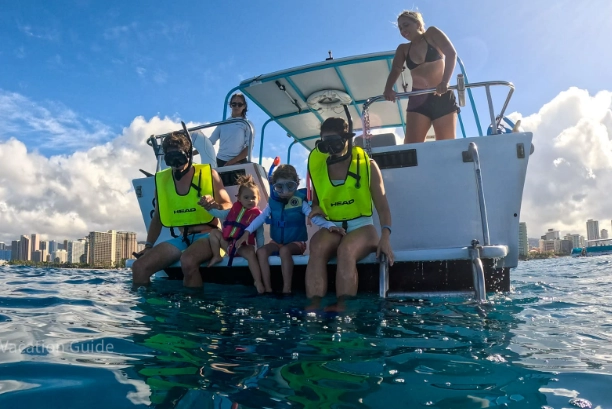
The short, unsatisfying answer is: it depends. On you, on your budget, on your location, on your comfort level in the water. But that's not why you're here. You want the deep dive, the nitty-gritty, the stuff that helps you actually make a decision. So let's unpack this together, without the sales pitch.
What You're Really Paying For: Breaking Down the Value
When you look at the price tag for a guided snorkeling tour, it's easy to think, "I could just buy a mask and snorkel for that." And you could. But you're not just paying for gear. You're paying for a bundle of services, expertise, and access. Let's break down where your money actually goes.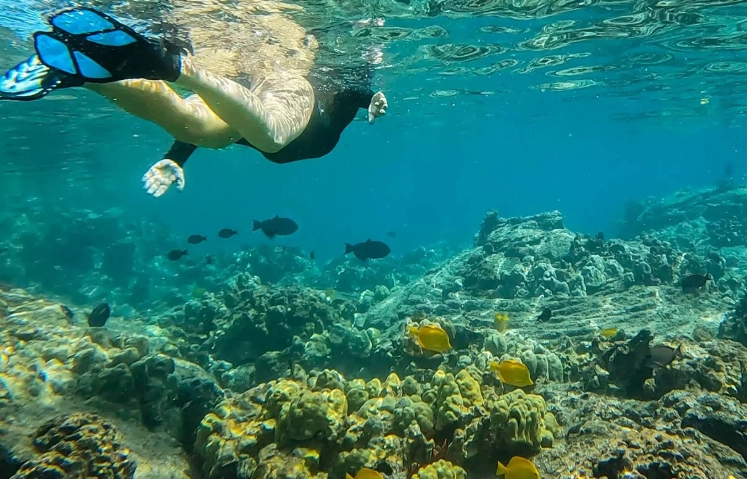
The Tangible Stuff You Get
This is the easy part to see. A typical tour provides the gear: mask, snorkel, fins, and usually some kind of flotation device (a vest or a noodle). They also give you a boat ride out to the spots you probably couldn't swim to from shore. Sometimes there's snacks, drinks, or even a full lunch. But that's just the surface.
The Intangible (But Often More Valuable) Stuff
This is where the value proposition gets interesting. You're paying for local knowledge. The guide knows where the sea turtles nap in the afternoon, where the parrotfish are munching on coral, and which reef has the clearest water that day based on the wind. You're paying for safety. There's someone watching you, someone trained in first aid, someone who knows what to do if the weather turns or you get a cramp. And maybe most importantly for beginners, you're paying for confidence. Having a guide walk you through how to clear your snorkel, how to defog your mask, and what to do if you feel anxious can be the difference between a panic attack and a magical experience.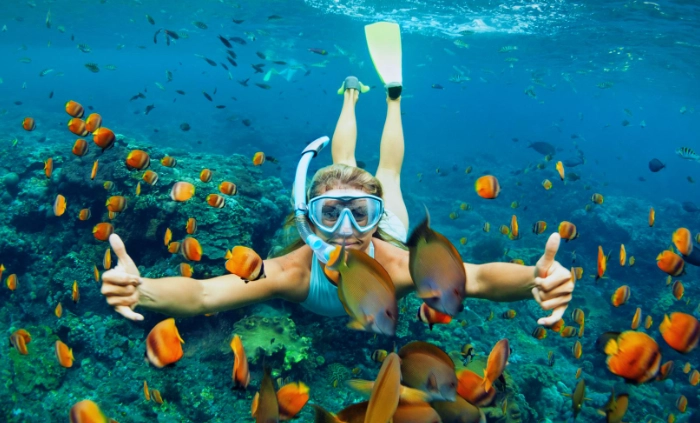
Think about it. If you're on a tight schedule, maybe you have just one morning to snorkel on your entire vacation. Do you want to gamble on finding a good spot yourself, or do you want a professional to take you directly to the good stuff? For a lot of people, that peace of mind is worth the premium.
The Flip Side: When a Guided Tour Might NOT Be Worth It
I'm not here to sell you tours. Honestly, some of them are overpriced cattle calls. I once paid for a "small group" tour that ended up with 30 people in the water, all kicking and flapping around the same patch of reef. It was stressful for me and probably terrible for the fish.
So when should you skip the tour? If you're an experienced, confident snorkeler visiting a place with easy, well-marked shore access to great reefs (think parts of the Florida Keys, or Hanauma Bay in Hawaii—though even there, a reservation system is now in place). If you're on a shoestring budget and every dollar counts. If you deeply value solitude and moving at your own pace, and you've done your research on safe, accessible spots.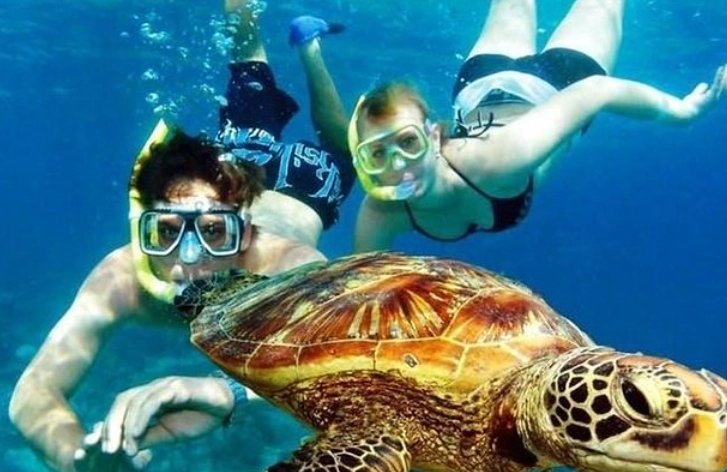
Going alone means you can stay in that one cove with the curious pufferfish for an hour if you want. No one is blowing a whistle at you. That freedom has a magic of its own.
The Decision Matrix: A Side-by-Side Look
Let's make this visual. Here’s a blunt comparison to help you see where you might fit.
| Consideration | Guided Snorkeling Tour | DIY / Solo Snorkeling |
|---|---|---|
| Cost | Higher upfront cost per person. All-inclusive. | Lower cost (gear rental only). Pay-as-you-go for extras. |
| Convenience & Logistics | Handled for you. Transport, gear, location scouting. | All on you. Research, transport, gear logistics. |
| Safety | Professional oversight, first aid, group safety. | Your own responsibility. Must assess conditions alone. |
| Knowledge & Guidance | Expert guides, marine life identification, ecological context. | Self-guided. Relies on your own knowledge/apps/books. |
| Access to Sites | Often access to remote, higher-quality sites unreachable from shore. | Limited to sites accessible from the beach or a short swim. |
| Pace & Flexibility | Set schedule. Group pace. Limited time per site. | Complete freedom. Your own schedule, your own pace. |
| Social Aspect | Can be fun, meet people. Can be crowded/noisy. | Solitude and personal connection with nature. |
| Best For... | Beginners, nervous swimmers, those short on time, anyone wanting a curated, easy experience. | Experienced, confident snorkelers, budget travelers, solitude-seekers with time to research. |
Looking at that table, where do you see yourself? Be honest. If you get anxious in new situations, the safety and guidance column for tours should weigh heavily. If you're a certified scuba diver who's comfortable in the water, the DIY side might look more appealing.
How to Pick a Winner (If You Decide a Tour IS Worth It)
Okay, let's say you're leaning towards booking a tour. Not all tours are created equal. Picking the right one is the difference between a core memory and a story you tell about being ripped off. Here’s my checklist, forged from good and bad experiences.
Group Size: This is my number one filter. I now actively seek out tours that cap at 12 people, or even 6-8. A smaller group means more attention from the guide, less chaos in the water, and a generally more respectful interaction with the marine environment. It's almost always worth paying a bit more for a smaller boat.
What's the Guide's Vibe? Read the reviews, but look for specifics. Do they mention the guide's name? Do they talk about the guide's knowledge or passion? A good guide doesn't just point; they teach. They explain what a parrotfish is doing when it makes that crunching sound, they tell you about the symbiotic relationship between clownfish and anemone. This turns a pretty swim into an educational experience. The Smithsonian Ocean Portal is a fantastic resource to cross-reference what your guide tells you, and a good tour will align with authoritative info like this.
The Boat Matters. A giant double-decker pontoon with a slide might look fun, but it's often a sign of a party cruise, not a nature excursion. A smaller, agile boat can get into quieter coves and is often run by a more dedicated operator.
Their Environmental Policy. This is non-negotiable for me now. Do they preach and practice reef-safe sunscreen only? Do they have a strict "no touching, no standing" policy? Do they talk about conservation? A tour that cares for the reef is a tour that will have a healthy reef to show you for years to come.
What's *Not* Included? Read the fine print. Are there any extra fees (marine park fees, fuel surcharges)? What's their cancellation policy? If it rains? This is where hidden costs and frustrations live.
Answering Your Burning Questions (The FAQ You Actually Care About)
Let's tackle the specific worries that pop up when you're weighing whether snorkeling tours are worth it.
This is probably the most common fear. Absolutely, yes. In fact, this is one of the strongest arguments for a guided tour. Reputable tours provide buoyancy aids—like snorkel vests or floatation belts—that you can use as much or as little as you need. The guide is there to keep an eye on you. Always, always disclose your comfort level when booking and again to the guide on the day. They'd much rather know so they can help you than be surprised.
They can be, if operated poorly. A boatload of people kicking coral, wearing toxic sunscreen, and chasing turtles is a disaster. But, a responsible tour operator is a force for good. They educate guests on how to behave, they often contribute to conservation through fees or direct action, and they monitor the health of their sites. They also concentrate impact in specific, resilient areas, potentially sparing more fragile spots. The key is to choose an operator with a clear, stated environmental ethic. Look for affiliations with groups like The Reef Environmental Education Foundation (REEF) or those that follow established guidelines for low-impact snorkeling.
A real concern. If you're prone to motion sickness, take non-drowsy medication (like meclizine) well before you get on the boat, as directed. Choose a tour on a larger, more stable catamaran if possible, and stay on deck in the fresh air, focusing on the horizon. Honestly, once you're in the water, the sickness usually vanishes. It's the rocking boat that gets you. I've been there, staring miserably at the floor. Prevention is everything.
It doesn't have to be. Most decent operators sanitize their mouthpieces. That said, if you're a germaphobe or just want a perfect fit, bringing your own mask and snorkel is a great idea. Fins are less of an issue (you wear them over your feet). Ill-fitting gear can ruin your day, so if you have the luggage space, your own mask is the single best piece of personal gear you can bring.
The Verdict: So, Are Snorkeling Tours Worth It?
Let's circle back to the big picture. The question "are snorkeling tours worth it" isn't a simple yes or no. It's a value judgment based on your personal equation.
For most first-timers, most travelers with limited time, and anyone who values a seamless, educational, and safe introduction to the underwater world, a well-chosen guided snorkeling tour is absolutely worth the investment. It accelerates the learning curve, maximizes your chances of a great experience, and removes a ton of logistical headache. You're buying an experience, not just a boat ride.
For the seasoned, confident, budget-conscious adventurer with time to spare, the DIY route offers an unmatched sense of freedom and accomplishment. It's cheaper and can be deeply rewarding if you're willing to put in the research legwork.
My final, personal take?
I now default to booking a small-group, eco-focused tour for my first snorkel in a new region. I use it as a scouting mission. The guide shows me the best spots, teaches me about the local conditions and marine life, and I get my bearings. Then, if I have more time and the sites are accessible, I might go back on my own for a second, more solitary visit. That hybrid approach gives me the best of both worlds: the expert primer and the personal freedom.
Just promise me you'll check the group size and ask about their reef-safe policy. The ocean will thank you.
Reader Comments