Quick Guide
- Breaking Down the Whale Shark Season: A Month-by-Month Guide
- Where to Go: Mexico's Top Whale Shark Locations Compared
- The Nitty-Gritty: How to Actually Book and Prepare
- The Rules: How to Be a Good Guest in Their Home
- Costs, Logistics, and Real Talk
- Answering Your Burning Questions (FAQ)
- Wrapping It Up: Your Decision Checklist
Let's cut straight to the chase. If you're typing "what months can you swim with whale sharks in Mexico" into Google, you're probably dreaming of that moment—floating in the blue, a bus-sized, polka-dotted giant gliding silently past you. It's a life-list item for sure. But the answer isn't just a couple of months scribbled on a calendar. It's a story of migration, weather, regulations, and picking the right spot. I've done it a few times, talked to dozens of guides, and seen the good and the not-so-good tours. So, let's unpack it all.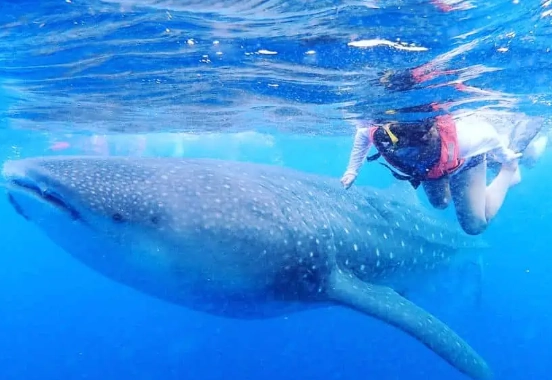
The Quick Answer: The primary season to swim with whale sharks in Mexico's most famous spots—like Cancun/Isla Mujeres and Holbox—is from mid-June to mid-September. That's your golden window. But (and it's a big but), Mexico has multiple locations, and the timing shifts as you move up the Baja California peninsula. Places like La Paz and Bahía de Los Ángeles have seasons that can stretch from October all the way into April or May. So, the real question becomes: where in Mexico, and what kind of experience are you after?
Breaking Down the Whale Shark Season: A Month-by-Month Guide
Thinking about what months you can swim with whale sharks in Mexico requires looking at a calendar with ocean currents in mind. These animals follow the food, specifically dense blooms of plankton and fish eggs. The season isn't flipped on by a switch; it's a gradual build-up, a peak, and a wind-down.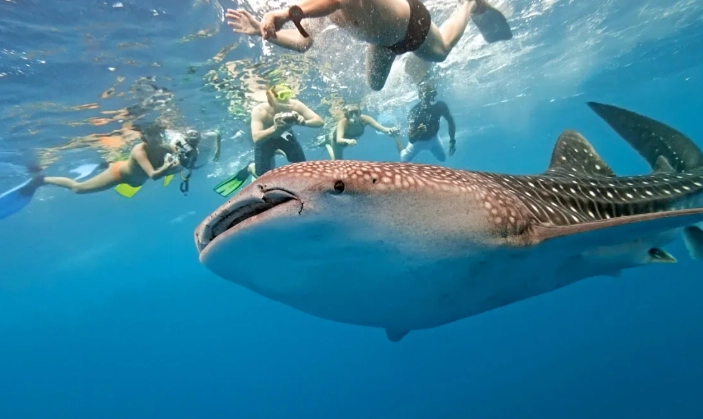
Here’s the typical rhythm for the Caribbean side (Quintana Roo):
- May: The very early birds might start showing up late in the month, but tours are rarely operational. It's a gamble. The sea can be rough.
- June: The action starts! By mid-June, reliable numbers are in, and tours launch. Early June can still be spotty, but it's less crowded—a trade-off.
- July & August: Peak season. This is it. The highest concentration of whale sharks. It also means more boats, more people, and hotter, calmer weather. Book well in advance.
- September: The season begins to taper off. Early September is still great, but by mid-to-late September, numbers drop, and tours often stop as the sharks disperse. This month also overlaps with hurricane season risk.
- October-April: The whale sharks have left the Caribbean coast. If a tour operator says they can take you during these months, run. They are either lying or planning something highly irresponsible (and likely illegal).
For the Pacific/Baja California side, the calendar is almost the reverse, which is a fantastic piece of trivia if you want to see whale sharks outside the summer frenzy.
Where to Go: Mexico's Top Whale Shark Locations Compared
Mexico is blessed with not one, but several hotspots. Each has its own personality, season, and vibe. Knowing this is key to planning your trip around what months you can swim with whale sharks in Mexico.
| Location | Region | Prime Season | The Vibe & What to Expect |
|---|---|---|---|
| Isla Mujeres / Isla Contoy (near Cancun) | Caribbean Sea (Quintana Roo) | Mid-June to Mid-September | The most famous spot. Often called the "Whale Shark Capital." Can see large aggregations (50+ sharks). Also the most regulated and, frankly, can feel a bit crowded with boats. It's efficient but not remote. |
| Holbox Island | Caribbean Sea (Quintana Roo) | Mid-June to Mid-September | Accesses the same shark aggregation zone as Isla Mujeres but departs from a more laid-back, bohemian island. The boat ride is longer. The island itself is car-free and charming. A more relaxed base camp. |
| La Paz, Baja California Sur | Sea of Cortez (Gulf of California) | October to April (Peak: Nov-Feb) | A completely different season! The sharks here are often resident juveniles, meaning they're smaller (still huge!) and present for much longer. The experience is often with fewer sharks at once (1-3) but can feel more intimate. Water is cooler. |
| Bahía de Los Ángeles, Baja California | Sea of Cortez (Gulf of California) | June to November (Peak: Aug-Oct) | A more remote, adventurous destination. The season overlaps with the Caribbean's end. Fewer tourists, rugged beauty. You need more time and flexibility to get here, but the payoff is solitude. |
See how that changes things? If your summer is booked, you can aim for La Paz in winter. It's a game-changer.
My Take on Cancun vs. La Paz
I've done both. The Cancun/Holbox area in August was like being in a nature documentary—sharks everywhere, warm water, but also a dozen other boats circling the same spot. The guides were professional, but it felt rushed. La Paz in February was different. We motored around for a couple of hours with just our boat, found a single, graceful young shark, and spent a peaceful 45 minutes swimming in rotation with it. No crowd. Which is better? Depends on you. Want the spectacle and guarantee? Go Caribbean in summer. Want a quieter, cooler-season pilgrimage? Head to Baja.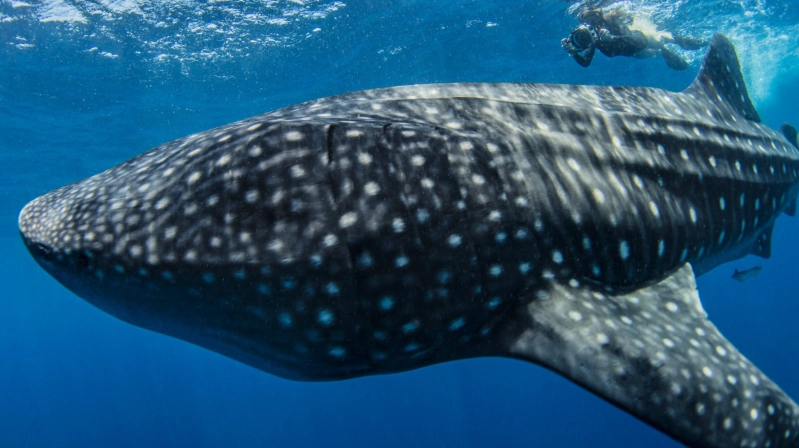
The Nitty-Gritty: How to Actually Book and Prepare
Knowing what months you can swim with whale sharks in Mexico is step one. Actually making it happen is step two, three, and four.
Booking a Tour: Don't Just Pick the Cheapest
This is critical. A cheap tour often means overcrowded boats, guides who cut corners on time or rules, and a disappointing experience. Look for operators that:
- Explicitly mention responsible practices (limited swimmers in water, distance kept from sharks).
- Are certified or authorized by local authorities. In Quintana Roo, check if they follow the guidelines set by the National Commission of Natural Protected Areas (CONANP).
- Include a marine biologist or trained naturalist on board. This isn't just a nice-to-have; it's a sign of quality.
- Have small group sizes. A boat with 20 people vs. 10 makes a huge difference to your actual water time.
What does a good day look like? You'll typically meet early (7-8 am), boat out for 45-90 minutes to the feeding zone, and then rotate in small groups (usually 2 people plus a guide) for swims. You get in, swim with the shark for a few minutes, get out, next group goes. This repeats for a few hours. Lunch and snorkeling at a reef or beach are usually included on the way back.
What to Pack (The Non-Obvious Stuff)
- A Rash Guard or Long-Sleeved Swim Shirt: Sunscreen washes off and can harm the plankton. Protect your skin physically. It's often a rule.
- Sea-Sickness Medication: Even if you're usually okay. You'll be bobbing in swells for hours. Take it before you leave the dock.
- Waterproof Camera or GoPro with a FLOATY HANDLE: I can't stress the floaty handle enough. Dropping a camera on a whale shark is not cool.
- Cash (in Pesos): For tips for your guide and crew. They work hard.
- Patience: It's wildlife, not a theme park ride. Some days the sharks are deep or moving fast.
The Rules: How to Be a Good Guest in Their Home
This is where I get on my soapbox a little. The privilege of swimming with whale sharks in Mexico comes with serious responsibility. The seasons and regulations exist to protect them.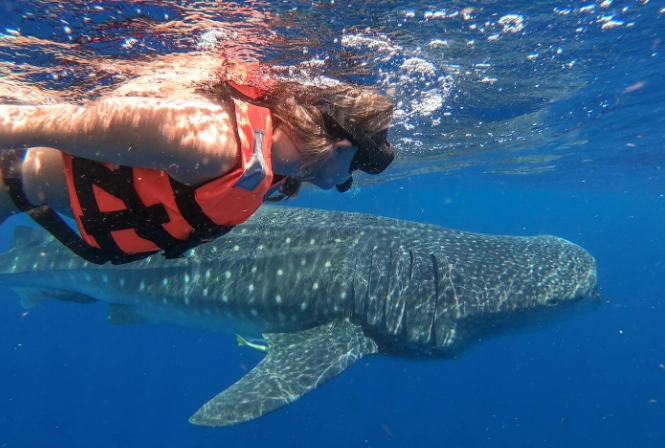
What NOT to Do (Seriously):
- Do NOT touch the whale sharks. Their skin is protected by a mucus layer. Touching it removes this protection, stresses the animal, and is illegal. Keep a minimum distance (usually 2-3 meters/6-10 feet from the body, 4-5 meters/13-16 feet from the tail).
- No sunscreen or chemical repellents. Use mineral-based, reef-safe sunscreen applied long before you get in the water, or better yet, wear a rash guard.
- No flash photography. It can startle them.
- No feeding or chasing. Let the guide position the boat. You swim calmly alongside, don't try to get in front of its face.
Following these rules isn't just about being polite; it's about ensuring future generations can also ask "what months can you swim with whale sharks in Mexico" and get a positive answer. Organizations like the WWF Mexico work on conservation projects tracking these gentle giants, and our tourist behavior directly impacts their well-being.
Costs, Logistics, and Real Talk
So, let's talk money and practicalities. A good, reputable tour will cost you. For the Caribbean spots, expect to pay between $120 to $180 USD per person. For Baja, prices can be similar or slightly higher due to smaller operations. This almost always includes gear, lunch, drinks, and park fees (which are mandatory and go towards conservation).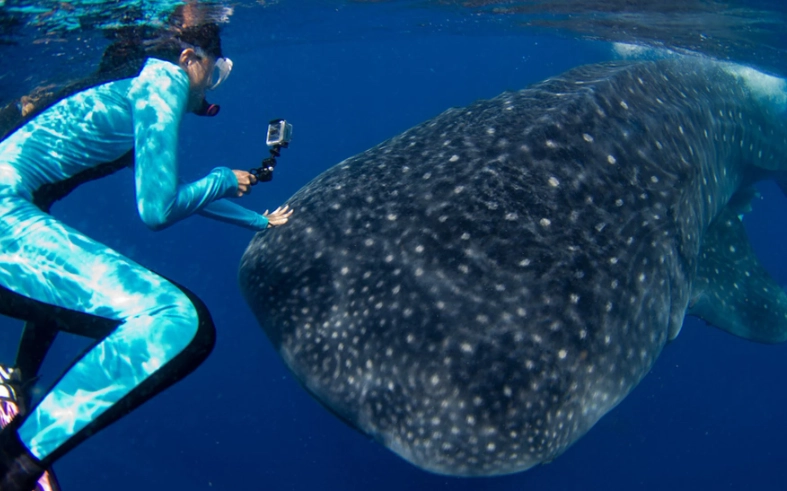
You need to be a confident swimmer. You don't need to be Michael Phelps, but you should be comfortable in open water, sometimes with mild currents, and able to snorkel efficiently to keep up (briefly) with the shark.
Is it safe?
Yes, overwhelmingly. Whale sharks are filter feeders. They have no interest in eating you. The main risks are related to the ocean environment: sunburn, seasickness, or fatigue from swimming. Listen to your guide.
Answering Your Burning Questions (FAQ)
Can I swim with whale sharks in Mexico in December?
Not on the Caribbean side. The season is long over. However, yes, you can in La Paz, Baja California Sur. December is actually smack in the middle of their peak season. It's a fantastic winter escape.
What is the absolute best month to see whale sharks in Cancun?
If you want the highest probability of large numbers and calm seas, July or August. August edges it out for me because the water is like a bath and the weather is most stable, but it's also the busiest. Book months ahead.
Is it better to go from Cancun or Holbox?
Holbox offers a more rustic, island vibe. The boat ride to the feeding zone is longer (up to 1.5 hours vs. ~45 mins from Cancun). If you want to combine the trip with a chill, sand-streets island holiday, choose Holbox. If you're based in a Cancun resort and want the shortest logistical chain, depart from Cancun or Isla Mujeres marinas.
What happens if the weather is bad?
Reputable operators will cancel or reschedule trips for safety if seas are too rough. They don't want to risk it either. This is more common at the very start (June) or end (September) of the season. Always have a flexible day or two in your itinerary as a buffer.
Are there whale sharks in Mexico year-round?
In Mexican waters, broadly speaking, yes. But they move. There is no single location where you can reliably find them every month of the year. The "season" in any given spot is when their migratory path and food sources converge there. So, while the species is present, your access to them changes monthly.
Wrapping It Up: Your Decision Checklist
So, you're ready to answer "what months can you swim with whale sharks in Mexico" for yourself. Here's your action list:
- Pick Your Season First: Summer (Jun-Sep) or Winter/Spring (Oct-Apr)? This decides your location.
- Choose Your Location: Spectacular Caribbean aggregation (Cancun/Holbox) or intimate Baja encounter (La Paz/Bahía)?
- Book a Reputable Operator: Do your homework. Read recent reviews, ask about their practices.
- Pack Smart: Rash guard, seasick pills, waterproof camera, pesos, patience.
- Go with the Right Mindset: You're there to observe, not interact. Follow the rules. The memory of respecting a wild animal is more powerful than any Instagram shot.
The months you can swim with whale sharks in Mexico are a gift of nature's timing. It's a fleeting, powerful window into the life of the ocean's largest fish. Do it right—plan for the right season, choose a good operator, and be a respectful guest. You won't regret it.
Honestly, some days are magic. Some days are just okay. That's wildlife. But when it clicks, when you're there in that blue silence with a creature that makes you feel tiny and connected all at once... you'll forget all about the search that brought you there. You'll just be present. And that's the whole point.
Reader Comments