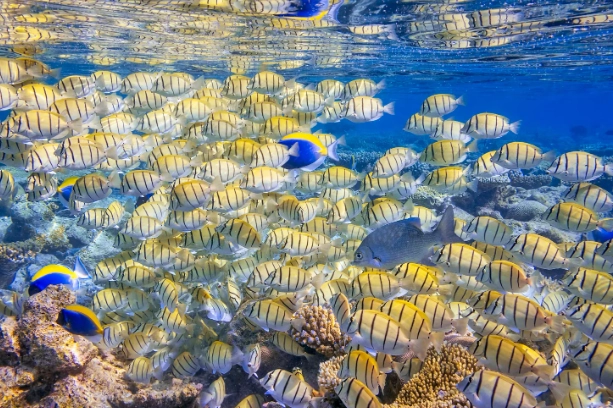
You slip beneath the surface, and the world goes silent except for the rhythm of your breath. Below, a city of coral teems with life—parrotfish crunching, a turtle gliding past, a pulse of neon fish darting into the blue. This is the magic of snorkeling. It’s democratic, requiring little more than a mask and curiosity, yet it opens a door to the planet’s most spectacular wildernesses.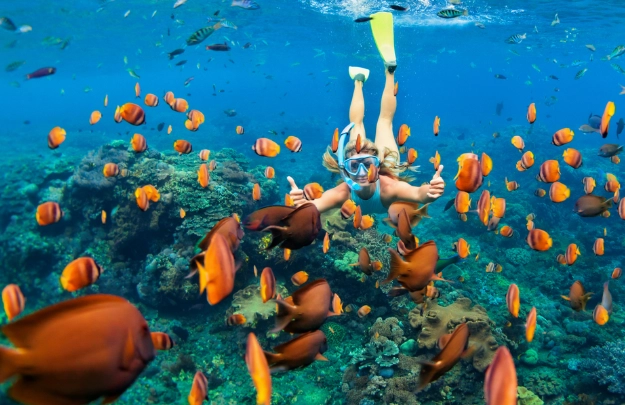
But with so much ocean, where do you start? The “best” spot isn’t just about pretty fish. It’s a cocktail of visibility, biodiversity, accessibility, and that intangible feeling of wonder.
I’ve been chasing this feeling for over a decade, from crowded tourist bays to remote atolls only reachable by liveaboard. Let’s cut through the postcard clichés and talk about where the water truly sparkles, what you’ll actually see, and how to plan a trip you’ll remember forever.
Your Quick Dive Plan
What Makes a Snorkeling Spot ‘The Best’?
Forget the glossy brochures for a second. When I rank a spot, I’m weighing four concrete things:
Visibility: Can you see 30 meters or 3? Murky water kills the magic. The best spots offer 20-40 meter (65-130 ft) visibility regularly.
Marine Life Density & Diversity: It’s not just about seeing a turtle. It’s about seeing sharks, rays, a thousand schooling fish, and critters you’ve only seen on documentaries—all in one place.
Access & Conditions: A site requiring a PhD in advanced scuba is not a great snorkeling spot. We want places where you can access incredible life from the surface, with manageable currents and entry points.
The “Wow” Factor: The intangible. A unique geological formation, absurdly clear blue water, or an encounter that feels genuinely wild, not staged.
A quick note on “best lists”: My top five focuses on biodiversity and iconic experiences. Your personal best might be the calm bay five minutes from your hotel that had a friendly octopus. That’s valid. This list is for building a lifetime bucket list.
Top 5 Best Snorkeling Spots in the World
Based on those criteria, here are the heavyweights. I’ve included the practical details you need to actually plan a trip.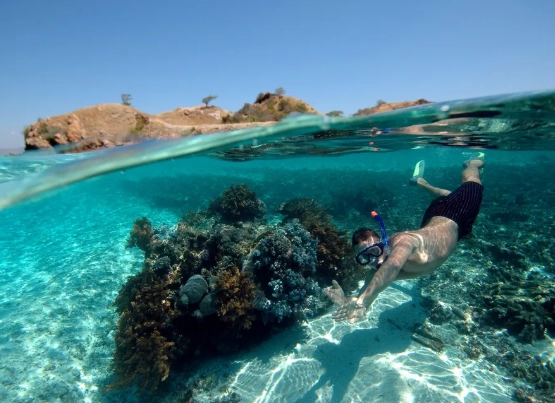
| Spot & Location | Star Attractions | Best Time to Visit | Key Practical Info |
|---|---|---|---|
| 1. The Great Barrier Reef, Australia (Cairns & Whitsundays gateways) |
World's largest coral reef system, clownfish, giant clams, reef sharks, turtles. Iconic biodiversity. | Jun-Oct (Dry season, best vis) | Access by daily boat tours from Cairns, Port Douglas, or Airlie Beach. Trips range from large pontoon boats ($150-250 AUD) to smaller, eco-focused operators. Check the Great Barrier Reef Marine Park Authority for reef health updates. |
| 2. Galapagos Islands, Ecuador | Marine iguanas, penguins, sea lions, hammerhead sharks (deep water). Unique, fearless wildlife. | Dec-May (Warm water, calmer seas) | Most access is via liveaboard cruises ($$$$) or day tours from inhabited islands like Santa Cruz. A park guide must accompany you. Water can be cooler (18-24°C/64-75°F) and currents strong—better for confident snorkelers. |
| 3. Raja Ampat, Indonesia (West Papua) |
Highest recorded marine biodiversity on Earth. Mantas, wobbegong sharks, pygmy seahorses, pristine coral gardens. | Oct-Apr (Calmest seas) | Remote. Fly to Sorong, then boat to homestays or luxury liveaboards. It’s an investment in time and money, but the reefs are less touched. Currents can be significant; guided snorkeling is highly recommended. |
| 4. Molokini Crater & Honolua Bay, Hawaii (USA) | Molokini: 45m visibility, crystal clear water in a volcanic crater. Honolua Bay: lush coral and fish density. | Year-round (Summer has calmest seas) | Molokini requires a 1.5-hour boat trip from Maalaea Harbor, Maui (~$120-180). Honolua Bay is a shoreline snorkel on Maui’s west side (free), but parking is limited—go early. Respect the coral; standing is a major faux pas. |
| 5. The Red Sea, Egypt (Sharm el-Sheikh, Hurghada) |
Vibrant coral walls, pelagic fish, accessible shipwrecks like the SS Thistlegorm. Amazing colors. | Mar-May & Sep-Nov (Pleasant temps) | Extremely accessible from resort towns. Daily boat trips are affordable ($50-100). Reefs are close to shore. A common mistake is only snorkeling from the hotel beach; the best reefs are a short boat ride away. |
I’ll be honest, picking just five hurts. The Coral Triangle (Indonesia, Philippines, PNG), the atolls of French Polynesia, and even lesser-known places like Mozambique’s Tofo Beach deserve their own deep dives.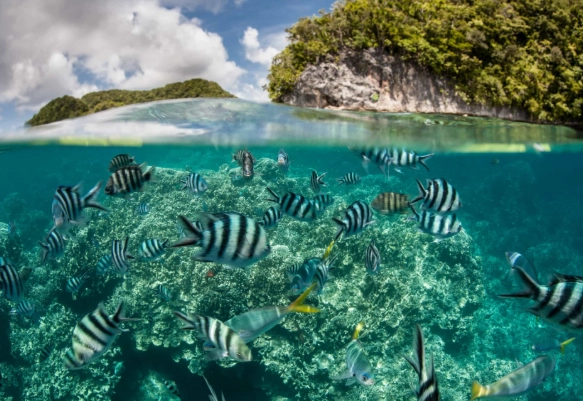
Why the Galapagos Beats a Tropical Reef for “Wow”
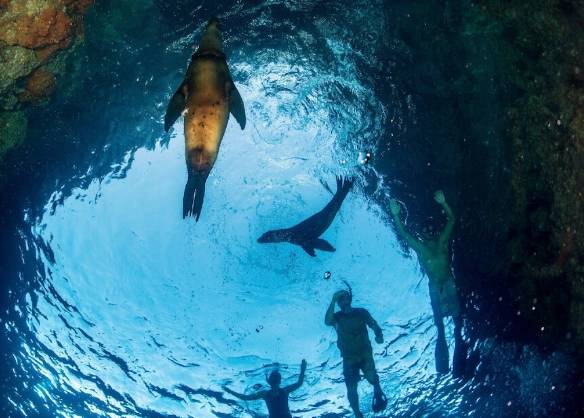
You can see colorful fish anywhere. But where else can a playful sea lion pup zoom within inches of your mask, or you can watch a marine iguana—a dinosaur-like creature—graze on underwater algae? The Galapagos offers encounters, not just sightings. The animals have no innate fear of humans. It’s humbling. The snorkeling itself can be challenging (cool water, currents), but the payoff is a connection to the wild you won’t find in more curated destinations.
How to Choose the Right Snorkeling Spot for You?
Match the destination to your travel style, not just a dreamy photo.
For Families & Absolute Beginners: Look for protected, shallow bays with sandy entries and lifeguards. Hanauma Bay (Oahu, Hawaii) is a classic, though it requires a reservation. The lagoons of Bora Bora are bathwater-calm and full of rays. Avoid spots known for strong currents or deep-water entries.
For the Adventure-Seeker & Confident Swimmer: You want wildlife action. Head to the Galapagos or join a safari in Raja Ampat. Consider a liveaboard trip that visits remote atolls inaccessible to day trips. You’ll pay more, but you’ll snorkel sites untouched by crowds.
For the Coral Connoisseur: Your priority is pristine, healthy reefs. Raja Ampat is the gold standard. Parts of the Great Barrier Reef’s outer reefs (like the Ribbon Reefs) still boast spectacular coral formations, despite well-publicized bleaching events. Research operators committed to sustainable tourism.
The One Gear Mistake 90% of Snorkelers Make
It’s the mask. A leaky, foggy mask ruins everything. Rental masks are often cheap, ill-fitting, and scratched.
If you snorkel more than once on a holiday, buy your own. Go to a dive shop and try on dozens. The mask should seal to your face without the strap when you inhale gently through your nose. No strap should dig in. For fogging, use a drop of baby shampoo rubbed in and lightly rinsed—it lasts longer than spit.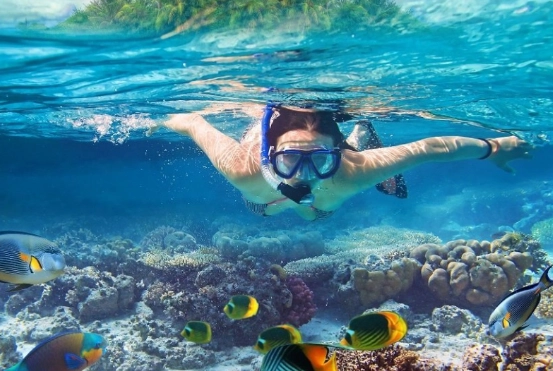
Fins are second. Full-foot fins are fine for calm boat snorkeling; open-heel with booties are better for rocky shore entries. Don’t buy the longest fins; medium length offers a good balance of power and control.
Snorkeling Responsibly: It's Not Optional
We are visitors in a fragile home. This isn’t virtue signaling; it’s essential for these spots to remain “the best.”
Never touch or stand on coral. It’s a living animal, and your touch can kill the polyps, opening the door to disease. A single kick can destroy decades of growth. Control your fins.
Do not chase or harass wildlife. That turtle is coming up for air; don’t block its path. The mantra is “observe, don’t disturb.” This is especially critical in places like the Galapagos.
Use reef-safe sunscreen. Chemicals like oxybenzone bleach coral. Use mineral-based sunscreens (zinc oxide, titanium dioxide) and wear a rash guard to reduce reliance on lotion.
Choose ethical operators. Ask if they have a mooring buoy system (so they don’t drop anchor on the reef) and if their guides educate guests on reef etiquette.
Your Snorkeling Questions, Answered
The world’s best snorkeling spots are out there, each with its own personality. Whether it’s the sheer scale of the Great Barrier Reef or the intimate wildlife drama of the Galapagos, the right spot will leave you with more than photos—it’ll leave you with a new way of seeing our blue planet.
Start with one. Plan responsibly. And remember to look up from the fish every once in a while to appreciate the vast, blue silence you’re floating in. That’s the real magic.
Reader Comments