Quick Guide
- The Unbeatable Top Contender: Ras Mohammed National Park
- The Bohemian Champion: Dahab
- The Resort Gateway: Hurghada and the Surrounding Islands
- Beyond the Big Three: Other Notable Mentions
- Your Practical Snorkeling Toolkit for Egypt
- Answering Your Burning Questions (FAQ)
- The Final Verdict: So, Where IS the Best?
Let’s be honest, when you type "where in Egypt is the best for snorkeling?" into Google, you’re probably staring at a dozen listicles that all seem to say the same thing. It gets confusing. Having spent a good chunk of time floating face-down in the Red Sea, from organized boat trips to just stumbling off the beach with my gear, I can tell you the answer isn’t just one place. It depends on what you’re after. Are you a first-timer scared of deep water? A seasoned fish-spotter on the hunt for something rare? Or a traveler who wants convenience alongside incredible sights?
That’s what we’re going to crack open here. This isn’t just a list; it’s a breakdown. We’ll get into the nitty-gritty of water conditions, what you’ll actually see, how to get there, and even the vibes on shore. Because choosing where to snorkel in Egypt can make or break your trip.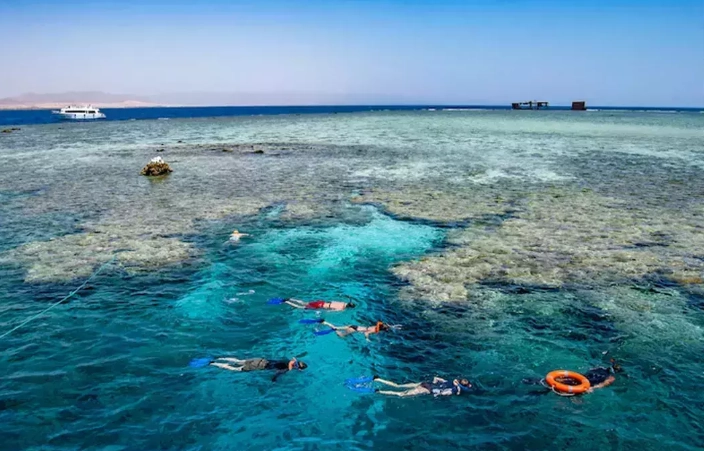
The Unbeatable Top Contender: Ras Mohammed National Park
If Egypt's snorkeling scene had a crown, Ras Mohammed would wear it. This isn't just a beach; it's a fully protected national park and a UNESCO Biosphere Reserve. The protection means the fish are plentiful, the corals are healthier, and the feeling is wilder. You can't stay inside the park itself, so visits are done via day trips from Sharm El Sheikh or, my preference, Dahab.
The park's magic comes from its unique geography—it's where the Gulf of Suez meets the Gulf of Aqaba, creating crazy currents that bring in nutrients and, in turn, an insane amount of marine life.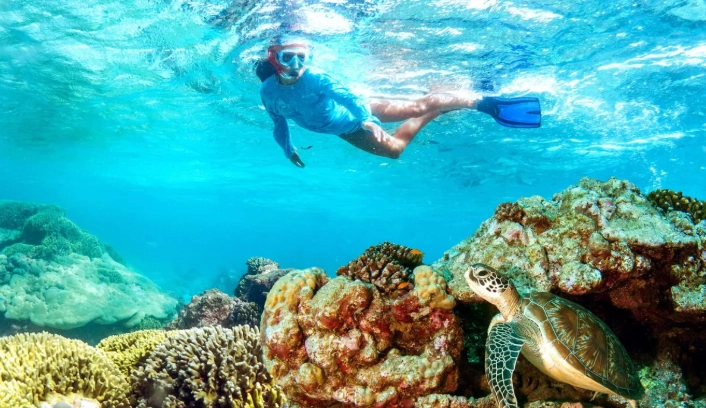
Top Snorkeling Sites Within Ras Mohammed
- Shark Reef and Yolanda Reef: This is the iconic duo, often the main stop on boat trips. Shark Reef is a sheer wall dropping into the deep blue. You snorkel along the top where it's shallow, but right next to you is an abyss. It’s thrilling. I’ve seen massive Napoleon wrasses here, schools of barracuda, and yes, the occasional reef shark cruising far below. Yolanda Reef is famous for the wreck of the *Yolanda* cargo ship, whose debris (including, famously, toilets and bathtubs) is scattered on the seabed, now covered in coral. It’s surreal.
- The Marsa Bareika (The Lake): A super calm, shallow lagoon area inside the park, perfect for beginners or when the open sea is choppy. The coral gardens here are like an underwater botanical garden—stunning for macro life and colorful soft corals.
- Old Quay: A lesser-known spot from the shore. The entry is a bit rocky, but once you're in, the coral coverage is extensive and teeming with life. It feels more like a discovery than the busier reef sites.
So, is Ras Mohammed the best? For biodiversity and "wow" factor, absolutely. But it's a commitment—a full-day boat trip, often at a higher price point, and subject to park fees and weather conditions. If your goal is to check the ultimate box for where in Egypt is the best for snorkeling, this is it.
The Bohemian Champion: Dahab
Now, if you ask me where I’ve spent the most hours snorkeling for pure joy, it’s Dahab. This isn't a fancy resort town; it's a laid-back, sandy-footed village with a strong diving and windsurfing culture. The vibe is relaxed, the prices are better than Sharm, and the snorkeling is absurdly accessible. We’re talking world-class reefs literally steps from your beachfront table.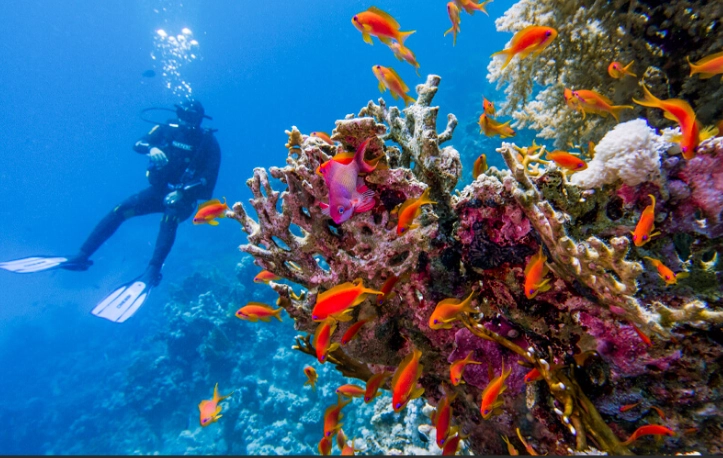
Dahab's Unforgettable Shore Snorkels
The beauty of Dahab is you don't need a boat. You rent some gear (or bring your own), walk to a spot, and enter.
- The Blue Hole: Yes, the infamous Blue Hole is here. It's a deep submarine sinkhole, famous in the diving world for its challenging deep dive arch. For snorkelers, the attraction is the beautiful coral gardens along its outer rim, particularly on the right side (facing the sea). You won't see the abyss from the surface in a way that does it justice, but the reef life is fantastic. It’s a bit of a drive from Dahab's main center (about 20 mins).
- The Lighthouse / Eel Garden: This is my personal favorite and the heart of Dahab's shore snorkeling. Park yourself at one of the many bedouin-style cafes (like the famous "Lighthouse Restaurant"), and enter the water from their ladders. You’ll swim over the Eel Garden—a sandy patch with hundreds of garden eels poking their heads out—before hitting a stunning, shallow coral reef that stretches for ages. I’ve spent whole afternoons here, getting out for a fresh juice and going back in.
- The Canyon: A bit further north, this is another famous dive site with a great snorkeling entry. A sandy channel leads out to a drop-off. The coral walls are vibrant, and it's usually less crowded than the Lighthouse area.
Dahab answers "where in Egypt is the best for snorkeling?" for the independent traveler who values atmosphere as much as underwater life. It’s affordable, authentic, and you can snorkel on your own schedule. The reefs are less "pristine" than Ras Mohammed—you’ll see some coral damage from years of use—but the convenience and charm are unbeatable.
The Resort Gateway: Hurghada and the Surrounding Islands
Hurghada is the mass-tourism hub on the Egyptian mainland. It’s built for package holidays, with long stretches of beachfront hotels. The immediate coastline near the big hotels is often underwhelming for snorkeling—sandy and shallow. But don’t write it off. Hurghada’s power is as a launchpad to some of the Red Sea’s most famous islands, which host truly spectacular reefs.
This is the boat-trip capital. Your "where in Egypt is the best for snorkeling" search here will be answered by brochures for Giftun Island, Abu Ramada, and the Dolphin House.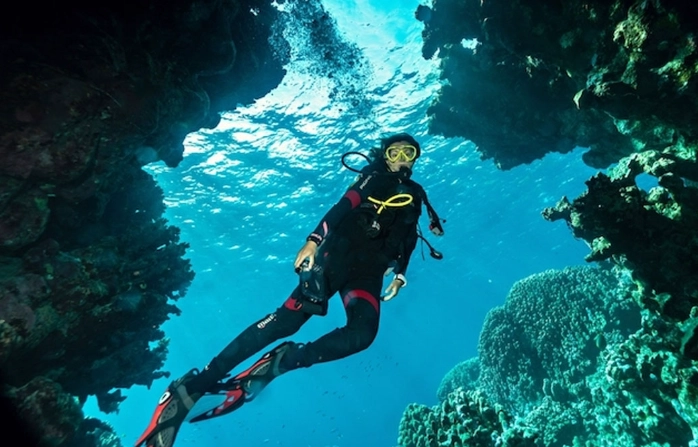
Must-Visit Islands from Hurghada
| Island / Area | What Makes It Special | Best For |
|---|---|---|
| Giftun Island (Part of the Giftun Islands National Park) | Protected area with stunning white sand beaches and rich coral reefs. The classic "paradise island" day trip. Sites like "Orange Bay" offer great snorkeling from the beach. | First-timers, families, those wanting a classic "beach day" combined with good snorkeling. The water is usually very calm. |
| Abu Ramada ("The Aquarium") | It’s nicknamed the Aquarium for a reason. The coral plateau is shallow, packed with every color of fish imaginable. The density is incredible, making it feel like you’re swimming in a giant fish tank. | Fish spotting, underwater photography, beginners (shallow, calm water). It can get crowded with boats. |
| The Dolphin House (Sha'ab El Erg) | A large reef complex where spinner dolphins are frequently resident. Snorkeling here gives you a chance (not a guarantee) to swim with wild dolphins in their natural habitat. | An adventurous experience with the potential for dolphin encounters. The reef itself is also beautiful. |
Hurghada’s advantage is ease. You book a day trip from your hotel lobby or a local kiosk, and everything is arranged. It’s perfect if you want a no-fuss holiday where snorkeling is a key activity, but not the *only* activity. The downside? You’re at the mercy of the boat schedule and the crowds that come with it. Some reefs can feel a bit "loved to death" compared to more remote spots.
Beyond the Big Three: Other Notable Mentions
While the above three are the heavyweights, other areas deserve a shout-out, especially if your travel plans take you there.
- Marsa Alam: Further south than Hurghada, this is the gateway to even more pristine and remote sites. The famous Dolphin House at Sataya Reef (a different one from Hurghada's) is here, as is the stunning snorkeling at the Samadai Reef (another dolphin hotspot). The Elphinstone Reef is a legendary dive site, but its deep walls and strong currents make it a challenging and generally less suitable spot for casual snorkeling. Marsa Alam is for those seeking a quieter, more dedicated marine experience.
- Sharm El Sheikh (Naama Bay & Ras Um Sid): Sharm itself is more of a dive and boat-trip launchpad (to Ras Mohammed and Tiran Island) than a prime shore snorkeling destination. However, the house reefs of some resorts in Naama Bay and at Ras Um Sid can be surprisingly good for a quick dip. Don't expect Dahab-level access, but it's there.
- Tiran Island: Accessed by boat from Sharm El Sheikh, this island sits in the mouth of the Gulf of Aqaba. Its reefs (like Gordon Reef, Jackson Reef) are magnificent and known for big fish and strong currents. These are advanced snorkeling sites, often better suited for diving, but included on many safari boat itineraries.
Your Practical Snorkeling Toolkit for Egypt
Knowing where to go is half the battle. Here’s the other half—how to do it right.
When to Go (The Season Matters)
The Red Sea is a year-round destination, but it has sweet spots. Summer (June-August) is scorching hot on land, and the water can feel like a bath (great for some, less refreshing). Winter (Dec-Feb) brings cooler air, and the water temperature can dip to 21-23°C (70-73°F). You’ll want a wetsuit, especially for longer sessions. The absolute best times for balance are the shoulder seasons: April-May and September-October. Warm water, pleasant air temps, and fewer crowds.
What You Absolutely Need to Bring
- Your own mask and snorkel: This is non-negotiable for me. A mask that fits perfectly makes all the difference. Rental masks are often cheap, leaky, and foggy. A dry-top snorkel is a nice upgrade.
- Reef-safe sunscreen: Please. Chemicals in regular sunscreen bleach and kill corals. Look for mineral-based (zinc oxide/titanium dioxide) formulas. Many dive shops in Egypt now sell it, but it's pricier. Bring your own. The U.S. Environmental Protection Agency has resources on sun protection, and organizations like Reef Safe certify products.
- Water shoes or reef sandals: Many entries, especially shore entries in Dahab, are rocky. Protecting your feet is essential.
- A rash guard or thin wetsuit: Even in warm water, a long-sleeved rash guard protects you from the sun and potential jellyfish stings (rare, but possible). In cooler months, a 3mm shorty or full wetsuit is a game-changer.
Safety First: Simple Rules to Live By
Don't touch anything. Seriously. Corals are fragile living animals, and some fish are venomous. Keep your fins up to avoid kicking the reef. Hydrate like crazy—snorkeling is dehydrating. Never snorkel alone, and be brutally honest about your swimming ability. Currents can appear out of nowhere. If you're on a boat, know where the ladder is and listen to the briefing.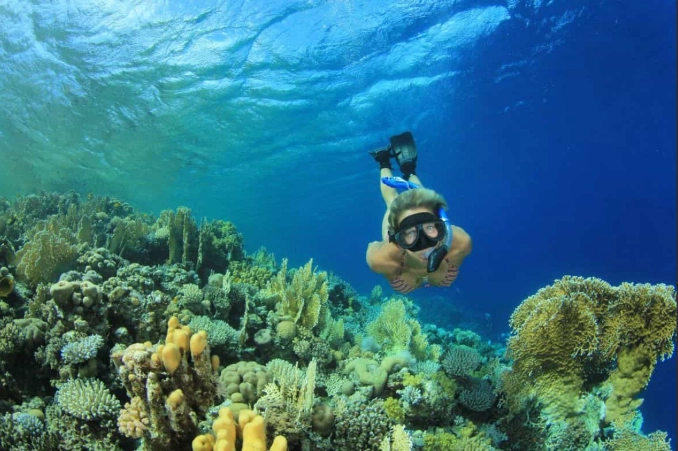
Answering Your Burning Questions (FAQ)
Let’s tackle some of the specific questions that pop up around this topic.
The Final Verdict: So, Where IS the Best?
Let’s circle back to the core question: where in Egypt is the best for snorkeling?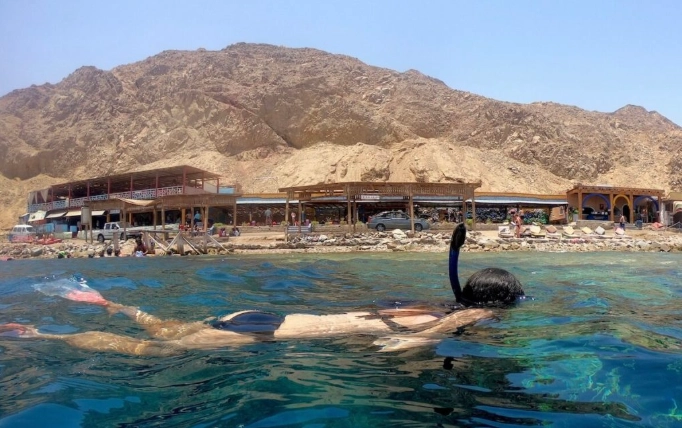
If you want the most pristine, wild, and biodiverse experience and don’t mind a full-day boat trip, the answer is Ras Mohammed National Park.
If you want incredibly easy, affordable, shore-accessed snorkeling with a fantastic laid-back town vibe, the answer is Dahab.
If you want a convenient resort holiday with easy booking to classic, fish-packed reef islands, the answer is Hurghada.
There’s no single wrong answer among these three. They all deliver on the promise of the Red Sea’s magic in different ways. My advice? Think about what kind of trip you want overall. The snorkeling will be brilliant regardless. Just remember your reef-safe sunscreen, respect the marine life, and get ready for some of the most vivid underwater memories you’ll ever make.
Honestly, just typing this makes me want to go back and float over the Eel Garden in Dahab with the mountains in the background. Maybe I’ll see you there.
Reader Comments