You see them everywhere. On Instagram feeds from Hawaii, in Amazon search results, packed in tourists' bags heading to the Caribbean. The Cressi snorkel mask, with its distinctive full-face or traditional design, promises an easy, fog-free view of the underwater world. But does it deliver? I've been snorkeling and diving for over a decade, from the chilly waters of the Pacific Northwest to the bathtub-warm reefs of Southeast Asia. I've bought, borrowed, and tested more masks than I can count. Let me cut through the marketing and tell you what these masks are really like to use, where they shine, and where they might leave you frustrated.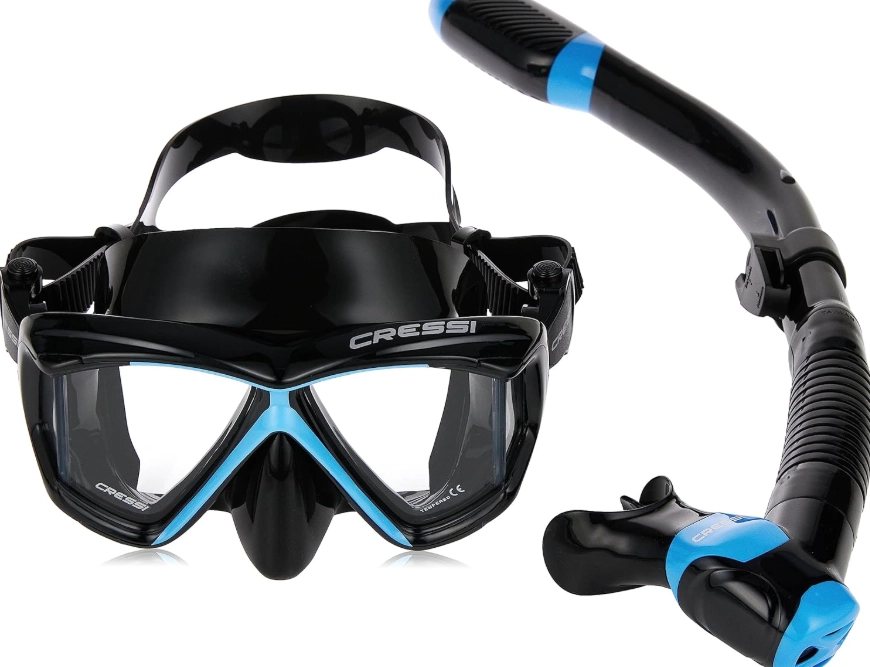
What’s Inside This Review
What is a Cressi Snorkel Mask and How Does It Work?
Cressi is an Italian company that's been making diving gear since 1946. They're not some fly-by-night brand; they have a legitimate history in the professional diving world. Their snorkeling masks come in two main flavors: the traditional two-piece set (separate mask and snorkel) and the more controversial full-face mask.
The traditional masks work like any other: a silicone skirt creates a seal on your face, and a separate snorkel tube goes in your mouth. Cressi's versions, like the popular Cressi F1 Frameless Mask, are often praised for their wide field of view and comfortable fit.
The full-face mask, like the Cressi Delta or Cressi Vista, is what gets all the attention. It covers your eyes, nose, and mouth in one unit. You breathe naturally through your nose and mouth, and the snorkel has a clever system to separate inhaled air from exhaled CO2, supposedly preventing fogging. The appeal is huge for beginners: no biting on a mouthpiece, no fogging worries, and a panoramic view.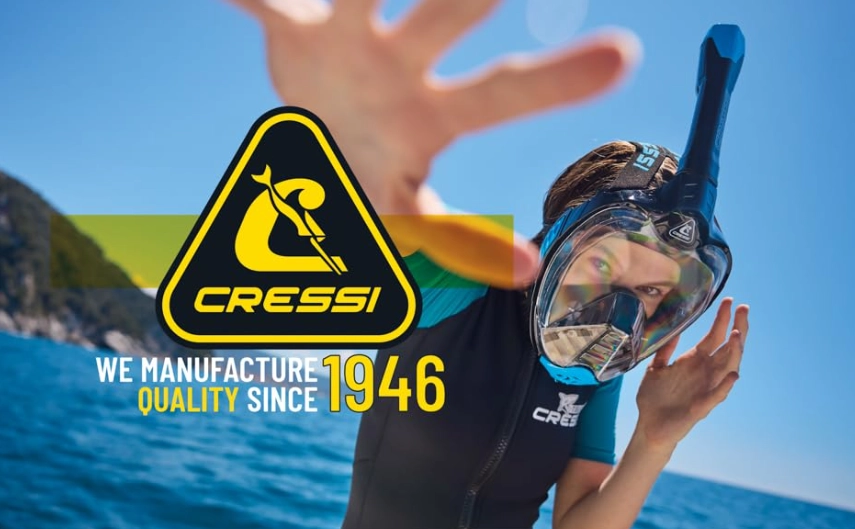
But here's the first non-consensus point you rarely see: that "fog-free" promise hinges entirely on perfect conditions and user technique. A tiny bit of moisture or sunscreen residue inside can ruin the whole effect. I learned this the hard way on a trip to Belize.
Cressi Snorkel Mask Model Breakdown: Which One is For You?
Let's get specific. Throwing around model names is useless without context. Here’s a breakdown of the most common Cressi masks you'll encounter, based on hours in the water with them.
>| Model Name | Type | Best For | Key Feature | Approx. Price Point |
|---|---|---|---|---|
| Cressi F1 Frameless | Traditional Mask (needs separate snorkel) | Frequent snorkelers, divers, those who prioritize a perfect seal. | Ultra-soft silicone skirt, minimal frame for maximum view. | $$ |
| Cressi Delta | Full Face Mask | Beginners, casual users, those who hate mouthpieces. | Dry-top snorkel system, 180° panoramic lens. | $$$ |
| Cressi Vista | Full Face Mask | Beginners wanting a simpler, often more affordable full-face option. | Integrated dry snorkel, single-window design. | $$ |
| Cressi Supernova Dry | Traditional Snorkel Set (Mask + Snorkel) | Swimmers moving into snorkeling, value-seekers. | Includes a reliable dry snorkel that stops water entry. | $ |
| Cressi Pluma | Traditional Mask | People with narrower or smaller faces (especially women and teens). | Low-volume, compact design that sits close to the face. | $$ |
The F1 Frameless is a workhorse. I've had mine for eight years. The skirt is so soft it molds to your face like nothing else. The downside? Because it's frameless, it can be a bit floppy to handle out of the water. A small trade-off for the comfort.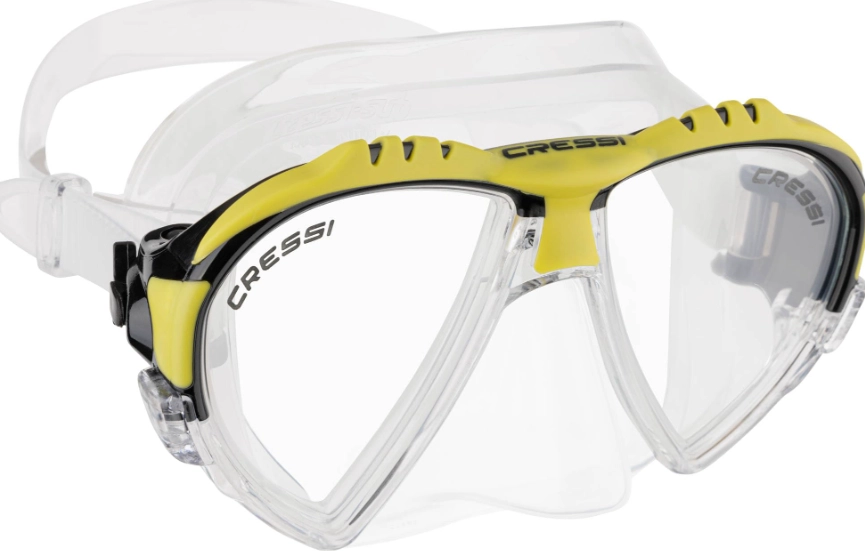
The Cressi Delta feels like a spaceship on your face. The view is undeniably incredible. Breathing through your nose while seeing fish is a novel experience. But it's bulky. Traveling with it takes up half your backpack. And that brings me to a critical, rarely mentioned flaw: the buoyancy. The large air volume in the mask wants to lift your head. If you try to dive down just a meter to get a closer look at a starfish, you'll fight it. This mask wants you to stay on the surface.
The Honest Pros and Cons
Where Cressi Masks Excel (The Pros)
Build Quality: Generally, the silicone is high-grade and durable. The plastic feels robust, not cheap. My F1 has survived being stuffed in gear bags and sat on by clumsy boat mates.
Optical Clarity: The tempered glass lenses are optically clear. No distortion at the edges, which is a problem with some cheaper brands.
Comfort (Traditional Masks): Models like the F1 and Pluma are genuinely comfortable for long sessions. The skirt doesn't pinch or leave deep red marks.
Dry Snorkel Systems: Both their traditional dry snorkels and the full-face systems work well to keep water out when a wave hits or you submerge. The valve technology is proven.
The Downsides You Need to Know (The Cons)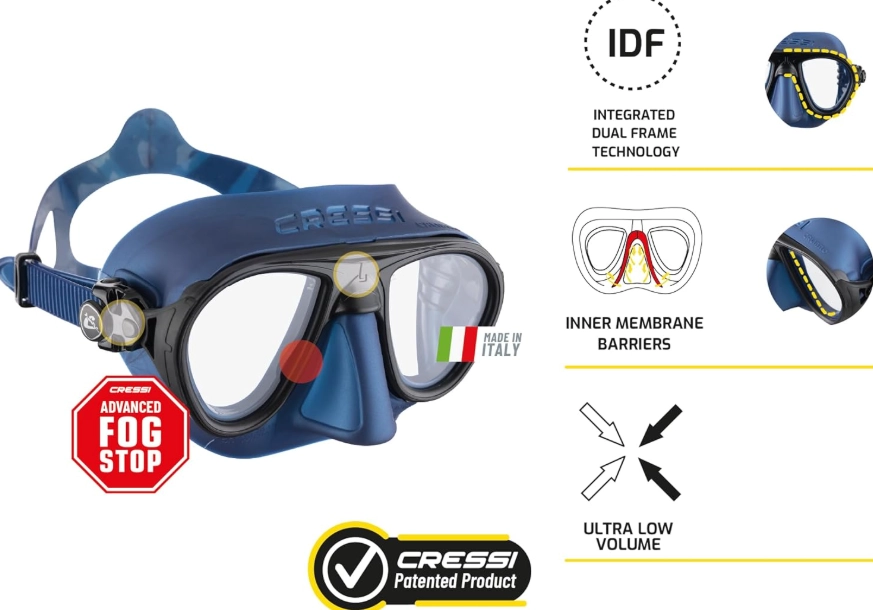
Full-Face Fogging Can Still Happen: Despite the marketing, if you get any sweat, sunscreen, or moisture inside before you seal it, you'll get fog. The anti-fog coating also wears off over time.
Buoyancy and Drag (Full-Face): As mentioned, it's like having a small float on your face. It creates drag when swimming and makes free diving impossible.
Communication is Muffled: Try yelling "Look at that turtle!" through a full-face mask. It comes out as a muted mumble. With a traditional mouthpiece, you can just spit it out and talk.
Not for Serious Snorkelers/Divers: You cannot equalize pressure in your ears while wearing a full-face mask (you can't pinch your nose). This limits you to the surface or very shallow dives. This is a major safety and practicality limitation that casual reviews gloss over.
Sizing Can Be Tricky: Especially for the full-face masks. A good seal is critical. If you have a prominent brow or a very small face, finding the right fit might require trying multiple sizes, which is hard when buying online.
Personal Gripe: The head straps on some full-face models use a quick-adjust buckle that feels flimsy. After a season of heavy use, mine started to slip. I had to replace it with a more robust buckle from a diving shop. For the price, I expected better hardware.
How to Choose the Right Cressi Snorkel Mask for You
Stop thinking about which one is "best." Think about which one is best for you. Ask yourself these questions: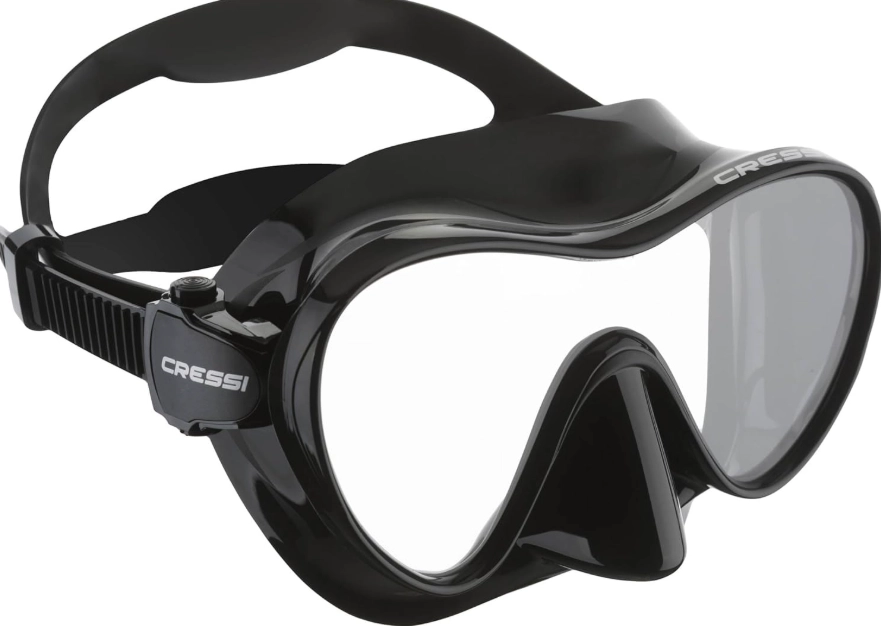
Are you a beginner who just wants to float and look? A Cressi Delta full-face mask could be a great, comfortable introduction. The ease of breathing is a big plus. Manage your expectations about diving down.
Do you plan to snorkel regularly or progress to free diving? Go traditional. Every time. A Cressi F1 mask paired with a Cressi Supernova Dry snorkel is a killer combo. You'll have the flexibility to dive, equalize, and it packs small.
Do you wear glasses or contacts? Cressi offers optical lens inserts for some traditional models like the F1 (you order them separately with your prescription). Full-face masks do not have this option. This is a huge, decisive factor.
What's your face shape? If you have a narrow face, the Pluma is a godsend. A wider face might suit the F1 or the Delta. If possible, try before you buy. A mask is like a shoe—fit is everything.
Pro Tip for Buying Online: Measure the distance between the center of your pupils. This is your PD (pupillary distance). Compare it to the lens separation specs on Cressi's official website or retailer pages. A mismatch will cause eye strain and a poor view.
Using and Caring for Your Mask: Pro Tips They Don't Tell You
Buying it is half the battle. Using it right is the other half.
Preventing Fog (The Real Way)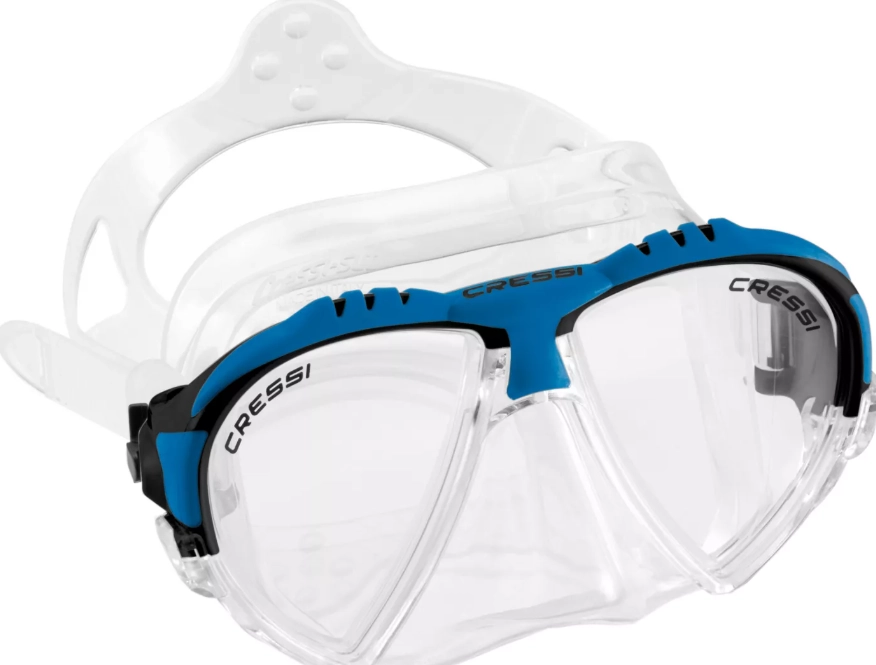
Forget spit. For a new mask, scrub the inside of the lens thoroughly with a mild toothpaste (non-gel) to remove the factory silicone coating. Rinse well. Before every use, apply a dedicated anti-fog gel (like Sea Gold or baby shampoo diluted in water), rub it in, then give it a quick rinse in seawater. Do NOT touch the inside of the lens with your fingers after cleaning.
Getting the Perfect Seal
Place the mask on your face without the strap. Inhale gently through your nose. The mask should stay suctioned to your face without you holding it. If it falls, try a different model or size. The strap's job is only to keep it in place, not to crush it onto your face.
Maintenance
After use, rinse everything in fresh water. Don't leave it baking in the sun. Store it in a protective case, not loose in a bag where the lens can get scratched. For the full-face mask, pay special attention to rinsing the complex internal valves of the snorkel to remove salt and sand.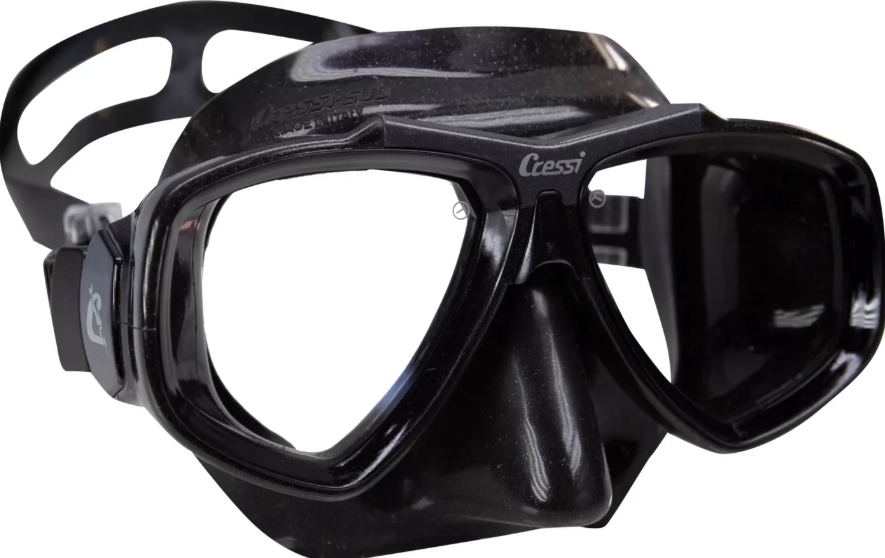
Your Burning Questions Answered
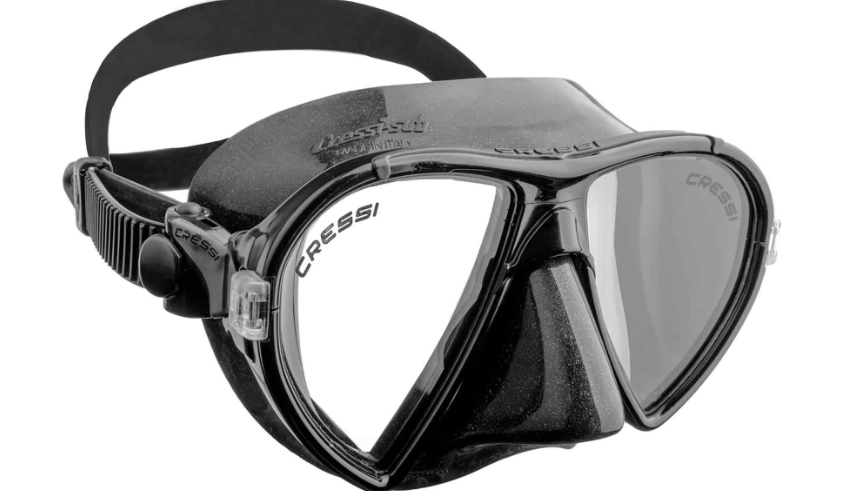 Is the Cressi Delta worth the extra money over the Vista?
So, is a Cressi snorkel mask worth it? For a traditional setup, absolutely. The quality is there. For a full-face mask, it's a fantastic tool for a specific job: relaxed, surface-level sightseeing. Just know its limits. Don't expect it to be something it's not. Try one on if you can, think about how you'll really use it, and you'll make the right choice. Now go see some fish.
Reader Comments