Let's be honest. You've seen the photos. Crystal clear water, coral reefs exploding with color, schools of fish so dense they block the sun. That's the dream, right? But then you get to a popular snorkel spot, and it's... different. The coral looks a bit tired, the fish seem shy, and there are more fins in the water than you can count. That's where Marine Protected Areas (MPAs) change the game. Snorkeling in a Marine Protected Area isn't just another beach day; it's a front-row ticket to what the ocean is supposed to look like.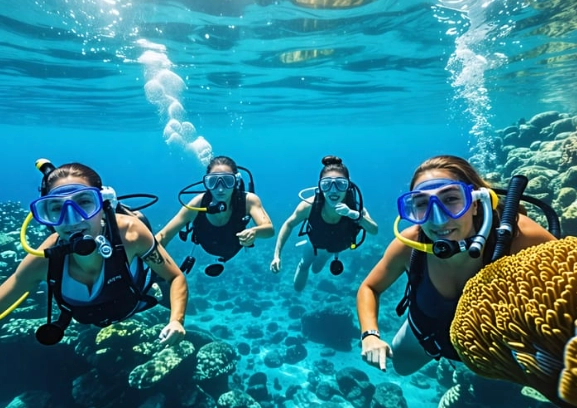
I've been guiding snorkel trips for over a decade, from crowded tourist hubs to remote, protected reefs. The difference isn't subtle. In a well-managed MPA, the water feels more alive. You notice the little things—a cleaner shrimp dancing on an anemone, a parrotfish audibly crunching on coral, the sheer variety of shapes and colors. It's not magic; it's science. These areas restrict harmful activities, allowing ecosystems to recover and thrive. For us snorkelers, that means a better, more awe-inspiring experience. But it also comes with a responsibility. This guide isn't just about where to go; it's about how to go there right.
What's Inside This Guide
What Makes MPAs So Special for Snorkelers?
Think of an MPA as a national park for the ocean. The core idea is protection, but the level of that protection varies wildly. Some are "no-take" zones where nothing can be removed (not even a shell). Others allow sustainable fishing or regulated tourism. The International Union for Conservation of Nature (IUCN) provides frameworks for these categories. For snorkelers, the "no-take" or highly regulated zones are where you'll see the most dramatic results.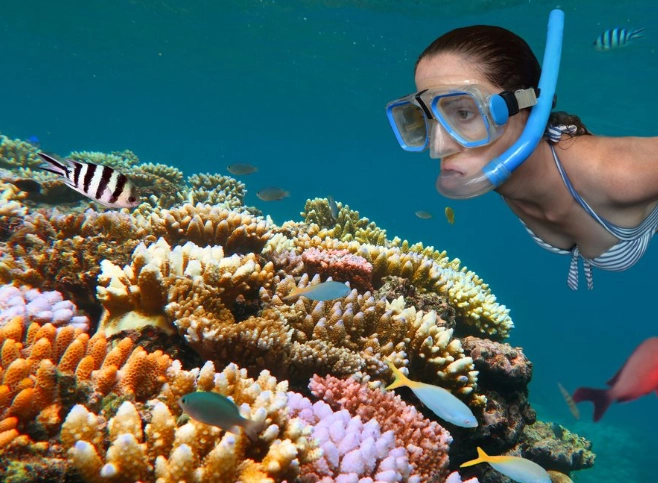
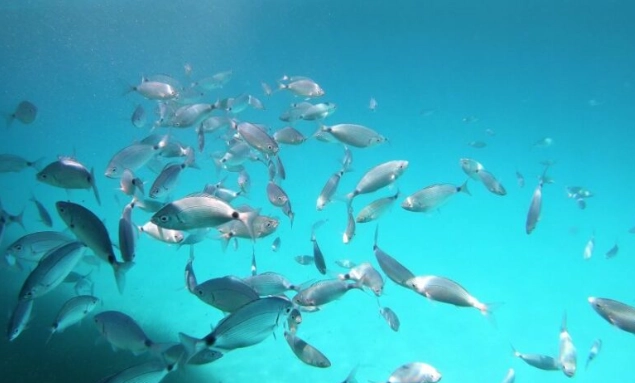
The data backs this up. Studies compiled by resources like the Marine Conservation Institute's Atlas of Marine Protection show that within MPAs, fish biomass (the total weight of fish) can be over 600% higher than in unprotected areas nearby. They have more large, old fish—the ones that produce the most offspring. Coral cover is healthier and more resilient. This isn't just good for the ecosystem; it's the reason your snorkel session feels epic.
Top Snorkeling MPA Destinations Around the World
Picking an MPA isn't just about finding blue water. You need to consider access, regulations, and what you really want to see. I've split this into a table because comparing them side-by-side is useful. Remember, "best" is subjective—it depends on your travel style and goals.
| Destination & MPA Name | Location / Region | Key Snorkeling Highlights | Best Time to Visit & Notes |
|---|---|---|---|
| Great Barrier Reef Marine Park | Queensland, Australia | Unmatched scale & diversity. Outer reef sites like Agincourt Reef have stunning coral formations. Look for dwarf minke whales (June-July). | June to Oct (dry season, best viz). Access is via boat from Cairns/Port Douglas. Park fees (Environmental Management Charge) are included in tour prices. |
| Mona Island Natural Reserve | Puerto Rico, USA | Rugged, remote feel. Dramatic walls, large schools of fish, healthy coral. High chance of seeing turtles and sharks. Requires a permitted guide. | Year-round, but Apr-Oct calmest. Not for beginners. A full-day boat trip from Rincón or Mayagüez. This is for adventurers. |
| Raja Ampat Marine Park | West Papua, Indonesia | Peak biodiversity on the planet. Famous for manta ray cleaning stations, pristine coral, and incredible macro life (pygmy seahorses!). | Oct to April. Access is complex (fly to Sorong, then liveaboard or resort stay). An investment, but arguably the world's best snorkeling. |
| Bonaire National Marine Park | Bonaire, Caribbean | Unbeatable shore access. Over 60 marked sites right off the beach. Super easy, relaxed diving. Famous for its parrotfish and conservation success. | Year-round. You must purchase a nature tag (~$45) for water access. Rent a truck, grab a map, and explore at your own pace. Perfect for independence. |
| Hanauma Bay Nature Preserve | Oahu, Hawaii, USA | A protected cove perfect for beginners & families. Calm water, tons of tame reef fish. An excellent intro to a managed marine ecosystem. | Wed-Sun (closed Mon/Tue). Reservations REQUIRED in advance online. Entry fee (~$25) includes a mandatory conservation video. Gets crowded, go early. |
My personal sleeper hit? The Isles of Scilly in the UK. Sounds crazy, right? Cold water? But the MPA there has created kelp forests full of curious seals, jewel anemones, and spider crabs. It's a totally different, breathtaking experience that shatters the "tropical only" snorkeling mindset.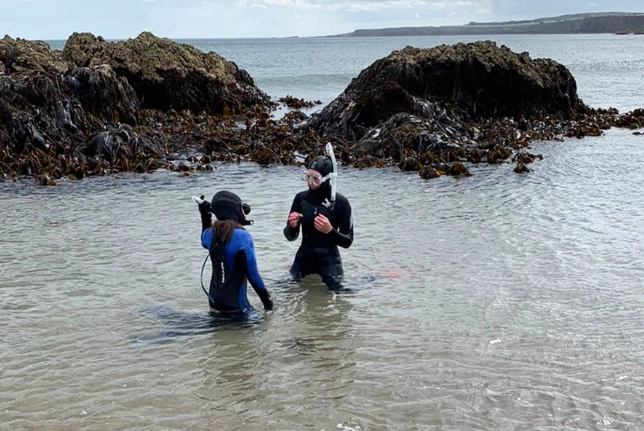
How to Plan Your MPA Snorkel Trip: A Step-by-Step Guide
Okay, you're sold on the idea. Now, how do you actually make it happen without the headache? Forget generic travel tips. This is the MPA-specific checklist I wish I had years ago.
Step 1: Research Beyond the Brochure
Don't just google "best snorkeling." Search for "[Destination] Marine Protected Area regulations." Look for the official park website. For example, the Great Barrier Reef Marine Park Authority (GBRMPA) website has detailed zoning maps. This tells you exactly where you can go, what you can do, and what permits you need. This step alone separates the prepared from the disappointed.
Step 2: Choose Your Access Point Wisely
You have three main options:
- Guided Boat Tour: The most common. Pros: They know the best spots, handle logistics, and (should) brief you on rules. Cons: Can be crowded, on their schedule. Vet them hard. Ask: "How do you minimize environmental impact?" and "Do your guides hold a local guiding certification?"
- Shore Access: Like Bonaire. Pros: Freedom, low cost. Cons: Limited to near-shore reefs. Requires more research on entry points and conditions.
- Liveaboard Boat: For remote MPAs (Raja Ampat, Socorro). Pros: Access to pristine, untouched sites. Cons: Very expensive, requires more time.
Step 3: Budget for the Fees
MPA visits often have mandatory conservation or entry fees. This isn't a scam—it's what funds the patrols, research, and mooring buoys that keep the place healthy. Factor in $10 to $75 per person. In Bonaire, you can't even get in the water without displaying your nature tag. Consider this fee non-negotiable.
Step 4: Plan Your “MPA Day” Logistics
Let's assume you're doing a guided day trip. Here’s a timeline:
7:00 AM: Check-in. They verify waivers and collect fees. This is when you ask about sunscreen rules (more on that later).
7:30 AM: Boat departure & safety briefing. The good briefings will cover MPA rules specifically.
9:00 AM: Arrive at first MPA site. Guides set a mooring buoy (never an anchor!). First snorkel session.
12:00 PM: Lunch on board, away from the reef. Never eat or rinse food in the MPA.
1:30 PM: Second snorkel session, often a different site within the MPA.
3:30 PM: Start heading back. This is prime time for dolphin spotting.
5:00 PM: Return. Rinse your gear with fresh water to prevent invasive species transfer.
The Unwritten Rules: Responsible Snorkeling in Protected Areas
This is the heart of it. Following these rules isn't just about being a good tourist; it's about ensuring these places stay incredible. I've seen too many people unknowingly cause damage.
Your Biggest Impact is Your Fin Tips. The classic advice is "don't touch the coral." It's not strong enough. Your real enemy is buoyancy and fin control. A single fin kick can break a coral branch that took decades to grow. The trick? Swim horizontally, not vertically. Use gentle, flutter kicks from the hip, not frantic kicks from the knee that stir up sediment. If you need to adjust your mask, float on your back or swim to a sandy patch.
The Sunscreen Dilemma. Many MPAs (like Hawaii and parts of the GBR) now ban sunscreens containing oxybenzone and octinoxate. These chemicals bleach coral. The rule is simple: use only mineral-based ("reef-safe") sunscreen with zinc oxide or titanium dioxide. Better yet, wear a rash guard and leggings. You'll use less sunscreen and be more protected.
Feeding Fish is an Absolute No. It changes their behavior, makes them aggressive, and messes with their diet. It's illegal in most MPAs. The same goes for chasing or harassing animals. A sea turtle coming up for air has a biological imperative. Blocking its path is stressful and dangerous for it.
Take Only Photos, Leave Only Bubbles. This includes shells and dead coral. Everything plays a role in the ecosystem. That beautiful shell is a future home for a hermit crab.
Gear Considerations for MPA Snorkeling
You don't need the fanciest gear, but a few thoughtful choices enhance your experience and reduce your impact.
- Mask & Snorkel: A well-fitting mask is non-negotiable. Fogging and leaks ruin the vibe. Test the fit by placing it on your face without the strap and inhaling slightly. It should stay put. Consider a snorkel with a splash guard.
- Fins: This is key. Shorter, flexible snorkeling fins are better than long, stiff diving fins for most people. They give you enough power without the risk of heavy, damaging kicks. Full-foot fins are great from boats; open-heel with boots are better for rocky shore entries.
- The Essential Extras: A rash guard (see sunscreen note). A mesh gear bag to carry wet stuff. A dry bag for your phone/camera. And a floatation vest if you're not a strong swimmer—it helps you relax and float without kicking the reef.
Renting vs. bringing? For a one-off trip, renting is fine. If you snorkel regularly, investing in your own hygienic, well-fitting gear is worth it.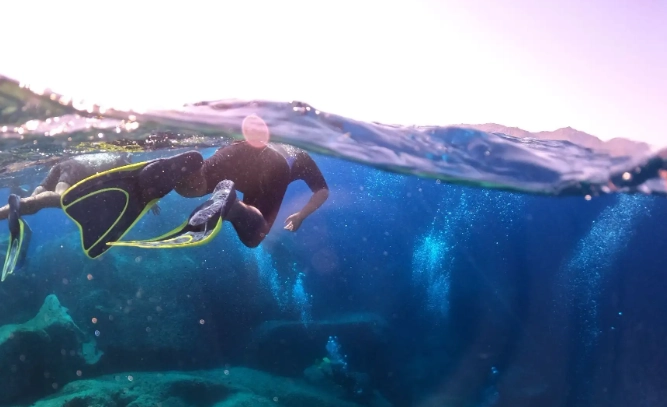
Your Questions Answered (The Real Ones)
Reader Comments