Let's be honest. Shore snorkeling is fine. You wade in, you see some fish near the beach. But a real boat snorkeling adventure? That's a different game. It's about escaping the crowded shallows, motoring out to where the water turns a deeper blue, and jumping into worlds you can't reach from land. I've been on dozens of these trips, from choppy Pacific excursions to serene Caribbean sails, and the magic never fades. It's also where most beginners make subtle, trip-ruining mistakes they never see coming.
This guide isn't just a list of places. It's the manual I wish I had before my first boat trip, covering how to pick a tour that matches your vibe, what to *really* pack, and how to handle the not-so-glamorous parts (yes, seasickness).
What’s Inside: Your Quick Guide
Why a Boat Tour Beats Shore Snorkeling Every Time
Think of the shoreline as the lobby, and the boat-accessed sites as the exclusive penthouse suite. The difference is access.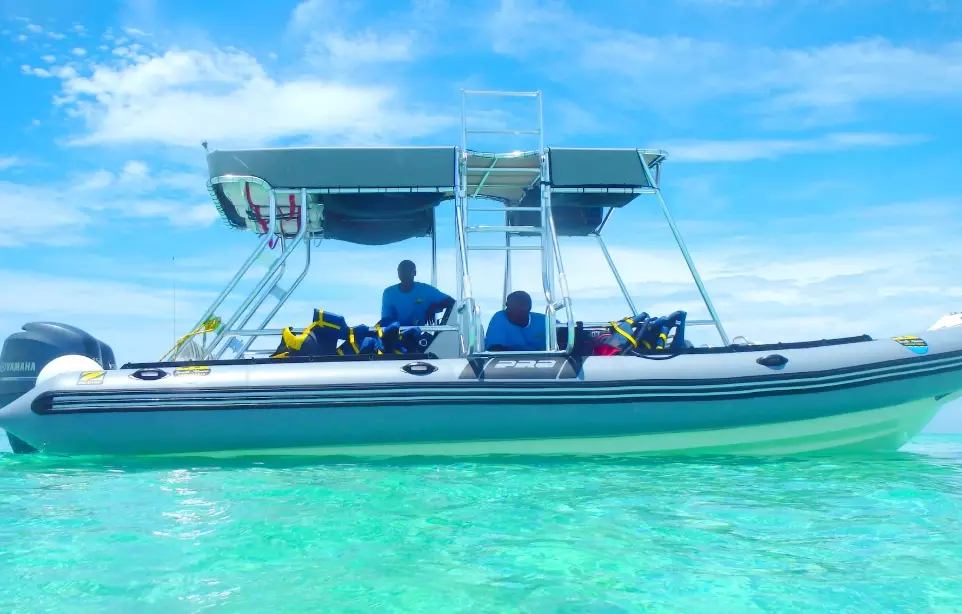
From a boat, you reach offshore reefs, submerged seamounts, and dramatic wall drop-offs that are simply inaccessible from land. The water clarity is often significantly better because you're away from sand runoff. The marine life is more diverse and less accustomed to humans—I've had more meaningful encounters with turtles, rays, and even harmless reef sharks on boat trips than I ever have close to shore.
Then there's the logistics. A good tour handles everything: guidance to the best spots, safety oversight, and usually, gear and refreshments. You show up, they take care of the rest. It transforms snorkeling from an activity into an experience.
A Quick Reality Check
Boat trips cost more than walking into the ocean. You're at the mercy of weather and sea conditions. And if you're prone to motion sickness, the ride can be challenging. But for most people, the pros massively outweigh the cons. The key is smart planning, which is what the rest of this guide is for.
Mapping Your Adventure: Top Boat Snorkeling Destinations
Not all blue water is created equal. Your ideal spot depends on what you want to see and the experience you crave. Here’s a breakdown of world-class spots for a snorkeling boat tour.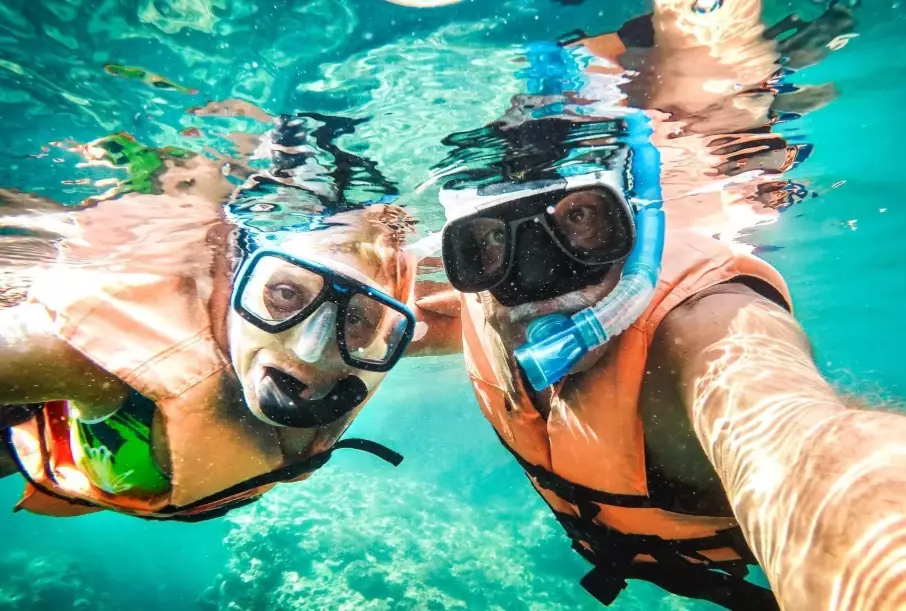
| Destination | What Makes It Special | Best Time to Visit | What You'll Likely See | Tour Cost Range (USD) |
|---|---|---|---|---|
| The Great Barrier Reef, Australia | Vastness & biodiversity. Boat trips from Cairns/Port Douglas access outer reefs in healthier condition. | June - Oct (Dry season, best viz) | Giant clam gardens, parrotfish, reef sharks, intricate coral formations. | $150 - $300+ for full-day trips |
| The Maldives | Atoll geography creates channels ("kandus") with pelagic action. Luxury liveaboards or day trips from resorts. | Nov - Apr (Dry NE monsoon) | Manta rays, whale sharks (seasonal), eagle rays, huge schools of fish. | $100 - $200 for resort day trips |
| Raja Ampat, Indonesia | Unrivaled marine biodiversity. Requires liveaboard or multi-day boat-based trips. An expedition, not a day out. | Oct - April | Everything. Reef sharks, wobbegongs, pygmy seahorses, pristine hard & soft corals. | $200 - $500+ per day on liveaboards |
| Bay Islands, Honduras (Roatán/Utila) | Accessible Caribbean barrier reef. Affordable, relaxed vibe. Great for combining with diving. | March - Sept | Healthy coral walls, sea turtles, occasional dolphin pods, prolific reef fish. | $50 - $120 for full-day trips |
| Galápagos Islands, Ecuador | Unique, fearless wildlife. Snorkeling is part of larger naturalist cruises. Cold, nutrient-rich water. | Dec - May (Warmer water) | Marine iguanas, penguins, sea lions, Galápagos sharks, turtles. | Part of cruise packages ($3000+) |
My personal sleeper hit? The Solomon Islands. It gets a fraction of the traffic of Raja Ampat or the GBR, but the WWII wreck snorkeling alongside vibrant reefs is mind-blowing. It's a commitment to get there, but you'll have sites to yourself.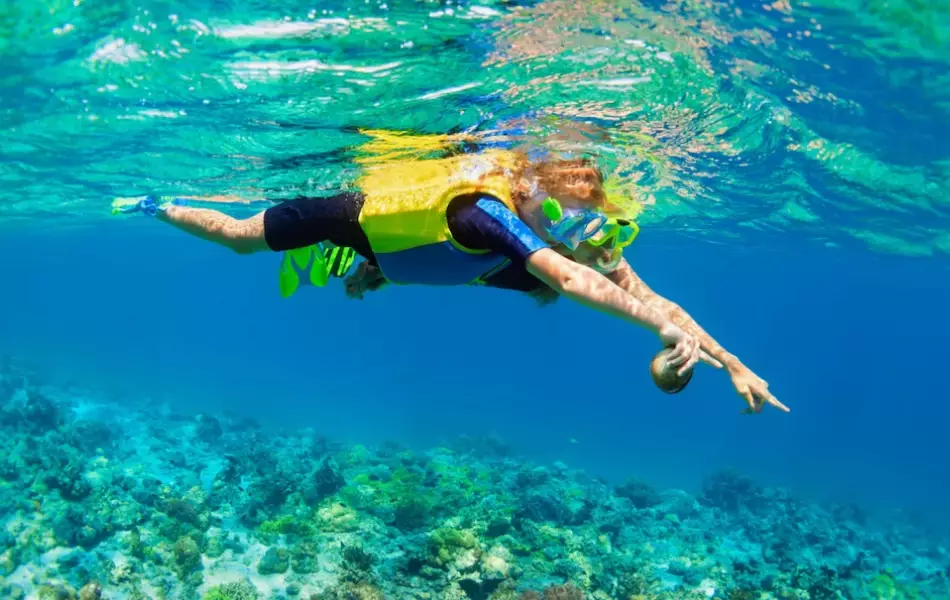
How to Choose the Perfect Snorkeling Boat Tour
You've picked a destination. Now, the dozens of tour operators all claim to be the "best." Here’s how to cut through the marketing.
Boat Type Matters More Than You Think
Speedboats/Catamarans: Fast, get to sites quickly. Can be bumpy in chop. Good for covering distance but less space to spread out. I find them functional but less relaxing.
Sailing Catamarans: My preferred choice for comfort. Smoother ride, lots of deck space, shade available. The sail out is part of the charm. They're often more stable for gearing up.
Traditional "Junk" Boats or Schooners: Common in places like Thailand or the Caribbean. Lots of character, great for photos, but often slower. Perfect for a leisurely, scenic day.
Liveaboards: For the committed. You sleep, eat, and snorkel from the boat for multiple days, reaching remote atolls. It's an investment but offers the most immersive experience.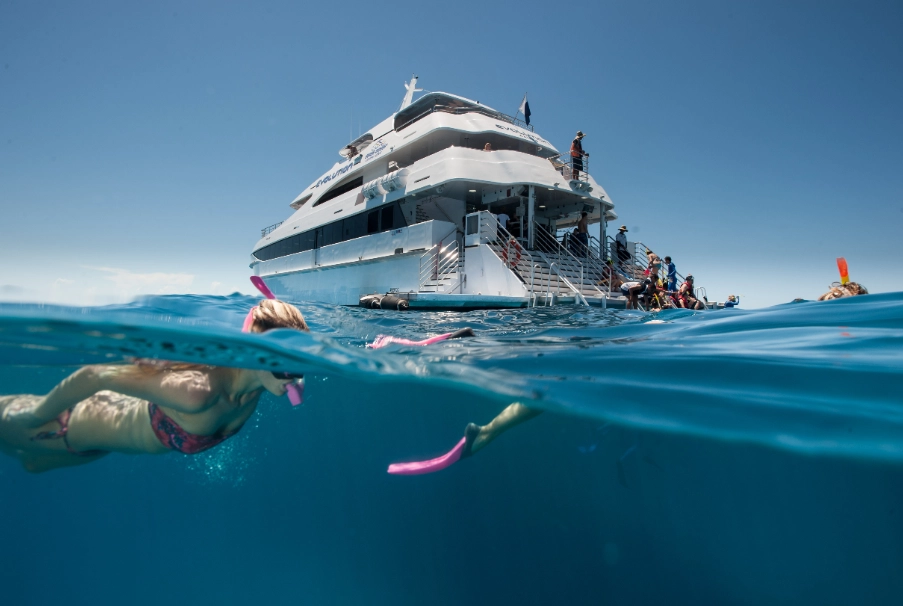
Reading Between the Lines of a Tour Description
Don't just look at the price and included lunch. Ask these questions before booking:
Group Size: Is it a packed cattle boat with 40 people or an intimate group of 12? Smaller groups mean more water time and less chaos.
Guide-to-Snorkeler Ratio: A good guide in the water makes all the difference. One guide for every 8-10 guests is decent.
Site Flexibility: Do they rigidly go to the same spots, or does the captain adjust based on weather and water conditions that day? Flexibility is a sign of a quality operation.
"Snorkeling" vs. "Diving" Boat: Some boats cater primarily to scuba divers. This can be fine, but ensure snorkelers are given equal attention and guidance, not just left to drift while divers descend.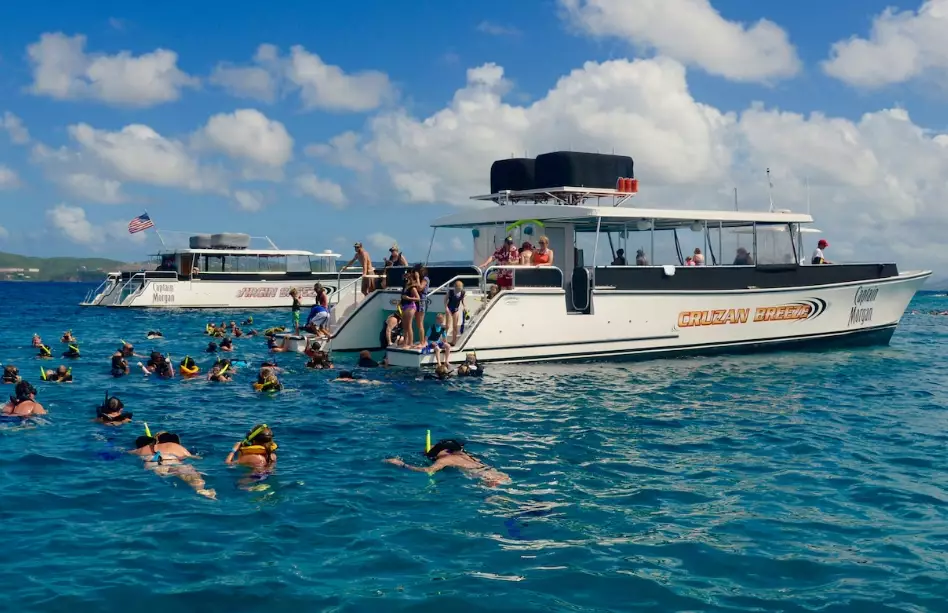
Gear Checklist: What You Actually Need to Bring
Most tours provide a mask, snorkel, and fins. Relying on this is your first potential mistake. Ill-fitting gear can ruin your day.
Bring Your Own Mask and Snorkel. A mask that seals perfectly on *your* face is non-negotiable. A dry-top snorkel (which has a valve to prevent water entering the tube) is a game-changer for beginners. This is the one piece of personal gear worth investing in.
Fins: Boat fins are usually okay, but if you have finicky feet, bring your own. Ensure they're open-heel with adjustable straps for comfort.
The Often-Forgotten Essentials:
- Rash Guard or Wetsuit Top: Sun protection is critical. A rash guard protects from UV and potential jellyfish stings. For cooler waters, a 2-3mm wetsuit top is ideal.
- Reef-Safe Sunscreen: Apply at least 30 minutes before boarding. Chemicals in regular sunscreen harm coral reefs. Brands like Stream2Sea or Badger are reputable. Many destinations now ban non-reef-safe formulas.
- Waterproof Dry Bag: For your phone, wallet, and a change of clothes. Boats get wet.
- Sea Sickness Remedy: Even if you think you're immune. Take non-drowsy meclizine (like Bonine) the night before and morning of as a preventative. Trust me.
- Hydration & Snacks: Even if lunch is provided, bring a large water bottle and an energy bar.
Staying Safe and Comfortable On the Water
Safety briefings are boring. Listen anyway. They'll cover the boat layout, emergency procedures, and how to signal for help.
Master the "Look, Then Step" Entry. Never just jump off the boat platform. Always look down first to ensure no one is surfacing below you. Use the ladder provided for exit—trying to haul yourself onto a slippery deck with fins on is comically difficult.
Buddy System: Stay relatively close to your buddy or group. Currents can be stronger offshore.
Respect the Wildlife: This is the expert non-consensus part: Stop chasing turtles. I see it constantly. You stress the animal, burn your energy, and get poor footage. Float still, let your buoyancy settle, and let curious creatures approach you. You'll have better, more ethical encounters. The National Oceanic and Atmospheric Administration (NOAA) has excellent guidelines on responsible marine wildlife viewing.
Managing Seasickness: If you feel queasy, get on deck. Look at the horizon. Breathe fresh air. Avoid going below deck or staring at your phone. Ginger candies can help. Inform the crew early—they've seen it all and can help.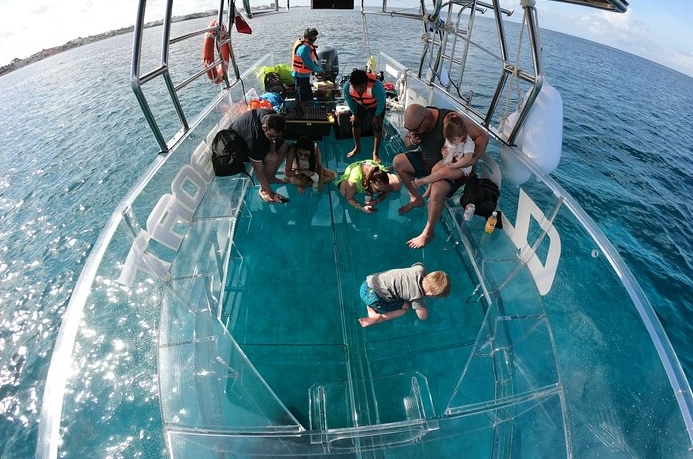
Reader Comments