Your Snorkeling Blueprint
Let's be honest. You're not just looking for a snorkeling spot. You're searching for that magical, jaw-dropping, straight-out-of-a-dream experience that Bora Bora promises in every brochure. The good news? It exists. The tricky part? Knowing exactly where to find it, because not every patch of water around the island is created equal. I've spent more time floating face-down in these waters than I care to admit, chasing rays and getting photobombed by clownfish. And I've learned that the best snorkeling in Bora Bora isn't always where the big tour boats stop.
It's about the quiet coral gardens near the motus, the channels where the big stuff cruises by, and the shallow, warm nurseries teeming with color. This guide isn't just a list. It's the result of missed tides, sunburned backs, and conversations with local guides who know these reefs like the back of their hand. We're going to break down the spots that deserve the hype, the ones that are secretly overrated, and everything you need to know to plan your perfect underwater day.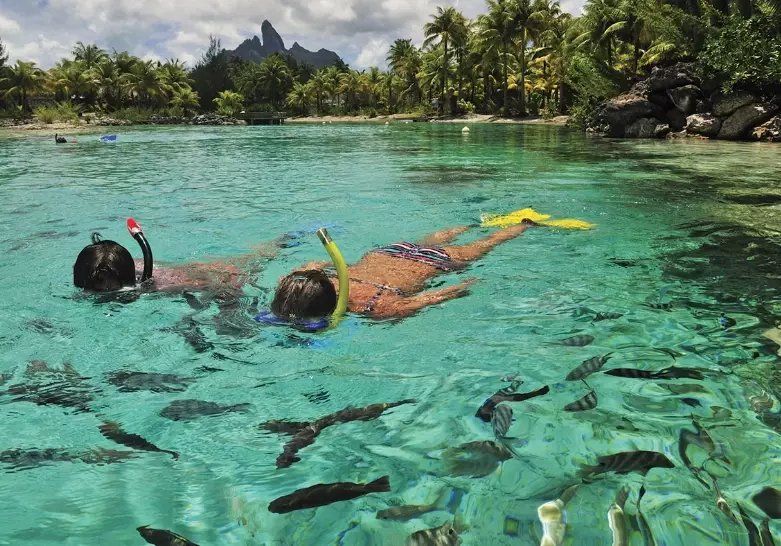
The Core Truth: Bora Bora's lagoon is a giant, protected aquarium. The water is calm, clear, and warm year-round. The real difference between a good and an epic snorkel session comes down to location, timing, and knowing what you're looking at.
The Top Contenders: Where to Find the Best Snorkeling in Bora Bora
Everyone talks about the lagoon, but it's huge. These are the specific areas where the magic happens. I'm ranking these based on a mix of marine life diversity, accessibility, and that pure "wow" factor.
The Coral Gardens (Main Lagoon)
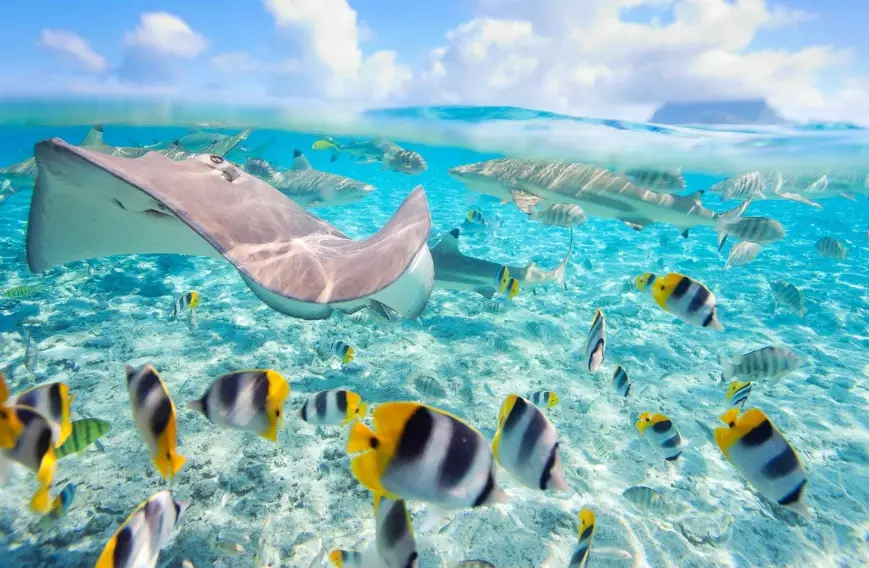
This is usually the first stop on any group tour, and for good reason. It's a vast, shallow area in the middle of the lagoon, covered in healthy staghorn and brain coral formations. The depth is perfect – usually waist to chest-deep – so you're right on top of the action. You'll see countless parrotfish, butterflyfish, and the occasional blacktip reef shark gliding in the distance.
But here's my personal take: it can get crowded. Multiple boats anchor here, and it sometimes feels a bit like an underwater highway. Go early in the morning or later in the afternoon to have it more to yourself. The coral here is resilient but remember, don't stand on it! It's a living creature.
The Manta Ray Cleaning Station (Near the Pass)
This is a hit-or-miss spot, but when it hits, it's unforgettable. Outside the main lagoon, near the passes where the ocean meets the calm water, there are specific cleaning stations. Smaller fish (cleaner wrasse) set up shop on coral heads, and larger animals like manta rays visit to get parasites removed. Seeing a manta ray, with a wingspan wider than you are tall, hovering gracefully while little fish dart around its mouth is humbling.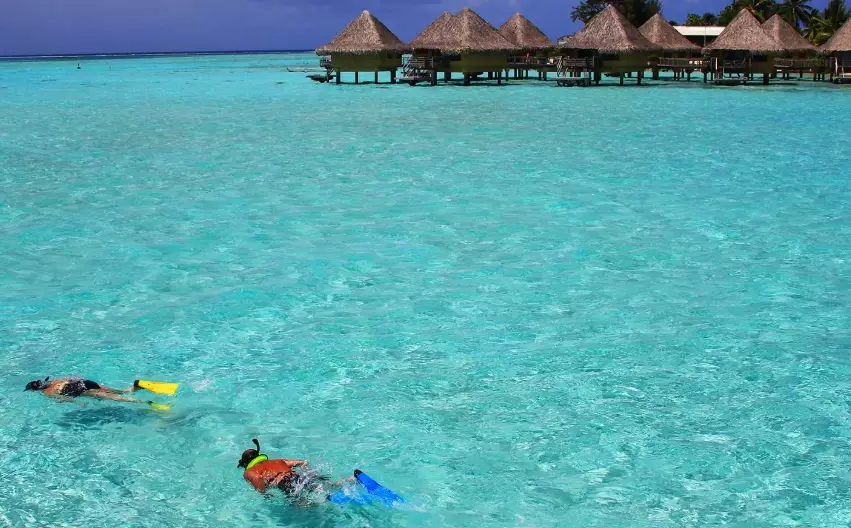
Important: This is not a guaranteed sighting. It depends on currents, season, and a bit of luck. Tours that specifically advertise "manta ray guarantee" are being optimistic. A good, ethical guide will know the likelihood and will never chase or harass the animals. The Manta Trust has great resources on responsible manta ray tourism.
The Motu Snorkeling Trails
This, for me, is where you find some of the best snorkeling in Bora Bora that feels more private. The small motus (islets) on the outer reef have their own little coral ecosystems on their leeward sides. Many resorts on private motus have marked snorkeling trails right off their beaches. The water is often calmer, and you can explore at your own pace. I've spent hours following a single turtle along a motu reef, with no one else in sight.
The silence is part of the experience.
You'll find more intricate coral here – look for delicate fan corals and colorful sponges. The fish life is less "big ticket" but more diverse. It's perfect for beginners or anyone who wants a relaxed, self-guided adventure.
The Deeper Channels & Drop-offs
For the more confident snorkeler (strong swimmers only, and preferably with a guide), the channels between the motus and the main island or along the reef drop-offs are where the bigger pelagic life hangs out. The current can be stronger here, but it brings nutrients, which brings fish.
This is where you're more likely to see larger trevally, Napoleon wrasse, and bigger schools of barracuda. The topography is stunning, with the reef wall plunging into the deep blue. It's a different vibe – more dramatic, less playful than the coral gardens. Not for everyone, but absolutely thrilling if it's your thing.
Breaking It Down: A Snorkeler's Comparison Table
Okay, let's get practical. Here’s a quick look at the top spots to help you decide where your priorities lie.
| Snorkeling Spot | Best For | Typical Marine Life | Skill Level & Notes |
|---|---|---|---|
| Coral Gardens (Main Lagoon) | First-timers, families, colorful coral close-ups | Parrotfish, butterflyfish, clownfish, blacktip reef sharks (distant) | Beginner. Very shallow, calm. Can be crowded. |
| Manta Ray Cleaning Station | Wildlife enthusiasts, unique encounters | Manta rays (seasonal/lucky), reef sharks, trevally | Intermediate. Open water, some current. Sighting not guaranteed. |
| Motu Reefs & Beaches | Relaxed, private exploring, turtle sightings | Turtles, eagle rays, diverse reef fish, intricate coral | All levels. Easy access from motu beaches. Often calm. |
| Reef Passes & Channels | Adventure, bigger fish, dramatic scenery | Napoleon wrasse, barracuda schools, larger sharks, pelagics | Advanced/Strong Swimmers. Strong currents possible. Guide recommended. |
My personal favorite? A quiet afternoon on a motu reef. It's less about the adrenaline and more about feeling like you've slipped into a different, quieter world. The turtles there seem almost curious.
How to Actually Do This: Tours vs. DIY
This is a major decision point. Do you book a tour or go it alone?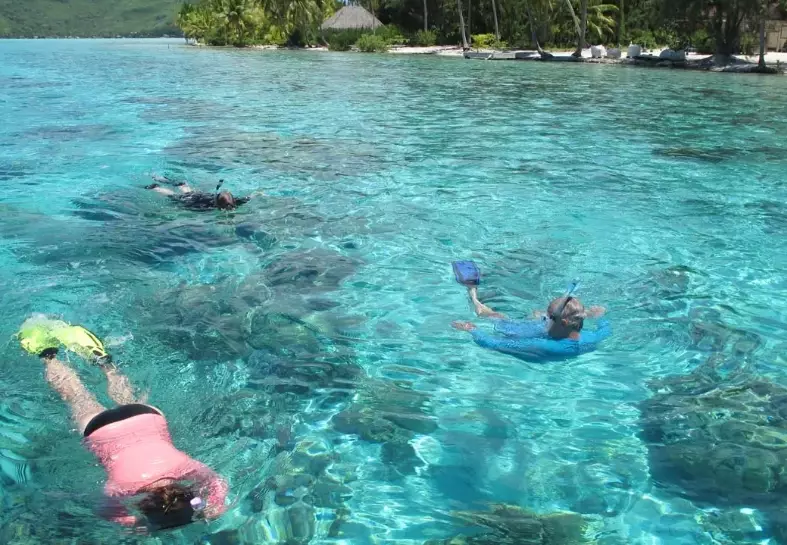
Joining a Guided Snorkeling Tour
Most people do this, and it's often the best way to access the prime spots like the manta ray area or the deeper channels. A good guide knows the tides, the animal behavior, and the safe routes. They'll also provide gear and, crucially, a boat to get you there.
Look for small group tours. Avoid the massive catamarans that dump 50 people in the water at once. Ask questions: How many people maximum? Do they provide reef-safe sunscreen? What is their policy on interacting with wildlife? A reputable operator will emphasize observation, not touching or chasing.
The right guide makes all the difference.
The DIY Approach (From Your Resort or Public Beach)
It's absolutely possible, especially if your resort has a house reef. Matira Beach, the main public beach, also offers some decent snorkeling right off the shore, particularly at the southern rocky point. You'll see fish, maybe a small ray.
But let's be real: the best snorkeling in Bora Bora is generally not accessible from the main island's shoreline. You need a boat to reach the vibrant coral heads in the middle of the lagoon or the outer motu reefs. So DIY is great for a casual dip, but for the iconic experience, you'll likely need a tour or a resort that offers frequent water shuttles to their private motus.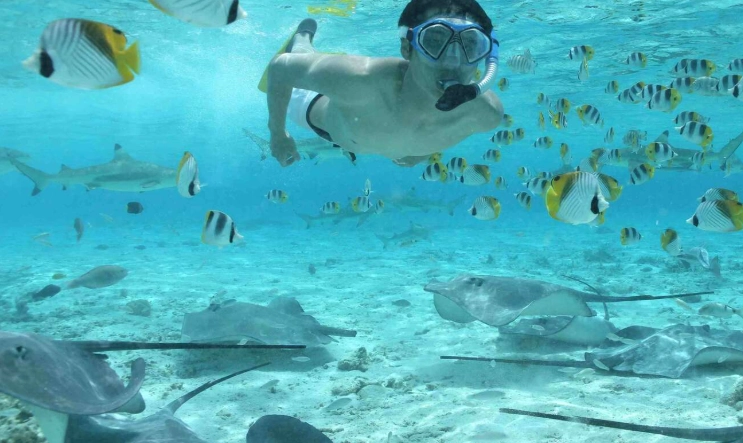
Pro Tip: Even if you book a tour, bring your own mask if you have one that fits perfectly. A leaky, foggy mask can ruin the experience. A good seal is worth its weight in gold.
Beyond the Where: The Nitty-Gritty Details That Matter
This is the stuff that separates a good trip report from a truly useful guide. The details you only learn by doing it, or by making a mistake.
When to Go (Time of Day & Year)
Time of Day: Early morning (8-10 AM) is golden. The light penetrates the water beautifully, the fish are active, and most tour groups haven't arrived yet. Late afternoon is also good. Midday sun can create glare on the water surface, making it harder to see below.
Time of Year: Bora Bora is a year-round destination. The dry season (May to October) offers slightly cooler temps and less rain, meaning clearer water on average. The wet season (November to April) is warmer, humid, with a higher chance of brief rain showers, but the water is still warm and the marine life is there. I've had incredible visibility in December. Don't stress too much about season; just avoid if you have a major aversion to heat and humidity.
What You Absolutely Need to Bring
- Reef-Safe Sunscreen: This is non-negotiable. Chemicals in regular sunscreen (oxybenzone, octinoxate) bleach and kill coral. It's also banned in many parts of French Polynesia. Buy mineral-based sunscreen (zinc oxide, titanium dioxide) that says "Reef Safe" and "Biodegradable." Apply it 20 minutes before getting in the water. Coral Reef Alliance has excellent info on why this matters.
- Rash Guard or UV Shirt: The best sunscreen is no sunscreen on your skin. A long-sleeved rash guard protects your back from sunburn (the most common snorkeling injury) and also from accidental scrapes on coral.
- Water Shoes: Useful for walking on the boat deck, on motu beaches, or in very shallow rocky areas. Don't wear flippers on land.
- Waterproof Camera or Case: You'll want photos. A GoPro or a phone in a high-quality, tested waterproof case is perfect.
- A Sense of Buoyancy Control: This isn't something you pack, but you need to cultivate it. Practice floating horizontally. Use gentle fin kicks. Never stand up if you're over coral. If you need to adjust your mask, float vertically and tread water.
Respecting the Reef (It's Not a Pool)
This is the most important section. Bora Bora's lagoon is fragile.
- No Touching. Anything. Not the coral (it dies). Not the turtles (it stresses them). Not the rays. Look with your eyes.
- No Feeding the Fish. It disrupts their natural diet and behavior. A healthy reef has fish that forage naturally.
- Watch Your Fins. A single kick can destroy coral that took decades to grow. Be aware of your surroundings.
- Take Only Pictures. Don't collect shells or coral fragments.
Following these rules isn't just about being a good tourist; it's about ensuring the best snorkeling in Bora Bora exists for future visitors. The French Polynesian government takes conservation seriously, and so should you.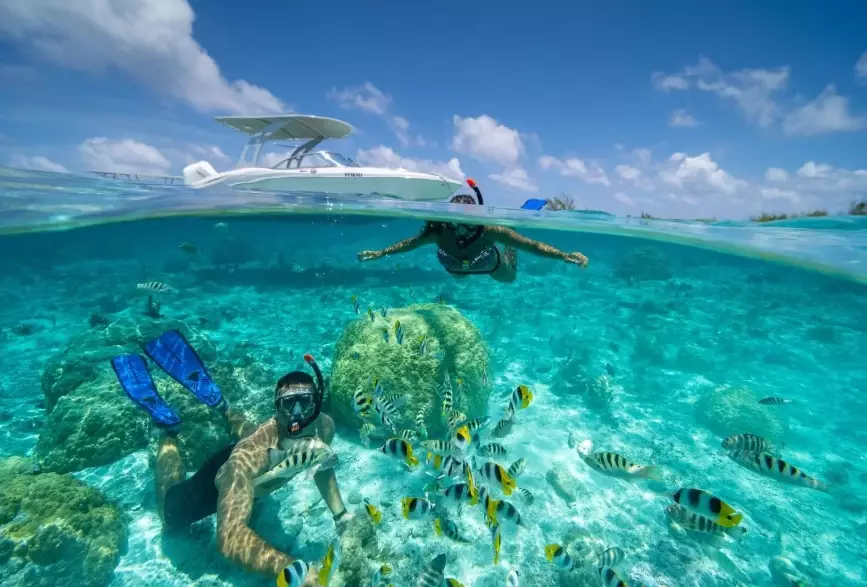
Answers to Questions You're Probably Asking
Wrapping It Up: Making Your Decision
So, how do you find your version of the best snorkeling in Bora Bora?
If you want the iconic, easy, colorful experience: Book a small-group lagoon tour that includes the Coral Gardens and a motu. It's the classic for a reason.
If you're a wildlife junkie willing to gamble: Look for a tour that specifically visits the manta ray area, but manage your expectations. The journey through the lagoon is beautiful regardless.
If you value privacy and DIY: Stay at a resort with a private motu and a dedicated house reef. Spend your days snorkeling straight from your beach at your own pace.
No matter what you choose, remember you're visiting one of the most beautiful marine environments on the planet. Go slow. Look closely in the nooks of the coral. Follow a single fish for a while. It's not a race to see the most things; it's about immersion.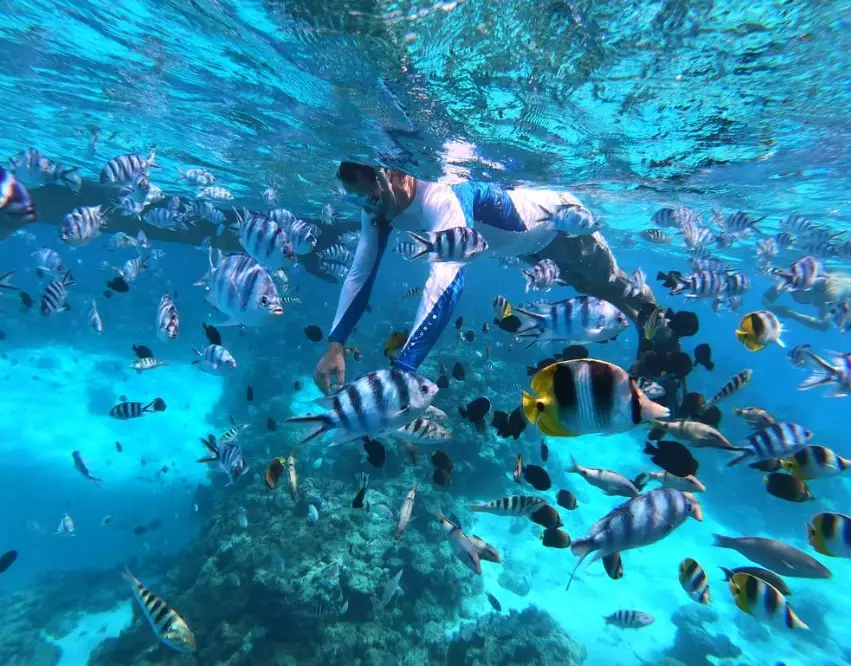
Final Thought: The memory of floating weightlessly in that impossibly blue water, surrounded by silent, darting rainbows of fish, with the green peak of Mount Otemanu in the distance... that's what you're really after. And with a little planning, you'll find it. Just remember the reef-safe sunscreen.
Got more questions? Drop them in the comments below. I love talking about this stuff. Now go get your fins ready.
Reader Comments