Quick Guide
- What Makes Nighttime in the Red Sea So Special?
- Top Spots for Your Overnight Snorkeling Adventure
- What Does an Overnight Snorkeling Trip Actually Look Like?
- Gear You Absolutely Need (And What the Boat Provides)
- Safety: The Non-Negotiable Mindset
- Choosing the Right Overnight Snorkeling Tour Operator
- Photographing the Night Reef
- Frequently Asked Questions
Let's be honest. Daytime snorkeling is fantastic. The sun is up, the water is that impossible shade of blue, and you can see for what feels like miles. But have you ever stood on the shore as the sun dips below the horizon and wondered what happens beneath the waves when the lights go out? I did. And that curiosity led me to book my first overnight snorkeling trip in the Red Sea. It wasn't just a different experience; it felt like entering a completely different world. The familiar coral reefs of the day transformed into a bustling, alien metropolis after dark. If you're even slightly intrigued by the idea of night snorkeling, especially an extended overnight adventure from a liveaboard boat, you're in the right place. This guide is everything I wish I'd known before I went.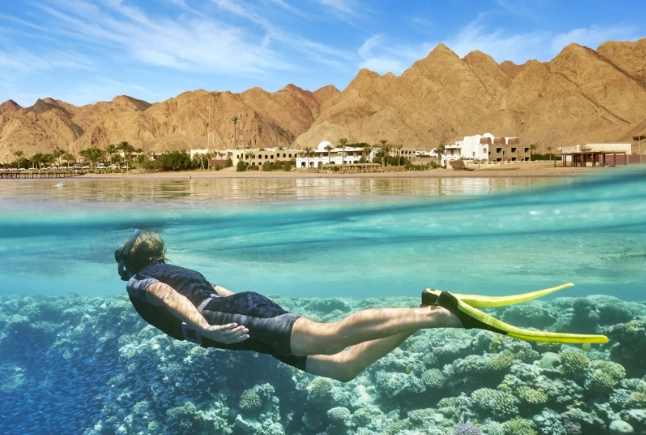
Overnight snorkeling in the Egyptian Red Sea isn't just a single activity; it's a full-blown expedition. You're not just popping in for a 30-minute night dip. You're committing to a journey, usually on a dedicated boat, that sails you to remote reefs, serves you meals under the stars, and lets you witness the dramatic shift from day to night to day again in one of the planet's most vibrant marine ecosystems. The logistics, the gear, the mindset—it's all a step beyond your average beach snorkel. But, wow, is it worth it.
What Makes Nighttime in the Red Sea So Special?
The reef undergoes a complete shift change. The daytime shift, the fish we all know and love—parrotfish, angelfish, triggerfish—they mostly tuck themselves into crevices and go to sleep. Some even secrete a protective mucus cocoon. It's a bit eerie seeing a parrotfish you'd normally see chomping on coral, sitting totally still, encased in a transparent bubble.
Then the night shift clocks in. This is when the predators and the weirdos come out to play. You'll see entirely different creatures during your overnight snorkeling in Egypt's Red Sea adventure.
- The Hunters: Moray eels, usually just a head poking out of a hole during the day, slither fully out of their lairs to hunt. Their sinuous movement in your torchlight is mesmerizing. Octopuses, masters of camouflage by day, become bold hunters, flowing across the sand and rock. You might even spot a small reef shark cruising the outer edges of the light.
- The Invertebrate Parade: This is my favorite part. Lobsters and crabs march purposefully along the reef. Giant basket stars, looking like intricate, living lace doilies, unfurl their arms to filter feed. Sea urchins become more active. And the coral polyps themselves—those tiny animals that build the reef—extend their feathery tentacles to catch plankton, making the entire reef look fuzzy and alive in a way it never does during the day.
- The Light Show: Bio-luminescence. If you're lucky, and especially if there's little moon, your movements can spark tiny, blue-green flashes of light in the water. It's like swimming through stars.
It's a more intimate, focused experience. Your world shrinks to the cone of light from your torch. This hyper-focus lets you notice details you'd blast right past in the daytime: a perfectly camouflaged scorpionfish, the intricate pattern on a sea slug, the delicate feeding arms of a feather star.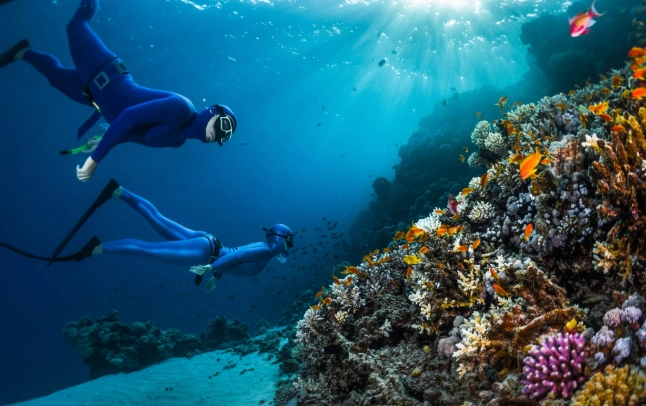
Top Spots for Your Overnight Snorkeling Adventure
Not every part of the Red Sea is equal for an overnight trip. The best overnight snorkeling in Egypt Red Sea itineraries focus on areas with protected reefs, interesting topography, and reliable marine life. Most trips depart from Hurghada or Marsa Alam, sometimes Sharm El-Sheikh (though the Sinai side tends to be more dive-focused).
| Location/Area | What Makes It Great for Overnight Snorkeling | Typical Marine Life Highlights | Note for Snorkelers |
|---|---|---|---|
| The Giftun Islands (from Hurghada) | Close to port, great for shorter overnight trips (1 night). Shallow, protected reefs perfect for beginners. Often includes a stop at "Mahmya" or "Orange Bay" for daytime beach time. | Colorful soft corals, giant clams, large schools of anthias, occasional turtles. | A fantastic "first-time" overnight option. The reefs can get crowded with day boats, but they empty out beautifully at night. |
| Abu Dabbab (from Marsa Alam) | Famous for its resident dugong (sea cow), "Dugong Bay." The seagrass beds here are a unique night snorkeling environment. | The dugong (a rare sight!), green turtles, massive napoleon wrasse. At night, look for stingrays on the sandy bottom. | Seeing the dugong is never guaranteed, but the bay is magical at night. The seabed is sandy and sloping, very easy. |
| Elphinstone Reef (Advanced, from Marsa Alam) | A legendary offshore pinnacle. While famous for shark diving, the plateau at around 10-12m is accessible to strong snorkelers. An overnight trip here is for the adventurous. | Oceanic whitetip sharks (caution!), hammerheads (deep), eagle rays, big trevallies. The night brings out large jacks hunting. | For confident, experienced snorkelers only. Strong currents possible. The boat moors offshore. |
| Fury Shoals / Satayah (Dolphin House) | A complex reef system south of Marsa Alam. Satayah is a lagoon famous for its resident spinner dolphin pod. Overnight trips here combine dolphin encounters with pristine reef snorkeling. | Spinner dolphins (in the day), pristine hard coral gardens, anemonefish cities, big moray eels at night. | Interaction with dolphins must be passive and responsible. The overnight snorkeling here on the outer reefs is top-tier. |
What Does an Overnight Snorkeling Trip Actually Look Like?
Let's walk through a typical 2-day, 1-night itinerary. This is the most common format and gives you a perfect taste.
Day 1: Embarkation and the First Dip
You'll usually board your liveaboard boat (ranging from basic but functional to quite luxurious) in the early afternoon, say around 2-3 PM. After a safety briefing and getting settled into your cabin (often bunk beds), the boat sets sail for the first snorkel site. This is a classic daytime snorkel to get you acclimated to the area and the water.
You return to the boat as the sun starts to get low. This is golden hour on the water—absolutely stunning. Dinner is served on deck. The vibe is relaxed, everyone chatting about what they saw. Then, as full darkness settles, the crew prepares you for the night snorkel.
This is the main event of the first day. You'll kit up with your torches, do a buddy check, and enter the water from the boat's platform. The first moment you put your face in the water and see the beam of your light cutting through the blackness is unforgettable. This snorkel usually lasts 45-60 minutes.
Back on board, hot drinks are often waiting. You can then stargaze on the top deck (the lack of light pollution is incredible) or head to bed, lulled to sleep by the gentle rocking of the boat.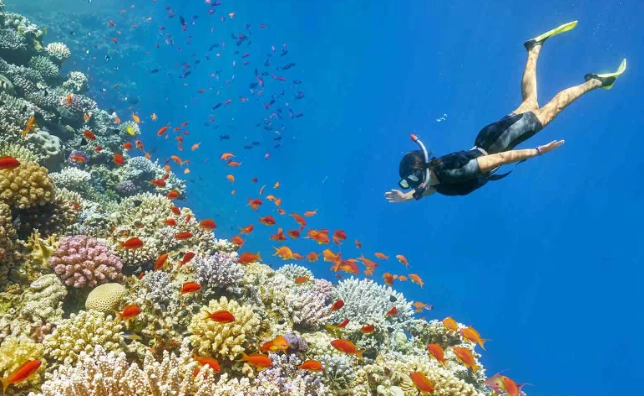
Day 2: Sunrise and the Morning Reef
Early risers can often do a pre-breakfast snorkel at sunrise. This is a special time. The night shift is winding down, and the day shift is slowly waking up. The light is soft and magical. After breakfast, there's usually one more daytime snorkel at a different site before the boat heads back to port, arriving around noon or early afternoon.
Gear You Absolutely Need (And What the Boat Provides)
Packing right is crucial for comfort and safety. Here’s a breakdown.
Backup Light: A second, smaller torch. This can be a smaller dive light or even a very bright, waterproof headlamp. This is for safety. If your primary fails, you have this. Also, if you need to signal your buddy or the boat, a backup is key.
Exposure Protection: Even though the Red Sea is warm, you'll get cold during a 45-60 minute night snorkel. Your body isn't moving as vigorously as when swimming in the day. A 3mm wetsuit or a full-body lycra suit (stinger suit) is highly recommended. It also protects you from accidental scrapes on coral.
Your Own Mask and Snorkel: A mask that fits you perfectly is worth its weight in gold. A leaky mask in the dark is a nightmare. Test it beforehand. A dry-top snorkel is nice to have.
Surface Marker Buoy (SMB) / Safety Tube: For advanced sites or open water, some operators may require or strongly recommend you carry a small, inflatable SMB. If you surface away from the boat, you can inflate it to be more visible. Ask your operator about their policy.
Most reputable overnight snorkeling in Egypt Red Sea operators will provide tanks and regulators? No, of course not—we're snorkeling! They will provide fins, but I always bring my own for a better fit. They provide life jackets (which you should use if you're not a super strong swimmer). The boat has a first aid kit, oxygen, and communication equipment.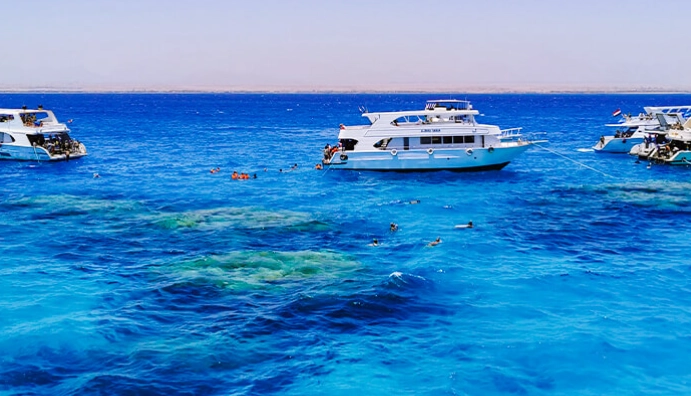
Safety: The Non-Negotiable Mindset
Night adds a layer of complexity. You can't just pop your head up and instantly see the shore or the boat. Here are the golden rules.
- The Buddy System is Law: You must stay with your buddy at all times. Literally within arm's reach. You check on each other constantly. A pre-agreed set of hand signals (OK, problem, look at that, go up) is essential.
- Know Your Entry/Exit Point: Before you get in, identify the boat's ladder or platform. Note any lights on the boat that you can swim towards. Sometimes they'll hang a special light in the water by the exit point.
- Monitor Your Air (Wait, What?): Not tank air, but your own breathing. It's easy to get so excited watching an octopus that you forget to breathe slowly and calmly. Anxiety can creep in. Stop, float, take three deep breaths. Look at the surface to orient yourself.
- Don't Shine Your Light in People's Eyes: It ruins their night vision. Point your light down at the reef or out to the side.
- Respect the Wildlife: This is their home at night. Don't chase, touch, or harass animals. Never try to "ride" a turtle or ray. The Egyptian government and conservation groups like the Hurghada Environmental Protection and Conservation Association (HEPCA) work hard to protect these reefs. Be a responsible visitor.
Choosing the Right Overnight Snorkeling Tour Operator
This is the most important decision you'll make. A good operator makes the trip; a bad one can ruin it. Here’s what to look for.
- Specialization: Look for operators who specifically mention "snorkeling" tours, not just diving. Dive boats can accommodate snorkelers, but the briefing and guide attention will be geared towards divers. A dedicated snorkel boat understands your needs.
- Guide-to-Guest Ratio: Ask how many guests per guide in the water at night. Ideally, it should be no more than 6-8 snorkelers per guide. The guide should carry a large, powerful light and a distinct marker (like a light stick) so you can always find them.
- Boat Safety Credentials: Check if the boat is licensed by the Egyptian Tourism Authority. It should have obvious safety equipment. You can often find reviews mentioning the boat's condition.
- Itinerary Clarity: A good operator will clearly state the itinerary, how many snorkels are included, and what sites they plan to visit (weather permitting). Vague descriptions are a red flag.
- Environmental Practices: Do they mention reef-safe practices? Do they avoid single-use plastics? Operators affiliated with or following guidelines from PADI's Project AWARE or HEPCA are a good bet.
Photographing the Night Reef
Want to capture it? It's challenging but doable.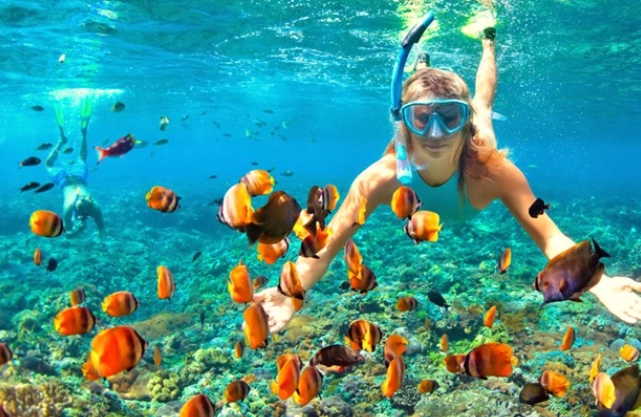
Action Cameras (GoPro, etc.): You'll need a powerful video light attachment. The built-in flash is useless. The red filters you use for daytime are useless at night. It's all about bringing your own light. Practice white balance settings.
Compact Cameras: Some waterproof compacts have better night modes. Still, an external light is almost always necessary.
My advice? For your first overnight snorkeling in Egypt Red Sea trip, maybe leave the camera behind for the night session. Just experience it. Use your eyes. The mental images will last longer. If you must, stick to video with a good light. Photography is a whole other skill set that can distract you from the wonder.
Frequently Asked Questions
Ready to book? Do your research, pick a reputable operator, pack your torch and your sense of wonder, and get ready for an adventure that redefines what you thought snorkeling could be. The Red Sea at night is waiting.
Reader Comments