Pick the wrong snorkeling vest, and you might as well be towing a brick. Get it right, and you're gliding through coral gardens with ease. After years guiding trips from Hawaii to the Great Barrier Reef, I've seen vests save lives—and ruin days. This isn't just another gear list; it's a no-fluff breakdown to help you choose wisely.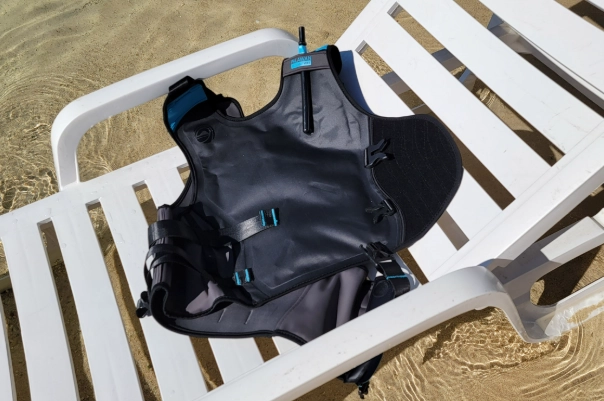
Jump Straight to What Matters
Why a Snorkeling Vest Isn't Just Extra Gear
Think of it as your personal lifeguard. I recall a client in Belize who skipped a vest to "travel light." A sudden current kicked in, and fatigue hit fast. A basic inflatable vest would've kept him afloat while he signaled for help. Snorkeling vests aren't about paranoia; they're about practicality. They boost confidence for beginners, conserve energy for experts, and add a layer of safety that's non-negotiable in open water.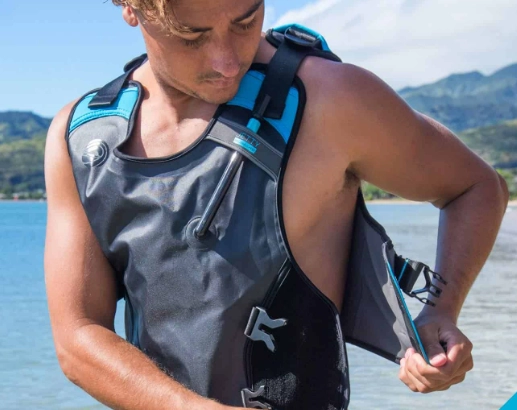
Many tour operators now require them, especially in spots like Cozumel or the Maldives where conditions change quickly. The U.S. Coast Guard classifies some snorkeling vests as Type V personal flotation devices, but not all meet that standard—so you need to check. It's not just flotation; it's visibility. A bright vest makes you seen by boats, a detail often overlooked.
How to Choose the Best Snorkeling Vest: Key Factors
Don't get bogged down by marketing jargon. Focus on these elements, and you'll sidestep the common pitfalls.
Buoyancy Type: Inflatable vs. Foam – The Eternal Debate
Inflatable vests are my go-to for travel. They pack small, weigh nothing, and let you adjust buoyancy with a few breaths. But here's the catch: if you over-inflate, the seams can stress. I've patched a few after friends blew them up like balloons. Foam vests, like those from Body Glove, offer constant buoyancy—no fuss, no inflation. Great for kids or if you hate fiddling with valves. However, they're bulkier. On a trip to Thailand, my foam vest took up half my daypack.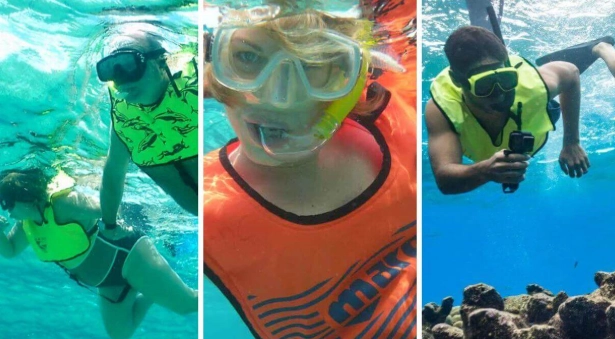
Consider your style. In calm bays, foam works fine. For boat trips where space is tight, inflatable wins.
Fit and Adjustment: Why One Size Doesn't Fit All
A vest that rides up is a nightmare. Look for adjustable straps at the shoulders and waist. The Cressi models get this right with quick-release buckles. Try it over your wetsuit if you wear one; I've seen snorkelers struggle when their vest doesn't accommodate extra layers. For women, some brands like Seavenger offer contoured fits that reduce chafing.
Measure your chest size. A vest too loose will shift; too tight restricts breathing. It should feel snug but not constricting.
Safety Extras: Whistles, Oral Inflation, and More
Oral inflation tubes should be sturdy and leak-proof. A whistle attached is a must—it's louder than yelling over waves. Reflective patches? Handy for low-light conditions. Some vests come with a safety flag pocket, but that's overkill for most recreational snorkelers.
Check the valve system. Cheap vests often have flimsy valves that fail after a season. I learned this the hard way with a discount buy that left me stranded mid-snorkel.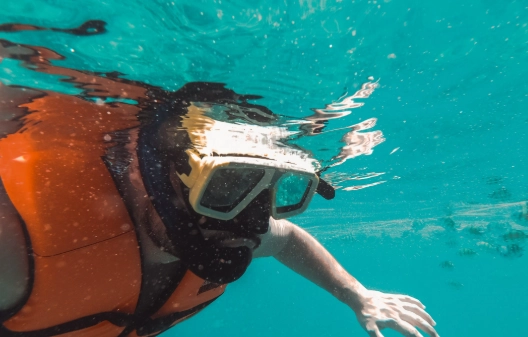
Pro tip: Always test inflate before a trip. Submerge it in a pool or bathtub to check for bubbles. A slow leak can drain confidence faster than air.
Putting Vests to the Test: Hands-On Reviews
I've worn these in real conditions—from choppy Mediterranean seas to tranquil Caribbean coves. Here's the lowdown.
| Model | Type | Key Features | Best For | Drawbacks |
|---|---|---|---|---|
| Cressi Safety Vest | Inflatable | Oral inflation, whistle, adjustable straps, durable nylon | Travelers and beginners; packs tiny | Valve can stick if not rinsed after saltwater use |
| Seavenger Snorkeling Vest | Foam | Constant buoyancy, front zip, bright colors, affordable | Families and non-swimmers; reliable | Bulky, not ideal for backpacking |
| Body Glove PFD Vest | Hybrid (foam with oral inflation) | Combines foam core with adjustable air pockets, USCG-approved | All-rounders; versatile for various water conditions | Heavier, pricey |
| Aqua Lung Snorkel Vest | Inflatable | Quick-release buckle, integrated whistle, compact design | Experienced snorkelers; easy on/off | Less buoyancy for heavier users |
The Cressi is my top pick for most people. It balances price and performance. But if you're snorkeling with kids, the Seavenger's foolproof buoyancy is a lifesaver. I've lent mine to nervous first-timers, and it calms them instantly.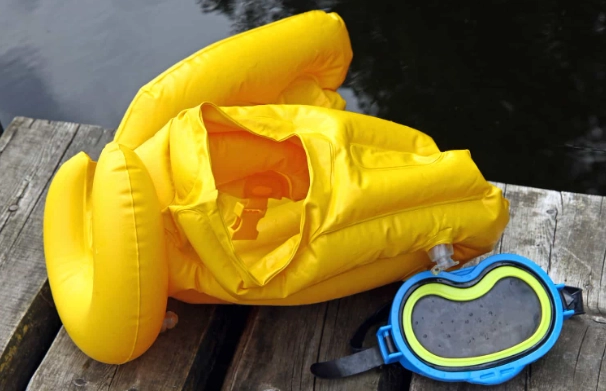
Don't just trust brand claims. Check independent reviews from sources like PADI's gear guides for added credibility.
The Hidden Mistakes Most Snorkelers Make with Their Vests
I've guided hundreds, and the errors repeat. First, neglecting fit. A vest dangling loose won't keep you upright in a wave. Second, over-relying on inflation. Inflatable vests need your breath—if you're panicked, you might not inflate properly. Practice in shallow water first.
Another blunder: using it as a seat cushion on the boat. Sounds silly, but I've seen vests get punctured by sharp edges. Store it carefully.
Worst of all, skipping maintenance. Rinse with fresh water after each use, especially in saltwater. Salt corrodes valves and fabrics. My first vest died a premature death because I got lazy.
Here's a scenario: You're snorkeling off a reef, and the vest feels fine. Suddenly, a current pulls you. If it's not snug, it'll ride up and hinder swimming. Adjust those straps before you jump in.
FAQ: Snorkeling Vest Questions You Were Afraid to Ask
Snorkeling vests are more than gear; they're your safety net. Invest in one that fits your needs, maintain it well, and you'll snorkel with peace of mind. For deeper insights, refer to resources like the Divers Alert Network for safety protocols. Now, go enjoy the water—sensibly.
Reader Comments