Let's be honest. Most first-time snorkelers rent whatever fins are handed to them. They're often stiff, ill-fitting, and turn a magical experience into a leg-burning chore. I've seen it happen a hundred times. The right pair of snorkeling fins, though? They disappear on your feet. You forget you're wearing them, and you're just... flying. That's the goal. This guide isn't about listing every fin on the market. It's about cutting through the noise and showing you exactly how to pick the fins that will make your snorkeling better, easier, and more fun.
Your Quick Guide to Fins
Why Your Fins Matter More Than You Think
Think of fins as an extension of your body in the water. Good fins don't just move you; they change your entire relationship with the ocean. With powerful, efficient fins, you conserve energy. That means you can snorkel longer, explore further from the boat or shore, and keep up with marine life without getting exhausted. More importantly, they give you control. Precise kicks let you hover motionless over a coral head or back away gently from a curious turtle without kicking up sand and ruining visibility for everyone.
The wrong fins do the opposite. They slip, cause blisters, and make your calves cramp after 20 minutes. I've guided trips where someone's bad fin choice cut their day short. It's a total buzzkill.
How to Choose Snorkeling Fins: The Real Decision Factors
Forget fancy marketing terms. Choosing fins boils down to three core things: how they fit your feet, the shape of the blade, and what they're made of. Get these right, and you're 90% of the way there.
1. Fit is Everything (No, Really)
This is the most common mistake. Snorkeling fins should fit like a snug sneaker, not a loose slipper. If your heel slips up and down, you'll get blisters. Guaranteed.
- Barefoot or with Socks? Always try them on with whatever you'll wear in the water. If you use neoprene socks for warmth or protection (highly recommended for rocky entries), bring them to the store.
- Heel Strap vs. Full Foot Pocket: Adjustable heel straps (open-heel fins) offer a more precise fit, especially if your feet are between sizes. Full-foot pockets (closed-heel) are lighter and simpler but must fit perfectly.
- The Toe Test: Your toes should be flat or slightly curled, never painfully jammed against the end. There should be no pinching on the sides.
2. Blade Type: Power vs. Flex
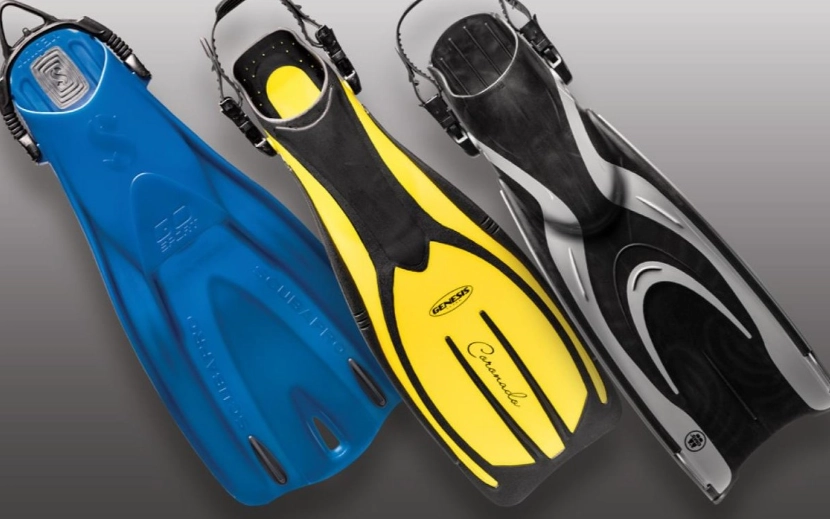
The blade is the engine. Its length, stiffness, and design determine how much power you get per kick.
- Shorter, Flexible Blades: Think of these as the compact car of fins. They're easier to kick, require less effort, and are fantastic for beginners, casual snorkelers, or anyone with weaker leg muscles. Brands like Cressi and Mares make great flexible models. They're also easier to pack.
- Longer, Stiffer Blades: These are the SUVs. They move more water with each kick, giving you more thrust and speed. The trade-off? They require stronger legs and better technique. If you're a strong swimmer, cover large distances, or snorkel in currents, these are worth the effort.
- Split Fins & Channeled Blades: Technologies like splits or channels aim to reduce drag and vortex creation, making each kick more efficient. They can feel different—some people love the reduced strain, others miss the solid "push" of a traditional blade. It's personal.
3. Materials: Weight, Durability, and Feel
Fins are mostly made from rubber or various plastics (thermoplastic, polypropylene).
High-quality rubber is durable, offers great flex memory (returns to shape), and provides a comfortable foot pocket. It's also heavier and can be more expensive. Thermoplastic is lighter, often stiffer, and usually cheaper. It can be more prone to cracking in extreme cold or if abused.
For most recreational snorkelers, a good thermoplastic fin is perfectly adequate. If you're a frequent traveler, the lighter weight is a huge bonus. Serious enthusiasts or those who also dive might prefer the performance and durability of rubber.
My Top Snorkeling Fin Picks for Different Snorkelers
Based on years of renting, recommending, and testing fins from Hawaii to the Caribbean, here are my go-to models for different types of snorkelers. This table gives you the at-a-glance overview.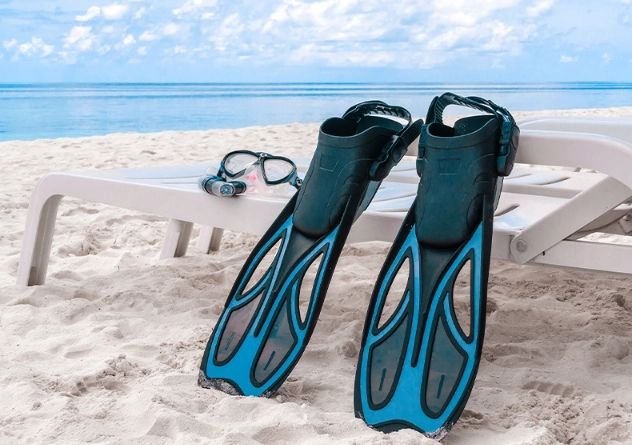
| Fin Model | Best For | Key Features | Price Range |
|---|---|---|---|
| Cressi Palau SAF | Beginners & Travelers | Lightweight, flexible, adjustable strap, packs flat. | $ |
| Mares Avanti Quattro+ | All-Rounders & Strong Swimmers | Four side channels for efficiency, proven design, durable rubber. | $$ |
| Scubapro Go Sport | Travel & Warm Water | Extremely light, comfortable foot pocket, great for all-day comfort. | $ |
| Atomic Aquatics Split Fin | Efficiency Seekers & Those with Knee Issues | Split blade reduces effort and strain, very smooth kick. | $$$ |
| TUSA Imprex Tri-Ex | Performance & Power | Tri-material construction, stiff blade for maximum thrust. | $$ |
Why I like the Cressi Palau SAF: It's the "just works" fin. I've recommended it to dozens of first-time buyers and never had a complaint. The strap system is simple and secure, the blade has just enough flex to be forgiving, and you can literally roll them up in your backpack. They're not for powering against a strong current, but for 95% of calm-water snorkeling, they're perfect.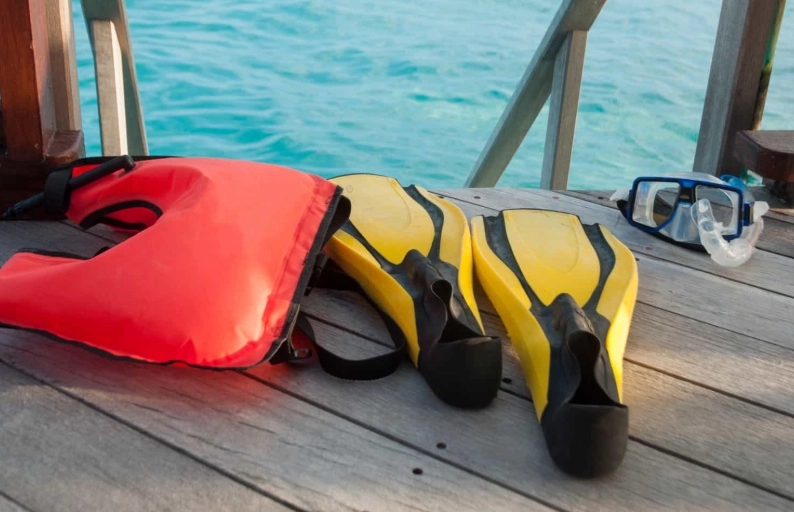
The Mares Avanti Quattro+ is a workhorse. This is what a lot of dive shops use as their rental fin, and for good reason. It's tough, provides excellent power transfer, and the foot pocket breaks in nicely. If you're moving beyond casual snorkeling and want one reliable pair for years, this is a stellar choice.
A word on the Atomic Splits: They feel weird at first. The kick is more of a flutter than a push. But for someone with older knees or who just wants to cruise effortlessly for hours, they're a game-changer. They're pricey, but if effort reduction is your top priority, they deliver.
How to Use Your Fins Correctly (Most People Get This Wrong)
Great fins won't help if your technique is poor. The most common error is the "bicycle kick"—bending the knees too much and kicking from the thigh. This is exhausting and inefficient.
The right way: Use a slow, steady flutter kick from the hip. Keep your legs mostly straight, with just a slight bend in the knee. The power should come from your core and upper leg, not your calf. Imagine kicking just below the surface, creating small bubbles, not a huge splash. This propels you smoothly and doesn't scare away fish.
Practice floating face-down in a pool or calm shallow area. Focus on making your fin tips the only thing breaking the surface. It should feel fluid, not frantic.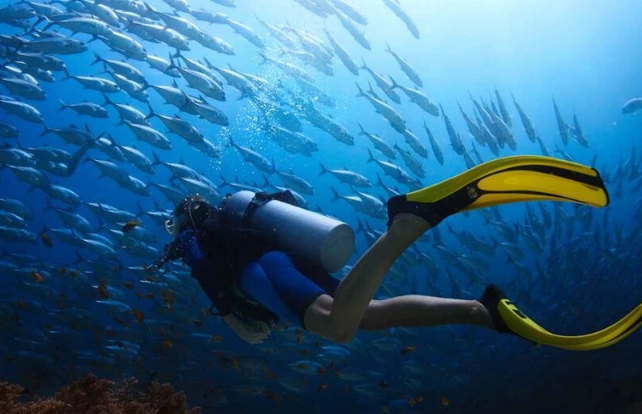
Care and Maintenance: Make Your Fins Last
Simple care extends the life of your fins dramatically.
- Rinse After Every Use: Salt, sand, and sunscreen are the enemies of rubber and plastic. A thorough freshwater rinse is non-negotiable.
- Dry in the Shade: Never leave them in direct, hot sunlight to bake. UV rays degrade materials quickly. Dry them in a cool, shaded, well-ventilated area.
- Store Flat, Not Bent: Don't store them with the blade bent back. This can cause the material to take a "set" and weaken. Lay them flat or hang them by the strap.
- Check Straps and Buckles: Periodically rinse buckles to remove salt grit and check straps for signs of wear or cracking.
Reader Comments