Snorkeling in clear water is a different beast. It's not about just seeing shapes and colors; it's about seeing everything. The stingray's shadow on the sand, the individual polyps on the coral, the light playing on a school of fish. Your gear needs to disappear, becoming an extension of your senses. Get it wrong, and you're fighting your equipment instead of enjoying the view.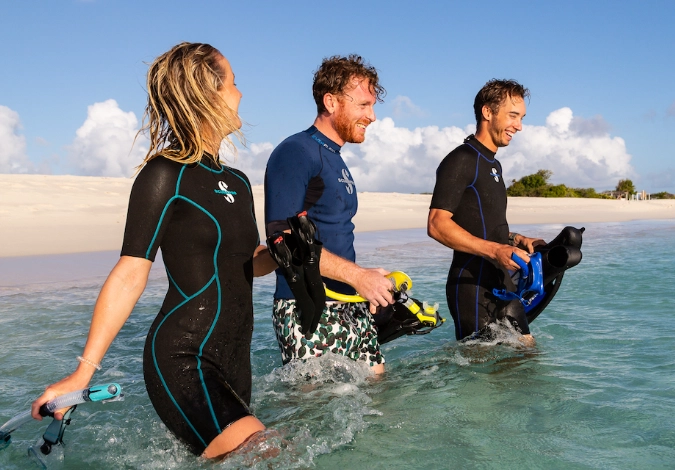
I learned this the hard way years ago in the Maldives. I had a cheap, foggy mask with a dark skirt that felt like I was looking through a tunnel. Meanwhile, my friend with her simple, clear-skirted mask was gasping at details I completely missed. The right gear doesn't just function; it transforms the experience.
What You'll Find in This Guide
Mask Mastery: Your Window to the Underwater World
This is non-negotiable. The mask is the single most important piece of snorkeling equipment for clear water. A bad mask equals a bad trip.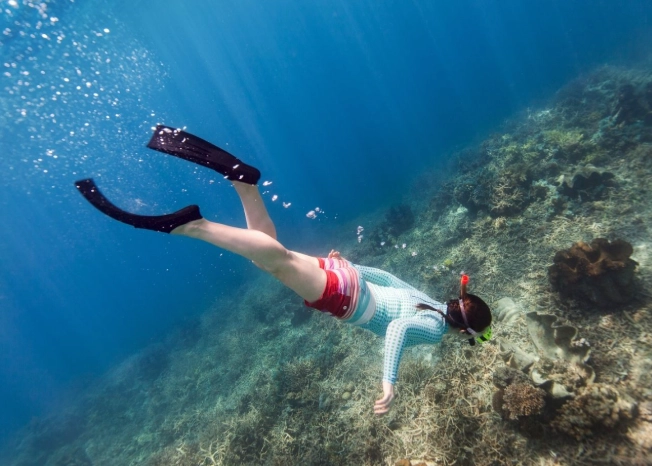
You're looking for three things: fit, field of view, and minimal internal volume.
Fit is King (and Queen). Press the mask to your face without the strap. Inhale gently through your nose. It should suction onto your face and stay there for a second or two without you holding it. No air should leak in around the skirt, especially across your forehead and along your cheekbones. Hair, sunscreen, or facial hair will break the seal. I see so many people with a mask leaking because they didn't do this simple test.
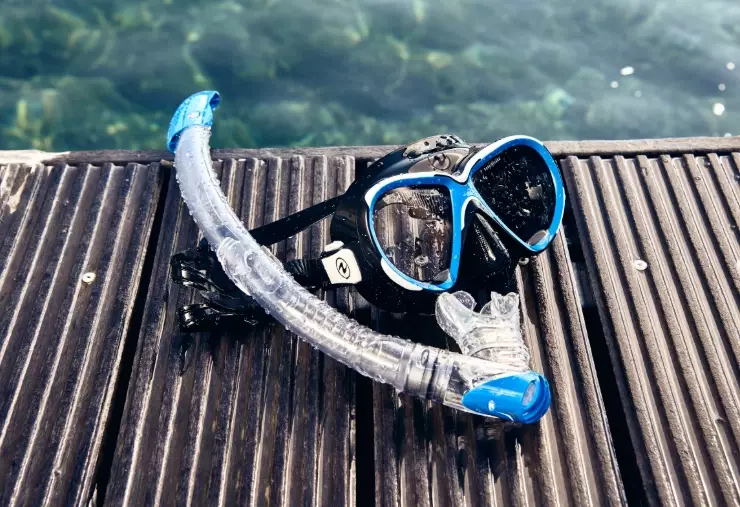
For clear water, choose a clear or transparent silicone skirt. That dark, black skirt looks cool and is great for reducing glare in bright, shallow water. But in the depths or under a boat, it can make things darker. A clear skirt lets in all available light, brightening your view. It also improves peripheral vision.
Low volume is a game-changer. A low-volume mask sits closer to your face. Why does this matter? First, there's less air inside to create annoying bubbles when you clear it. Second, and crucially for clear water snorkeling, it reduces the "tunnel vision" effect. The lenses are closer to your eyes, offering a wider, more panoramic view. It feels more like you're there, not watching through a porthole.
| Mask Feature | Why It Matters for Clear Water | Example Models |
|---|---|---|
| Clear Silicone Skirt | Maximizes light entry, improves peripheral vision, feels less封闭. | Cressi Calibro, Aqua Lung Look 2 |
| Dual Lenses | No distracting central bar; wider, uninterrupted view. | TUSA Freedom Elite, Scubapro Synergy 2 |
| Tempered Glass Lenses | Scratch-resistant and safe; avoid plastic at all costs. | (Standard on all quality masks) |
| Low Internal Volume | Easier to clear, reduces feeling of being "boxed in." | Oceanic Shadow, Mares X-Vision |
Don't get hung up on brands. Get hung up on the fit on your face. A $50 mask that fits perfectly is worth more than a $200 mask that leaks.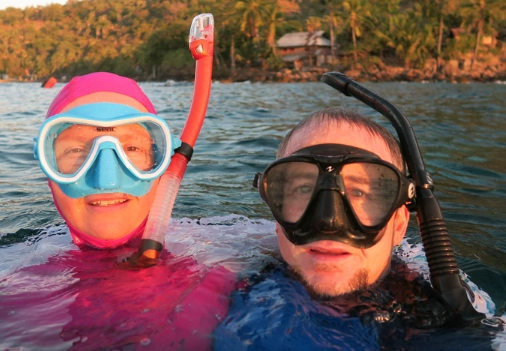
Snorkel Simplified: Breathing Easy on the Surface
The snorkel's job is simple: let you breathe while your face is in the water. For clear water snorkeling, comfort and simplicity often win.
You have three main types:
- Classic J-Snorkel: A simple tube. It's light, cheap, and has minimal breathing resistance. The downside? It can scoop up water if a wave hits you.
- Splash Guard Snorkel: Has a flexible plastic cover at the top that deflects splashes. Better than a classic J, but not fully sealed.
- Dry Snorkel: Has a float valve mechanism that seals the top the moment it goes underwater. Ideal for beginners, choppy water, or if you don't want to think about clearing water.
For calm, clear coves, a classic J-snorkel is my go-to. It's light, I forget it's there. But I'm comfortable clearing water. For beginners, a dry snorkel removes a major point of anxiety, letting you focus on the fish.
Look for a flexible, silicone mouthpiece. A rigid plastic one will grate on your gums. The tube should have a bore diameter that feels comfortable—not so wide it's hard to clear, not so narrow it feels like breathing through a straw.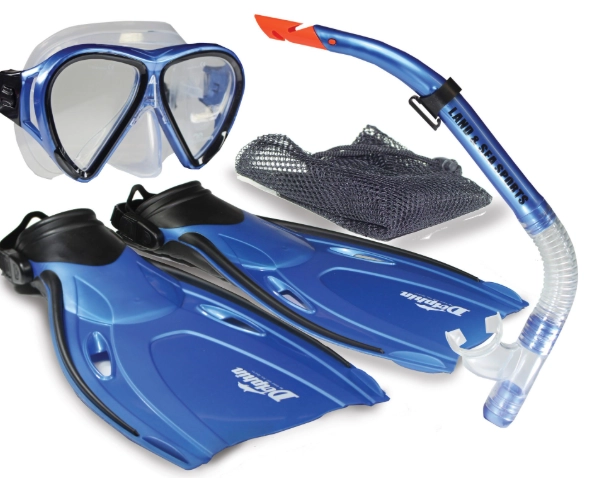
Pro Tip: Attach your snorkel to the mask strap correctly. Slide it under the strap on the left side (for most right-handed people), then rotate the snorkel keeper so the mouthpiece hangs naturally where your mouth is. Don't overtighten it; the snorkel should be able to move slightly if you turn your head.
Fin Fundamentals: Efficient Propulsion
Fins turn your kicks into smooth, efficient motion. The wrong fins will tire you out and can even stir up sand, ruining the visibility for you and everyone else.
You're choosing between two styles:
Full-Foot Fins
They slip on like shoes. They're lightweight, great for warm water, boat trips, or sandy beach entries. They offer less protection for your feet. Brands like Cressi and Mares make excellent, flexible full-foot fins perfect for snorkeling.
Open-Heel Fins
These have an adjustable strap and require separate neoprene booties. They're more versatile. The booties protect your feet from rocks, hot sand, and urchins. They're essential for rocky shore entries or cooler water. They tend to be more powerful, often used in scuba, but snorkeling-specific open-heel fins are more flexible.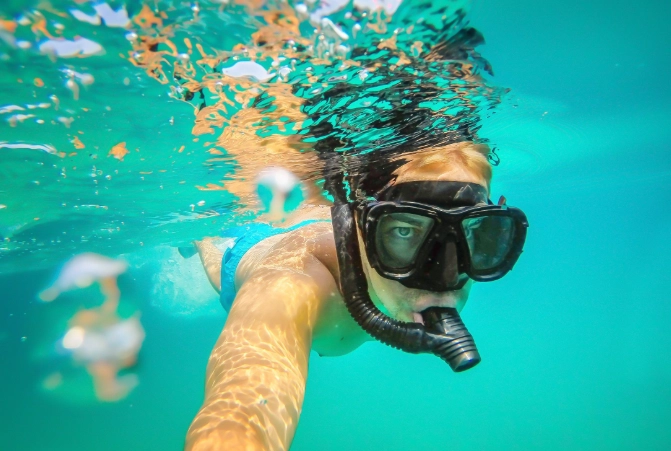
For clear water snorkeling, flexibility is more important than power. You want a relaxed, flutter kick that doesn't scare the fish or kick up the bottom. Long, stiff scuba fins are overkill. Look for shorter, more flexible blades.
The Essential Extras (That Aren't Optional)
This is where the good trip becomes great.
Anti-Fog Solution: Forget the spit hack. It works... kinda. A proper anti-fog gel (like Sea Gold or McNett's) lasts longer. Apply it, give it a light seawater rinse, and you're good for hours. Carry a small bottle in your gear bag.
Rash Guard or Snorkel Vest: A long-sleeve rash guard is a multitasker. It protects you from sunburn (sunscreen washes off and harms coral), protects from minor scrapes, and provides a bit of warmth and buoyancy. For weaker swimmers, a snorkel vest (not a bulky life jacket) provides peace of mind and lets you relax on the surface without treading water.
Mesh Gear Bag: A simple, durable bag with mesh panels. It lets sand and water drain out, keeps your gear organized, and is easy to carry. Don't stuff wet gear into a backpack; it'll mildew.
Sunscreen (Reef-Safe): This is a must. Chemicals like oxybenzone and octinoxate bleach and kill coral reefs. The very thing you're there to see. Use a mineral-based sunscreen with zinc oxide or titanium dioxide. Brands like Stream2Sea and Badger make excellent ones. Apply it at least 15 minutes before getting in the water.
Think of it as your responsibility as a visitor.
Your Clear Water Snorkeling Gear Questions, Answered
Investing in the right snorkeling equipment for clear water isn't about buying the most expensive stuff. It's about choosing smart, functional gear that fits you. It's the difference between watching a murky TV screen and being front row at the greatest show on Earth—the one happening just beneath the surface.
For more information on safe snorkeling practices and marine conservation, check out resources from organizations like PADI (The Professional Association of Diving Instructors) and NOAA (The National Oceanic and Atmospheric Administration).
Reader Comments