You're planning a backpacking trip through Southeast Asia, Central America, or some Greek islands. Your itinerary is a mix of jungle treks, overnight buses, and hostel dorms. But you also know there will be crystal-clear water. The dream is to slip below the surface whenever the chance appears. The problem? Your backpack is already bursting at the seams, and dedicated snorkel gear seems like a luxury reserved for resort guests.
It doesn't have to be. With the right approach, you can carry a complete, high-performance snorkel kit that takes up less space than a pair of jeans. I've learned this over a decade of mixing multi-day hikes with impromptu ocean adventures. The secret isn't just buying the smallest gear; it's about choosing multi-functional, durable, and thoughtfully designed pieces that serve the backpacker's reality.
This guide cuts through the marketing fluff. We're not talking about gear for a dedicated dive boat. We're talking about gear that survives being crammed at the bottom of a 40L pack, works perfectly after a week of neglect, and lets you say "yes" to that unexpected snorkel spot without a second thought.
What’s Inside This Guide
The Snorkel (Breathing Tube): Simple Beats Smart
Most beginners head straight for the fanciest "dry snorkel" with a splash guard and a float valve that promises a completely water-free experience. For backpacking, this is your first potential misstep.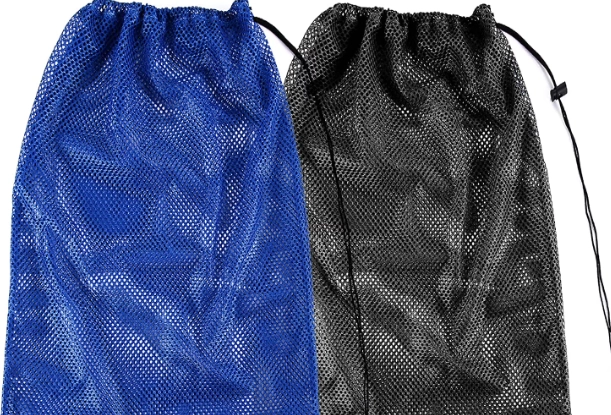
Those dry-top mechanisms add bulk, weight, and complexity. More importantly, they can fail. A bit of sand, a sticky float valve, or an aggressive wave can let water in. When they work, they're great. When they don't, they're a hassle to clear. For a backpacker, reliability and packability trump marginal comfort gains.
Here’s what I pack: a basic, flexible silicone J-style snorkel or a semi-dry model. A semi-dry has a simple splash guard at the top (a physical cover) but no complex float valve. It deflects most wave splashes and packs nearly as flat as a traditional tube.
| Type | Best For Backpacking? | Why / Why Not | Example Model |
|---|---|---|---|
| Dry Snorkel | No | Bulky valve mechanism, can fail, harder to pack. Overkill for calm coves. | Cressi Supernova Dry |
| Semi-Dry Snorkel | Yes (Top Pick) | Splash guard helps, no complex valve, flexible tube packs easily. The perfect balance. | Mares Ergo Snorkel |
| Traditional J-Snorkel | Yes | Ultimate in simplicity and packability. Requires learning the blast clearance technique. | Basic silicone tube from any brand |
Look for a snorkel with a flexible lower section (the part that attaches to the mask). This lets it conform to your pack's shape. The mouthpiece should be soft silicone. Trust me, after an hour in the water, a hard plastic mouthpiece feels awful.
The Mask: Your Window Underwater
This is the one piece you never compromise on. A leaky, foggy mask ruins the entire experience. The goal is a low-volume mask that fits your face perfectly.
Low-volume means less air space inside the mask. Why does this matter? It sits closer to your face (less drag), requires less air to equalize pressure when you dive down, and most importantly for us, it's generally more compact. A huge, panoramic mask might offer a great view, but it's a packing nightmare.
Fit is everything. The rule of thumb: place the mask on your face without using the strap. Inhale gently through your nose. The mask should suction to your face and stay put for a few seconds when you let go. It should seal comfortably around your entire nose and eye area. No pinching on the bridge of your nose.
My go-to for years has been something like the Cressi F1 or the TUSA Freedom Elite. They're classic, low-volume, and reliable. The skirt (the soft part) is comfortable and durable. Avoid masks with ultra-thin skirts—they can tear more easily in a packed bag.
One niche option gaining popularity is the "full face" snorkel mask. I'm skeptical for backpacking. They are enormous, difficult to pack, and many diving professionals, including PADI, have raised concerns about CO2 buildup in some models. Stick with the traditional separate mask and snorkel.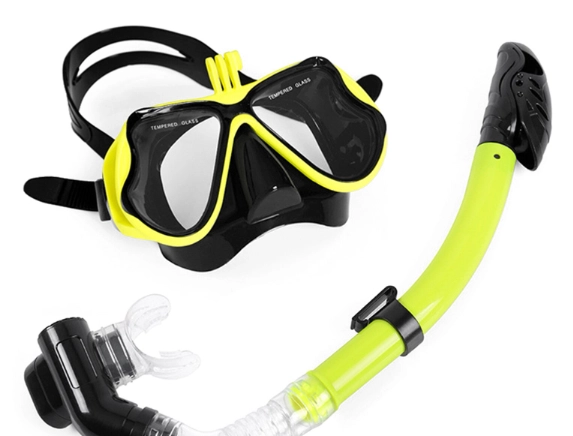
Fins: Propulsion vs. Packability
Fins are the biggest challenge. Traditional full-length fins are out of the question. The solution comes in two forms: short/blade fins and travel fins with detachable or hinged blades.
Short fins (like the Mares Avanti Quattro or many bodyboarding fins) are about 15-20 inches long. They provide excellent power and control in a compact form. They're my personal preference because there are no moving parts to break.
Travel fins have blades that detach from the foot pocket or fold in half via a hinge. Brands like Cressi and U.S. Divers make good ones. The advantage is they can pack into a square shape. The disadvantage? That hinge or connection point is a potential failure zone. I've seen the plastic lugs on detachable blades snap.
Material matters too. Polypropylene fins are lighter and more flexible than traditional rubber, making them easier to pack and kick with. They're perfect for snorkeling, even if they lack the raw power of stiff diving fins.
The Essential Extras (Don't Skip These)
The core trio (mask, snorkel, fins) gets you in the water. These extras make the experience sustainable and enjoyable on a long trip.
- Anti-Fog Solution: A tiny bottle of dedicated solution or, my favorite hack, a small tube of baby shampoo. A drop smeared inside the lens, rinsed lightly, prevents fog for hours. It's cheap, available worldwide, and multi-use.
- A Dedicated "Gear" Microfiber Towel: This isn't your bath towel. Get a small, fast-drying one (like a PackTowl). Use it to dry your gear before packing it away, preventing mildew. Use it to sit on, to wipe sand off your feet—it's a workhorse.
- Dry Bag (5-10 Liters): This is your snorkel daypack. It carries your gear, keeps your phone/cash dry on the boat ride out, and can double as a stuff sack in your main pack. Get a roll-top one with a shoulder strap.
- Mesh Bag: A simple mesh bag to carry your wet gear after a session. It lets everything drain and air out, unlike a stuffy dry bag.
Packing Strategy: The Real Game-Changer
You can own the perfect gear and still pack it wrong. Here’s the system.
Step 1: The Core Bundle. Place your mask inside one of the fin foot pockets. Wrap the flexible snorkel around it. Slide this bundle into the other fin foot pocket. You've now created a single, protected unit.
Step 2: The Shell. Slide this fin-and-core bundle into your mesh bag. The mesh bag goes into your dry bag.
Step 3: Integration. Pack your dry bag (containing your snorkel kit) near the back of your backpack, against the frame (if you have one). This keeps the weight centered and close to your back. The dry bag's rigidity can also help your pack keep its shape.
Your microfiber towel and anti-fog can go in any small outer pocket for easy access.
A Real Backpacking Scenario: Southeast Asia
Let's make this concrete. You land in Bangkok with a 40L backpack. A week later, you're on a ferry to Koh Tao.
On travel days, your snorkel kit is packed as above, buried in your main pack. When you get to the island, you unpack your dry bag. That's now your daypack. In the morning, you toss in your snorkel core bundle, your small towel, sunscreen, a water bottle, and your wallet. You're set.
You rent a scooter for the day (cost: ~$5). Instead of paying $20 for a generic snorkel tour to crowded spots, you explore the island's coastline. You find a secluded cove. You gear up in minutes. You spend two hours following parrotfish and clownfish around a shallow reef, completely on your own schedule. The total cost for the day's activity? The gas for the scooter. The experience? Priceless, and exactly the freedom backpacking is about.
This self-reliance is the ultimate value of bringing your own gear.
Budget Breakdown: What to Expect
You don't need to spend a fortune, but avoid the $30 full-set knockoffs on Amazon. They leak, fog instantly, and break. A reliable mid-range kit will last for years of travel.
- Budget-Conscious (~$100): A reliable mask from a known brand (Cressi, TUSA, Mares) ($40-$60), a simple silicone snorkel ($15-$25), and a pair of short fins ($40-$50). Skip the travel-specific fins for now.
- Mid-Range Optimized (~$180): A good low-volume mask ($60), a semi-dry snorkel ($30), and a pair of quality travel fins (like the Cressi Agile) ($90). Add a dry bag and microfiber towel.
- High-End/Lightweight (~$300+): Premium mask (like Scubapro's frameless models) ($100+), high-end folding fins (from brands like OMS) ($150+), top-tier dry bag, and technical quick-dry towels.
Think of it as a one-time investment versus paying $10-$15 per day to rent often poorly maintained, ill-fitting gear.
Your Snorkel & Backpacking Questions, Answered
Is a dry snorkel or a traditional snorkel better for backpacking?
How do I prevent my snorkel mask from fogging up when I'm traveling off-grid?
Can I just use swimming goggles instead of a snorkeling mask?
What's the one piece of snorkel gear most backpackers forget but absolutely need?
The line between a backpacker and a snorkeler doesn't have to exist. With thoughtful gear selection and smart packing, your underwater world is just a quick unpack away. It transforms a passive beach day into an active exploration. You stop seeing the ocean as just a view and start seeing it as a destination, accessible anytime, right from the shore. That's the real freedom this kit provides.
Now, go check the fit of that mask.
Reader Comments