I remember the first time I saw it. Floating next to a brilliant parrotfish, a tattered plastic bag. Later, a guide pointed out pale, bleached coral near a popular entry point. "Sunscreen," he muttered. That's when it clicked. My escape into the underwater world was part of the problem. The very hobby that connected me to the ocean was, in tiny ways, helping to harm it. The good news? We can fix this. And it starts with what we pack in our dive bag. Choosing eco-friendly snorkeling gear isn't about sacrifice; it's about smarter, more responsible gear that works as well as—and often better than—the old, polluting stuff.
Think of it as an upgrade for your conscience and the reef.
Your Quick Guide to Green Snorkeling
Why Your Snorkel Kit Needs a Green Makeover
Let's be clear. The biggest threat to reefs is climate change. But the pollution from millions of tourists? It's a direct, local stressor we can actually control. Traditional snorkeling gear contributes in a few key ways:
Sunblock Runoff: This is the giant in the room. Chemicals like oxybenzone and octinoxate in common sunscreens are proven to bleach coral, damage its DNA, and disrupt marine life. The Haereticus Environmental Lab publishes an annual list of banned ingredients, and it's growing. Even a small amount in the water does damage.
Plastic Debris: Fins break. Mask straps snap. Cheap snorkels get discarded. This plastic doesn't vanish; it photodegrades into microplastics, entering the food chain. A report by the International Union for Conservation of Nature (IUCN) estimates that plastic waste makes up a significant portion of marine debris impacting ecosystems.
Resource-Heavy Manufacturing: Conventional neoprene is derived from petroleum. Its production is energy-intensive. The packaging? Often more single-use plastic.
Choosing sustainable alternatives tackles these issues head-on. It reduces chemical pollution, cuts plastic waste, and supports a circular economy. It also sends a message to manufacturers that we care about the product's entire lifecycle, not just how it performs for an hour.
The Non-Consensus View: Many blogs will tell you to "avoid aerosol sunscreens." That's good, but it's surface-level. The deeper issue? Assuming a "reef-safe" label is enough. I've tested sunscreens that boast this label but are full of other silicones and polymers that create a nasty film on the water's surface. The real pro tip: Look for non-nano mineral-based formulas (zinc oxide/titanium dioxide) with the simplest ingredient list possible. If it reads like a chemistry experiment, it probably is one for the reef.
Building Your Eco-Friendly Snorkeling Kit: A Piece-by-Piece Guide
You don't need to replace everything at once. Focus on the items with the highest impact first. Here’s my breakdown, forged from years of testing and some disappointing purchases.
1. Reef-Safe Sunscreen: Your Non-Negotiable First Step
Forget the gear for a second. If you do one thing, make it this. A UPF 50+ long-sleeve rash guard is your best friend—it reduces the amount of sunscreen you need by about 80%. For exposed skin, mineral sunscreen is king.
What to look for: Non-nano zinc oxide as the active ingredient. "Non-nano" means the particles are too large to be ingested by coral. Brands like Stream2Sea, Badger, and Raw Elements are formulated specifically for aquatic use.
My personal gripe: Some "natural" brands are so thick they're impossible to spread on wet skin. Test yours at home first. The good ones rub in with a slight white cast that fades.
2. The Mask & Snorkel: Seeking Sustainable Silicone and Recycled Plastic
Most masks and snorkels are made from petroleum-based silicone and plastics. The eco-swap here is for gear made from bio-silicone (derived from plant-based silica) or recycled materials.
Bio-silicone feels identical to regular silicone—soft, durable, hypoallergenic—but has a lower carbon footprint. Brands like Aqualung and Oceaner are pioneering this. For the snorkel tube and barrel, look for brands using recycled plastics (often marked as RPET).
Performance check: A well-designed eco-mask will seal just as well. The key is the fit, not the source of the silicone. Always try it on.
3. Fins: The Big-Ticket Item with Big Green Potential
This is where innovation is exciting. You have several paths:
- Recycled Plastic Blades: Many fins now use blades from recycled consumer plastics. They're stiff and responsive, great for power.
- Plant-Based Neoprene Alternatives: Yulex is a game-changer. It's natural rubber from sustainably managed trees. The fins are lightweight, flexible, and have a much lower environmental impact than synthetic neoprene. Patagonia's Yulex suits brought this to the mainstream.
- Econyl: This regenerated nylon from abandoned fishing nets and other waste is incredibly durable. You'll find it in fin straps and components.
I switched to Yulex-composite fins two seasons ago. The warmth and flexibility are superior to my old petroleum-based pair. The break-in period was shorter.
| Gear Piece | Traditional Material | Eco-Friendly Alternative | Key Thing to Check |
|---|---|---|---|
| Sunscreen | Chemical (Oxybenzone) | Non-Nano Mineral (Zinc Oxide) | "Reef-Safe" certification & simple ingredient list |
| Mask Skirt | Petroleum Silicone | Bio-Silicone or Recycled Silicone | Fit and comfort are identical; check brand sourcing |
| Snorkel Tube | Virgin Plastic | Recycled Plastic (RPET) | Durability is the same; often a matte finish |
| Fins | Synthetic Neoprene/Rubber | Yulex, Recycled Plastic, Econyl | Stiffness and weight; Yulex is lighter and warmer |
| Rash Guard | Polyester/Nylon | Recycled Polyester (e.g., from bottles) | UPF 50+ rating and seam construction |
Beyond the Basics: Advanced Swaps for Committed Snorkelers
Once you've covered the core kit, consider these.
The Bag Itself: Ditch the single-use plastic bag for your wet gear. Use a mesh bag made from recycled ocean plastic or hemp. It drains, dries quickly, and won't mildew.
Anti-Fog: Spit works. But if you want a solution, make your own. A drop of baby shampoo in a small spray bottle filled with water is effective and non-toxic. Commercial eco-friendly anti-fogs exist too—just avoid the ones in plastic tubes.
Footwear: Coral cuts are bad. But so are plastic water shoes that shed microfibers. Look for options made with natural rubber or recycled materials.
Making the Switch: A Realistic, Budget-Friendly Plan
Feeling overwhelmed? Don't be. You don't need a gold-plated, 100% sustainable kit by tomorrow.
Year 1: Buy reef-safe sunscreen and a recycled-material rash guard. These are consumables you need anyway. This is your biggest win.
Year 2: Your mask strap breaks or your snorkel looks gross. Replace it with a bio-silicone mask or recycled snorkel. Shop end-of-season sales.
Year 3: Your fins are worn out. Invest in a pair made from Yulex or recycled plastic. They'll last years.
The most sustainable gear is the gear you already own. Use it until it's truly unusable, then replace it mindfully. Repair straps, glue loose parts. Care for your kit with fresh water rinses and proper storage, and it will last decades, making its initial footprint negligible.
Your Top Questions on Sustainable Snorkeling, Answered
Is eco-friendly snorkeling gear less durable than regular gear?
Not necessarily. Early models had issues, but modern eco-friendly gear from reputable brands uses high-performance recycled materials like Econyl or Yulex that rival traditional neoprene in durability. The key is to check the specific material blend and warranty. I've had a recycled plastic snorkel set last over three years of frequent use, outlasting a cheaper conventional one.
Can I just use any "natural" sunscreen for snorkeling?
This is a common trap. "Natural" doesn't automatically mean reef-safe. You need a sunscreen labeled "reef-safe" or "reef-friendly" that is free of oxybenzone and octinoxate. More importantly, look for non-nano zinc oxide or titanium dioxide as the active ingredient. Even then, the most eco-friendly practice is to wear a UPF-rated rash guard to minimize sunscreen use altogether.
 What's the single most impactful eco-friendly gear swap I can make?
Swap your chemical sunscreen for a certified reef-safe mineral one. While gear is important, sunscreen washes directly off your body and into the reef ecosystem, causing immediate harm to coral reproduction and health. It's the change with the most direct and scientifically proven positive impact you can make on your very first eco-friendly snorkel trip.
How do I properly clean and store eco-friendly snorkeling gear?
Rinse everything thoroughly with fresh water after every use, especially the mask and snorkel. For the mask, avoid harsh soaps that can degrade the silicone skirt. Let gear air dry completely in the shade before storing it in a breathable mesh bag. Never store damp gear in a sealed plastic bag—this promotes mold on organic materials and defeats the purpose of choosing sustainable options.
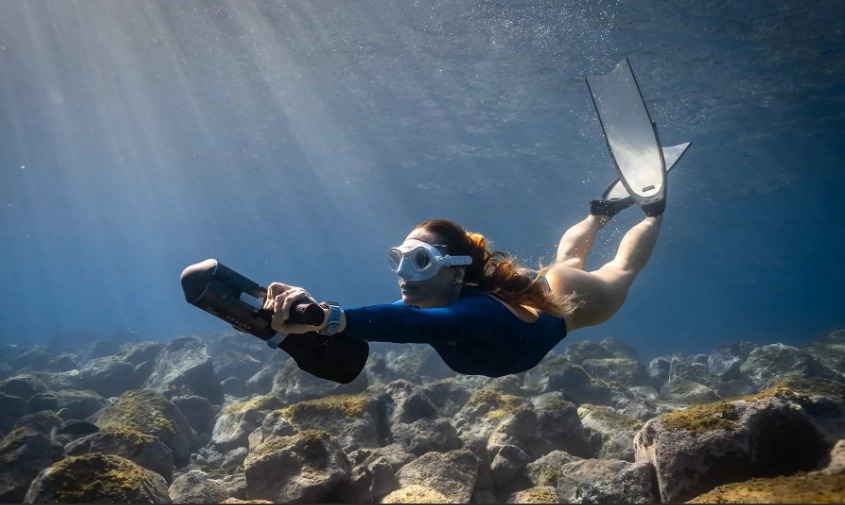 The final thought isn't about buying more stuff. It's about thinking differently. Every time you pack your snorkel bag, you're making a choice. You can choose the path of convenience, or you can choose the path of stewardship. The ocean doesn't need perfect snorkelers; it needs millions of us making slightly better choices. Start with the sunscreen. Then the next piece. The fish will notice. And so will you.
Reader Comments