You've booked the trip to that pristine coral reef. You've researched the best spots. But have you considered the weight of your snorkeling gear? Most first-timers don't, until they're lugging a heavy bag through an airport or along a hot beach. The weight of your mask, fins, snorkel, and accessories isn't just a number—it's a direct factor in your travel comfort and mobility. A heavy set can mean extra baggage fees, a sore back, or simply less energy for actually enjoying the water. Let's break down the numbers and find out how to go lighter without sacrificing performance.
Breaking Down the Pounds: The Weight of Each Gear Piece
Let's get specific. We're not talking about vague descriptions like "light" or "heavy." Here's a realistic weight comparison table for standard, mid-range snorkeling gear you might find at a dive shop or online retailer. Remember, these are averages; specific models will vary.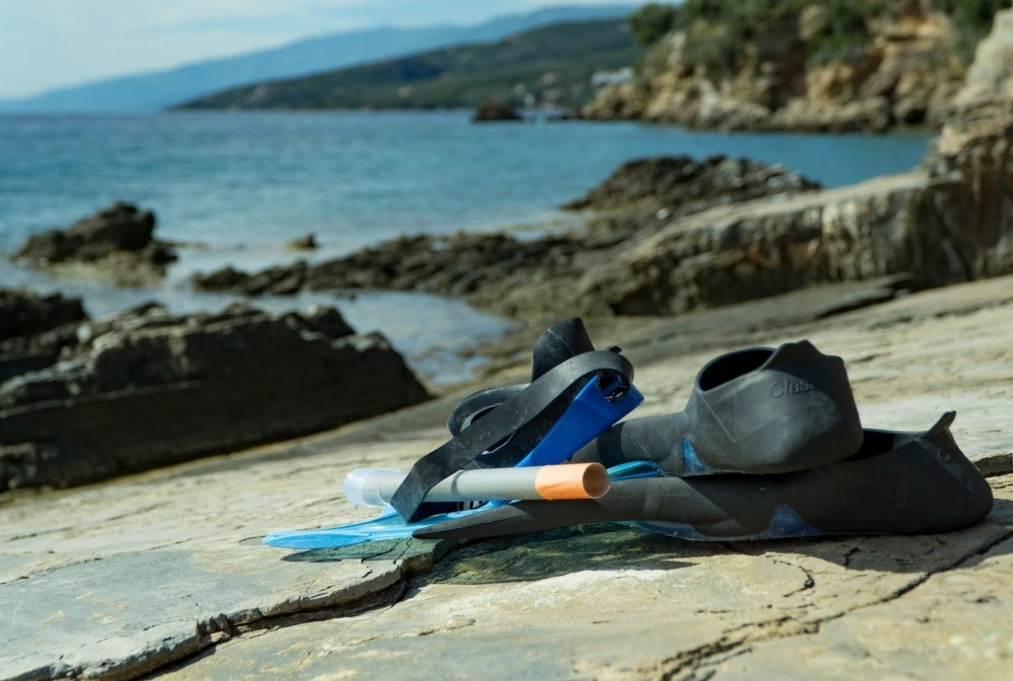
| Gear Piece | Average Weight Range | Travel/Lightweight Option Range | Key Weight Factors |
|---|---|---|---|
| Snorkeling Mask | 250 - 400 grams (8.8 - 14.1 oz) | 180 - 300 grams (6.3 - 10.6 oz) | Frame material (plastic vs. silicone), lens type, purge valve, size |
| Snorkeling Fins (pair) | 1.0 - 2.0 kg (2.2 - 4.4 lbs) | 0.8 - 1.2 kg (1.8 - 2.6 lbs) | Blade length, material (rubber, plastic, composite), foot pocket design |
| Snorkel (dry-top) | 150 - 250 grams (5.3 - 8.8 oz) | 120 - 200 grams (4.2 - 7.1 oz) | Dry-top mechanism complexity, mouthpiece material, tube length |
| Snorkeling Vest (basic) | 500g - 1.0 kg (1.1 - 2.2 lbs) | 200 - 500g (7 oz - 1.1 lbs) | Inflatable vs. foam, material thickness, size |
| Full Set (Estimate) | 2.5 - 4.5 kg (5.5 - 10 lbs) | 1.5 - 2.5 kg (3.3 - 5.5 lbs) | Combination of all above choices |
The Weight of Your Mask: More Than You Think?
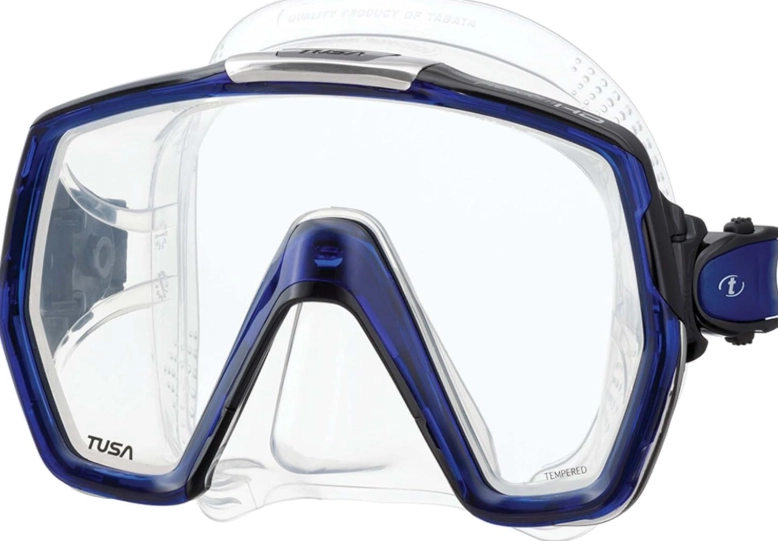
That mask might look small, but the difference between a standard framed mask and a minimalist, frameless design can be over 100 grams. Multiply that by the distance you have to carry it. A frameless mask isn't just lighter; it often packs flatter too. I once opted for a fancy, panoramic view mask with a thick silicone skirt and a purge valve. It was comfortable, sure, but it felt like a brick compared to my simpler backup mask. For travel, that backup mask became my go-to.
Fins: The Heaviest Hitters?
No surprise here. Fins are the anchor of your weight equation. Long, stiff blades made for powerful kicks are heavy. Travel fins are their own category—shorter, more flexible, and often made from lighter composite materials. The weight savings can be massive: up to 50% lighter than full-sized fins. I've seen friends struggle with standard fins in a carry-on, while my collapsible travel fins fit in a small backpack compartment. The trade-off? Slightly less propulsion. But in calm, clear snorkeling waters, it's a trade I'm willing to make.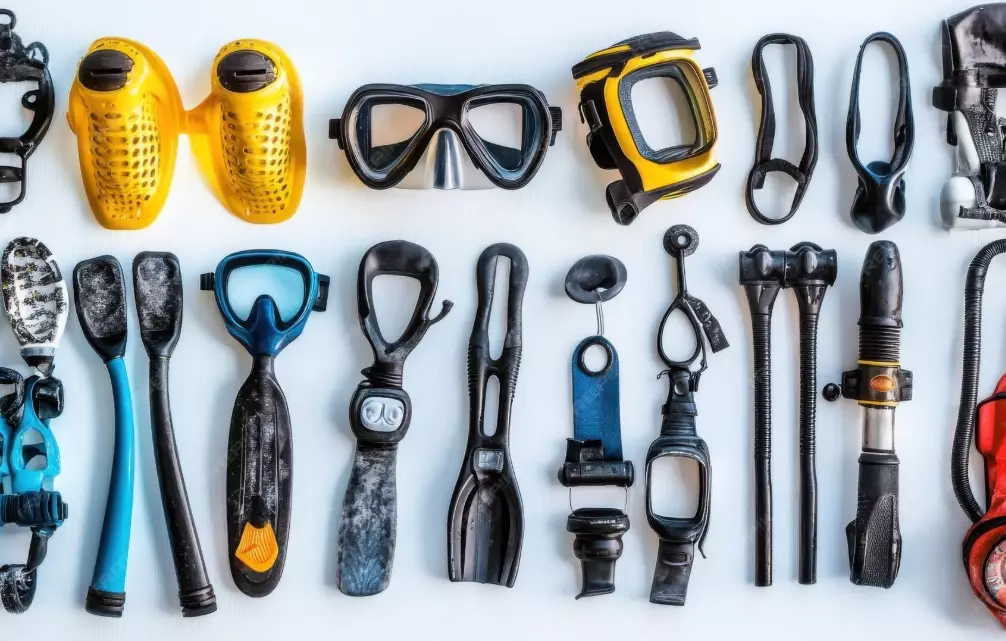
The Snorkel: Surprisingly Light?
Even the fanciest dry snorkel with a flexible tube and splash guard is relatively light. The weight difference between a basic J-tube and a high-end dry snorkel is often negligible—maybe 50 grams. Don't overthink the snorkel's weight; focus on fit and function. A snorkel that constantly lets water in will ruin your experience faster than a few extra grams ever could.
Pro Tip: The single heaviest accessory is often the buoyancy aid or snorkel vest. A foam-filled vest is bulky and heavy. A simple, orally-inflatable vest weighs a fraction of that and packs down to the size of a t-shirt. For confident swimmers in calm conditions, many seasoned snorkelers forgo it entirely, but always check local safety regulations and your own comfort level.
The Non-Obvious Truth: Where Beginners Go Wrong
Most guides talk about weight, but they miss the crucial link to buoyancy and balance. Here's the thing: heavier gear, especially fins, can affect your trim in the water. You might find your feet sinking more, forcing you to kick harder to stay horizontal. This isn't just about comfort; it's about energy efficiency and air consumption if you're freediving down to get a closer look.
Another mistake is equating weight with durability. A fin made from a high-grade, flexible polymer can be lighter and more durable than a heavier, cheaper plastic one that cracks under stress. According to the Professional Association of Diving Instructors (PADI), proper gear maintenance matters more for longevity than sheer mass.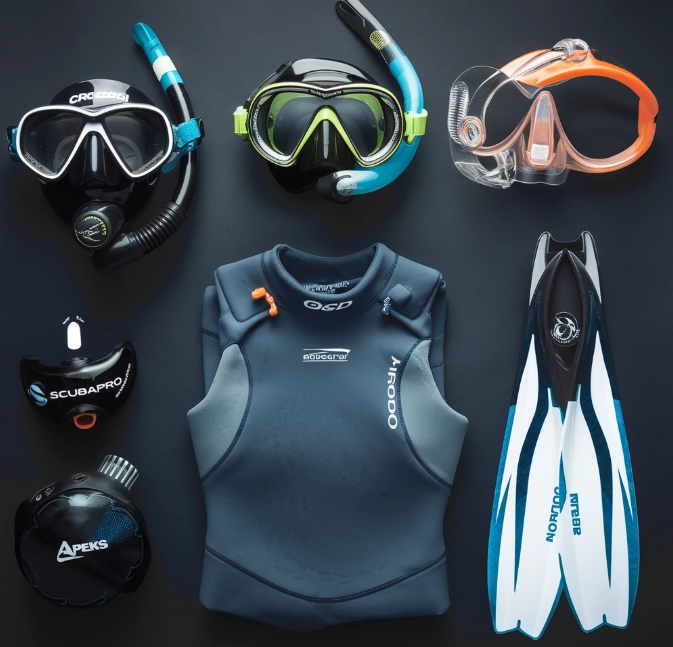
I learned this the hard way on a trip to Thailand. I brought old, heavy, and slightly stiff fins because I thought they were "tougher." Not only did they weigh down my bag, but they also made my legs cramp up faster in the water. My partner had newer, lighter composite fins and was effortlessly gliding along, saving energy for longer sessions.
How to Weigh Your Own Gear?
Don't just guess. Grab a kitchen scale or a small luggage scale. Weigh each piece individually and log it. Then, pack everything into your gear bag and weigh the whole thing. You might be shocked. This simple act of measurement is the first step to conscious packing.
- Step 1: Weigh each item: mask, snorkel, each fin (then double for the pair), vest, bag, etc.
- Step 2: Add it all up. This is your baseline.
- Step 3: Look for the heaviest items. These are your targets for potential replacement.
- Step 4: Consider the packed volume. A heavy but compact item might be more travel-friendly than a lighter, bulkier one.
How to Pack Light for Snorkeling Travel?
Packing light is an art. Here's a strategy that works:
- Prioritize the Fins: If you're buying new gear, start with travel fins. Brands like Cressi, Mares, and U.S. Divers offer excellent options. Check their official websites for detailed specifications and weight.
- Choose a Streamlined Mask: Go frameless or low-volume. It saves weight and space.
- Ditch the Heavy Bag: Use a lightweight mesh backpack or a dry bag with backpack straps. Heavy, padded dive bags are overkill for most snorkeling trips.
- Accessorize Smartly: Pack a rash guard for sun protection instead of heavy sunscreen bottles. A small microfiber towel dries faster and weighs less than a beach towel.
- Wear Your Wetsuit: If you're bringing a thin wetsuit or dive skin, wear it on the plane or pack it in your carry-on to save space and weight in your checked luggage.
Remember, the goal isn't to have the absolute lightest gear, but the most suitable gear that balances weight, comfort, and functionality for your specific trip.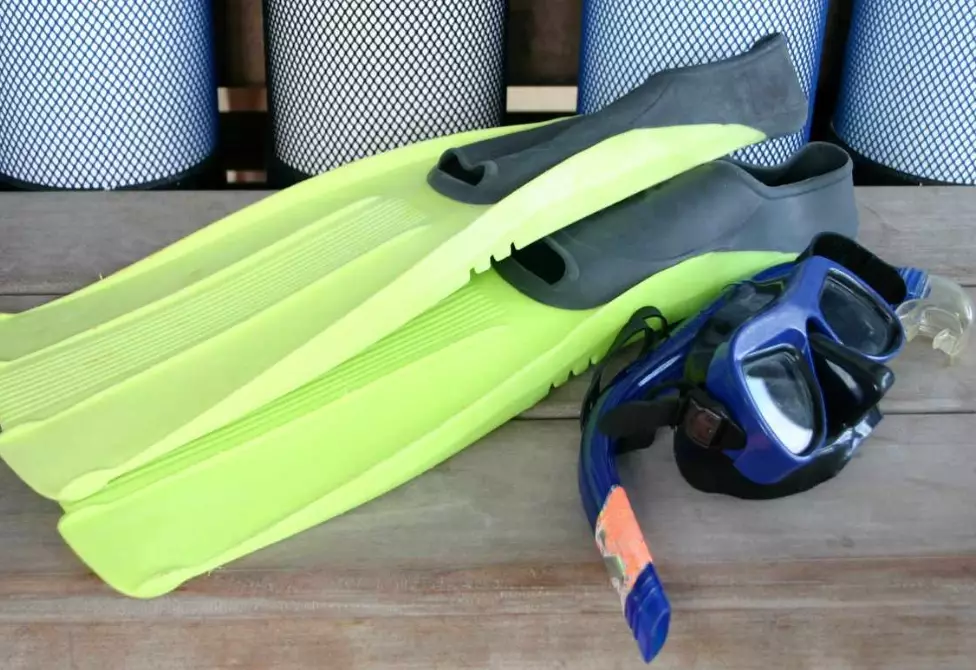
Your Snorkeling Gear Weight Questions, Answered
 Does lighter snorkeling gear mean lower quality?
Reader Comments