You've seen them everywhere—those futuristic-looking clear snorkel masks that cover your entire face. The promise is huge: breathe naturally through your nose and mouth, get a panoramic view without a separate snorkel tube banging against your head, and never have a jaw cramp from biting on a mouthpiece again. But does the reality match the hype? After a decade of guiding snorkel tours and testing gear, I've seen the good, the bad, and the foggy with these full-face designs. Let's cut through the marketing and talk about what a clear snorkel mask actually does for you.
Your Quick Guide to Clear Snorkel Masks
What Exactly Is a Clear Snorkel Mask?
Forget the old-school setup. A clear snorkel mask—often called a full-face snorkel mask—combines the mask and snorkel into one sealed unit. Your whole face sits inside a large, clear viewing chamber. Air flows in through a dry-top snorkel system mounted on top, and exhaled carbon dioxide exits through a separate channel, usually at the bottom. The entire front is a single, wide lens, offering an unobstructed 180-degree view. It's designed so you can breathe as you normally would, without a mouthpiece.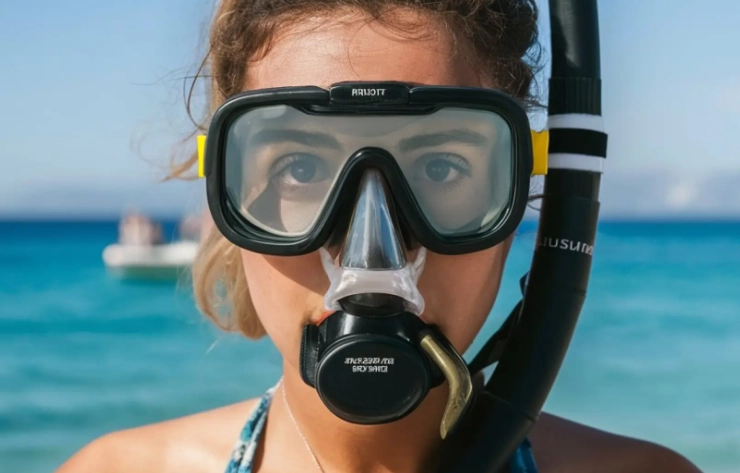
The key word is dry-top. A good quality clear mask has a float valve that seals the air intake the moment the top goes underwater, preventing a flood. Cheaper knockoffs sometimes skimp on this mechanism, which is a major safety red flag.
Clear Mask Benefits vs. Traditional Gear: A Real-World Breakdown
Let's be specific. Here’s what you gain and what you might give up.
| Aspect | Clear Full-Face Mask | Traditional Mask & Snorkel |
|---|---|---|
| Breathing | Breathe naturally through nose and mouth. Huge relief for those who gag on mouthpieces or have jaw issues. | Mouth-only breathing through a silicone mouthpiece. Can cause jaw fatigue on long sessions. |
| Field of View | Panoramic, uninterrupted view. Fantastic for spotting wildlife and general enjoyment. | View is framed by the mask skirt. Can feel restrictive, especially with lower-volume masks. |
| Fogging | Less prone to initial fogging due to air circulation, but can still fog if conditions are wrong. | Requires defogger (spit, gel) and proper prep. Fogging is a frequent annoyance. |
| Learning Curve | Easier for absolute beginners. No mouthpiece technique to learn. Just put it on and breathe. | Requires practice to breathe comfortably through the mouth and clear the snorkel. |
| Freediving / Duck Diving | Not suitable. Cannot equalize ear pressure (pinch nose) and dry-top seals on descent. | Essential. Allows you to pinch your nose through the mask skirt to equalize. |
| CO2 Buildup Risk | Higher potential if design is poor or seal is too tight. Must choose certified models. | Virtually none with a standard J-snorkel, as you exhale directly into open water. |
That last point is critical. A poorly designed full-face mask can trap exhaled air, leading to re-breathing CO2. This isn't a minor issue—it can cause dizziness and headaches. Always look for masks that mention separate air flow channels and have relevant safety certifications (like CE EN250). Brands like Tribord (Decathlon) and Ocean Reef have published airflow test data, which is a good sign.
My biggest gripe? The one-size-fits-most promise. Facial structures vary wildly. A mask that seals perfectly on a narrow face might leak on a wider one, or press uncomfortably on a high brow. The traditional mask's separate skirt and frame offer more adjustment points for a custom fit.
How to Choose the Right Clear Snorkel Mask: A Buyer's Checklist
Don't just buy the prettiest one on Amazon. Use this list.
1. Fit and Seal Are Everything
This is non-negotiable. Place the mask on your dry face without the strap. Inhale gently through your nose. A good mask should stick to your face by suction alone for a few seconds. Check the entire perimeter—especially across the forehead and along the cheeks. Any major gaps mean leaks.
Pay attention to the skirt material. Silicone is superior to PVC. It's softer, more durable, and hypoallergenic. It also creates a better seal.
2. The Snorkel System: Dry-Top is Mandatory
Look up. The snorkel should have a visible dry-top valve (a little floating ball or diaphragm mechanism). Test it by blowing gently upward into the mask—you should feel air escape, and hear it seal when you stop. This is your main defense against a wave splashing over you.
3. Lens Quality and Anti-Fog Treatment
The lens should be polycarbonate or tempered glass, not cheap, easily-scratched plastic. Many come with a permanent anti-fog coating applied at the factory. This is different from the temporary gels you apply yourself. It's a huge advantage, but it can wear off over years. Ask if the coating is guaranteed.
4. Price vs. Value
You can spend anywhere from $40 to over $200.
- Under $60: Tempting, but risky. Often poor materials, weak dry-top valves, and questionable airflow design. I've seen these flood constantly.
- $80 - $150: The sweet spot. Reputable brands like Cressi, Aqua Lung, and Seaview operate here. You get reliable dry-top systems, better silicone skirts, and tested airflow.
- $150+: Premium features like integrated GoPro mounts, enhanced purge valves, or ultra-wide lenses. Only necessary for very frequent snorkelers.
Common Mistakes and Safety You Can't Ignore
I've pulled aside countless snorkelers on tours for these errors.
Strapping it too tight. This is the number one mistake. A death-grip strap won't stop a leak caused by a poor facial fit—it will just give you a headache and press the skirt out of shape, making the leak worse. The strap's job is simply to keep the mask in position. The seal comes from the skirt and the vacuum.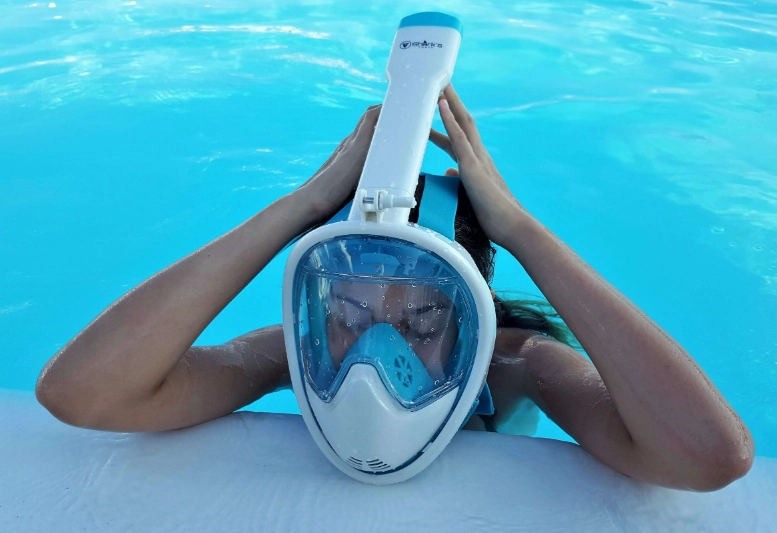
Using it for diving. Repeat after me: full-face masks are for surface snorkeling only. You cannot go down more than a foot or two. You cannot equalize your ears. Attempting to dive will cause immediate discomfort and can damage the mask's valves.
Ignoring the purge valve. If water does get in (from a leak or a big splash), know where the purge valve is—usually a one-way flap at the bottom of the mask chamber. Tilt your head forward, press the top of the mask frame to your forehead, and exhale firmly through your nose. The water should be forced out the bottom valve.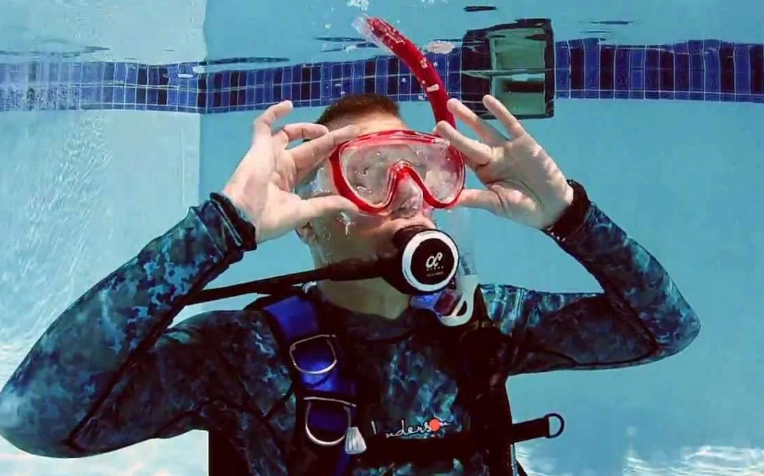
Pro Tip from a Guide: Before your first real swim, practice in a pool or calm, shallow beach. Get used to the breathing rhythm, practice the purge, and test the seal while moving your face (smiling, talking). A leak in waist-deep water is a minor inconvenience. A leak 200 meters from the boat is a trip-ruiner.
Keeping Your Mask Clear: Winning the Anti-Fog Battle
Even the best-coated mask can fog. It happens when the warm, moist air from your breath hits the cooler lens surface. Here’s the method that rarely fails me, honed over hundreds of snorkels:
- Clean it first. New masks have a factory film. Scrub the inside of the lens thoroughly with a tiny bit of toothpaste (non-gel, non-whitening) and your fingers. Rinse extremely well.
- The pre-soak. Before entering the water, flood the mask with sea water (not fresh water) and swish it around for 30 seconds. This brings the lens closer to the water temperature.
- Spit is still king. Yes, even for full-face masks. Apply a thin layer of your own saliva to the dry inside lens, rub it around, and give it a very quick, light rinse. Don't wash it all off. This creates a temporary surfactant layer that prevents water droplets (fog) from forming.
- Keep it out of the sun. When not on your face, let the mask float in the water or keep it shaded. A hot lens will fog instantly when you put it back on.
Commercial defog gels work too, but saliva is free, always available, and just as effective for a 1-2 hour session.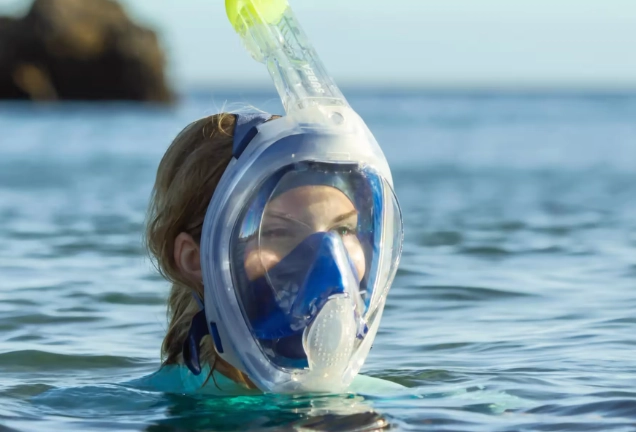
Your Questions Answered
The bottom line? A high-quality clear snorkel mask is a game-changer for casual, surface-level snorkeling. It removes barriers for beginners and can make the experience more immersive and comfortable. But it's a specialized tool, not a universal upgrade. If your goal involves diving down to explore a reef or shipwreck, stick with the traditional, trusted setup. Choose based on what you'll actually do in the water, not just the cool factor. And whatever you pick, make fit and safety the priority. The clearest view is a safe one.
Reader Comments