You've seen the viral videos and the slick ads. Full face snorkel masks promise a panoramic view and easy breathing, no mouthpiece needed. They look futuristic and comfortable. But then you stumble upon a forum post or a news article warning about dangers, even linking them to snorkeling deaths. So, what's the real deal? Are full face snorkel masks safe?
The short answer is: they can be, but it's not a simple yes or no. Safety isn't inherent to the design; it depends on the mask's engineering, how it's used, and who's using it. A poorly designed mask used incorrectly by an unfit snorkeler is a recipe for trouble. A well-designed mask used properly by a mindful swimmer in calm conditions is a different story. This guide cuts through the hype and fear to give you the facts you need to make an informed decision.
What You'll Learn Inside
The Safety Controversy Explained
The debate kicked into high gear a few years back. News outlets reported on incidents, and organizations like the U.S. Consumer Product Safety Commission (CPSC) issued recalls for specific models. The core of the controversy boils down to one thing: dead space.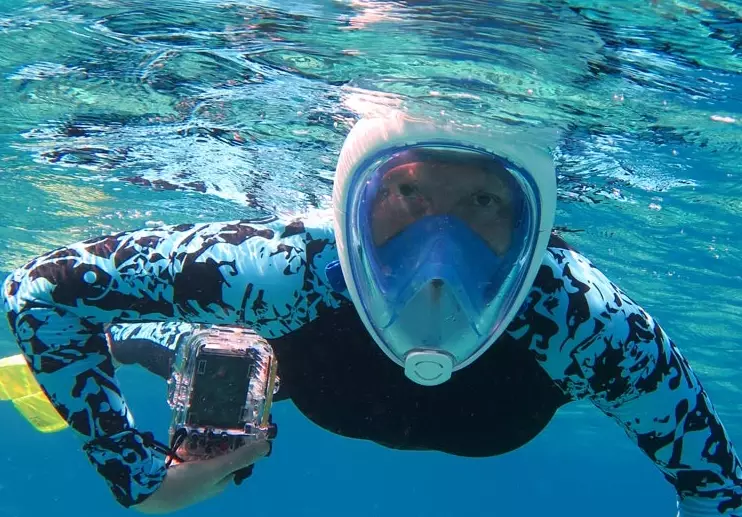
In a traditional snorkel, you breathe in fresh air from the top of the tube and exhale it back out the same way. The volume of the tube is relatively small. In a full face mask, you're breathing inside a much larger chamber that covers your entire face. If the mask isn't designed to efficiently flush out your exhaled breath, you end up re-breathing a mix of fresh air and the carbon dioxide (CO2) you just exhaled.
That's the theory that sparked the panic. But here's a nuance most articles miss: not all masks are created equal. The early, cheap knockoffs flooding online marketplaces were the main culprits. They often had no effective mechanism to separate inhaled and exhaled air. Reputable brands have since invested heavily in redesigning their airflow systems in response to these concerns.
Key Point: The blanket statement "all full face masks are dangerous" is outdated and inaccurate. The real question is: "Does THIS specific mask model have a verified, tested system to prevent CO2 buildup?"
The Two Core Risks You Need to Understand
Let's break down the two primary safety issues beyond the basic risk of any water activity.
1. Carbon Dioxide (CO2) Buildup and Hypercapnia
This is the big one. Re-breathing too much CO2 can lead to hypercapnia. Symptoms start subtle: headache, dizziness, shortness of breath, confusion. In the water, confusion is deadly. You might not realize you're in trouble until it's too late to react calmly.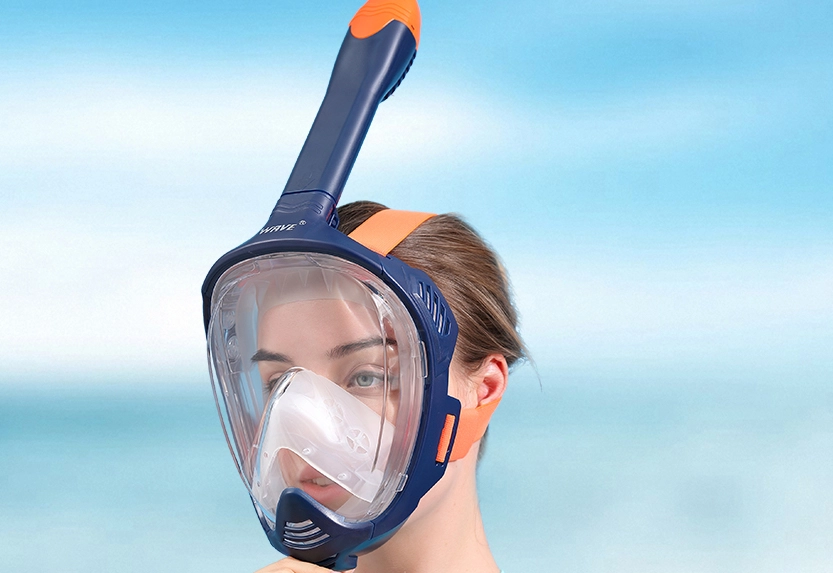
The risk is higher for two groups: children, because they have a higher metabolic rate and produce more CO2 for their size, and anyone who is exerting themselves heavily. If you're swimming hard against a current, your breathing rate increases, and a poor mask design will struggle to keep up.
I learned this the hard way on a choppy day in Hawaii. I was using a rental mask (brand unknown) and fighting a slight swell. After about 20 minutes, I felt a distinct, throbbing headache and a weird sense of lethargy. It wasn't panic, just a dull "I don't feel right." I got out immediately. Was it definitively CO2? Maybe, maybe not. But it was enough to make me research masks obsessively afterward.
2. Increased Drowning Risk from Design Flaws
This risk is more mechanical. A full face mask adds complexity, and complexity can fail.
- Water Trapping: If the mask floods, clearing it is not as intuitive as a traditional mask. You can't just exhale through your nose. Most have a purge valve at the chin, but you need to tilt your head back specifically to use it. In a moment of panic, that's not instinctive.
- Seal Failure: Any facial hair or an imperfect fit can break the seal. A leak in a traditional set is annoying. A leak in a full face mask can quickly flood the entire breathing chamber.
- No Deep Water Use: You cannot equalize pressure in your ears while wearing one. This makes them utterly unsuitable for free diving, even just a few feet down to get a closer look. Trying to dive down will cause painful ear squeeze and can rupture the mask's seal, causing immediate flooding.
Critical Rule: A full face snorkel mask is a surface-only breathing apparatus. If you want to duck dive, stick with a traditional setup. This is non-negotiable.
How Modern Masks Try to Stay Safe: The Tech Inside
So, what separates a potentially risky mask from a safer one? Look for these design features. Don't just trust marketing claims; see if the product description explains how it works.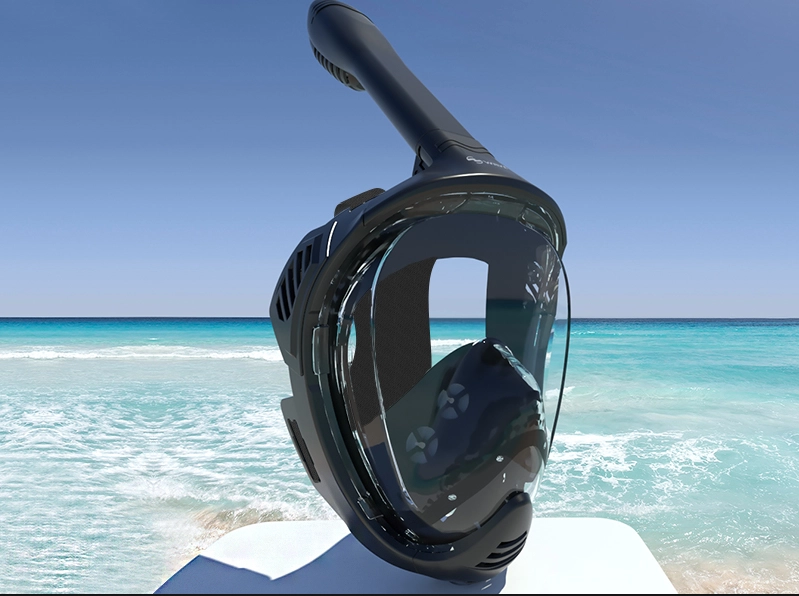
1. Separate Airflow Channels: This is the gold standard. The best masks have a physical barrier inside, creating one channel for fresh air coming in from the top of the snorkel and a separate, sealed channel for your exhaled breath to exit, usually through one or more valves near the chin or sides. This minimizes the "dead space" where air can mix.
2. Powerful Exhalation Valves: The valves that let your used air out need to be low-resistance and reliable. They should open easily with a gentle exhale and seal shut the moment you inhale. Sticky or flimsy valves are a red flag.
3. The Dry Snorkel Top: Almost all have this now—a floating ball or mechanism that seals the top of the snorkel tube if a wave washes over, preventing water from pouring into the mask. It's a basic but essential feature.
4. Anti-Fogging Systems: Many integrate a small fan or a double-pane lens to circulate air and prevent fogging. Fogging isn't just an annoyance; it's a safety issue if it blocks your vision completely. I'm skeptical of the tiny battery-powered fans—they seem like a gimmick that will fail. A well-designed passive airflow system is more reliable.
Using It Right: Your Personal Safety Checklist
The safest mask in the world is dangerous if used wrong. Follow this protocol.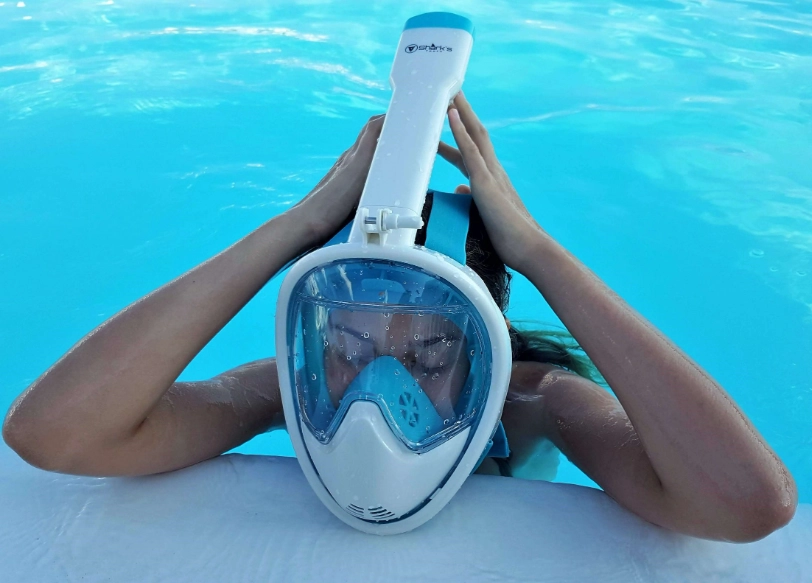
Who should NOT use one: Children under a certain age (check the manufacturer, but I'd say under 10-12 without extreme supervision), people with respiratory issues (asthma, COPD), individuals prone to anxiety or claustrophobia, and anyone who hasn't first mastered basic swimming and snorkeling with traditional gear.
Fit is everything. It's not like a regular mask where a little leak is okay. The seal around your entire face must be perfect. No beard, no mustache in the sealing area. Do the suck test: put the mask on without the strap, inhale gently through your nose, and let go. It should stay suctioned to your face for a few seconds. If it falls immediately, the fit is wrong.
Start in a pool or absolutely calm, shallow water. Get used to the feeling. Practice floating face down and breathing slowly. Deliberately let a little water in and practice tilting your head back to purge it through the chin valve. This builds muscle memory.
Listen to your body. This is the most human, non-technical advice I can give. The first sign of a headache, unusual tiredness, dizziness, or even just a feeling of "stuffiness"—get out. Take the mask off. Breathe fresh air. Don't push through it. Your first snorkel with a new full face mask should be short, maybe 30 minutes max, as a test run.
How to Buy a Safer Full Face Snorkel Mask
Avoid no-name brands on generic e-commerce sites. Stick to established snorkeling or diving gear companies that subject their products to testing. Look for mentions of independent testing or compliance with standards (though a universal snorkel mask standard is still evolving).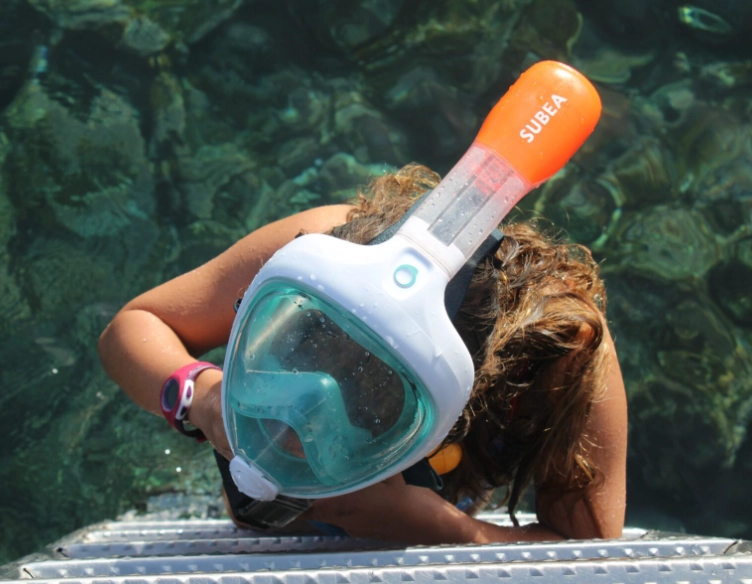
| Brand (Example) | Key Safety Feature to Look For | Consideration |
|---|---|---|
| HEAD / Seaview | Prominent "360° separation" of airflow channels. Often cited as having addressed CO2 concerns with a redesigned valve system. | One of the most popular and widely reviewed. Later models (V2, V3) are the ones with updated safety features. |
| Tribord / Easybreath | Decathlon's brand. Heavily marketed, with claims of a patented dry-top system and separate inhalation/exhalation paths. | Extremely common and affordable. Read recent reviews to see if users report any fogging or breathing resistance. |
| Ocean Reef | Makes the "Aria" model. Comes from a professional diving communications company, so engineering is a focus. | Higher price point. Often includes a built-in GoPro mount, which can be a distraction for beginners. |
Read recent reviews, but be critical. Look for reviews that mention using the mask for longer periods (45+ minutes) and in varied conditions. A review that says "worked great for 10 minutes in my pool" is not helpful for safety assessment.
My personal stance? After my sketchy experience, I only use my full face mask on very calm, easy snorkels where I plan to mostly float. For anything involving swimming distance, currents, or wanting to dive down, I revert to my trusted, simple traditional mask and separate dry snorkel. The full face is a tool for specific, relaxed conditions, not a universal upgrade.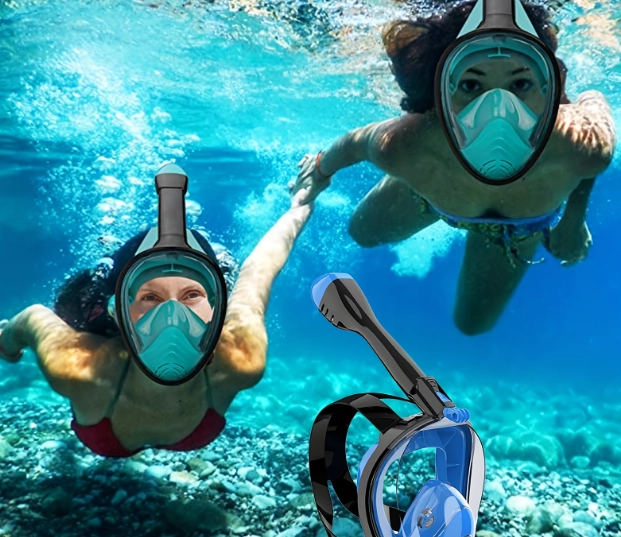
Your Full Face Snorkel Mask Safety Questions Answered
The bottom line is this: safety isn't a feature you buy; it's a practice you follow. A full face snorkel mask can be a fun, comfortable way to see the underwater world from the surface. But you must choose a reputable model, ensure a perfect fit, use it only in appropriate conditions, and—most importantly—stay acutely aware of your own body's signals. When in doubt, go back to the basics. The ocean doesn't care about how cool your gear looks.
Reader Comments