If you've ever found yourself kicking hard just to turn around a coral head or struggling to keep up with a sea turtle, you know maneuverability in snorkeling isn't just a luxury—it's everything. I remember a trip to Hawaii where I borrowed a friend's long, stiff fins, thinking they'd give me power. Instead, I felt like a clumsy robot, barely avoiding coral and exhausting myself in minutes. That's when I realized: the right snorkeling fins for maneuverability can make or break your experience. Let's cut through the noise and get straight to what matters.
What You'll Find in This Guide
Why Maneuverability Matters More Than You Think
Maneuverability isn't about speed; it's about precision. In snorkeling, you're often in shallow water, navigating tight spaces between rocks or coral reefs. A fin that lets you pivot quickly means you can follow fish without disturbing them, avoid obstacles safely, and conserve energy. According to PADI, the Professional Association of Diving Instructors, proper finning technique is crucial for buoyancy control, but they often gloss over how fin design directly impacts that. From my own mishaps, I've learned that a fin too long or rigid turns a relaxing snorkel into a workout.
Think about it. You're floating over a vibrant reef, and a school of angelfish darts into a crevice. With high-maneuverability fins, you can gently twist and glide after them. Without, you might overshoot or kick up sediment, ruining the view for everyone. It's the difference between being a guest in the underwater world and a bull in a china shop.
Fin Types That Actually Boost Your Control
Not all fins are created equal. Over the years, I've tested dozens, and here's the breakdown that most guides miss.
Full-Foot Fins vs. Open-Heel Fins: Which Is Better for Quick Turns?
Full-foot fins slip on like shoes—great for warm water and simplicity. But they can limit ankle movement, reducing your ability to make subtle adjustments. Open-heel fins with adjustable straps offer a more customizable fit, allowing better foot articulation for sharp turns. I prefer open-heel for most situations because they let me wear neoprene socks in cooler water, adding comfort without sacrificing control.
Split Fins: Efficiency Over Power
Split fins have a divided blade that reduces drag, mimicking a fish's tail. They're fantastic for effortless kicking and fine maneuvers in calm conditions. However, in strong currents, they might lack the thrust you need. I used split fins in Bora Bora's lagoons, and they felt like cheating—so easy to maneuver. But in Costa Rica's rougher waters, I switched to something sturdier.
Paddle Fins: The Reliable Workhorse
Paddle fins have a solid blade, offering more power for fighting currents. They're less efficient than split fins but provide better control in challenging environments. The key is flexibility: a softer paddle fin enhances maneuverability by allowing a more fluid kick. Many beginners opt for stiff ones, thinking power is king, but that's a mistake. A medium-flex paddle fin gives you the best of both worlds.
Here's a quick comparison I wish I had before buying my first pair. It's based on personal testing and feedback from fellow snorkelers.
| Fin Type | Best For Maneuverability In | Common Pitfall | My Rating (1-5) |
|---|---|---|---|
| Split Fins | Calm waters, reef exploration | Weak in currents | 4 |
| Paddle Fins (Soft Flex) | All-around use, currents | Can cause fatigue if too stiff | 5 |
| Full-Foot Fins | Warm, shallow spots | Limited ankle movement | 3 |
| Open-Heel Fins | Variable conditions, cold water | Straps can chafe if not adjusted | 4.5 |
How to Choose Fins for Your Snorkeling Style
This isn't about buying the most expensive pair. It's about matching fins to your habits. Ask yourself: Do I snorkel in tropical reefs or rocky coasts? Am I a casual floater or an avid explorer?
Start with blade length. Shorter blades (under 20 inches) improve maneuverability by reducing resistance—perfect for tight spaces. Longer blades offer more thrust but can be cumbersome. I made the error of going too long once, and in a crowded snorkel spot in Thailand, I kept bumping into people. Embarrassing.
Material matters too. Polymer fins are affordable and durable, while carbon fiber is lightweight and responsive but pricey. For most, composite materials strike a good balance. Don't fall for gimmicks like extra vents or ridges; focus on flexibility and fit. A fin that bends easily at the tip allows a more natural kick, enhancing control.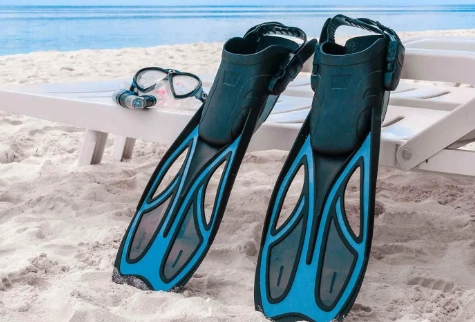
Fit is everything. Try fins with the socks you'll wear. Your heel should not slip, and toes shouldn't curl. A snug foot pocket transfers energy efficiently, making maneuvers crisp. I learned this the hard way after getting blisters from loose fins that required constant adjustment.
Mistakes Even Experienced Snorkelers Make
We all think we know better until we don't. Here are some blunders I've seen—and committed.
Overkicking. It's tempting to thrash about for control, but that wastes energy and disturbs marine life. Instead, use slow, deliberate flutter kicks. Your fins should do the work, not your legs.
Ignoring water conditions. Using split fins in choppy water is like bringing a knife to a gunfight. Assess the environment first. In murky water with poor visibility, maneuverability becomes critical for safety, so opt for fins that allow quick directional changes.
Neglecting maintenance. Sand and salt can degrade fin straps and blades, reducing performance. Rinse fins after each use, and store them flat to prevent warping. I once left fins in a hot car, and they warped, ruining their responsiveness.
Copying others. Just because your friend swears by a certain brand doesn't mean it'll work for you. Foot shape and kicking style vary. Test different models if possible, or read detailed reviews from sources like Scuba Diving magazine's gear tests.
Pro Tips for Smooth Sailing Underwater
From years of trial and error, here's what actually works.
Practice finning techniques on land first. Try ankle circles and gentle kicks to get a feel for flexibility. When in water, use a modified frog kick for tight turns—it minimizes silt disturbance and boosts control. I practiced in a pool before a big trip, and it made a huge difference.
Combine fins with proper body position. Keep your body horizontal and relaxed. Tense muscles hinder maneuverability. Imagine you're a leaf floating, not a motorboat.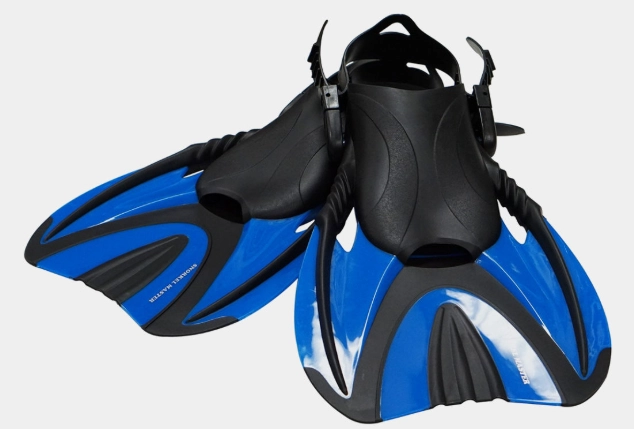
Upgrade incrementally. If you're new, start with budget-friendly fins and upgrade as you identify your needs. My first pair cost $30 and taught me what I disliked, so my next $100 investment was spot-on.
Listen to your body. If your calves ache after snorkeling, your fins might be too stiff or long. Adjust or switch. Comfort directly impacts control.
Answers to Your Burning Questions
Can I use scuba diving fins for snorkeling if I prioritize maneuverability around coral reefs?
It's a common misconception. Scuba fins are often longer and stiffer, designed for power in deep water, which can make them cumbersome in shallow snorkeling spots. For reef exploration, shorter, more flexible fins like split fins or paddle fins with soft blades offer better quick turns and reduce the risk of damaging coral. I've seen snorkelers struggle with heavy scuba fins, leading to fatigue and less enjoyment.
How do I adjust fin straps to prevent blisters without sacrificing control in currents?
Start by ensuring the foot pocket fits snugly but not tight—you should wiggle your toes. For open-heel fins, adjust the strap so it sits just above your ankle bone, not digging in. Use neoprene socks if needed; they add comfort and prevent chafing. Many people overtighten for fear of losing fins, but that causes blisters. A proper fit allows natural foot movement, enhancing maneuverability in currents without discomfort.
Are carbon fiber fins worth the investment for casual snorkelers focused on maneuverability?
Only if you snorkel frequently in challenging conditions. Carbon fiber fins are lightweight and responsive, offering excellent control, but they're pricey and can be brittle against rocks. For most casual snorkelers, high-quality polymer or composite fins provide sufficient maneuverability at a lower cost. I've tested both, and unless you're navigating strong currents daily, the marginal gain in control may not justify the expense.
What's one subtle mistake beginners make when choosing fins for maneuverability?
They focus solely on blade length, ignoring flexibility. A short, stiff fin can be just as hard to maneuver as a long one. Flexibility allows the blade to bend with your kick, providing a smoother power transfer. Look for fins that flex easily at the tip—test by bending them in the store. I missed this early on and ended up with fins that felt like paddles, not extensions of my feet.
Ultimately, snorkeling fins for maneuverability are about personalizing your gear. Don't get bogged down by specs. Think about where you'll use them, how they feel on your feet, and what lets you move with grace underwater. Start with the basics, avoid the common pitfalls, and soon you'll be gliding through the water like it's second nature. Happy snorkeling!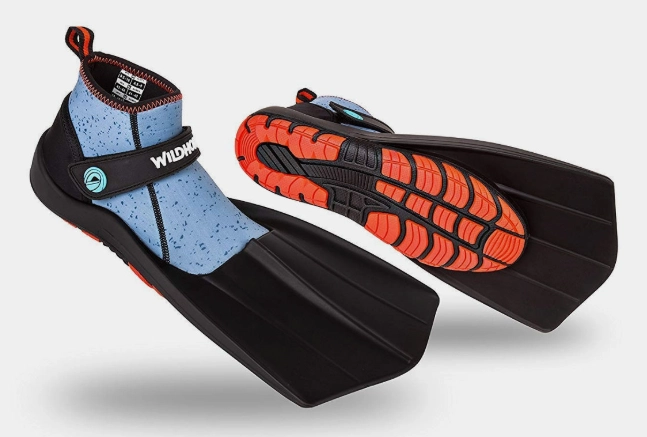
Reader Comments