Quick Navigation
- The Case for Morning Snorkeling: Chasing the Liquid Crystal
- The Case for Afternoon Snorkeling: Embracing the Warm Glow
- Head-to-Head: The Snorkeling Time Comparison Table
- The Wild Cards: Weather, Location, and You
- Safety Considerations: Don't Ignore These
- Answers to Your Burning Snorkeling Time Questions
- The Final Decision: How to Choose for YOUR Day
So you're planning a snorkeling trip. You've got your gear, picked a gorgeous spot, and then it hits you – should you go in the morning or afternoon? It's a classic travel dilemma that doesn't have a single, simple answer. Is it better to go snorkeling in the morning or afternoon? Honestly, it depends on what you're hoping to get out of the experience.
I've messed this up before. I once showed up at a famous reef in the early afternoon, eager to jump in, only to find the water a bit stirred up and the best fish seemingly on a lunch break. Another time, I forced myself out of bed for a 7 AM boat trip, grumpy and cold, and was rewarded with water so clear it felt like flying and a bustling aquatic city I had almost to myself. The difference was staggering.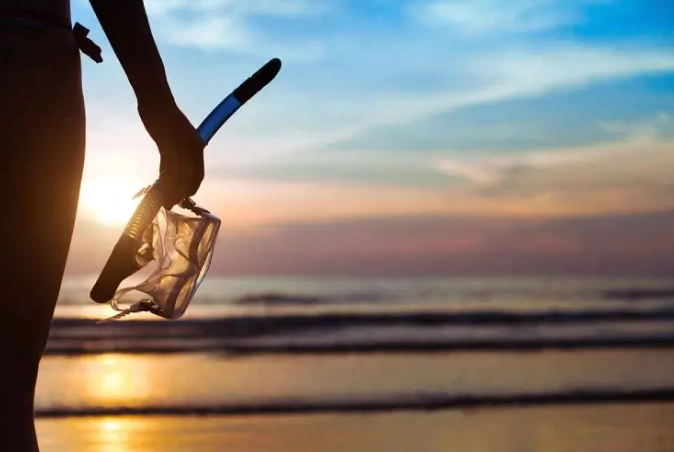
This isn't just about personal preference. The time of day you choose shapes everything: how far you can see, what creatures you'll meet, how many people you'll share the water with, and even how safe you'll be. Let's break it down, factor by factor, so you can make the choice that's perfect for your day.
The Core Question: There's no universal "best" time. The winner in the debate of "is it better to go snorkeling in the morning or afternoon" is determined by your personal priorities. Are you after crystal-clear visibility and active fish? Or do you prefer warmer water, fewer crowds later on, and a more relaxed schedule?
The Case for Morning Snorkeling: Chasing the Liquid Crystal
Picture this. The wind has been calm all night. The sun is just climbing, its light slicing deep into the water. This is the prime time for one thing above all else: visibility.
Water Clarity is Usually King
Mornings generally offer the clearest water you'll get all day. Overnight, wind and surface activity typically die down, allowing any sediment or particles to settle. The water column stabilizes. You get that legendary "gin-clear" visibility that makes you feel like you're floating in air. For photography or just pure awe, this is hard to beat.
As the day progresses, especially in popular spots, boat traffic, stronger winds, and even snorkelers themselves can kick up sand and silt from the bottom. I've seen afternoon visibility drop by half compared to the morning at the same site. If seeing distant coral heads and fish is your top goal, morning has a massive edge.
Marine Life is on the Move
Many reef fish are diurnal, meaning they're active during the day. For a lot of species, morning is feeding time. The reef is bustling. Parrotfish are chomping on coral, schools of grunts and snappers are more tightly grouped, and predators might be taking advantage of the breakfast rush. The activity level feels high and purposeful.
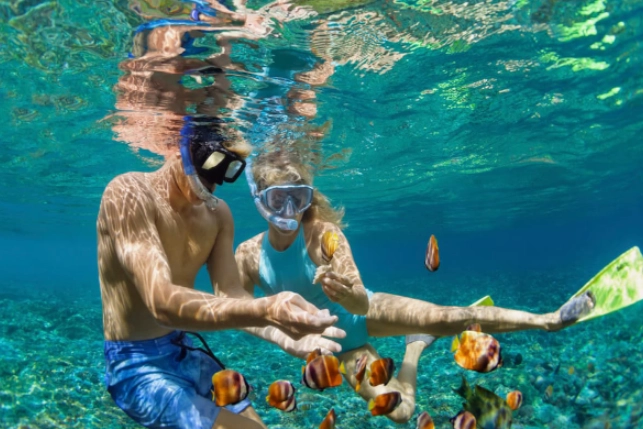
This is also a great time to see certain behaviors. You might spot cleaning stations in full operation, with small wrasses and shrimp servicing larger fish. The morning light, coming in at a lower angle, also penetrates the water beautifully and reduces surface glare, making colors appear more vibrant and saturated. Your photos will thank you.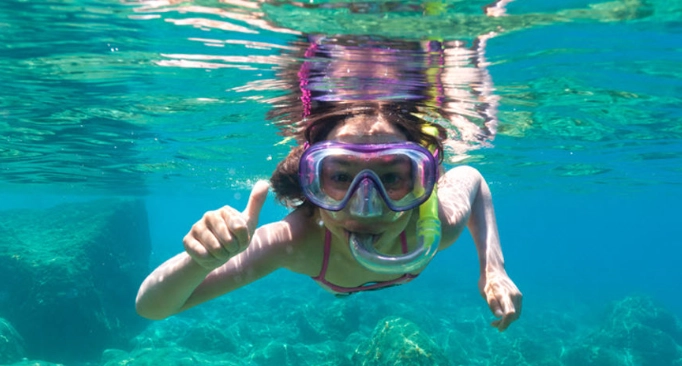
Morning Snorkeling: The Quick Verdict
Pros:
- Superior Visibility: Calm seas and settled sediment mean clearer water.
- Active Marine Life: Many fish are feeding and starting their day.
- Fewer Crowds: Beat the tour buses and cruise ship excursions.
- Cooler Temperatures: More comfortable out of the water, especially in tropical heat.
- Calmer Winds: Sea conditions are often smoother.
Cons:
- You Have to Wake Up Early: This is a real hurdle for some.
- Colder Water: The sun hasn't had time to warm the surface layer.
- Possible Sleepy Creatures: Some nocturnal animals (like lobsters, big moray eels) are already tucked away.
But what if you're not a morning person? Or your tour schedule only has afternoon slots? Let's not write off the afternoon just yet.
The Case for Afternoon Snorkeling: Embracing the Warm Glow
Afternoon snorkeling gets a bad rap sometimes, but it has its own unique charm and advantages. It's a different vibe entirely – more relaxed, warmer, and sometimes full of surprises the morning crowd misses.
Warmer Water, Warmer You
This is the most tangible benefit. By afternoon, the sun has been beating down on the surface for hours. The top few feet of water are noticeably warmer. If you get cold easily, or are snorkeling with kids who complain about chilly water, this can be a game-changer for comfort and how long you can stay in. That shivery feeling when you first get in? Much less likely.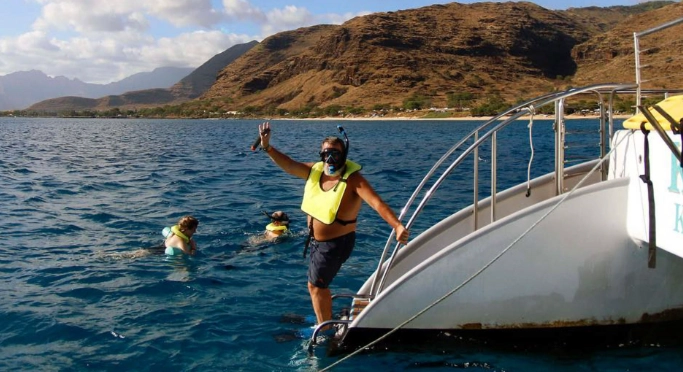
The Crowd Thins Out
Here's a little secret. The big rush for most snorkel boats and beach access is between 9 AM and 1 PM. By mid-to-late afternoon, a lot of those folks have headed back, sun-tired and hungry. You might find a popular cove suddenly has half the people in it. More space, less accidental fin-kicking, and a quieter atmosphere. If solitude is part of your ideal ocean experience, a later snorkel can deliver.
I once wandered onto a popular Caribbean beach around 3:30 PM. The rental shack was closing, the families were packing up, and I had a whole section of reef practically to myself for an hour. It was magical in a completely different way than the morning hustle.
Different Animal Encounters
While morning has the feeding frenzy, the afternoon can bring out different characters. This is a prime time to spot larger marine life like sea turtles coming up to breathe or resting on the bottom. Rays might be more active later in the day. In some locations, the afternoon light can create stunning visual effects, with sunbeams streaming down through the water.
Also, consider the tides. In many places, tidal flow is a bigger factor than time of day. An afternoon incoming tide might bring in plankton-rich water, attracting filter feeders and the fish that eat them. It's worth checking a local tide chart (sites like NOAA Tides & Currents for the US are authoritative) alongside the clock.
Afternoon Snorkeling: The Quick Verdict
Pros:
- Warmer Water: Much more comfortable, especially for longer sessions.
- Fewer Crowds: The midday masses have often departed.
- Relaxed Schedule: No pre-dawn alarms. Sleep in, have a nice breakfast.
- Potential for Unique Sightings: Turtles, rays, and different fish behaviors.
- Sun Position: Can provide beautiful lighting on certain reef faces.
Cons:
- Reduced Visibility: Wind, boat traffic, and kicked-up sediment can cloud the water.
- Possible Rough Seas: Winds often pick up in the afternoon.
- Higher Crowds (Early Afternoon): You might hit the tail end of the lunch rush.
- Stronger Sun: Higher risk of sunburn, even through your rash guard.
Head-to-Head: The Snorkeling Time Comparison Table
Let's put the key factors side-by-side. This table should help you weigh what matters most to you when deciding if it's better to go snorkeling in the morning or afternoon.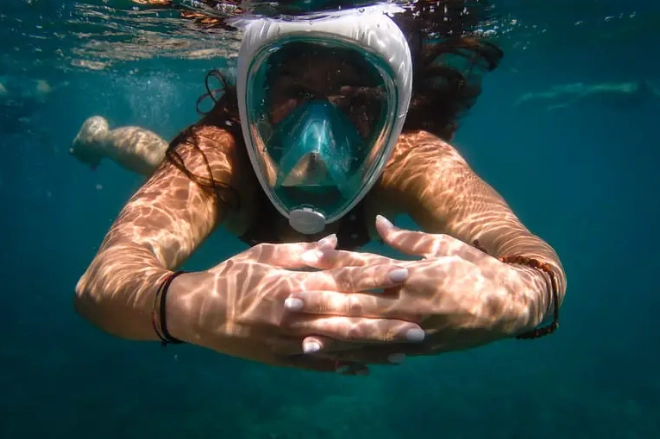
| Factor | Morning Snorkeling | Afternoon Snorkeling | Winner For... |
|---|---|---|---|
| Water Visibility | Typically excellent. Calm conditions and settled sediment. | Can be good but often decreases due to wind/activity. | Morning (for clarity purists) |
| Water Temperature | Cooler, especially at the surface. | Noticeably warmer from sun heating. | Afternoon (for cold-sensitive snorkelers) |
| Marine Life Activity | High. Many fish feeding, reef is "waking up." | Different. Good for turtles, rays; some fish less active. | Morning (for bustling fish action) |
| Crowd Levels | Lower early, building towards late morning. | High around noon-1 PM, thinning significantly later. | Tie (Early AM or Late PM win) |
| Sea Conditions | Generally calmer, less wind chop. | Winds often pick up, creating more surface chop. | Morning (for calm seas) |
| Sun & Heat | Gentler sun, cooler air temps. | Intense sun overhead, higher risk of sunburn. | Morning (for comfort/safety) |
| Scheduling | Requires early wake-up. | Fits a more relaxed vacation rhythm. | Afternoon (for non-morning people) |
See? It's not one-size-fits-all.
The Wild Cards: Weather, Location, and You
Beyond the basic morning vs afternoon debate, other variables get a vote.
Weather is the Ultimate Decider
A calm, overcast afternoon will beat a windy, stormy morning every time. Always, always check the local marine forecast. Websites like Windy.com are fantastic for visualizing wind speed and wave height. An afternoon with 5 mph winds is better than a morning with 15 mph winds, full stop. The question "is it better to go snorkeling in the morning or afternoon" becomes irrelevant if a squall is rolling through at either time.
Location, Location, Location
Where you are snorkeling changes everything.
- East Coast vs. West Coast: A reef on the east side of an island gets the morning sun, which can light it up brilliantly. An afternoon snorkel there might put the reef in shadow. The opposite is true for west-facing sites.
- Protected Cove vs. Open Ocean: A sheltered bay might have good visibility all day because it's protected from wind-driven waves. An open ocean site will show much more degradation in the afternoon if the wind picks up.
- Tourist Hub vs. Remote Spot: Crowd dynamics are exaggerated in places like Hawaii, the Caribbean, or the Great Barrier Reef. In a remote location, you might have pristine conditions whenever you go.
Know Thyself
Be honest. Are you functional and happy at 7 AM, or does your vacation persona not appear until after coffee and a slow start? If you're dragging yourself out of bed, you won't enjoy the water no matter how clear it is. Similarly, if you have young kids, their tolerance for early mornings or afternoon heat will dictate your schedule.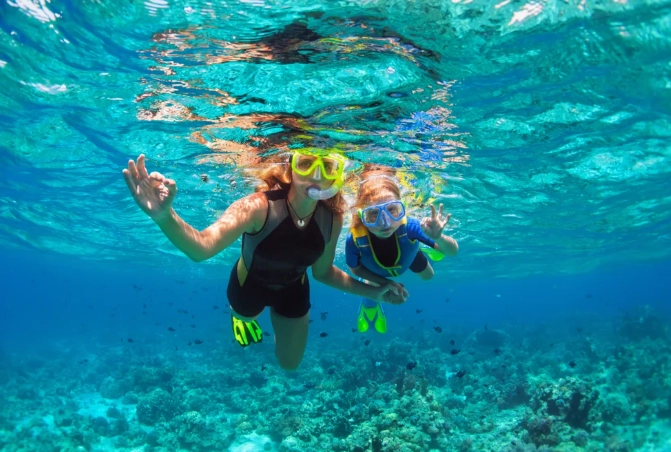
Safety Considerations: Don't Ignore These
Time of day isn't just about fun, it's about safety.
Morning Advantage: Calmer seas generally mean safer conditions, especially for beginners or weaker swimmers. You're also less likely to get caught in a sudden afternoon thunderstorm that can pop up in the tropics.
Afternoon Caution: The stronger sun is a real threat. Sunburn through your rash guard or on the backs of your legs is common. Dehydration happens faster. Always, always reapply a reef-safe sunscreen before going out, and drink plenty of water. Also, if the wind has picked up, currents can become stronger and exiting the water back onto a boat or beach can be more challenging.
Never let the quest for the "perfect" time override common sense safety.
Answers to Your Burning Snorkeling Time Questions
Let's tackle some specific things people wonder when they're searching for info on this topic.
The Final Decision: How to Choose for YOUR Day
So, after all this, what's the answer? Is it better to go snorkeling in the morning or afternoon?
Here's my practical, no-nonsense checklist. Ask yourself these questions in order:
- What's the weather and marine forecast? (This trumps everything. Choose the calmest window.)
- What are the tide times for my specific location? (Aim for a high or incoming tide if possible.)
- What is my #1 priority?
- Choose MORNING if you answered: Crystal-clear visibility, seeing lots of active fish, having the calmest water, avoiding the strongest sun.
- Choose AFTERNOON if you answered: Warmer water, a more relaxed start, avoiding crowds (by going later), or your schedule simply demands it.
- What does my body/group prefer? (Don't fight your nature. A happy snorkeler is a safe snorkeler.)
If you're on a longer trip, why not try both? Do a morning session at a famous, pristine reef where visibility is paramount. Then do a late afternoon session at a sheltered, shallow bay where warmth and relaxation are the goals.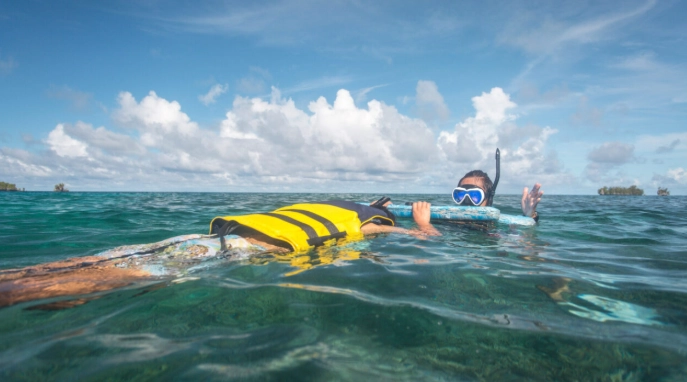
The Bottom Line: The best time to go snorkeling is the time that aligns with good conditions and what you value most. Morning offers technically superior conditions for visibility and activity. Afternoon offers tangible comforts and its own unique rewards. Neither is "wrong." Armed with this info, you can now move beyond the simple question of "is it better to go snorkeling in the morning or afternoon" and make an informed choice that will lead to your best possible day on and in the water.
Now go check the forecast, look up the tides, and get ready to get wet. The reef is waiting, whether it's bathed in morning gold or afternoon amber.
Reader Comments