Quick Navigation
Let's be real. When you picture snorkeling in Jamaica, your mind probably goes straight to those impossibly clear, turquoise waters and vibrant coral reefs you've seen on postcards. And you know what? Negril is one of those rare places where the reality can actually live up to the hype—if you know where to go and what to do.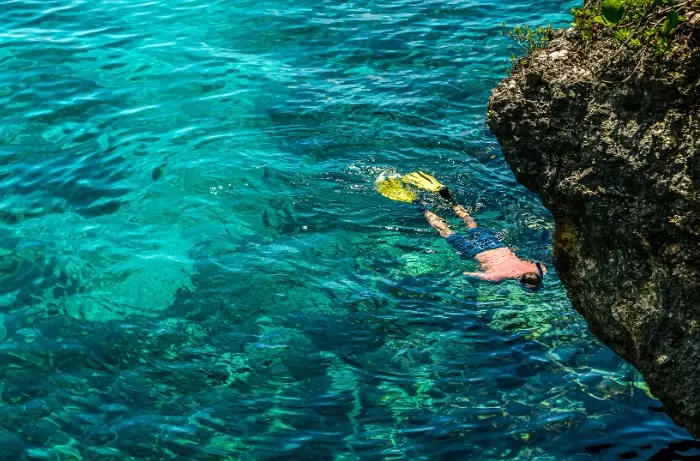
I've spent a lot of time in the water around Negril, both on guided tours and just swimming out from the beach on my own. Some spots blew me away. Others? Honestly, they were a bit overrated or crowded. The key to an amazing experience isn't just showing up with a mask; it's about picking the right spot for your skill level and knowing the little tricks that make all the difference.
Why Snorkeling in Negril is a Must-Do
Negril's coastline is a bit of a geographic cheat code for snorkelers. On one side, you have the famous Seven Mile Beach—mostly calm, shallow, and sandy. But the real magic happens on the western tip and just offshore, where limestone cliffs meet the sea and create a thriving underwater world. The water is warm year-round, visibility is often excellent (think 60-100 feet on a good day), and the marine life is both colorful and relatively accustomed to polite visitors.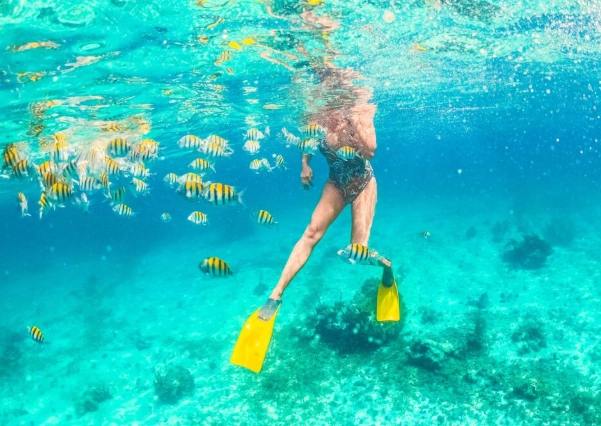
It's also incredibly accessible. You don't need to be an expert diver. In many places, you can simply walk in from the beach. This makes snorkeling in Jamaica Negril a perfect activity for families, couples, or solo travelers looking for an easy adventure.
The Top Snorkeling Spots in Negril: From Beach to Boat
Not all spots are created equal. Here’s a breakdown of the best places for snorkeling in Negril, based on what you're looking for.
The Classic: Seven Mile Beach (The South End)
Most people think Seven Mile Beach is just for sunbathing. And for a large part of it, they're right. But down towards the southern end, near the cliffs, the seabed starts to get more interesting. You'll find patches of sea grass, small coral heads, and a surprising amount of fish. I've seen parrotfish, sergeant majors, and even the occasional stingray gliding over the sand here.
It's not the most spectacular reef, but it's the ultimate in convenience. Just step out of your hotel, walk into the water, and you're snorkeling. Perfect for a quick morning dip or if you're nervous about deeper water. The bottom line? Don't expect a National Geographic scene, but do expect a pleasant, easy introduction to the underwater world.
The Famous One: The Negril Marine Park & Lighthouse Reef
This is the big one. Located off the tip of the Negril Lighthouse, this area is a protected marine park. You'll need a boat to get here—almost every snorkeling tour in Negril includes it. The reef system here is healthier and more complex than what you find right off the beach.
You'll swim over brain coral, elkhorn coral, and huge barrel sponges. The fish life is denser: schools of blue tang, trumpetfish, angelfish, and if you're lucky, a turtle or a friendly nurse shark resting on the bottom (they're harmless, I promise). The depth ranges from about 5 to 25 feet, so it's great for most snorkelers.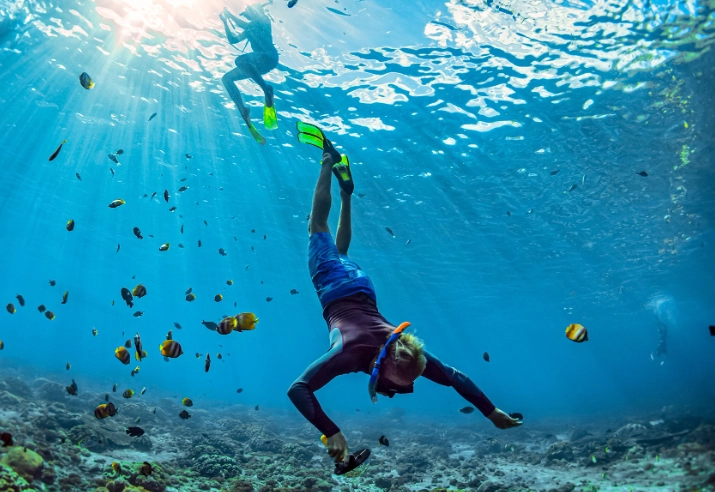
But here's the thing. Because it's on every tour operator's list, it can get busy. Try to go on a morning tour to beat the crowds and when the water is usually calmest.
The Local Favorite: Booby Cay
This small island just off the coast of Negril is a popular spot for day trips that combine beach time, a lobster lunch, and snorkeling. The snorkeling around the cay is generally very good. The water is clear, and the reefs are lively. It feels more like a remote island escape than the main reef, even though it's just a short boat ride away.
My experience here was fantastic. The guides knew exactly where to take us to see a huge school of silversides and some really impressive coral formations. Just be aware that the quality of the snorkel stop can depend heavily on your boat captain and the specific spot they choose around the island.
The Adventurous Option: The West End Cliffs
This is for confident swimmers. Along Negril's famous cliffs, there are places where you can enter the water from rocky platforms or ladders at cliffside resorts. The depth here is immediate, often 15-20 feet right off the bat. This attracts larger fish and different species. I've done this a few times staying at places with water access, and it's a unique experience—jumping off the cliff and straight into a blue abyss full of life.
A major bonus? You're often snorkeling just a few feet away from amazing cliff-jumping spots. The downside is it's not as easily accessible unless you're a guest or paying for day access at a resort.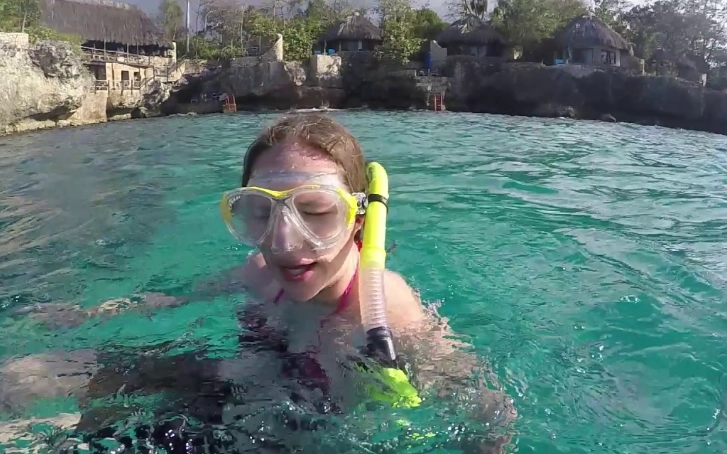
| Spot | Best For | Highlights | Considerations | How to Access |
|---|---|---|---|---|
| Seven Mile Beach (South End) | Beginners, families, quick & easy access | Convenience, calm water, stingrays, easy fish spotting | Not a major reef system, can be sandy/silty | Walk in from the beach |
| Negril Marine Park (Lighthouse Reef) | Most snorkelers, seeing a healthy reef | Protected area, diverse coral, high chance of turtles & nurse sharks | Can be crowded, requires a boat/guide | Book a snorkel tour or private boat |
| Booby Cay | A combo beach/snorkel/day trip experience | Island vibe, clear water, good fish populations | Snorkel spot quality varies, part of a social trip | Day trip boat from Negril beach |
| West End Cliffs | Confident swimmers, adventure seekers | Deep water, larger marine life, unique cliffside entry | Stronger currents possible, limited public access | Cliffside resort guest or day pass |
Your Practical Snorkeling in Negril Guide: Before You Get Wet
Okay, so you know where to go. Now let's talk about the nitty-gritty that makes your trip smooth, safe, and awesome.
Gear: To Bring or To Rent?
This is a common question. If you're serious about snorkeling and do it often, bringing your own well-fitting mask and snorkel is a game-changer. A leaky, foggy rental mask can ruin the experience. I always pack my own. Snorkels are cheap, and a dry-top snorkel (which prevents water from entering when you dive down) is worth every penny.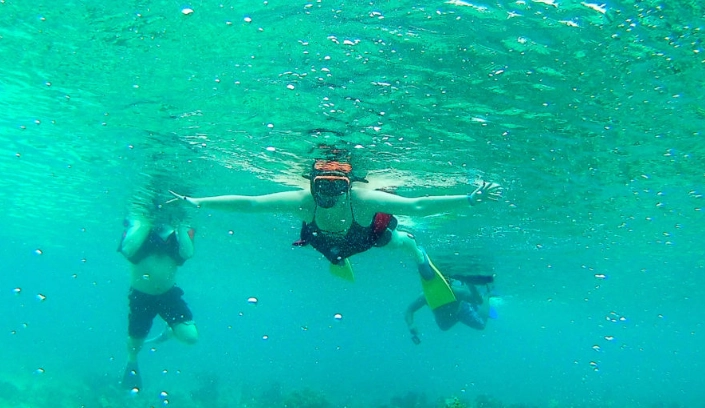
Fins are more cumbersome to pack. Most tour operators provide adequate fins. If you have room, bring them. If not, renting is perfectly fine. Just make sure they fit snugly but don't pinch your heels or toes.
Tours vs. DIY Snorkeling in Jamaica Negril
Should you book a tour or go it alone? It depends.
Book a tour if: You want to visit the offshore reefs (like the Marine Park), you're not a strong swimmer, you want a guide to point out marine life, or you just prefer the convenience and safety of being with a group. Reputable operators like those listed by the Jamaica Tourist Board know the best spots for the conditions on that day.
Go DIY if: You're happy exploring the inshore areas (like Seven Mile Beach), you're a confident swimmer, and you prefer to set your own pace. You can rent gear from many beach shacks for the day.
I've done both. Tours are great for the first time or for hitting the prime reefs. DIY is fantastic for freedom and spontaneous dips.
Safety & Etiquette: The Non-Negotiables
This is crucial, both for you and for the reef.
- Never Touch Anything. Not the coral (it's alive and fragile, and you'll kill it), not the sea urchins, not the fish. Look with your eyes, not your hands. This is the golden rule of snorkeling in Jamaica Negril and anywhere else.
- Be Sun Smart. The sun reflecting off the water is intense. Wear a rash guard or a reef-safe sunscreen (mineral-based, without oxybenzone and octinoxate, which harm coral). Apply it at least 30 minutes before getting in the water. I learned this the hard way with a nasty back sunburn.
- Check Conditions. If the sea looks rough or the wind is up, think twice. Ask locals or lifeguards. Currents can be stronger than they appear.
- Hydrate. Snorkeling is exercise! Drink plenty of water, especially in the Jamaican heat.
Answering Your Big Questions About Snorkeling in Negril
Let's tackle the common stuff people really want to know.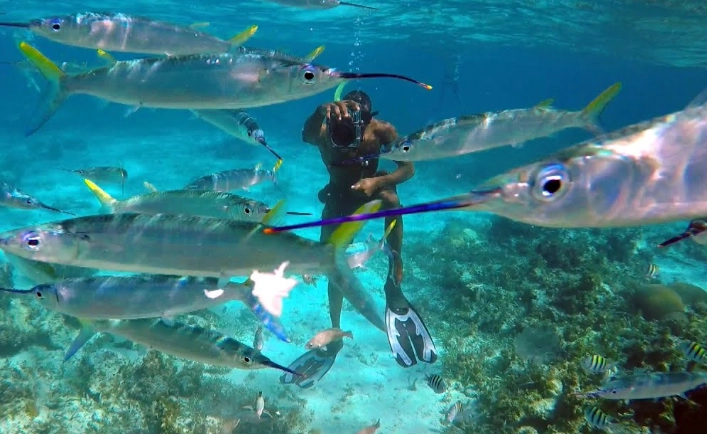
Pulling It All Together: Planning Your Day
So, what does a perfect day of snorkeling in Jamaica Negril look like? Here's a sample plan based on my own favorite kind of day.
- Morning (8:30 AM): Book a morning snorkel tour. The water is calm, the light is great for seeing colors, and you beat the crowds. A good tour will pick you up from your hotel's beach or a nearby dock.
- Late Morning (11:30 AM): After the tour, you're back on land. Rinse off with fresh water, reapply sunscreen, and grab a late breakfast or early lunch. Jerk chicken from a local spot? Yes, please.
- Afternoon (2:00 PM): This is DIY time. With your own gear or rented gear, take a leisurely snorkel from your stretch of Seven Mile Beach. Explore the sandy patches and sea grass. It's relaxing and a different vibe from the morning reef adventure.
- Evening: Brag about the turtle you saw over a rum punch. You've earned it.
The beauty of Negril is that you can mix and match. You can have a full-on snorkel-focused day, or you can just make it a delightful part of a lazy beach day. The option is there.
Final Thoughts
Snorkeling in Jamaica Negril can be as simple or as adventurous as you want it to be. The key is managing expectations. You're not diving the Great Barrier Reef, but you are accessing a beautiful, warm, and lively Caribbean ecosystem with remarkable ease. Do a little planning, respect the ocean, and you're in for an unforgettable experience. Whether you're floating over a brain coral in the Marine Park or watching a school of tiny fish dart around your feet on Seven Mile Beach, that connection with the underwater world is what you'll remember long after your tan fades.
Now go get your fins wet.
Reader Comments