You're floating over a coral reef, the sun filtering through the water, and a sea turtle glides by. You reach for your camera, but the footage comes out shaky, blurry, or worse—the gear fails. I've been there. After a decade of filming underwater while snorkeling, I've learned that the right snorkeling gear for underwater videography isn't just about having a fancy camera. It's a system where every piece, from the mask to the fins, works together to capture those magical moments. Let's cut through the noise and get into what actually works.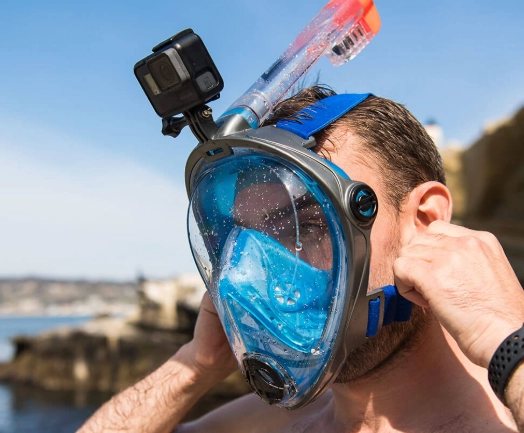
Jump to What Matters
Why Your Snorkeling Gear Matters for Videography
Think of snorkeling videography as a dance. If your mask leaks or your fins drag, you're stumbling instead of gliding. The gear directly impacts your stability, comfort, and ultimately, the quality of your footage. I once tried filming with a cheap mask that fogged up every five minutes—I missed a whole school of fish because I was too busy clearing it. Comfort isn't a luxury; it's a necessity for keeping the camera steady.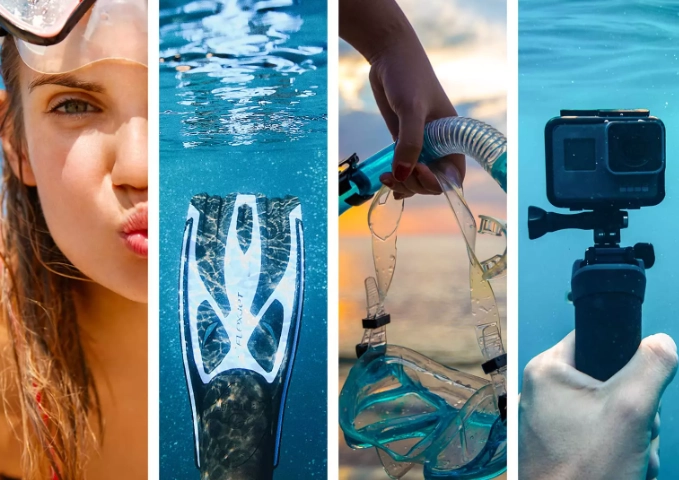
Buoyancy is another silent killer. Most snorkelers don't realize that being too light or too heavy affects how you hold the camera. If you're bobbing around, your shots will look like a shaky cam horror film. The Professional Association of Diving Instructors (PADI) emphasizes buoyancy control for all underwater activities, but it's often ignored in snorkeling contexts. Get this right, and your videos transform from amateur to pro.
Essential Snorkeling Gear for Underwater Videography
Let's break down the kit piece by piece. This isn't a generic list; it's based on what I've tested in places like the Great Barrier Reef and Caribbean waters.
The Snorkel Mask: More Than Just Clear Vision
A good mask is your window to the underwater world. For videography, you need a low-volume design—it sits closer to your face, reducing drag and making it easier to maneuver the camera. Brands like Cressi or Aqua Lung offer models with tempered glass lenses that resist scratching. Avoid masks with built-in cameras; they're gimmicky and often produce poor quality. Instead, focus on a snug fit. Pro tip: Suck in gently through your nose when trying it on—if it stays put without the strap, you've got a winner.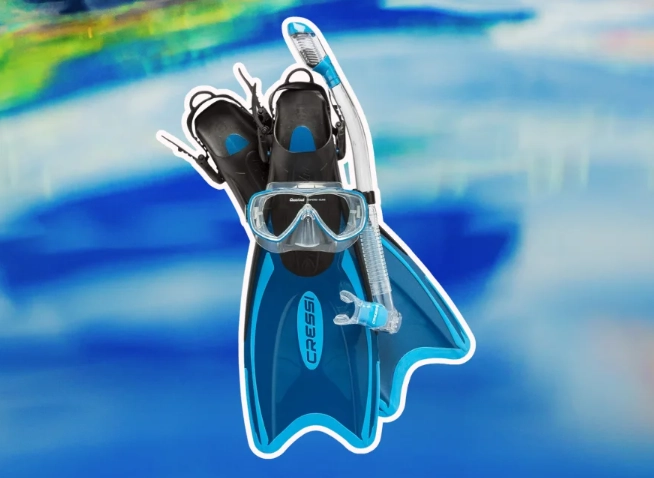
Choosing the Right Fins for Stability
Fins aren't just for propulsion; they're your anchor. Longer fins provide more thrust but can be cumbersome for precise movements. I prefer medium-length fins with adjustable straps—they let me hover in place while filming without kicking up sand. Split fins are popular, but for videography, paddle fins offer better control in currents. I learned this filming in Maui where currents shifted suddenly; paddle fins kept me stable while my friend with split fins drifted away.
Cameras and Housings: From Action Cams to DSLRs
This is where most people obsess, but it's simpler than you think. You don't need the most expensive gear. For beginners, an action camera like the GoPro HERO series with a waterproof housing is perfect. It's compact, shoots in 4K, and handles dynamic range well. For advanced users, a mirrorless camera in a dedicated housing from brands like Ikelite or Nauticam offers superior quality. I've used both; the action cam wins for ease, but the mirrorless setup captures richer colors in low light.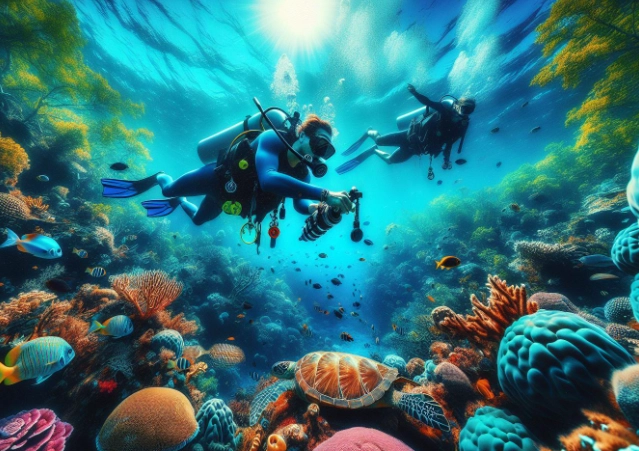
Don't forget the housing—it's non-negotiable. Even waterproof cameras can fail under pressure. Check the depth rating; for snorkeling, 10 meters is usually enough, but go for 20 meters if you plan to dive a bit. Sony's official site has great resources on housing compatibility for their cameras, which is worth a look.
Accessories You Didn't Know You Needed
A red filter is a game-changer. Water absorbs red light, making videos look blue or green. A filter restores natural colors without post-processing. I attach one to my GoPro for every snorkel. Also, a floating handgrip—if you drop the camera, it won't sink. I lost a camera once in Thailand because I skipped this; never again. Other essentials: anti-fog drops, a silicone mask strap pad for comfort, and a dry bag for storing gear on the boat.
How to Select the Best Gear: A Practical Approach
Don't just buy the top-rated item online. Consider your filming style. Are you capturing wide reef scenes or close-ups of marine life? Here's a quick comparison to help decide: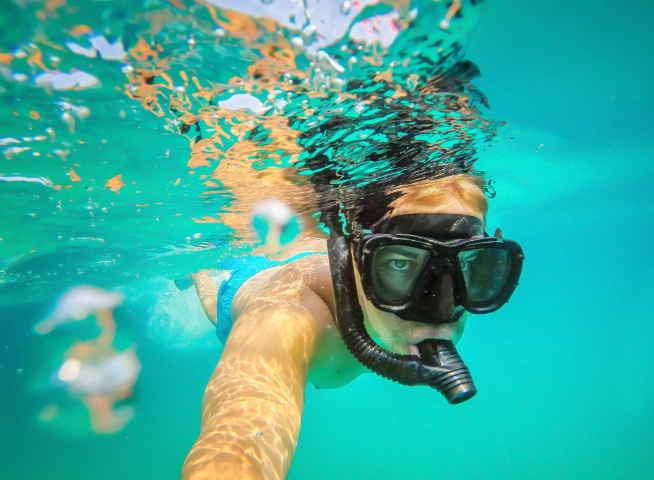
| Gear Type | Best For | Budget Range | Key Feature |
|---|---|---|---|
| Action Camera (e.g., GoPro) | Beginners, fast-moving shots | $200-$400 | Compact, easy to use |
| Mirrorless Camera with Housing | Advanced users, low-light filming | $800-$2000+ | High image quality, manual controls |
| Medium-Length Fins | Stability in currents | $50-$150 | Adjustable straps for fit |
| Low-Volume Mask | Reduced drag, better vision | $30-$100 | Tempered glass, silicone skirt |
Start with the basics: mask, fins, and an action camera. Upgrade as you go. I recommend renting higher-end gear first—I tried a $1500 housing before buying and realized it was overkill for my needs. Also, read reviews from snorkelers, not just divers; the requirements differ. Scuba diving gear is often heavier, while snorkeling gear needs to be lightweight for surface filming.
Here's a personal nugget: Many snorkelers overlook audio. Underwater, you'll capture mostly bubbles, but a waterproof microphone can add ambient sounds if you're filming above water scenes. It's niche, but it elevates storytelling.
Common Mistakes and How to Avoid Them
I've made plenty of errors so you don't have to. First, neglecting pre-dive checks. Always test your housing for leaks in a sink before heading out. I didn't once, and saltwater ruined a camera—a $300 lesson. Second, over-accessorizing. Too many attachments weigh you down and complicate shots. Keep it simple: camera, filter, grip. Third, ignoring weather conditions. Bright sun causes glare; overcast days offer softer light. Plan your snorkels around early morning or late afternoon for the best footage.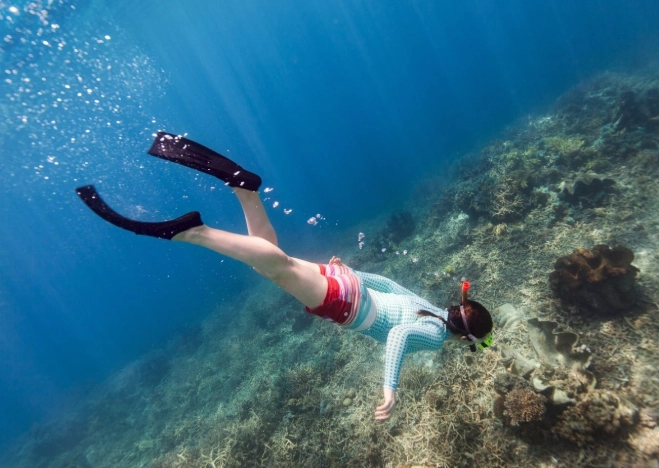
Another subtle mistake: using auto-white balance. Cameras struggle underwater, often washing out colors. Set white balance manually or use a preset for underwater modes. On my Sony camera, I dial in a custom setting based on depth—it takes practice, but the results are worth it.
Lastly, forgetting to practice. Snorkeling with gear feels different. Spend time in a pool or calm bay getting used to the weight and balance. I spent a whole weekend in my local pool adjusting my setup before a trip to Fiji, and it paid off with smooth, cinematic shots.
FAQ: Your Top Questions Answered
Wrapping up, snorkeling gear for underwater videography is about balance. Invest in a good mask and fins first, then build your camera kit based on your skills. Remember, the best footage comes from being comfortable and prepared. Now go out there and capture the ocean's magic—just don't forget to enjoy the view through your own eyes too.
Reader Comments