Let's be honest. When you picture snorkeling in Fiji, you're probably imagining crystal-clear water, schools of technicolor fish, and coral so bright it looks Photoshopped. Good news: it's all real. Fiji isn't just another tropical destination; it's the self-proclaimed "Soft Coral Capital of the World," and after spending weeks exploring its reefs, I can confirm the hype is justified. But here's the thing most blogs don't tell you: not all spots are created equal, and timing your trip wrong can mean the difference between a good experience and a mind-blowing one.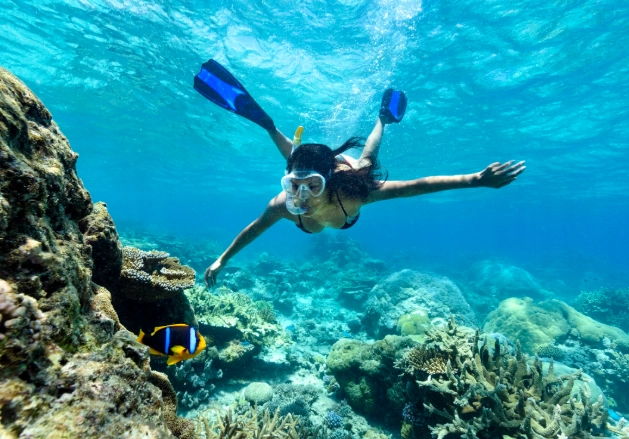
Your Snorkeling Journey Starts Here
Where to Go: The Top Fiji Snorkeling Regions
Fiji is an archipelago of over 300 islands. You can't see it all in one go. Your experience hinges entirely on which island group you base yourself in. Forget the vague "go to Fiji" advice. Let's break it down by what you're actually looking for.
The Mamanuca & Yasawa Islands: Postcard-Perfect and Accessible
This chain of islands west of Nadi is what you see on every brochure. The water is a stunning shade of blue, the sand is white, and the reefs are healthy and close to shore. It's perfect for first-timers, families, or anyone who wants convenience.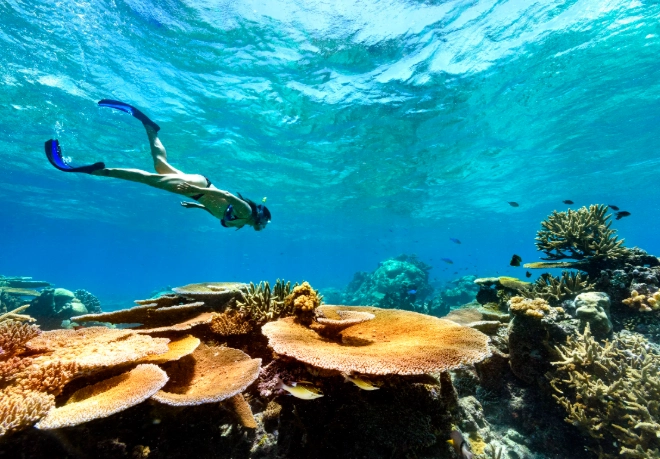
Top Spots Here:
- Malamala Beach Club (Mamanucas): Yes, it's a beach club, but its house reef is legitimately excellent. You can snorkel right off the sand and see parrotfish, angelfish, and small reef sharks within minutes. Day passes start around FJ$150 (about US$65) including transfers from Port Denarau.
- Modriki Island (Mamanucas): Famous as the setting for the movie *Cast Away*. The snorkeling around the island's fringing reef is vibrant and shallow. Most day cruises from Denarau or Mana Island include a stop here. Expect to pay FJ$180-$250 for a full-day cruise.
- The Blue Lagoon (Yasawas): Near Nacula Island, the name says it all. The lagoon is calm, protected, and teeming with life. This is best accessed by staying at a resort in the northern Yasawas like Blue Lagoon Beach Resort or Oarsman's Bay Lodge.
The trade-off? These islands are popular. If your dream involves having a reef to yourself at 10 AM, you might need to look elsewhere.
Taveuni & the Somosomo Strait: For the Serious Snorkeler
If your primary goal is world-class underwater scenery, head straight to Taveuni, Fiji's "Garden Island." This is where you find the legendary Rainbow Reef and the Great White Wall in the Somosomo Strait. We're talking about vast coral cathedrals covered in soft corals that sway in the current like a field of neon flowers. It's not snorkeling; it's floating through an aquatic art gallery.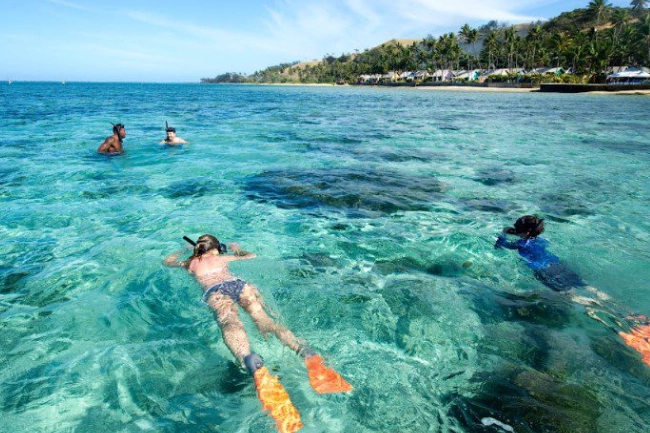
A Local's Tip for Rainbow Reef
Most day tours from Taveuni resorts like Taveuni Dive or Garden Island Resort will take you to the famous sites. The key is to go on an incoming tide when the visibility is best. Ask your operator about tide times—this small detail makes a massive difference. A full-day snorkel tour with gear, lunch, and guides costs roughly FJ$250-$350 per person.
The Northern Islands & Vanua Levu: Off-the-Beaten-Path Gems
Want to escape the crowds? Look north. Places like Savusavu on Vanua Levu or the remote Lau Group offer incredible, untouched snorkeling. The Namena Marine Reserve, a short boat ride from Savusavu, is a protected area with breathtaking drop-offs and huge schools of pelagic fish. You'll need to join a tour with a licensed operator like Dive Savusavu or Jean-Michel Cousteau Resort. It's more effort to get to, but you're rewarded with a sense of discovery you won't find near Nadi.
| Region | Best For | Access & Cost Vibe | Top Snorkeling Highlight |
|---|---|---|---|
| Mamanuca/Yasawa Islands | Families, first-timers, convenience, beautiful beaches. | Easy (short boat from Nadi). Day trips FJ$150-250. Resorts plentiful. | Modriki Island reefs, Malamala Beach Club house reef. |
| Taveuni & Somosomo Strait | Serious snorkelers, photographers, unique soft coral formations. | Requires domestic flight to Taveuni. Tours FJ$250-350. Less crowded. | Rainbow Reef, the Great White Wall. |
| Northern Islands (Savusavu) | Adventurers, avoiding crowds, pristine protected reefs. | Domestic flight to Savusavu. Tours to reserves essential. Higher cost, high reward. | Namena Marine Reserve, barrier reef systems. |
When to Go: Timing Your Fiji Snorkel Trip Perfectly
This is arguably more important than where you go. Fiji has a dry season (May-October) and a wet season (November-April).
The Dry Season (May - October) is peak tourist season for a reason. Skies are sunny, rainfall is low, and underwater visibility is often at its best, exceeding 30 meters (100 feet). However, this also means more boats, more people on the reefs, and higher prices for flights and accommodation. Water temperatures are slightly cooler (around 24-26°C / 75-79°F), so a thin wetsuit top can be comfortable for longer sessions.
The Wet Season (November - April) brings warmer water (28-30°C / 82-86°F), fewer tourists, and lower prices. The snorkeling can still be fantastic, especially between rain showers. But here's the expert tip nobody mentions: this is when the soft corals are most vibrant. They feed on plankton brought by the slightly richer waters, and their colors are allegedly more intense. The trade-off is the risk of cyclones (mostly Jan-March) and occasional reduced visibility after heavy rain. It's a calculated risk with potentially huge rewards.
My personal sweet spot? The shoulder months of April, May, October, and November. You often get the best of both worlds: good weather, decent visibility, fewer crowds, and corals that are still firing on all cylinders.
How to Choose the Right Fiji Snorkeling Tour for You
Booking a tour is the best way to reach the prime reefs. But not all tours are equal. Here’s how to pick one that doesn’t just herd you into the water.
1. Look for "Guided Snorkeling" not just "Snorkeling Stop." A good guide will point out hidden creatures like leaf scorpionfish or nudibranchs you'd totally miss. They know the reef's rhythm. Ask if a marine naturalist or guide will be in the water with your group.
2. Check the Boat Size and Group Limit. A small boat (carrying 10-15 people max) means more time in the water and less time waiting for 30 others to get on and off. It's a more personal, less rushed experience.
3. Ask About Their Environmental Policy. Do they provide reef-safe sunscreen? Do they give a briefing about not touching coral? Operators that care about the reef are the ones you want to support. Look for affiliations with Fiji Marine Tourism or mentions of conservation.
4. Understand What's Included. Does the price cover gear (mask, snorkel, fins), lunch, drinks, and national park fees (for reserves like Namena)? A cheaper tour might nickel-and-dime you later.
Gear & Local Tips: Snorkeling Like a Pro in Fiji
You can rent gear everywhere, but if you're a serious snorkeler, bring your own mask. A perfect fit is priceless. Fins are less critical but nice to have.
The Non-Negotiable Item: A rash guard or thin long-sleeved shirt. Not just for sun protection (the Fiji sun is fierce, even through clouds), but for warmth in the dry season and as a barrier against accidental coral brushes or the occasional jellyfish larvae (known as "sea lice").
Reef-Safe Sunscreen: This isn't a suggestion; it's a necessity. Many resorts and tours now require it. Chemicals in regular sunscreen bleach and damage coral. Brands like Stream2Sea or Badger are widely recommended. Apply it 30 minutes before you get in the water.
Master the "Fiji Float": The best reefs are often along drop-offs or in channels with mild currents. Instead of fighting it, learn to drift. Enter upstream, relax, and let the current carry you over the reef while you look down. Your boat will pick you up at the other end. It's effortless and covers more ground.
Beyond the Reef: Responsible Snorkeling in Fiji
Fiji's reefs are resilient but vulnerable. As visitors, our behavior matters.
- Never stand on coral. It's a living animal, and that single step can kill a structure that took decades to grow. If you need to adjust your gear, float vertically and tread water gently.
- Look but don't touch. This goes for everything—coral, fish, shells. The slimy coating on coral is its protective tissue. Disturbing it invites disease.
- Support conservation efforts. Consider visiting or donating to projects like the Coral Triangle Center or local initiatives like the 10 Million Trees Fiji project (healthy forests mean healthy reefs by reducing runoff). Some tour operators incorporate a small conservation levy into their fee—view this as an investment, not an extra cost.
Remember, the Fijian concept of "vanua" connects the land, the people, and the sea as one. Respecting the reef is respecting the culture.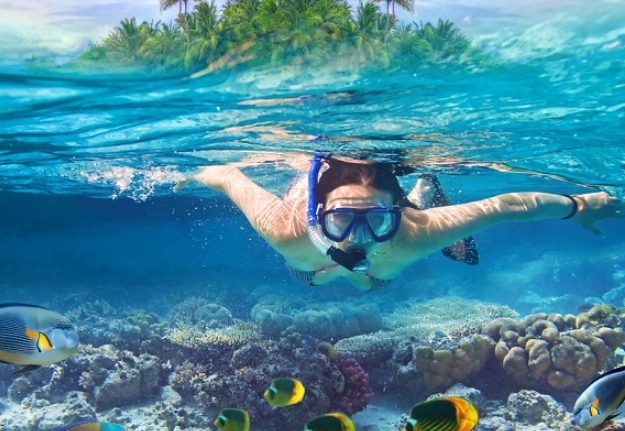
Your Fiji Snorkeling Questions, Answered
Reader Comments