Let's be honest, nobody enjoys that initial shock of cold water hitting their chest. It can ruin the moment before you even see a fish. That's why warm water snorkeling isn't just a luxury; for many of us, it's the difference between a good trip and a magical one. Water that feels like a bath allows you to relax completely, stay in longer, and focus on the spectacle around you instead of your own chattering teeth.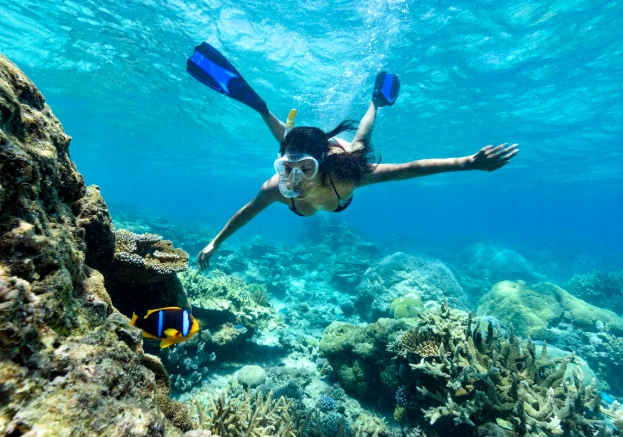
I've been chasing that perfect, bath-like warmth across oceans for over a decade. I've also made the mistake of going to a "tropical" destination during its chilly season. This guide is built to help you avoid that disappointment and zero in on destinations where the water is genuinely, reliably inviting.
Your Snorkeling Journey Starts Here
Top 3 Warm Water Snorkeling Destinations You Can't Miss
These aren't just random picks. Each one offers a unique combination of reliable warmth, incredible visibility, and diverse marine life that makes them stand out in a crowded field.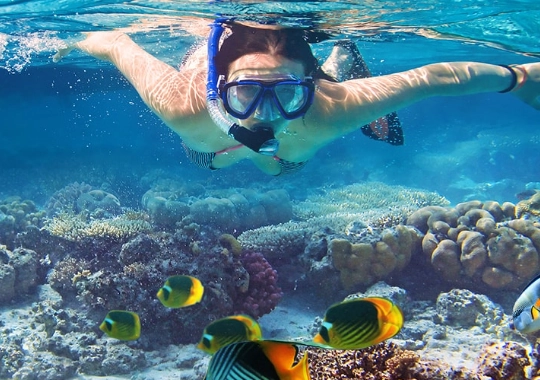
1. The Great Barrier Reef, Australia
It's iconic for a reason. The sheer scale is mind-boggling. But from a warmth perspective, timing is everything. The northern sections near Cairns and Port Douglas are your best bet for consistently warm water.
The Warmth Window: Aim for October through December. The water temperature hovers between 26-29°C (79-84°F), the humidity isn't oppressive yet, and the risk of stingers (jellyfish) is lower before the summer rains. The summer months (Jan-Mar) are warmer but can bring heavy rain, reduced visibility, and marine stingers that require stinger suits.
Getting There & Snorkeling: Most tours depart from Cairns or Port Douglas. A day trip to the outer reef with a company like Quicksilver or Reef Magic will cost between AUD $250-$350. This includes transport, gear, lunch, and guided snorkel sessions. For a more intimate experience, consider a liveaboard boat that takes you to more remote reefs for multiple days of snorkeling.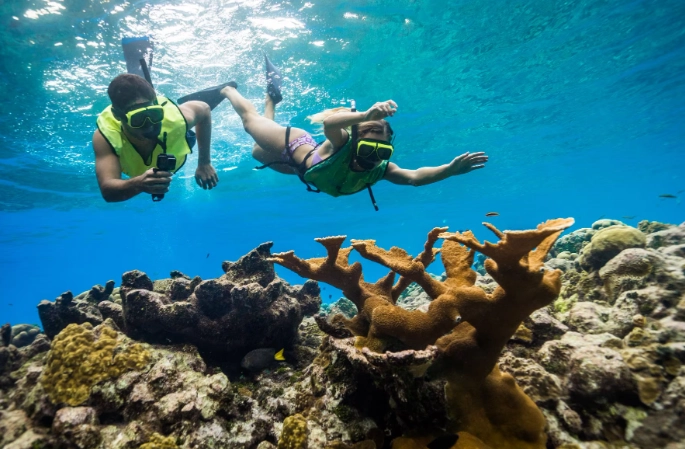
My take? The outer reef trips are worth it. The inner reef sites closer to shore have suffered more from bleaching and are often more crowded.
2. The Hawaiian Islands (Specifically, the Kona Coast & Maui)
Hawaii's water isn't the hottest on the list, but it's remarkably stable and pleasant year-round. The lack of extreme temperature swings is its superpower.
The Kona Coast of the Big Island is a snorkeling mecca. Places like Kealakekua Bay (Captain Cook Monument) have crystal-clear water and resident spinner dolphins. You need to kayak or take a boat tour to access the best part of the bay. Tour prices start around $120 USD.
On Maui, Molokini Crater is the star for clarity and fish diversity, but it's a boat ride away. For easy shore access, Honolua Bay (on calm days) and Napili Bay are fantastic. Water temps range from 25-27°C (77-81°F) almost all year.
3. The Caribbean (A Spectrum of Choices)
Calling the Caribbean a single destination is unfair. It's a mosaic. For guaranteed warmth, you want to look south and east.
Bonaire is the dedicated snorkeler's (and diver's) island. The entire leeward coast is a protected marine park with over 60 marked shore snorkeling sites. Just rent a truck, grab a map, and go. Water temps are a consistent 27-29°C (81-84°F). The Bonaire Marine Park tag is required (around $45 USD for a year) and funds conservation.
The Bahamas, especially the Exumas, offer that dreamy light-blue water. Swimming with pigs on Big Major Cay is a thing, but the snorkeling at Thunderball Grotto (near Staniel Cay) is the real cinematic experience. You'll need a boat or tour to reach most good sites.
| Destination | Prime Warm Season | Avg. Water Temp | Best For | Access Style |
|---|---|---|---|---|
| Great Barrier Reef (North) | Oct - Dec | 26-29°C (79-84°F) | Reef biodiversity, iconic status | Boat tours (Day/Liveaboard) |
| Hawaii (Kona/Maui) | Year-round (Best: Jun-Oct) | 25-27°C (77-81°F) | Stable conditions, volcanic landscapes, dolphins | Shore & Boat |
| Bonaire, Caribbean | Year-round | 27-29°C (81-84°F) | DIY shore snorkeling, ease, conservation | Shore (Drive & Snorkel) |
| Bahamas (Exumas) | Dec - Apr | 24-27°C (75-81°F) | Crystal clarity, swimming pigs, grottos | Boat tours |
How to Choose Your Perfect Warm Water Spot: It's Not Just Temperature
Picking a destination based solely on a water temperature number is the first mistake I see. Comfort is holistic.
Water Temperature vs. Feel: A 27°C (81°F) day in Bonaire with low humidity and a breeze feels different than 27°C in a humid, still bay in Thailand. If you get cold easily, aim for destinations where the average is 28°C (82°F) or above. Check resources like the NOAA Sea Surface Temperature charts for historical data.
Visibility is King: Warm, murky water is disappointing. Trade-wind islands (like those in the Caribbean's ABC islands - Aruba, Bonaire, Curacao) often have clearer water on their leeward (calm) sides because the wind pushes sediment away. Rainy season drastically reduces visibility in many places.
Marine Life Match: What do you want to see?
Turtles & Reef Fish: Almost any healthy reef.
Manta Rays: Kona, Hawaii (night snorkels) or the Maldives.
Whale Sharks: Specific seasons in places like Belize (Mar-Jun) or the Philippines.
Vibrant Coral: The healthiest reefs are often in remote atolls or protected marine parks with strong conservation, like Palau or parts of Fiji.
Here's a non-consensus tip: Don't overlook sea temperature stability. A place with a narrow annual range (like Hawaii) is often more reliable than a place with a very high peak but a long cool season.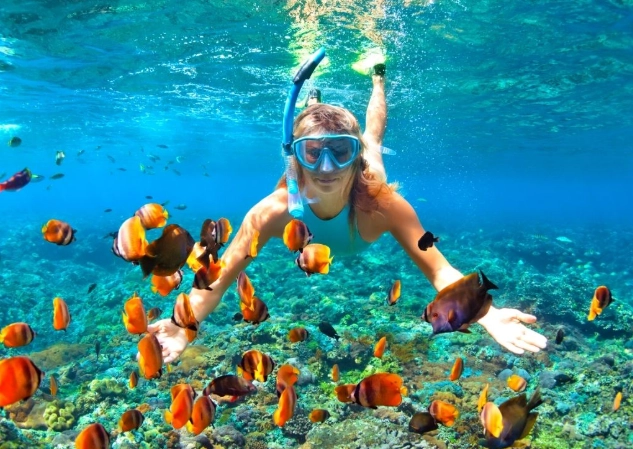
Planning Your Warm Water Snorkel Trip: A Step-by-Step Guide
Step 1: Lock in the Timing
This is the most critical step. Use the table above as a starting point, but always cross-reference with:
- Rainy/Monsoon Season: Avoid it. Rain means runoff, which means poor visibility.
- Hurricane/Typhoon Season: Know the window (e.g., Atlantic/Caribbean: Jun-Nov, peak Sep-Oct). Travel insurance is a must.
- Local Holidays & Peak Travel: Prices soar and sites get crowded.
Step 2: Book the Right Base
Your hotel or rental location dictates your daily snorkeling ease.
For DIY Snorkelers: Stay somewhere with a reef directly accessible from the beach or a short swim. Research this specifically—don't assume.
For Boat-Based Trips: Stay near the main departure marinas (e.g., in Cairns, Kailua-Kona, or Willemstad).
I once booked a "befront" hotel only to discover the "beach" was a seawall with no reef access. Lesson learned.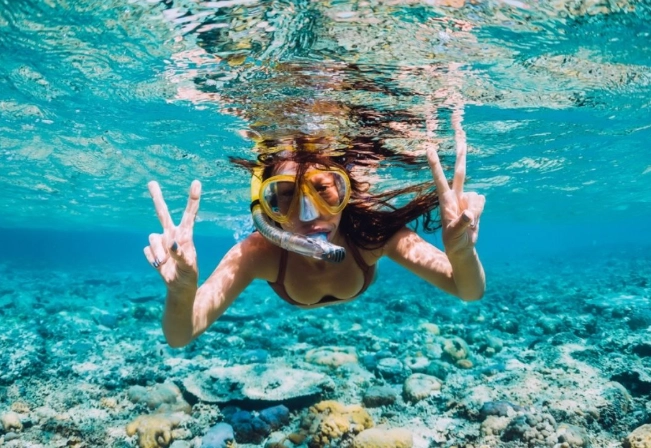
Step 3: Gear Up Smartly
Even in warm water, gear matters.
- Mask & Snorkel: Bring your own that fits. A leaking mask ruins everything. A dry-top snorkel is worth it.
- Fins: Open-heel fins with booties are more versatile and comfortable for rocky entries than full-foot fins.
- Exposure Protection: This is the big one. A rash guard or a 1-2mm neoprene vest/shorty is NOT just for warmth. It's for sun protection and buoyancy. It prevents a nasty back-of-the-leg sunburn from floating and protects against accidental scrapes on coral. In intense sun, a full lycra suit or a thin wetsuit is a game-changer.
Step 4: Respect the Environment
Warm water reefs are often more fragile. Never stand on or touch coral. Use reef-safe sunscreen (mineral-based, non-nano) and apply it at least 20 minutes before entering the water. Consider a sun shirt instead. Support operators with clear conservation practices, like those affiliated with The Coral Reef Alliance or local marine park initiatives.
Your Warm Water Snorkeling Questions Answered
What is the absolute warmest water for snorkeling year-round?
The Red Sea (Egypt, Jordan) and the southern Caribbean Sea (like around Bonaire and Aruba) are top contenders, often maintaining 28-30°C (82-86°F) for much of the year. The Persian Gulf is also very warm but has more limited visibility and snorkeling infrastructure. Remember, extreme heat can sometimes correlate with less vibrant coral due to bleaching stress.
I get cold easily. Is a wetsuit necessary for "warm" water snorkeling?
For most people, a full wetsuit is overkill in 28°C+ water. However, I always recommend at least a 1mm neoprene top or a full lycra rash guard. The primary benefit isn't warmth—it's buoyancy and sun protection. Floating effortlessly saves energy, and avoiding sunscreen on your back means less chemical runoff onto the reef. If you're doing multiple snorkels a day or are very sensitive to chill, a 2mm shorty is a perfect compromise.
How do I find snorkeling spots with calm water suitable for beginners in these destinations?
This is a fantastic question that most guides gloss over. First, look for destinations with protected bays or lagoons. In Hawaii, look for beaches ending in "Bay" (like Hanauma Bay, Oahu—though it requires reservations). In the Caribbean, the leeward (western/southern) sides of islands are almost always calmer. Second, use apps like Windy.com to check the forecast wind direction and wave height for your specific dates. A spot that's perfect one week can be choppy the next if the wind shifts. Finally, ask local snorkel shops—not just the big tour desks—for their "go-to" calm spots for the current conditions.
Are there any warm water destinations where the snorkeling is good right off the beach, avoiding boat costs?
Absolutely, and this is a great way to save money and be flexible. Bonaire is the undisputed champion of shore snorkeling. Curacao also has excellent accessible sites like Playa Lagun and Directors Bay. In Hawaii, places like Kahalu'u Bay (Kona) and Kapalua Bay (Maui) offer great shore access. In Australia, the southern Great Barrier Reef around the Whitsunday Islands has good fringing reefs you can swim to from islands like Hook Island. The key is thorough research—look for phrases like "house reef," "fringing reef beach," or "shore snorkeling access" in hotel and destination reviews.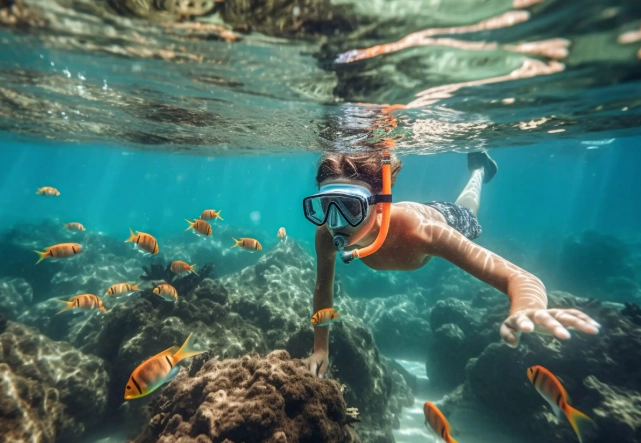
Reader Comments