In This Guide
Alright, let's cut to the chase. You're dreaming of floating over coral gardens, surrounded by neon fish, in one of the most famous places on Earth. But a little voice in the back of your head is asking, how safe is it to snorkel in the Great Barrier Reef, really? Is it all sunshine and serene beauty, or are there hidden dangers you need to know about?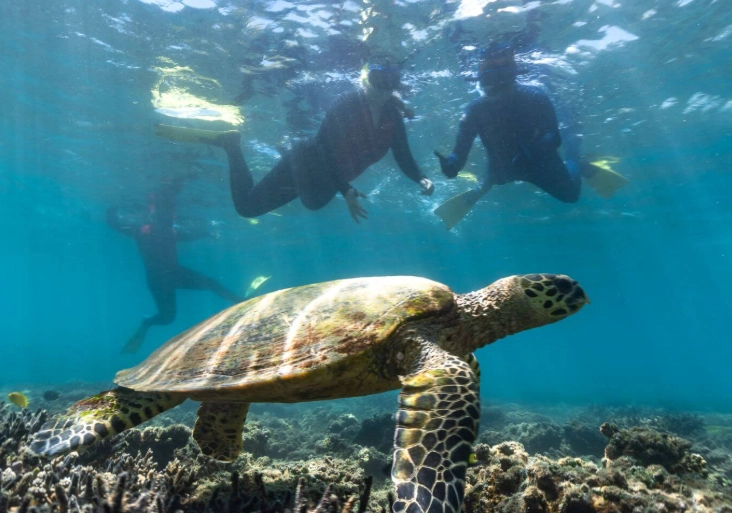
I've been there. I've floated over those reefs, felt the mix of awe and a tiny bit of apprehension. The short answer is that snorkeling the Reef is generally very safe for prepared and sensible people. But the long answer—the one that actually matters for your trip—is all about understanding the risks, respecting the environment, and knowing how to prepare. It's not dangerous in a scary movie way, but it's also not a swimming pool. It's a vast, wild, living ocean ecosystem.
This guide isn't here to scare you off. It's here to give you the straight facts, the stuff tour operators might gloss over in their brochures, and the practical tips that turn a good trip into a great, safe one. We'll break down everything from marine life encounters to weather, from choosing a tour to what to do if you get tired out there. Because honestly, the biggest danger often isn't a shark—it's the sun or your own fitness level.
What Are the Actual Risks? Separating Myth from Reality
Let's tackle the elephant in the room, or rather, the fish in the sea. When people wonder how safe is it to snorkel in the Great Barrier Reef, their minds often jump to sharks and jellyfish. The reality is much more nuanced.
Marine Life: The (Mostly) Friendly Neighborhood
First, sharks. Yes, there are sharks. Reef sharks (blacktip, whitetip) are common sightings and are generally shy, uninterested in humans. Fatal shark attacks on snorkelers on the Great Barrier Reef are extraordinarily rare. You're more likely to be in a car accident on the way to the marina. That said, seeing one can be thrilling—and it's a sign of a healthy reef.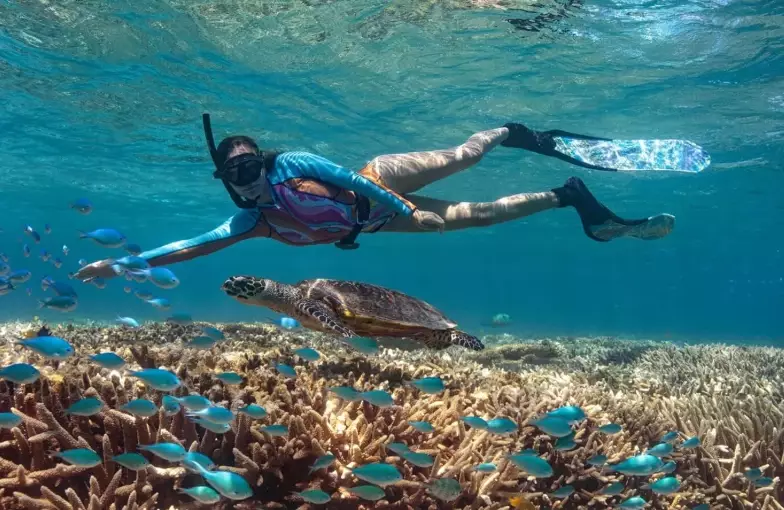
Jellyfish are a more tangible concern, specifically the potentially deadly Irukandji and box jellyfish. Here's the crucial part: they are seasonal. The "stinger season" typically runs from November to May, primarily affecting coastal areas. Most outer reef sites, where the major tourist pontoons are located, are largely free of these dangerous jellyfish due to different ocean currents. However, operators take zero chances.
Other creatures? Stonefish and stingrays exist, but you avoid them by following the golden rule: never touch or stand on the bottom. Float, don't walk. Coral itself can give you nasty cuts and scrapes (coral cuts heal slowly and can get infected), so buoyancy control is key.
The Environment Itself: Sun, Sea, and Current
This is where many first-timers get caught out. The sun is intense. Reflecting off the water, it can burn you badly even on cloudy days. Dehydration is a real risk. And then there's the ocean itself.
Currents can be strong in certain areas. A good operator will choose sites appropriate for the day's conditions and for snorkelers. They'll give a clear briefing on where to go and where to avoid. Listen to it. Fatigue is a genuine hazard. Snorkeling uses muscles you might not be used to using, and swimming against a current will tire you out fast.
Weather and visibility are huge factors. Wind can chop up the surface, making it harder to breathe through your snorkel. Rain can reduce visibility. A good operator will cancel or move locations if conditions are poor—this is a sign of professionalism, not disappointment.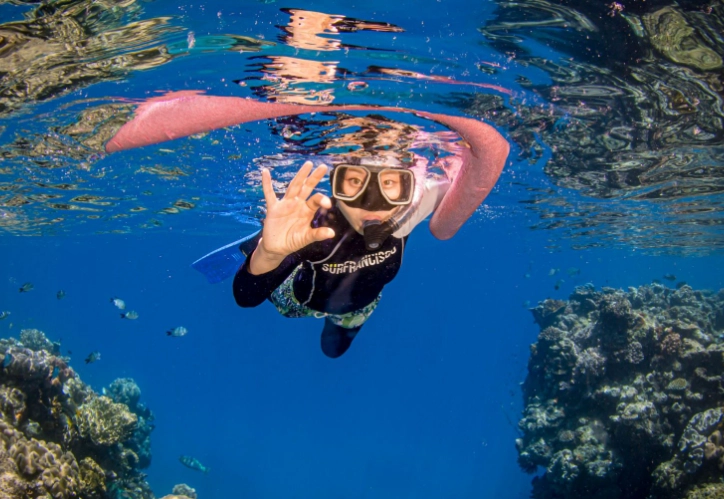
| Risk Factor | Reality Check & Likelihood | How to Mitigate It |
|---|---|---|
| Marine Stingers (Jellyfish) | Seasonal (Nov-May), higher near coast. Low on outer reef. | Wear the provided stinger suit without complaint. Listen to seasonal advice. |
| Sharks | Common sight, but risk of attack is astronomically low. | Stay calm if you see one. Enjoy the sighting. Avoid erratic splashing. |
| Coral Cuts & Marine Life Injuries | Medium risk if you are careless or lack buoyancy control. | NEVER touch anything. Perfect your float. Wear a rash vest for abrasion protection. |
| Sunburn & Dehydration | Extremely High risk for the unprepared. | Reef-safe sunscreen (applied 30 min before swimming), hat, hydration, stinger suit. |
| Currents & Fatigue | Medium risk. Conditions change daily. | Assess your fitness honestly. Use flotation aids (noodles/life vests). Don't snorkel alone. |
| Sea Sickness | High risk for those prone to it on boat trips. | Take medication *before* you feel ill. Choose a larger, stable vessel or a reef pontoon. |
See? The table tells a story. The everyday stuff—sun, water, fitness—needs more attention than the exotic dangers.
Your Pre-Trip Checklist: Getting Ready for a Safe Snorkel
Safety starts long before you dip a fin in the water. Your choices in planning stage set the tone for everything.
Choosing the Right Tour Operator: This is Everything
Not all tours are created equal. A cheap, crowded boat might get you to the reef, but the safety and experience quality can vary wildly. Look for operators with high safety standards. Check if they are EcoCertified (like through Tourism Australia's program or are recognized by the Great Barrier Reef Marine Park Authority). Read recent reviews, specifically looking for mentions of safety briefings, crew attentiveness, and condition assessments.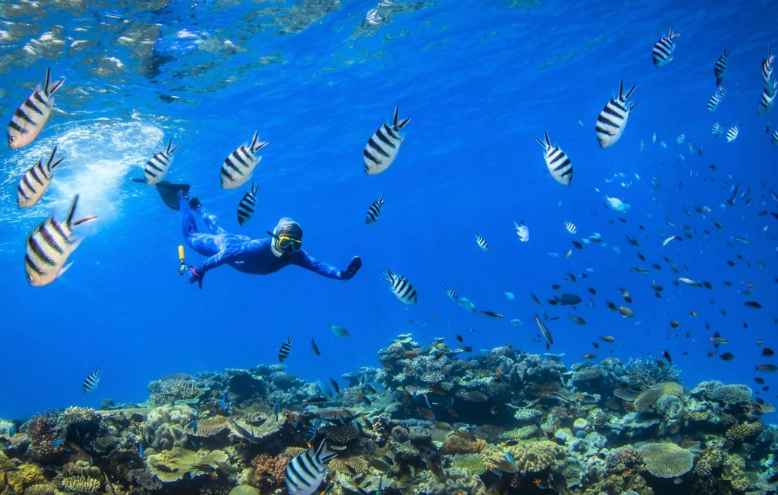
Consider your own needs:
- For nervous swimmers/beginners: Look for operators that offer extended guided snorkel tours, have permanent pontoons with enclosed swimming areas, or provide lots of flotation devices (pool noodles, buoyancy vests).
- For families: Check age limits, kids' pricing, and if they have special kids' activities or floating platforms.
- If prone to seasickness: Opt for a large, stable catamaran or consider a tour that visits a fixed reef pontoon (like from Cairns or Port Douglas), which minimizes boat time once there.
Gear and Health: Your Personal Responsibility
Most operators provide mask, snorkel, fins, and stinger suits. But you can increase your safety and comfort by thinking ahead.
Fitness: Be honest with yourself. Snorkeling is not passive. Can you swim 50 meters comfortably? Can you tread water? If not, consider a swimming lesson before you go. Declare any medical conditions (asthma, heart issues) to the crew—they need to know.
Gear Fit: A leaky mask ruins everything and causes panic. Test your mask on your face before getting in the water (without the strap, inhale gently through your nose; it should seal and stay on). If you wear glasses, consider a prescription mask—it's a game-changer for seeing the fish clearly and reducing disorientation.
Packing list essentials: Reef-safe sunscreen (chemical sunscreens with oxybenzone and octinoxate are banned in some areas as they harm coral), a long-sleeved rash vest for under your stinger suit, a wide-brimmed hat, a reusable water bottle, and motion sickness pills if needed.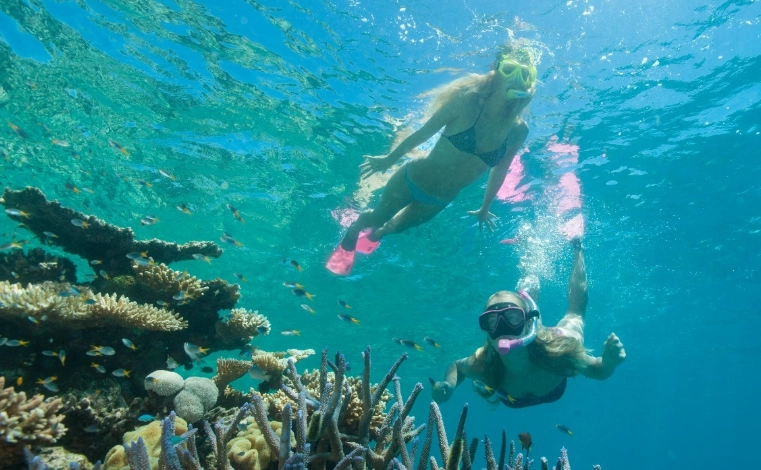
On the Day: Your In-Water Safety Protocol
The boat arrives at a stunning blue patch of ocean. This is it. Here's how to turn knowledge into action.
The Briefing: Listen Like Your Safety Depends On It (It Does)
Don't tune out. The crew will point out entry/exit points, current direction (usually "swim into the current first, so you drift back easily"), safe boundaries, and what to do if you need help. They'll explain the look-don't-touch rule and how to signal for assistance (usually waving an arm).
Ask questions if you're unsure. Everyone has them.
Buddy Up and Float Smart
Never, ever snorkel alone. Stay with your buddy and check on each other frequently. Use the flotation aids offered without ego. A snorkel vest (not a bulky life jacket) lets you add a puff of air for rest. It's smart, not weak.
Conserve energy. Let the current help you. Kick gently from the hips with long fin strokes. If you feel tired, cold, or uneasy, get out. There's no prize for enduring discomfort, and fatigue leads to poor decisions.
Respectful Interaction: The Key to Coexisting
The reef isn't a petting zoo. Touching coral kills the polyps that built it. It can also cut you or, in the case of some species like fire coral, sting you. Touching or chasing marine life stresses them. The best encounters happen when you float calmly and let the wildlife come to you.
Keep a safe distance from larger animals like turtles and rays. Admire them, but don't block their path to the surface or corner them.
So, reflecting on how safe is it to snorkel in the Great Barrier Reef, a huge part of the answer lies in your own behavior in the water. Calm, controlled, and respectful is the mantra.
Beyond the Basics: Specific Scenarios & Questions
Let's dig into some specific things people worry about.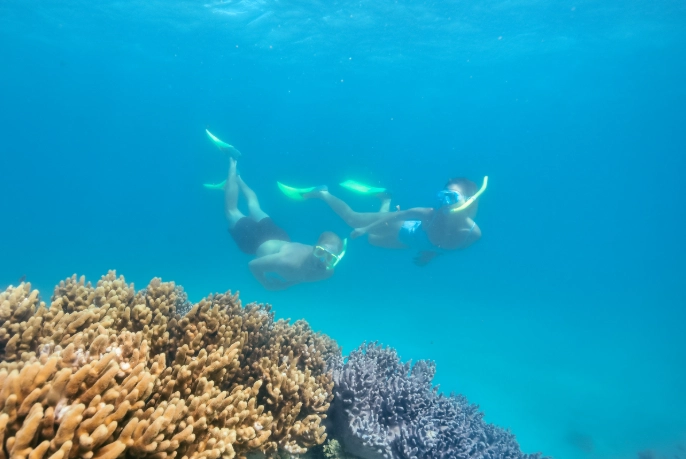
What about children?
It can be fantastic for kids, but with caveats. Age limits (often 4-5 years minimum) exist for a reason. The child must be a confident water-familiar swimmer. Use a flotation vest designed for kids. Consider a "pool noodle" for extra security. Always have one adult dedicated to one child, with no distractions. Shorter, more frequent snorkels are better than one long marathon. Pontoons with enclosed swimming areas are a godsend for families.
I'm not a strong swimmer. Can I still do this?
Absolutely, but you must choose your experience wisely. Book with an operator known for catering to beginners. Use every flotation device offered—life jacket, snorkel vest, pool noodle. Stick to the most sheltered areas, often near the boat or pontoon ladder. Consider a guided tour where a guide tows a large float you can hold onto. Your safety is about buoyancy, not necessarily swimming speed.
What happens in an emergency?
All licensed operators have strict emergency protocols. Crew are trained in first aid, oxygen administration, and marine sting treatment. Boats have radios for contacting emergency services and the Marine Park authorities. The most common "emergencies" they deal with are minor scrapes, seasickness, and fatigue—all easily managed. Knowing they are prepared should give you peace of mind.
Wrapping It Up: The Final Verdict on Safety
So, after all this, what's the final word on how safe it is to snorkel in the Great Barrier Reef?
It's an incredibly safe activity when approached with respect and preparation. The statistical likelihood of a serious incident is very low. The industry is highly regulated, and the reef itself, while wild, is not out to get you.
Your safety is a partnership. The operator provides the platform, the gear, the briefings, and the watchful eyes. You provide the self-awareness, the honest assessment of your abilities, the willingness to listen, and the respect for the ocean's power.
Don't let fear hold you back from one of the world's great natural wonders. Let informed caution empower you. Do your research, pick a good operator, listen to the crew, look after your body, and focus on the breathtaking beauty around you.
Go. Float. Be amazed. And do it safely.
Reader Comments