In This Guide
Let's be honest. You've probably seen those perfect Instagram reels. Crystal clear water, someone floating effortlessly above a rainbow of coral, a sea turtle gliding by like it's no big deal. You think, "I want that." So you google "best snorkeling tours" and... you're hit with a tidal wave of options. Resort tours, private charters, group trips, half-day, full-day. It's enough to make your head spin. Which one is actually good? Which one is just a crowded boat ride to a patch of sand?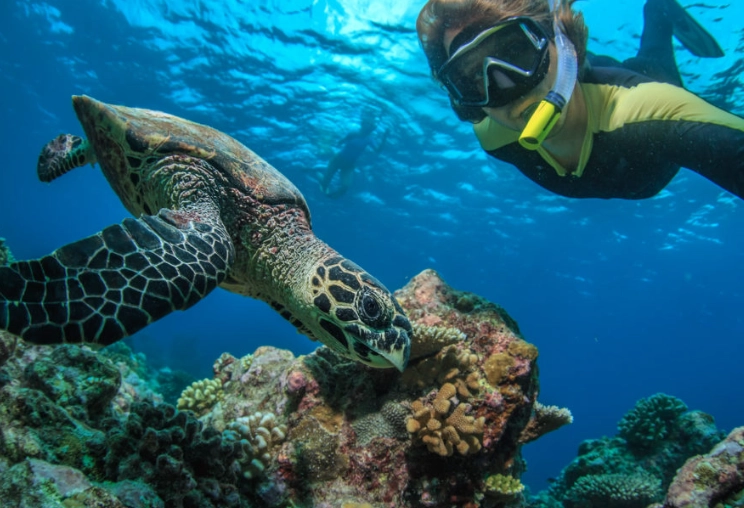
I've been there. My first "tour" was a disaster. Overpriced, packed with 50 other people, and the "vibrant reef" we visited looked like it had seen better days. I spent more time avoiding flippers to the face than looking at fish. But that experience sent me on a mission. Over the last decade, I've snorkeled from the warm bath of the Caribbean to the cooler, wilder waters of the Pacific. I've been on incredible tours that felt like a private National Geographic episode, and I've been on duds that made me want a refund.
This guide is the result. It's not just a list. It's a breakdown of how to think about finding the best snorkeling tours for YOU. Because the best tour in Hawaii might be the worst choice for a first-timer, and the cheapest option in Mexico could cost you the experience of a lifetime.
What Actually Makes a Snorkeling Tour "The Best"?
Before we talk locations, let's set the criteria. If you're comparing tours, these are the non-negotiable boxes to check. Miss one, and your experience can plummet.
The Guide is Everything
I can't stress this enough. A good guide is a safety officer, marine biologist, spotter, and storyteller rolled into one. On my favorite tour in Palau, our guide, Sam, didn't just point out fish. He explained the symbiotic relationship between the clownfish and anemone, knew where the shy octopus hid, and gently corrected people's finning technique to avoid damaging coral. He made the ocean come alive. A bad guide just shouts "Look, fish!" and herds you back onto the boat.
Look for tours that boast about their guides' experience and certifications. A guide with a background in marine biology or ecology is a huge plus. They're not just there for a job; they're there out of passion.
Group Size: Small is Beautiful
This is a major pain point. Big boats mean big crowds. It means waiting in line to get in the water, getting kicked, and a surface so churned up you can't see down. The best snorkeling tours I've been on capped groups at 12, sometimes even 8. It's more expensive, yes. But the peace, the personal attention, and the freedom to explore are worth every extra penny.
Always, always check the maximum group size. If it's not listed, email and ask. "Join-in" tours on big catamarans are often the worst offenders.
Boat Quality & Amenities
You don't need a yacht, but you do need safety and comfort. A good boat has shade, an easy ladder or platform for entry/exit (a huge deal for beginners and anyone with less mobility), clean restrooms, and fresh water for rinsing. I was once on a rickety wooden boat with a rusty ladder—getting out was a terrifying acrobatic feat. Never again.
The Ethics Factor: Eco-Conscious Operations
This matters more now than ever. The best snorkeling tours are stewards of the reefs they visit. They brief you on reef-safe sunscreen (mandatory in places like Hawaii and Key West), enforce no-touch policies, and sometimes even include a short reef conservation talk. They use mooring buoys instead of dropping anchor on coral.
Look for operators affiliated with conservation programs like REEF or those who contribute to local marine protection efforts. It's a sign they're in it for the long haul, not just a quick buck.
Top Contenders for the Best Snorkeling Tours in the World
Okay, with that framework in mind, let's talk destinations. These are my personal top picks based on marine life, water clarity, accessibility, and the overall quality of tours available.
Top 1: The Coral Triangle (Raja Ampat, Indonesia & Tubbataha Reefs, Philippines)
This is the heavyweight champion, the Amazon rainforest of the sea. The biodiversity is simply staggering. We're talking about 75% of the world's coral species. Finding the best snorkeling tours here is about expedition liveaboards. It's remote, it's not cheap, but it is transformative.
What to expect: You're not doing a 3-hour trip. You're on a boat for 5-12 days, accessing reefs unreachable by day trips. The guides are top-tier, often marine researchers. You'll see everything: manta rays, sharks, walls of fish, pristine hard and soft corals. It's for serious snorkelers.
My take: I did a 7-day liveaboard in Raja Ampat. It was the single greatest marine experience of my life. But it's a commitment—in time, money, and travel effort. Not for a casual beach holiday.
Top 2: The Great Barrier Reef, Australia
It's iconic for a reason. Yes, parts have suffered from bleaching, but vast areas remain breathtakingly beautiful. The key is getting to the outer reef. Tours from Cairns or Port Douglas that go to specific reef platforms (like Agincourt Reef) offer the best experience.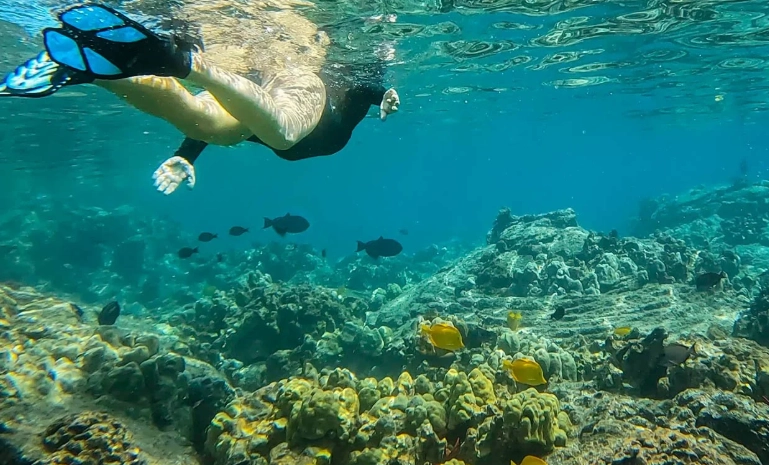
What to expect: Larger boats, but often with excellent facilities—semi-submersibles, underwater observatories, and expert marine biologists on board. The water can be a bit choppier on the ride out. The variety of coral formations is mind-blowing.
My take: Don't book the cheapest day-trip catamaran. Invest in a tour that guarantees time on a dedicated outer reef pontoon. The difference in coral health and fish life is night and day. Check the operator's eco-credentials with the Great Barrier Reef Marine Park Authority.
Top 3: The Islands of Hawaii (Big Island & Maui)
Hawaii offers incredible accessibility and variety. For me, the best snorkeling tours in Hawaii are the ones that focus on specific animal encounters with a strong ethical code.
- Maui: Molokini Crater is famous, but can get crowded. The better tours go there for sunrise or combine it with a stop at "Turtle Town" (La Perouse Bay). The guides are excellent at finding green sea turtles (honu) and will ensure you keep a respectful distance.
- Big Island: Night snorkeling with manta rays off the Kona coast is a must-do. Reputable tours use special lights to attract plankton, which in turn attract the mantas. You float at the surface while these gentle giants somersault right beneath you. It's magical. Choose a small-boat operator for this.
Top 4: The Caribbean Gems (Belize & Bonaire)
For easier logistics and reliably warm, calm water, the Caribbean is hard to beat.
Belize: The Belize Barrier Reef is a UNESCO site. The best snorkeling tours here are to the atolls, like Turneffe or Lighthouse Reef (home to the Great Blue Hole). The ride can be long and bumpy, but the reefs are less crowded and teeming with life, including healthy populations of nurse sharks and stingrays.
Bonaire: This is the DIY snorkeler's paradise, but guided tours are still worth it for the knowledge. The entire coastline is a marine park. Shore snorkeling is incredible, but a boat tour can take you to the more remote northern or southern sites like Klein Bonaire. The dedication to conservation here is palpable.
How do you even begin to choose? Let's compare them head-to-head.
| Destination | Best For | Skill Level | Tour Style | Biggest Drawback |
|---|---|---|---|---|
| Coral Triangle | Biodiversity, Adventure, Serious Snorkelers | Intermediate to Advanced | Multi-day Liveaboards | Cost, Remote Travel |
| Great Barrier Reef | Iconic Status, Family-Friendly Facilities | All Levels (choose tour carefully) | Large Day Boats to Pontoon Platforms | Crowds, Some Reef Damage Visible |
| Hawaiian Islands | Ease, Specific Encounters (Turtles, Mantas) | Beginner to Intermediate | Small & Medium Group Day Tours | Can be Expensive, Variable Conditions |
| Belize & Bonaire | Warm Calm Water, Accessibility from US | Beginner to Intermediate | Day Trips to Atolls/Reefs | Belize trips can have long boat rides |
The Nuts and Bolts: Booking, Packing, and Not Screwing It Up
You've picked a region. Now, how do you lock in one of the best snorkeling tours and not regret it?
How to Vet a Tour Operator (Beyond the Reviews)
TripAdvisor stars are a start, but dig deeper.
- Read the "What to Expect" section thoroughly. Does it mention group size? Guide credentials? Eco-practices? If it's just "free rum punch!" be wary.
- Look at their photos, especially user-submitted ones. Do the boats look overcrowded? Are people struggling with the ladder?
- Email them with specific questions. "What is your guide-to-guest ratio?" "What is your policy if conditions are poor at the primary site?" "Do you provide reef-safe sunscreen?" A good operator responds promptly and knowledgeably.
- Check for affiliations. Are they a member of a local tourism board or marine park association? It adds a layer of accountability.
The Ultimate Snorkel Tour Packing List (Beyond Your Swimsuit)
Most tours provide gear, but your own can make a world of difference.
Non-Negotiable:
- Reef-Safe Sunscreen (Mineral-based, Zinc Oxide/Titanium Dioxide): Brands like Stream2Sea or Badger. Apply it 30 mins before you get wet. No excuses.
- Your Own Mask & Snorkel (if you have them): A leaky, foggy rental mask ruins everything. A well-fitting mask is the #1 upgrade for comfort. A dry-top snorkel is nice too.
- Rash Guard or Long-Sleeve Swim Shirt: Sun protection that doesn't wash off. Also helps with warmth and prevents chafing from the life vest.
- Sea-Sickness Remedy: Even if you think you're fine. Take non-drowsy Dramamine or use seabands before you get on the boat. Trust me.
Highly Recommended: A waterproof case for your phone, a quick-dry towel, a hat for the boat ride, and a reusable water bottle. I also pack a small dry bag for my wallet and keys.
Answering Your Questions (The Stuff You're Secretly Googling)
Let's tackle some common worries head-on.
I'm a total beginner. Can I even do this?
Absolutely! The best snorkeling tours for beginners exist. Look for tours explicitly labeled "beginner-friendly," "calm water," or "guided snorkel." They should offer extended safety briefings, provide floatation aids (noodles or full vests), and have guides in the water with you. Avoid tours that say "for experienced swimmers only" or go to sites known for strong currents.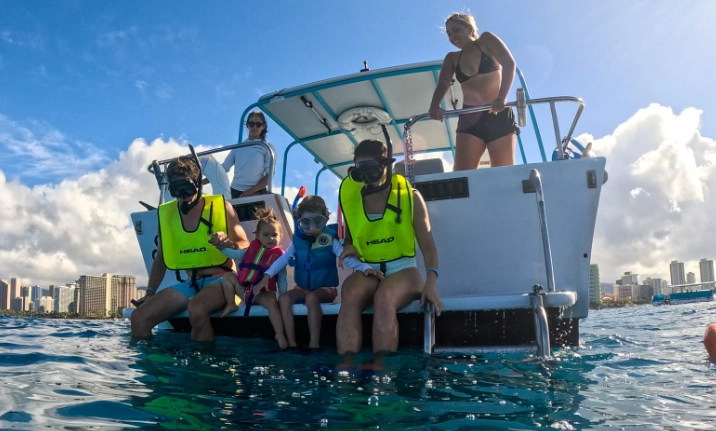
Practice in a pool first if you can. Get comfortable breathing through the tube with your face in the water. It feels weird for the first five minutes, then it becomes second nature.
What's the deal with sharks?
This is the #1 fear. On 99% of snorkeling tours, the sharks you might see are reef sharks (blacktip, whitetip, nurse sharks). They are small, shy, and have zero interest in you. Seeing one is a rare and thrilling treat. I've probably spent 500 hours in snorkeling waters and have never felt threatened. The guides know their behavior and will ensure a safe, respectful distance. The real danger is sunburn or touching fire coral.
How much should I tip?
If you're in a tipping culture (USA, Caribbean), plan on $10-$20 per person for the guide, and maybe $5-$10 for the crew, depending on service length and quality. They often work hard for those tips. If the guide found you a sea turtle or helped you fix your gear all day, show your appreciation.
What if the weather is bad?
Reputable operators will cancel or reschedule if conditions are unsafe (high winds, big waves, lightning). If they go out in marginal weather, they should have a backup, more sheltered site. Always check their cancellation policy before booking. A good policy offers a full refund or rain check for operator-cancelled trips.
A Final, Salty Thought
Chasing the best snorkeling tours isn't about checking a box. It's about connection. It's that moment of weightlessness, surrounded by a world that operates on a completely different rhythm. The hum of the boat engine fades, and all you hear is your own breath. A parrotfish crunches on coral. A school of silver baitfish moves as one entity.
Do your homework. Spend a little more for the small-group, eco-minded operator. It directly supports the people protecting these places. Ask the guide questions. Be curious. Go slow in the water. And please, for the love of the ocean, don't stand on the coral or chase the turtles.
The best tour is the one that leaves you in awe of the ocean, not just with a sunburn and a souvenir photo. It's the one that turns you into a guardian for these fragile, incredible places. Now get out there and float.
Reader Comments