Let's cut to the chase. Thailand's coastline is a snorkeling paradise, but it's also a minefield of crowded tours, bleached coral, and missed opportunities if you don't know where to look. I've spent over a decade dipping into these waters, from the tourist-packed bays of Phuket to the remote pinnacles of the Surin Islands. This isn't just a list of spots; it's a blueprint for how to experience the best of Thailand's underwater world, sustainably and smartly.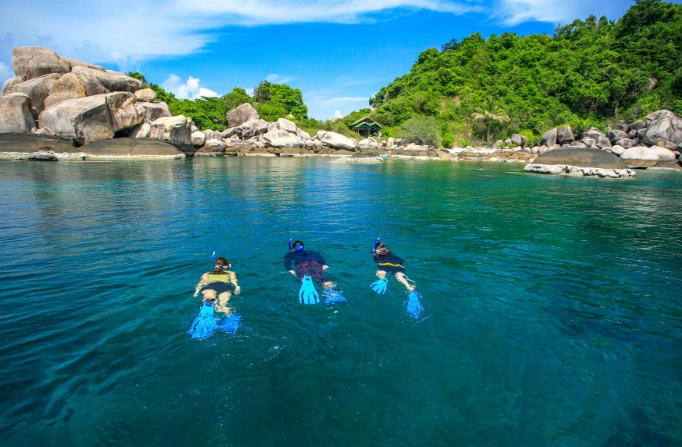
Your Snorkeling Journey Starts Here
The Best Snorkeling Spots in Thailand: Beyond the Brochures
Forget the generic "top 10" lists. Thailand's snorkeling quality varies wildly by season, region, and conservation status. Here’s the real breakdown.
| Destination | Best For | Key Marine Life | Best Time to Visit | The Realistic Vibe |
|---|---|---|---|---|
| Similan & Surin Islands (Day trip from Khao Lak/Phuket) | Pristine coral, big fish action, underwater landscapes | Manta rays (rare), leopard sharks, turtles, massive schools of fish | Nov - Apr (National Park closed May-Oct) | Protected marine park. Requires a 1.5hr+ speedboat ride. Can be crowded at popular mooring points. The healthiest reefs you'll see from Thailand. |
| Koh Tao (Gulf of Thailand) | Beginner-friendly, shore access, turtle sightings | Green turtles, reef sharks (mainly at Chumphon Pinnacle, a dive site), butterflyfish | Mar - Sep (calmest seas) | Backpacker/diver island. Shore snorkeling at Shark Bay or Aow Leuk is decent, but the best spots require a short long-tail boat trip (e.g., to Koh Nang Yuan). |
| Koh Lipe & the Adang Archipelago (Andaman Sea) | Crystal clear water, easy island-hopping, relaxed pace | Clownfish (anemones), moray eels, healthy hard coral gardens | Nov - May | Small, walkable island. Long-tail boat tours to nearby islands (Koh Adang, Koh Rawi) are fantastic and less regimented than big speedboat tours. |
| Koh Rok (Day trip from Koh Lanta) | White sand beaches paired with excellent snorkeling | Vibrant soft corals, clownfish, blue-spotted stingrays | Nov - Apr | Two stunning islands. The snorkeling spots between them are consistently good. Tours from Lanta are well-organized. A highlight of the Trang province. |
| Ang Thong Marine Park (Day trip from Koh Samui/Phangan) | Dramatic limestone scenery above and below water | Reef fish, occasional blacktip sharks, interesting rock formations | Feb - Sep | The snorkeling is good, not great, but the backdrop is unbeatable. It's more about the overall experience of kayaking and viewing the emerald lagoon. |
My personal favorite? The Surin Islands. It's further north, which means fewer day-trippers compared to the Similans. The reefs around Koh Surin Neua have this untouched feeling. I once floated for twenty minutes watching a titan triggerfish meticulously rearrange coral rubble – a behavior most snorkelers miss because they're racing after sharks.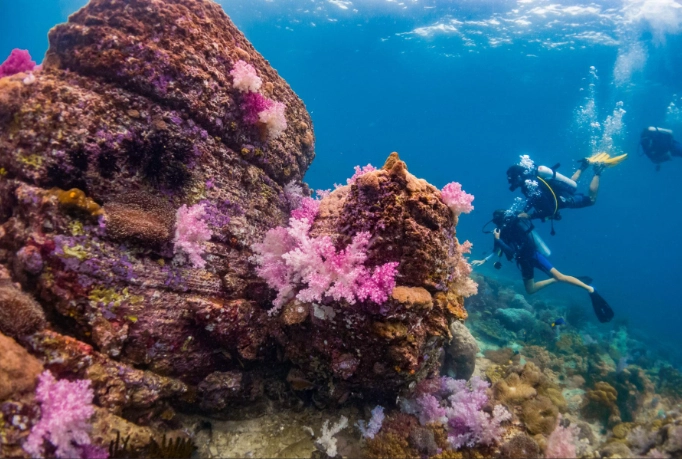
The Overrated & The Underrated
Phi Phi Islands: Maya Bay is (rightfully) closed to swimming. The other spots are okay, but the sheer volume of boats and people has degraded the coral. You're paying for the famous name, not a top-tier snorkel experience.
Koh Samui: Shore snorkeling is largely poor. You must take a boat trip to Koh Tao or the Ang Thong Marine Park for decent sights.
The Underrated Gem: Koh Kradan near Trang. It's quieter than Koh Lipe, with a stunning long sandbar and decent house reefs. Perfect if you want to escape the crowds.
How to Plan Your Snorkeling Trip to Thailand
Planning is everything. Get the season wrong, and you'll be staring at rainy skies and churned-up, murky water.
Choosing Your Base:
Don't try to do both coasts in one short trip. Pick one.
For first-timers or convenience: Base yourself in Khao Lak. It's a quiet town designed as a launchpad for Similan/Surin trips. The tours are professional, and you're closer to the national parks than from Phuket, meaning less time on the bus, more time snorkeling.
For a mix of nightlife and snorkeling: Phuket works, but you'll spend the first two hours of any Similan trip just getting out of the traffic. Choose a hotel in the north (like Mai Khao) to shorten the drive to the marina.
For a pure island vibe: Go straight to Koh Lanta or Koh Lipe. Koh Lanta offers access to Koh Rok and the Trang islands. Koh Lipe has its own fantastic snorkeling right offshore and a car-free, sandy streets atmosphere.
Booking Tours vs. Going Solo
For offshore islands (Similan, Surin, Rok, Ang Thong), you need a tour. Book online in advance for peak season to secure a spot, or walk into a reputable local shop a day or two before for more flexibility. Look for operators that limit group sizes (e.g., "max 25 pax") and mention marine park conservation fees are included.
For places like Koh Tao or Koh Lipe, you can hire a private long-tail boat captain for 3-4 hours. This is my preferred method. For about 1500-2500 THB for the boat (split between 2-4 people), you can set your own itinerary, avoid the crowded tour stops, and ask the captain—who knows the waters intimately—to take you to his favorite spot. I've discovered hidden coral patches this way that aren't on any map.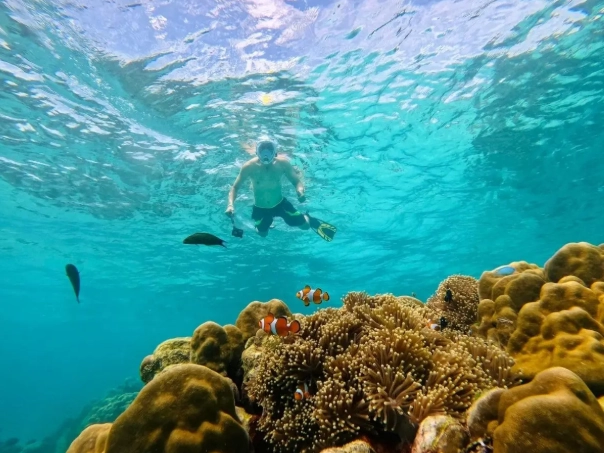
Gear & Non-Negotiable Safety Tips
Most tour gear is functional at best. Here’s what to bring or rent smartly.
The Mask: This is the most critical piece. A leaking mask ruins everything. If you snorkel regularly, buy your own. Ensure it's a low-volume, silicone-skirted mask for a better field of view and seal. Test the fit before you travel: press it to your face without the strap, inhale slightly through your nose, and let go. If it stays put, it's a good fit.
Fins: Full-foot fins (like booties) are best for snorkeling from boats. Open-heel fins (with booties) are better for rocky shore entries. Don't get those short, stubby "travel fins." You need proper blade length to move efficiently without kicking like a frantic hamster.
Sun Protection: A rash guard is mandatory. Not a cotton t-shirt, which gets heavy and offers poor UV protection when wet. A proper 50+ SPF rash guard protects your back from the brutal tropical sun and from accidental fin kicks or jellyfish. For exposed skin, use a reef-safe sunscreen. Look for non-nano zinc oxide or titanium dioxide formulas. Brands like Stream2Sea or Thinksport are reliable. Regular sunscreen washes off and harms the coral you came to see.
- Check the current first. Before jumping in, throw a piece of bread or a leaf in the water. See which way it drifts. Always snorkel against the current first, so the return trip is an easy float back to the boat.
- Never snorkel alone. Use the buddy system. Point out cool things to each other.
- Look, don't touch. This includes coral (a single touch can kill polyps), sea urchins, and fish. Coral cuts are nasty and get infected easily. Some fish, like the titan triggerfish during nesting season, can be aggressively territorial. Just swim sideways out of its zone.
- Breathe slowly and deeply. Panicked, shallow breathing fogs your mask and wastes energy. Relax. You're floating.
Pro Tips for When You're in the Water
This is where experience pays off.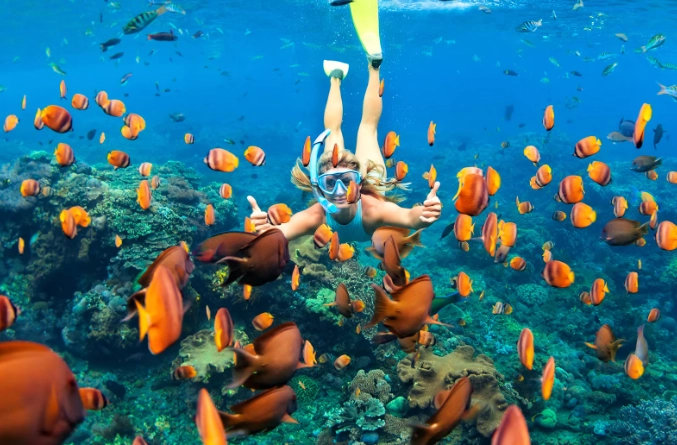
Defog your mask properly. Spit in it, rub it around, rinse it with a tiny bit of seawater. It works better than any commercial spray. Baby shampoo is a good backup.
Master the art of the duck dive. If you're comfortable, learn to gently duck dive (take a breath, bend at the waist, point down, and kick) to get a closer look at deeper coral or a curious fish. It changes the game. Equalize your ears gently as you go down.
Observe, don't just look. Stop kicking and float. That's when the reef comes alive. Watch a cleaner wrasse service a larger fish. See a parrotfish crunch on coral. Follow a hunting octopus's color changes. The big animals are a bonus; the micro-drama is the constant show.
I remember at Koh Rok, I just hovered above a single coral head for ten minutes. I saw six different species of shrimp, a camouflaged scorpionfish, and a nudibranch I'd never seen before. Most people swam right over it.
A 5-Day Snorkeling-Focused Itinerary (Andaman Coast)
This is a realistic, immersive plan based from Koh Lanta.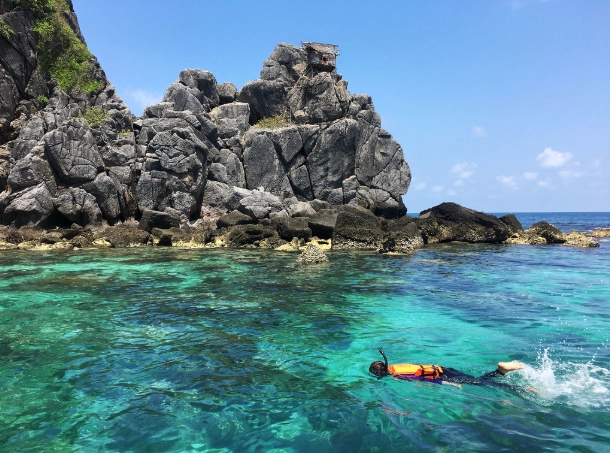
Day 1: Arrive in Krabi, transfer to Koh Lanta (approx. 2.5 hrs including ferry). Settle in, relax on Long Beach. Scout and book a Koh Rok tour for Day 3.
Day 2: Recovery & Local Exploration. Rent a motorbike/scooter. Snorkel at the southern beaches like Kantiang Bay or Nui Bay (check conditions). Visit the Old Town for dinner.
Day 3: Koh Rok Day Trip. Early start. A typical tour hits 2-3 snorkel spots around the twin islands, includes lunch on the pristine beach, and allows time for swimming. You'll be back by 4 pm, tired and happy.
Day 4: Four Islands or Koh Ngai Tour. A more relaxed boat day visiting Koh Chuek, Koh Muk (with the famous Emerald Cave), Koh Kradan, and Koh Ngai. The snorkeling is mixed but the scenery is stunning. Alternatively, hire a private long-tail from Lanta to Koh Ngai for a chill day.
Day 5: Departure or Optional Dive. If you're hooked, consider a Discover Scuba Diving course—Koh Lanta has great dive sites. Or, transfer back to Krabi for your onward flight.
Answers to Your Burning Questions
Is snorkeling in Thailand safe during the rainy season?
Safety depends on location and conditions. The Andaman Sea (Phuket, Krabi) experiences heavy monsoon rains and rough seas from May to October, making many spots inaccessible or dangerous. The Gulf of Thailand (Koh Samui, Koh Tao) has a different monsoon pattern, often with calmer conditions during this period, especially in the summer months. Always check local weather forecasts, heed red flag warnings on beaches, and only go out with reputable operators who cancel trips in unsafe conditions. The visibility also drops significantly after heavy rain.
What is the one piece of snorkeling gear most tourists get wrong in Thailand?
Most tourists overlook a proper-fitting mask. Rental masks are often scratched, leaky, or one-size-fits-none. A poor seal forces you to constantly clear water, ruining the experience. If you snorkel more than once, invest in your own silicone mask. Test the fit by placing it on your face without the strap, inhaling gently through your nose, and letting go. If it stays suctioned, it's a good fit. This simple step is a game-changer.
Can you see turtles and sharks while snorkeling in Thailand, and is it dangerous?
Yes, seeing green turtles and blacktip reef sharks is common in healthy reefs like those in the Similan Islands or around Koh Rok. It is not dangerous. These species are not aggressive toward snorkelers. The danger comes from human behavior. Never chase, touch, or corner any marine animal. Maintain a respectful distance (at least 3-4 meters). Turtles need to surface to breathe; crowding them causes stress. Sharks are shy and will typically swim away. Observe calmly, and you'll witness natural behavior safely.
How do I choose between a snorkeling tour and DIY snorkeling from the beach in Thailand?
Choose a tour for quality reefs and convenience. The best coral and fish life are often at offshore islands (Similan, Surin, Ang Thong) only reachable by speedboat or long-tail boat tours. Tours provide transport, gear, lunch, and a guide. Go DIY from the beach for flexibility and cost-saving, but temper expectations. Beach-access snorkeling (like parts of Koh Tao or Koh Lanta) is often over-frequented, with more limited coral. It's perfect for a casual afternoon but won't match the biodiversity of a protected marine park accessed by tour.
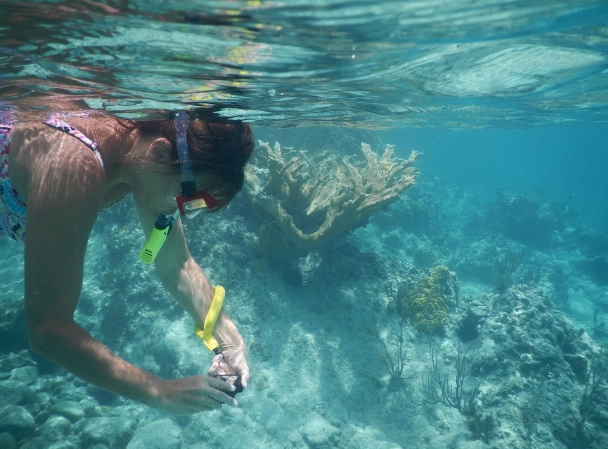 Thailand's underwater world is waiting, but it demands a bit of respect and planning. Choose your season and location wisely, gear up properly, and remember you're a guest in a fragile ecosystem. Do it right, and the memories—of floating over a bustling coral city, locking eyes with a turtle, or discovering a hidden cove—will stick with you long after the tan fades.
Reader Comments