Your Snorkeling Guide at a Glance
- The Two Biggest Factors: Weather and Ocean Conditions
- Island-by-Island Breakdown: Where and When
- A Month-by-Month Snapshot of What to Expect
- Beyond the Calendar: Marine Life and Other Considerations
- Your Pre-Trip Checklist: Getting It Right
- Frequently Asked Questions (The Stuff You're Actually Wondering)
- The Final Word: Your Best Time
Let's be honest. You're probably picturing it right now. Crystal clear water, colorful fish darting around, maybe a sea turtle gliding by. That's the Hawaii snorkeling dream. But then you start planning, and the questions hit. When do I go? Will the water be rough? Are the fish even there? I get it. I've been there too, staring at a calendar, trying to decode the perfect window for underwater magic.
Here's the thing that most generic travel blogs won't tell you straight: there is no single perfect month where everything aligns magically across all islands. Anyone who claims otherwise is oversimplifying. The "best" time completely depends on what you value most. Calm seas? Crowd-free spots? Specific wildlife? Your budget? It's a balancing act.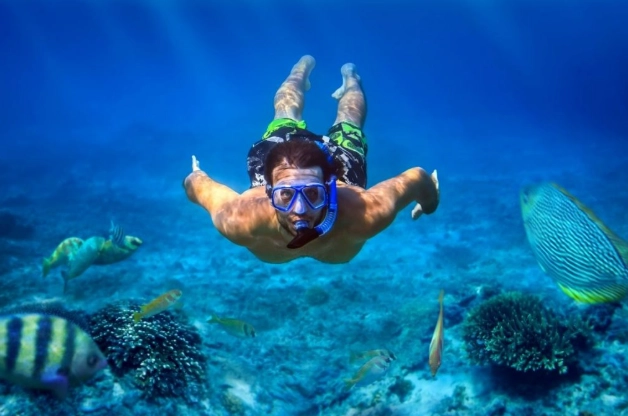
This guide is different. We're going to ditch the fluff and break it down, island by island, month by month. We'll talk about trade winds (they're a bigger deal than you think), water visibility, what's happening with the marine life, and even the vibe on the shore. I'll share some personal wins and a few less-than-ideal moments I've had in the water over the years. By the end, you'll be able to confidently pinpoint your own personal best time to go snorkeling in Hawaii.
Quick Reality Check: Hawaii is a year-round snorkeling destination. The water temperature only varies by about 4-5 degrees Fahrenheit (around 2-3 degrees Celsius) throughout the year. You can have a great time any month. This guide is about helping you find the optimal time for your specific priorities.
The Two Biggest Factors: Weather and Ocean Conditions
Forget just checking for rain. For snorkeling, you need to think like a sailor. The two main players are the trade winds and swell direction. They directly control how calm or choppy your snorkeling spot will be.
Trade Winds: Your Invisible Governor
Hawaii has persistent northeast trade winds. They're usually gentle and keep the air fresh. But from a snorkeling perspective, they create a pattern. The north and east shores of each island (the "windward" sides) get the full force of these winds. This can mean choppier water, stronger currents, and reduced visibility from stirred-up sand. The south and west shores (the "leeward" sides) are typically sheltered and much calmer.
Here's the seasonal twist: these trades are most consistent and strongest from May through September. During the winter months, especially from November through March, they can break down or come from different directions. This flips the script! In winter, the north shores become big wave surfing meccas (think Pipeline on Oahu) and are absolutely not safe for casual snorkeling. But the south shores often become calmer and clearer.
I learned this the hard way on my first trip in July. I drove to the famous North Shore of Oahu expecting glassy water. What I found was churning, windy conditions. A local lifeguard kindly pointed me to the South Shore, where Hanauma Bay was perfectly peaceful. Lesson learned: always check the wind and swell forecast for your specific side of the island.
Swell and Surf: It's All About Direction
Big waves from North Pacific storms hit the north shores in winter. South swells from storms near Antarctica or the South Pacific hit the south shores in summer. A "south swell" in summer can make south shore spots like Waikiki or Poipou on Kauai rough. You need to know which shore is protected on the day you go.
My go-to resource for this isn't a basic weather app. I always check the detailed marine forecast from the National Weather Service's Honolulu office. It breaks down swell height, period, and direction for each coast. It looks technical, but just look for the predicted swell direction and size for the area you're targeting. If it says "north shore: 15 foot north swell," go to the south shore that day.
Island-by-Island Breakdown: Where and When
Hawaii isn't a monolith. Each island has a unique personality and underwater landscape. The best time to go snorkeling in Hawaii on Maui is different from the best time on the Big Island.
| Island | Best Overall Season for Snorkeling | Prime Locations & Notes | Watch Out For |
|---|---|---|---|
| Maui | Late Spring (May-June) & Fall (Sept-Oct) | South & West Maui (Wailea, Makena, Kapalua) are year-round favorites. Molokini Crater is best in summer when the channel crossing is calmer. Winter offers calmer conditions on south shores. | Strong trade winds in summer can affect west Maui. Winter north swells close many north shore spots. Molokini can be crowded. |
| Big Island (Hawaii) | Year-Round, with Summer edges it. | The Kona Coast (West) is legendary for its calm, clear water 350+ days a year. Kealakekua Bay is a must. South (Pu'uhonua) is also good. The east (Hilo) side is rainier and rougher. | "Kona winds" (southerly) are rare but can make Kona side rough. Vog (volcanic smog) can sometimes affect visibility on the west side. |
| Oahu | Summer (May-Sept) for North Shore, Winter for South Shore. | Summer: North Shore (Shark's Cove, Three Tables) is fantastic. Winter: South Shore (Hanauma Bay, Sans Souci) is the place to be. East (Windward) side is hit-or-miss due to trades. | Extreme seasonal shifts. North Shore winter waves are deadly for snorkeling. Hanauma Bay requires reservations and gets very busy. |
| Kauai | Summer (April-Oct) | South Shore (Poipu) is the main hub, best in summer. North Shore (Ke'e, Tunnels) is only swimmable/snorkelable in the calm summer months. Napali Coast snorkel tours run primarily in summer. | Kauai is the rainiest island. Winter rains heavily impact ocean clarity on all shores. North Shore is completely off-limits in winter due to massive surf. |
| Lanai & Molokai | Summer | Accessed by boat from Maui or Lahaina. The crossings to Lanai's Cathedrals or Molokini are significantly smoother and more pleasant during the summer months. | Winter channel crossings can be very rough, leading to cancellations or seasickness. These are boat-trip dependent destinations. |
See what I mean? If your heart is set on snorkeling Oahu's famous North Shore, you must go in summer. Planning a winter trip? Then the Big Island's Kona coast or Maui's south shore should be your focus. This island-specific thinking is the key to unlocking the best time to go snorkeling in Hawaii for you.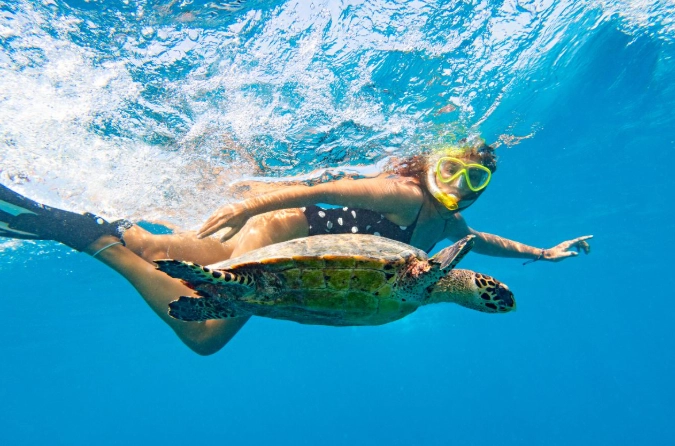
A Month-by-Month Snapshot of What to Expect
Let's zoom in further. Here’s a quick rundown of the general vibe each month brings to Hawaiian waters. Remember, this is general—always check the forecast for your specific island and region a week before and during your trip.
Winter (December - February)
The Scene: Whale season is in full swing! Humpback whales are everywhere, especially in the Maui Nui basin (Maui, Molokai, Lanai). It's an incredible bonus to any snorkel trip. Water is at its "coolest" (still a lovely 74-76°F or 23-24°C).
Snorkeling Conditions: South and West shores are your friends. North shores have massive, dangerous surf. Kona side of Big Island remains stellar. Rain is more frequent, which can affect visibility after heavy downpours near shore.
My Take: If you don't mind slightly cooler water and prioritize whale sightings, this is a magical time. Just respect the ocean and stay on the correct shore.
Spring (March - May)
The Scene: Whales start to leave by late April. Crowds thin out after spring break. Water begins to warm up. The trade winds start ramping up.
Snorkeling Conditions: A fantastic transition period. South shores are still calm from winter. By late April/May, north shores start to calm down enough to explore on good days. A great window of opportunity on many coasts.
My Take: This is a top contender for the overall best time to go snorkeling in Hawaii. You get good conditions on multiple shores, decent weather, and fewer people. May is particularly sweet.
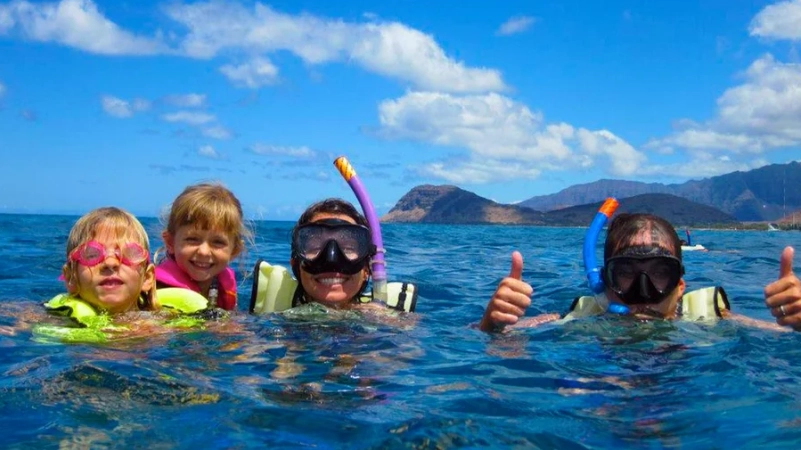 May. Honestly, it's hard to beat May.
Summer (June - August)
The Scene: Peak tourist season. Kids are out of school. It's hot and dry. Trade winds are blowing consistently.
Snorkeling Conditions: North and East shores are in season! This is the time for Shark's Cove on Oahu, Tunnels on Kauai. South shores can occasionally get bumpy from south swells. Water is warmest (78-80°F / 25-27°C). Visibility is often excellent on the windward sides due to constant wind cleaning the surface water.
My Take: The water is deliciously warm and many famous spots are accessible. But you pay for it with crowds, higher prices, and the need to book everything far in advance. Early morning snorkels are essential to beat the crowds.
Fall (September - November)
The Scene: Crowds diminish significantly after Labor Day. Weather is still great. Trades start to lessen. Ocean water retains summer warmth well into October.
Snorkeling Conditions: Another golden window. North shores are often still calm enough into October. South shores are becoming more favorable. The risk of tropical storms or hurricanes is highest (though still low), which can disrupt plans for a few days.
My Take: September and October are secret weapons. You get summer-like conditions with fewer people and better prices. I've had some of my clearest, most peaceful snorkels in early October.
Beyond the Calendar: Marine Life and Other Considerations
So you've picked a season and an island based on calm water. Awesome. But what about the fish? The turtles?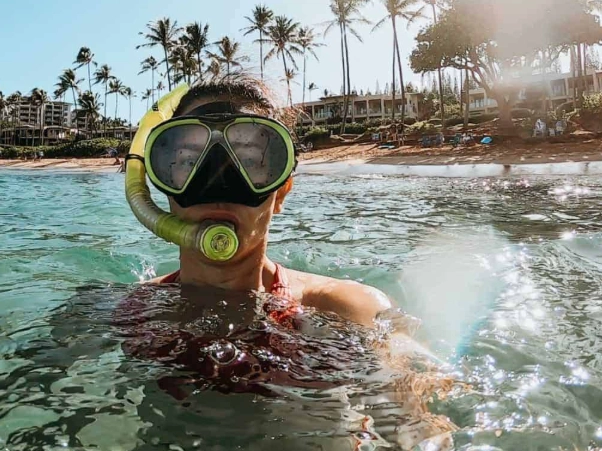
The good news is that most reef fish are resident and can be seen year-round. However, there are some seasonal highlights:
- Humpback Whales: Mid-December through mid-April. You'll hear them singing while you're snorkeling—an unforgettable experience.
- Manta Ray Night Dives/Snorkels (Big Island): Year-round, but ocean conditions are calmer in summer, making the boat trips more pleasant. The mantas are always there.
- Spinner Dolphins: Seen year-round in calm bays, especially in the morning.
- Sea Turtles (Honu): Seen year-round. They are not migratory.
Critical Safety & Etiquette Reminder: No matter when you go, remember you are a guest in the ocean and in Hawaii. Never touch, chase, or ride marine life. It's stressful for them, illegal in many cases (turtles and seals are protected by law), and can result in hefty fines. Give turtles and monk seals at least 10 feet (3 meters) of space. Coral is a living animal that can be killed by a single touch of sunscreen or a fin kick. Please, practice reef-safe snorkeling. The Hawaii Department of Land and Natural Resources has excellent guidelines for ocean safety and wildlife interaction.
The Crowd and Cost Factor
This is a practical reality. The best weather (summer) and major holidays (Christmas, Spring Break) bring the highest prices and the most people. If your dream is to have a place like Hanauma Bay or Molokini to yourself, you need to go in the off-season (late fall, early spring) and be the first one in the water at opening time. I've found that the difference between a 8 AM and a 10 AM arrival at a popular spot is the difference between serenity and a crowded pool.
Your Pre-Trip Checklist: Getting It Right
A few days before your snorkel adventure, run through this list:
- Check the Forecast: Use the NWS Marine Forecast for swell/wind. Use a surf report site or app for a visual of current conditions at specific beaches.
- Talk to Locals: When you arrive, ask your hotel concierge, a dive shop, or a lifeguard about current conditions. They know about hidden riptides or recent jellyfish arrivals ("box jellyfish" sometimes come to shore 8-10 days after a full moon, particularly on south shores).
- Gear Up Smartly: If you're not bringing your own, research reputable rental shops. A good-fitting mask is everything. Consider renting a floatation vest or snorkel belt if you're not a strong swimmer—it lets you relax and enjoy for longer.
- Plan Your Day: Aim for morning snorkels. The wind is usually lighter, the sun is at a better angle for seeing into the water, and crowds are thinner.
Frequently Asked Questions (The Stuff You're Actually Wondering)
The Final Word: Your Best Time
So, after all this, what's the final answer for the best time to go snorkeling in Hawaii?
If I were forced to pick one period for a first-timer who wants the highest chance of great conditions on the most shores with fewer crowds, I'd point to the months of May and September/October. They sit in those sweet spots where the seasonal winds and swells are switching, offering more flexibility.
But honestly, the real secret is this: The best time is when you go with the right information. Understand the seasonal patterns of your chosen island. Learn to read a marine forecast. Be flexible enough to switch from the north shore to the south shore if the conditions demand it. Respect the ocean and its inhabitants.
My favorite snorkeling memory wasn't in a "perfect" month. It was in early November on Maui. The forecast called for a small south swell, so I skipped the usual south shore spots and drove to Honolua Bay on the north shore. The trades had died down, the swell hadn't arrived yet, and the water was like glass. I spent two hours with a huge sea turtle that just didn't care I was there. It wasn't the calendar that made it perfect; it was knowing how to interpret it.
Do your homework, stay adaptable, and you'll find your own perfect best time to go snorkeling in Hawaii. The islands are waiting, and the underwater world is absolutely worth the planning. Just go. You'll figure it out. And you'll have an amazing story to tell.
Reader Comments